Encyclopedia
Definitive guides for crops, pests, and agricultural diseases.
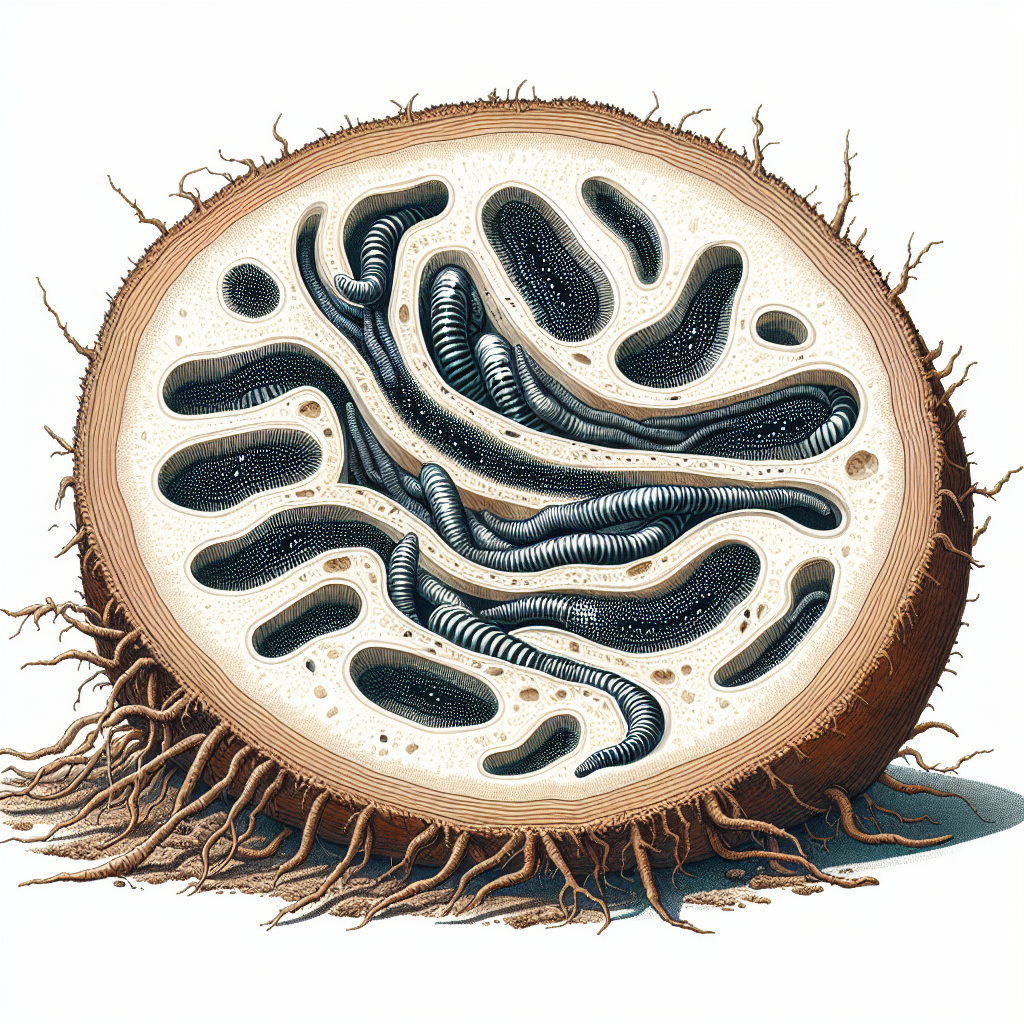
Burrowing Nematode
Radopholus similis, known as the burrowing nematode, is a microscopic worm that attacks plant roots, causing significant yield losses in tropical crops like bananas and citrus. This guide provides definitive diagnostics, lifecycle details, organic management strategies, and prevention tips for farmers battling this destructive pest. Protect your crops with proven, practical agricultural advice.
View Profile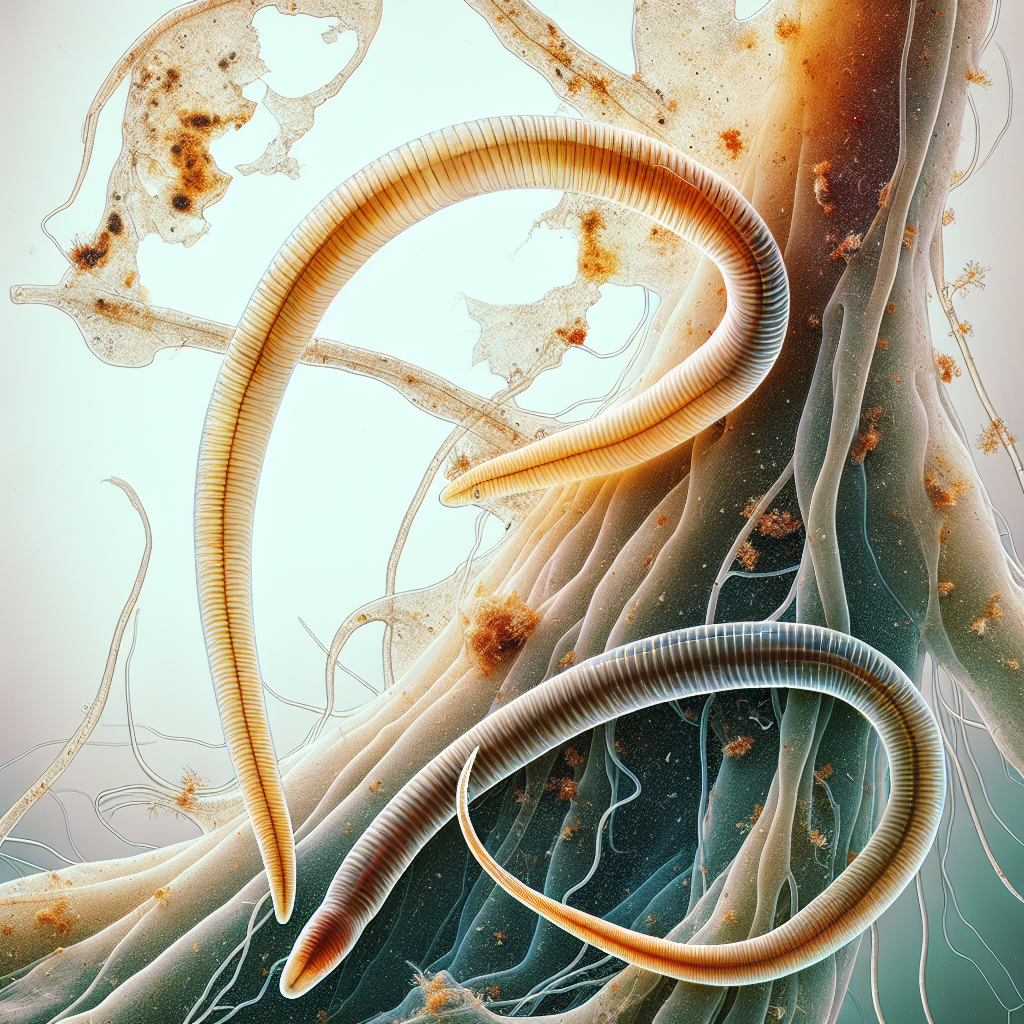
Burrowing nematodes
Burrowing nematodes (Radopholus similis) are microscopic, migratory endoparasitic worms that burrow into roots, causing severe damage to tropical and subtropical crops. They lead to root lesions, reduced nutrient uptake, and plant decline, often mimicking drought or nutrient deficiency symptoms. Effective management relies on cultural practices, resistant varieties, and organic biocontrols.
View Profile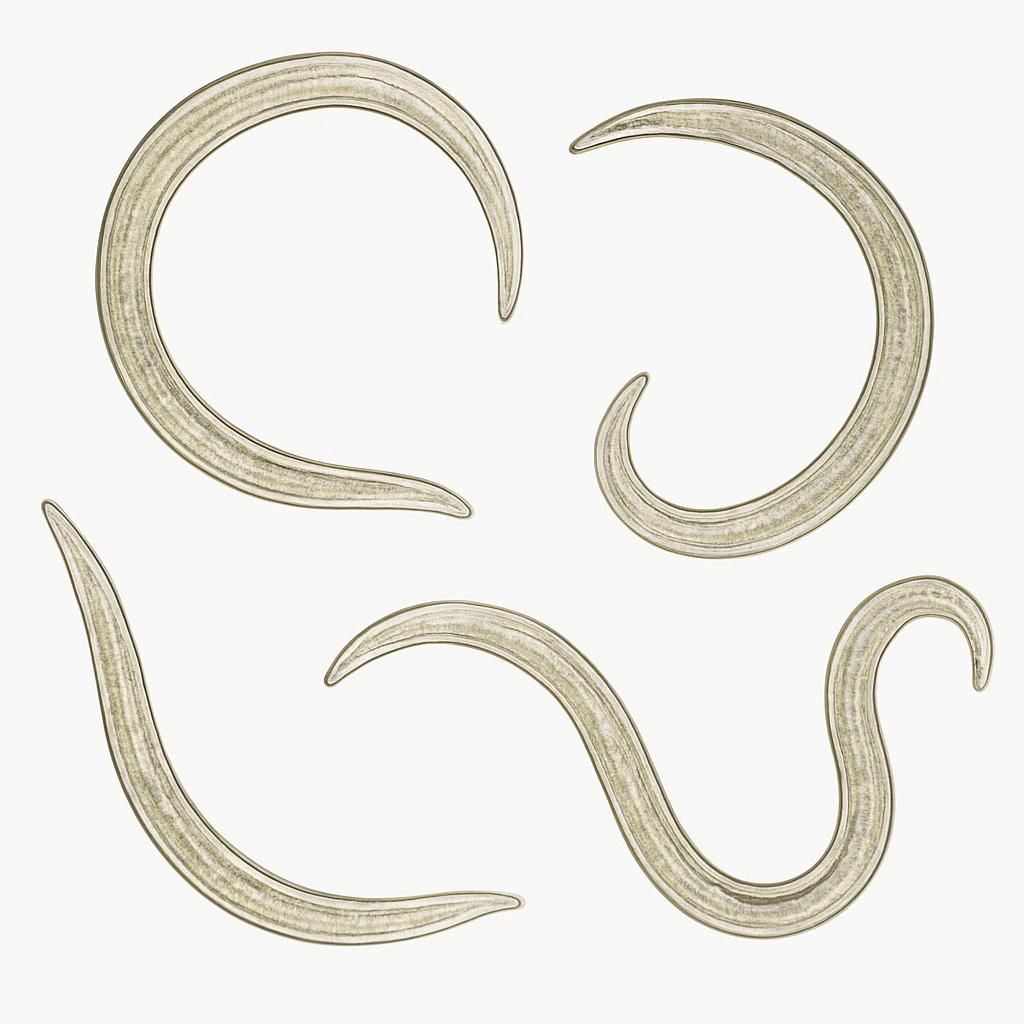
Bursaphelenchus xylophilus
Bursaphelenchus xylophilus is the pine wood nematode responsible for pine wilt disease, a lethal condition affecting susceptible pine species worldwide. It is vectored primarily by pine sawyer beetles and spreads rapidly in warm climates, causing significant economic losses in forestry and timber industries. Early diagnosis and integrated management are critical to limiting its devastating impact on pine stands.
View Profile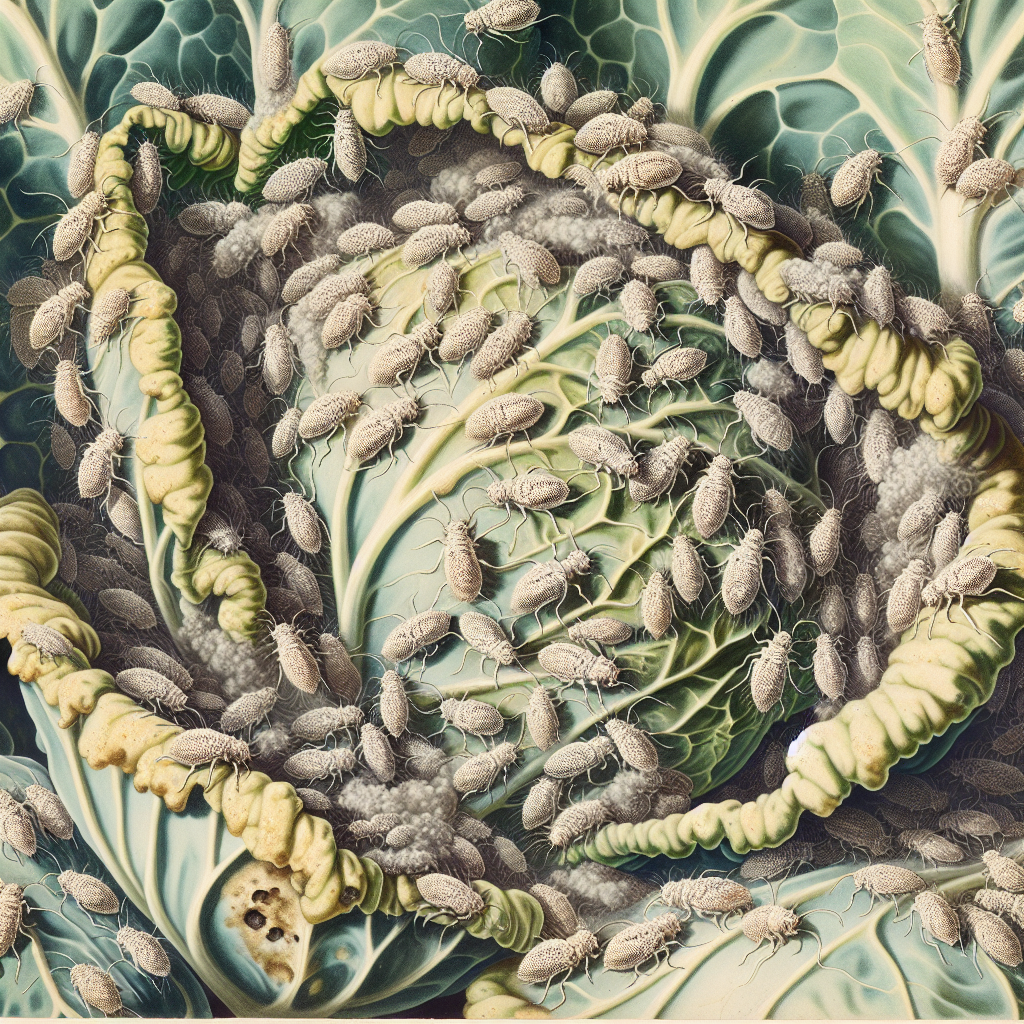
cabbage aphids
Cabbage aphids (Brevicoryne brassicae) are small, grayish-green pests that form dense colonies on brassica crops, sucking sap and causing curled leaves, stunted growth, and sooty mold. They reproduce rapidly, leading to explosive infestations if unchecked, but can be managed effectively with organic methods like beneficial insects and cultural practices. This guide provides comprehensive diagnostics, lifecycle details, and proven control strategies for farmers and gardeners.
View Profile
cabbage loopers
Cabbage loopers (Trichoplusia ni) are notorious green caterpillars that devastate leafy vegetables by chewing large holes in foliage, often leaving only veins behind. This guide provides expert diagnostics, lifecycle insights, organic management strategies, and prevention tips for farmers and gardeners. Protect your brassicas and beyond with proven agricultural techniques.
View Profile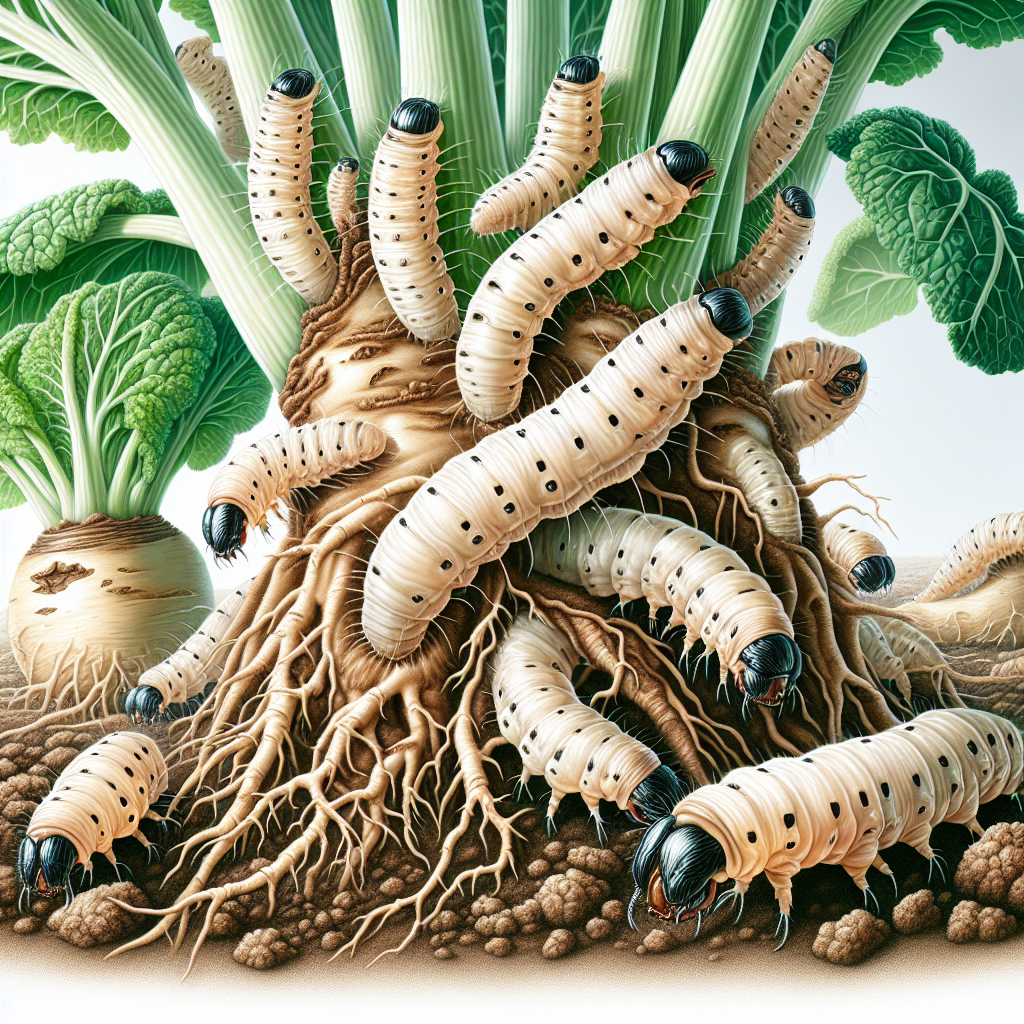
cabbage maggot larvae
Cabbage maggot larvae are the destructive white grubs of the cabbage root fly that tunnel into the roots of brassica crops, causing wilting, stunting, and plant death. This guide provides comprehensive diagnostics, lifecycle details, organic management strategies, and prevention tactics for gardeners and farmers. Effective control combines cultural practices, row covers, and beneficial nematodes to protect yields.
View Profile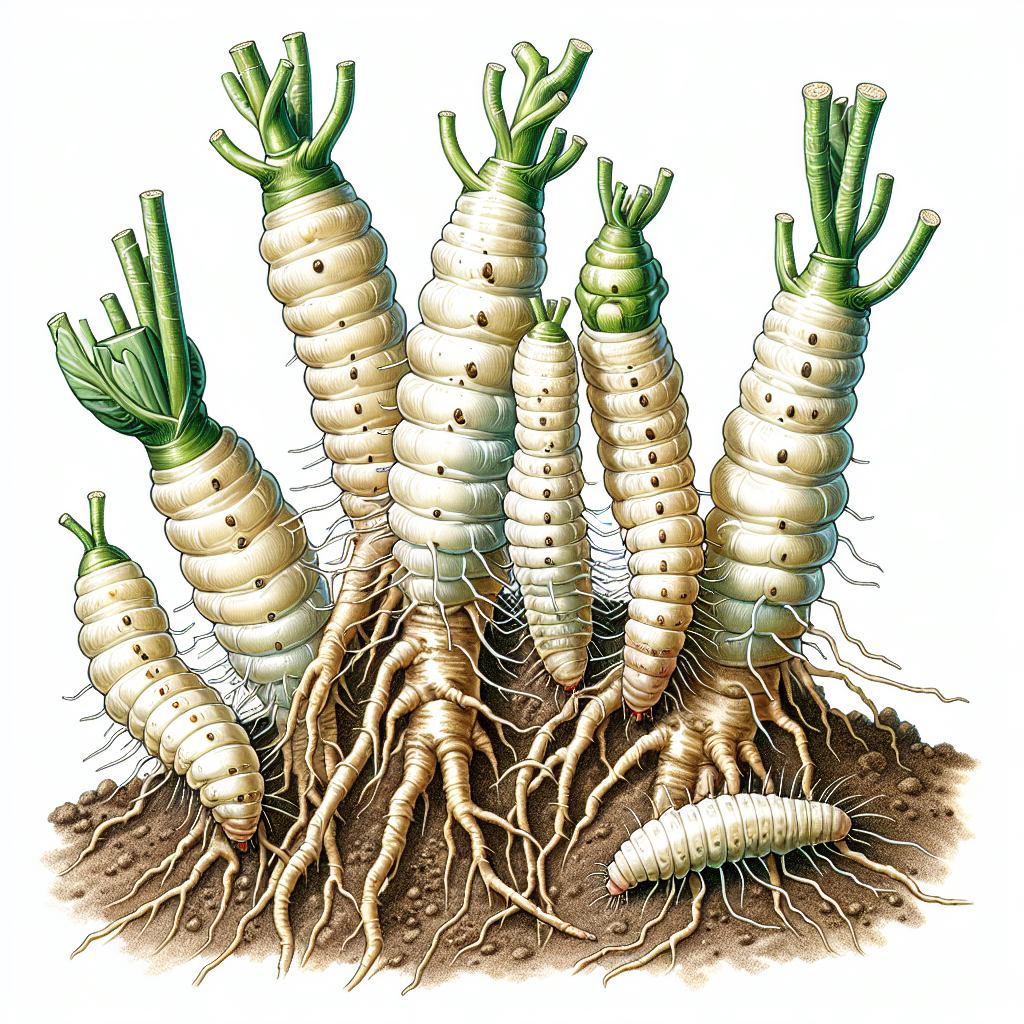
cabbage root maggot larvae
Cabbage root maggot larvae are the destructive white, legless grubs of a small fly that tunnel into the roots of cruciferous crops, causing wilting, stunting, and plant death. This pest is a major threat in cool climates, with multiple generations per season leading to significant yield losses. Effective management combines cultural practices, organic treatments, and vigilant monitoring for long-term control.
View Profile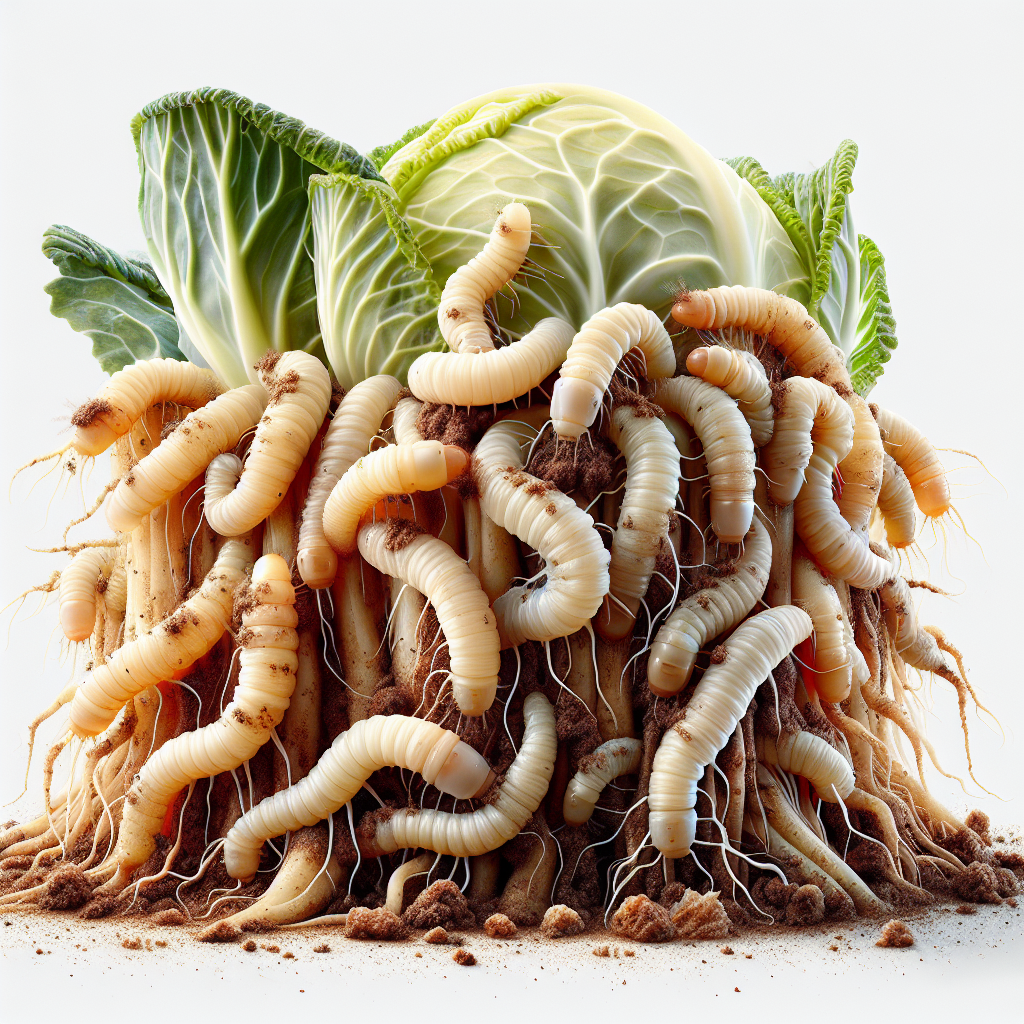
Cabbage root maggots
Cabbage root maggots are the larvae of a small fly that devastates brassica crops by burrowing into roots and stems, causing wilting and plant death. This guide provides comprehensive diagnostics, lifecycle details, organic controls, and prevention strategies for effective management. Farmers can protect yields with timely interventions and cultural practices.
View Profile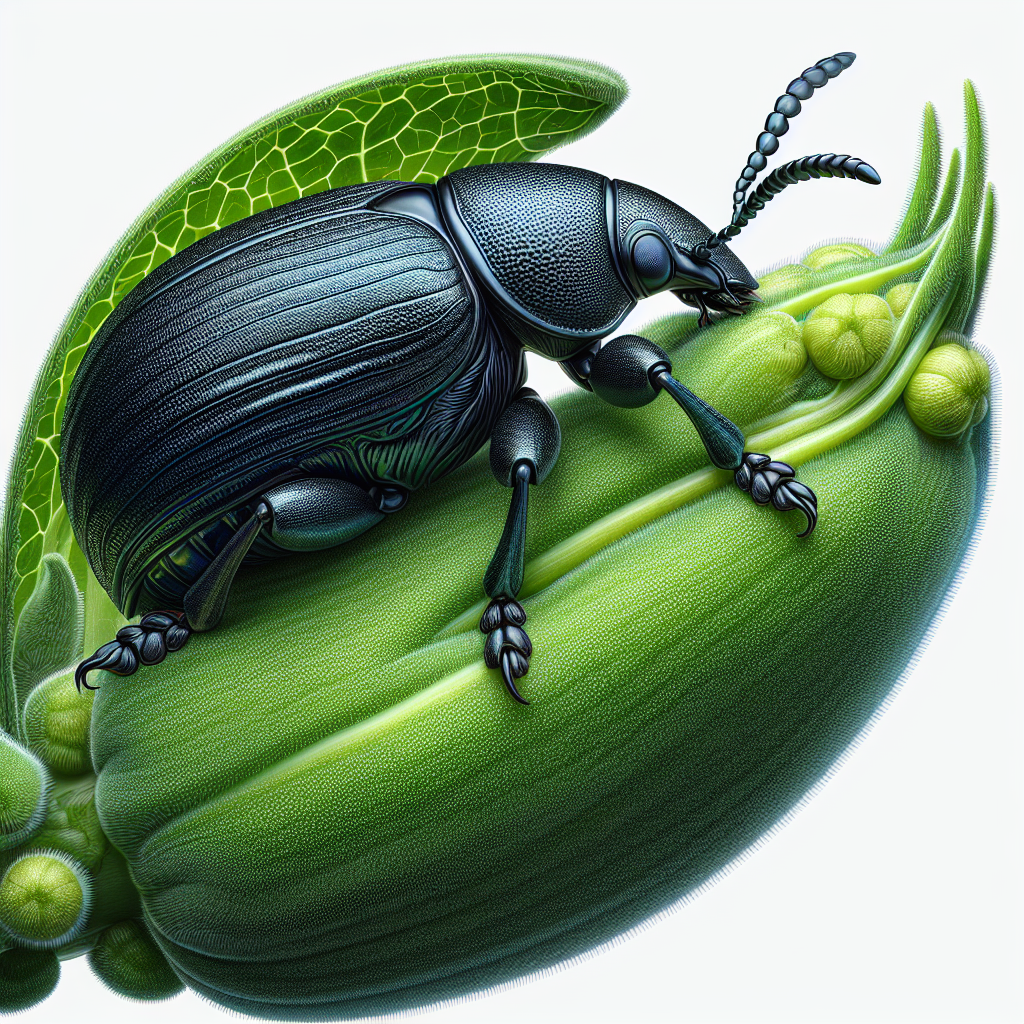
Cabbage seedpod weevil
The cabbage seedpod weevil is a small black beetle that infests brassica crops, particularly targeting seed pods and causing significant yield losses in canola and rapeseed production. Adults chew neat round holes in leaves and pods, while larvae feed internally on developing seeds, leading to pod deformation and seed destruction. Effective management combines monitoring, cultural practices, and targeted organic controls.
View Profile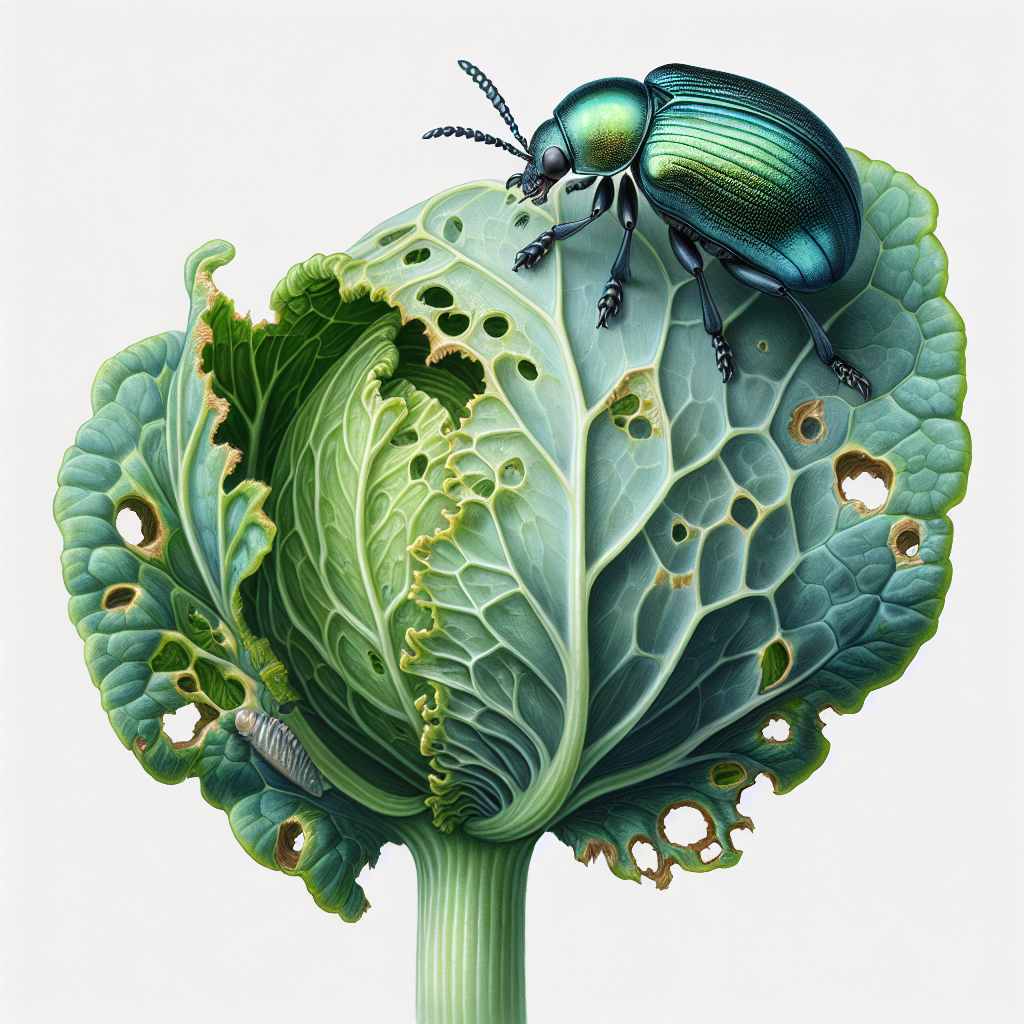
Cabbage stem flea beetle
The cabbage stem flea beetle (Psylliodes chrysocephala) is a major pest of brassica crops, notorious for devastating young seedlings by larval mining and adult shot-hole feeding. This guide provides comprehensive diagnostics, lifecycle insights, organic management strategies, and prevention tactics to protect your cabbage, oilseed rape, and related crops. Effective control hinges on early detection, cultural practices, and integrated organic methods to minimize yield losses.
View Profile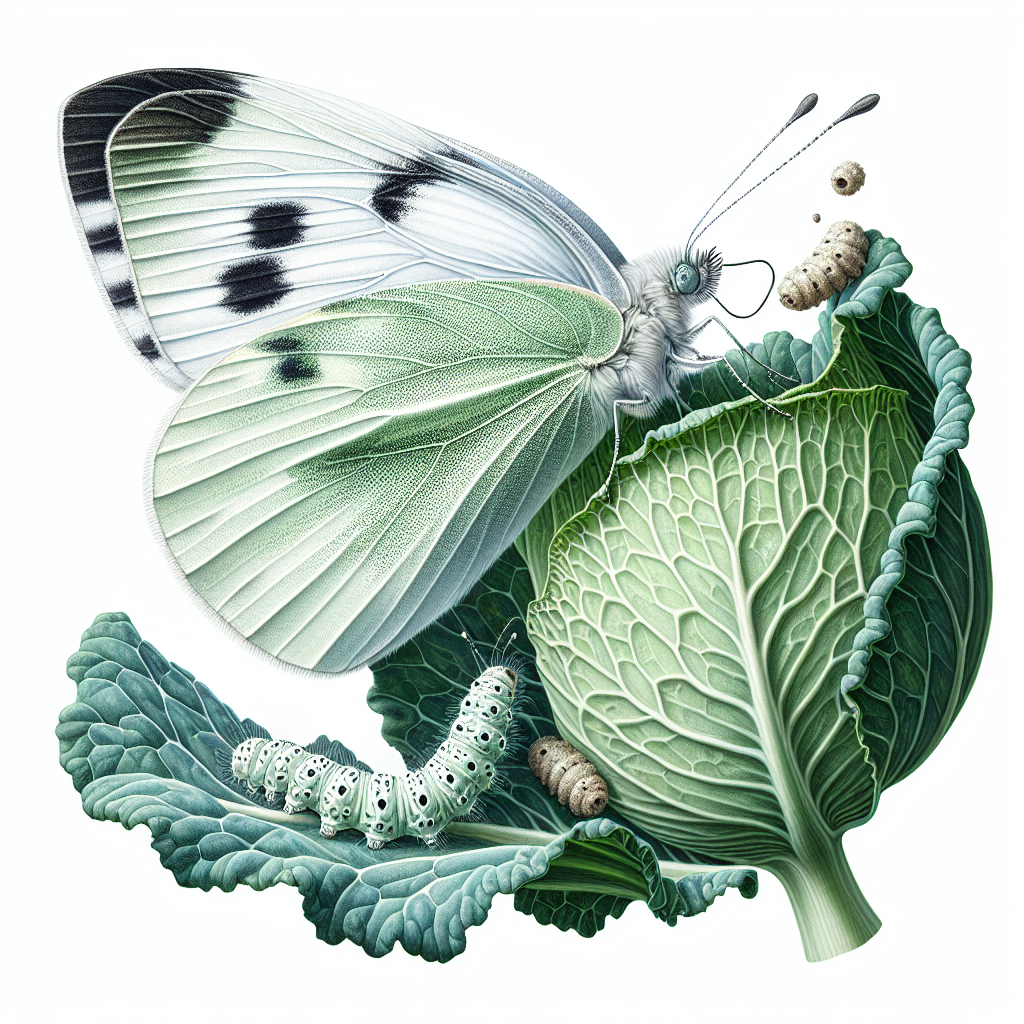
Cabbage white butterflies
Cabbage white butterflies (Pieris rapae) are common pests that lay eggs on brassica crops, with their green larvae voraciously feeding on leaves, causing significant damage to cabbage family plants. This guide provides comprehensive diagnostics, lifecycle details, organic management strategies, and prevention tips for gardeners and farmers. Effective control combines monitoring, biological controls, and cultural practices to protect yields without chemicals.
View Profile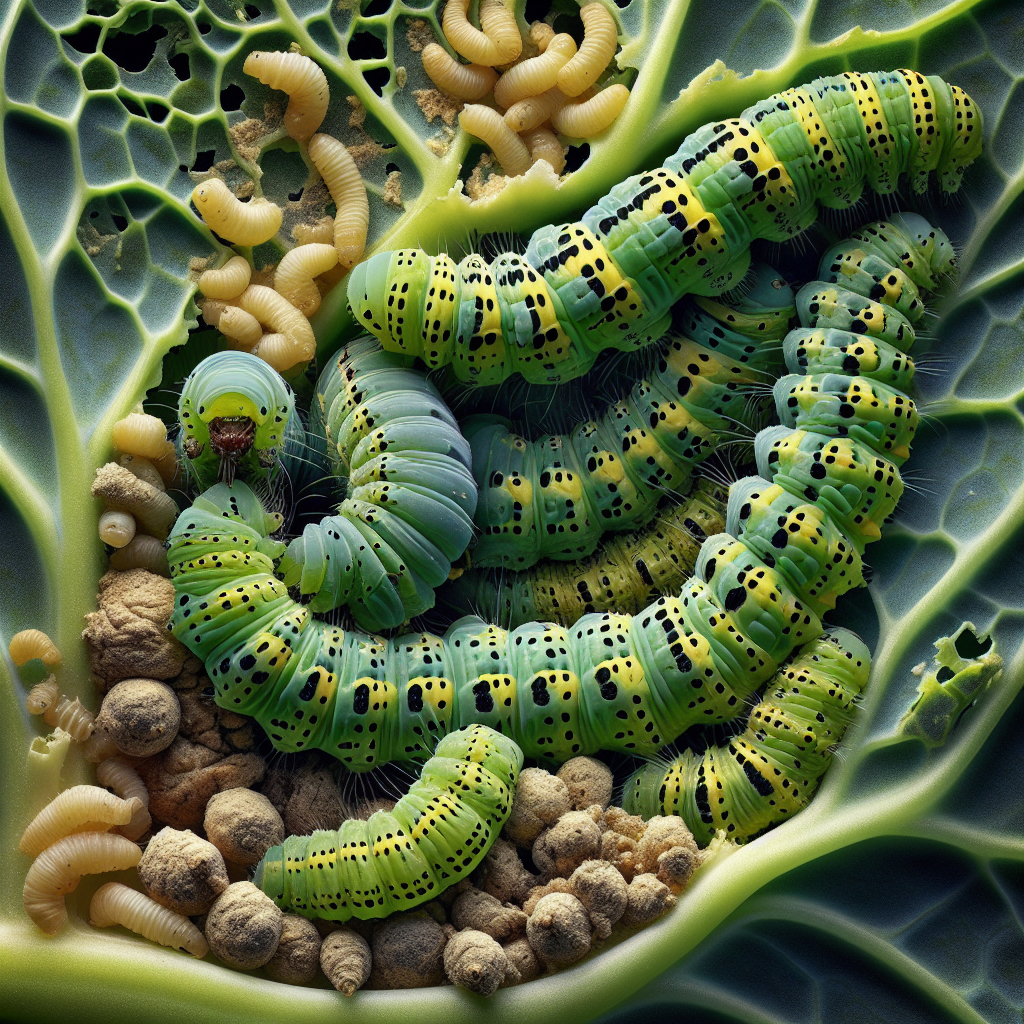
cabbage worms
Cabbage worms are the green larvae of the small white butterfly, notorious for devouring leaves of cabbage family crops, leaving severe damage if unchecked. This guide provides expert diagnosis, lifecycle insights, organic controls, and prevention strategies for gardeners and farmers. Effective management combines monitoring, natural predators, and cultural practices to protect brassica harvests.
View Profile
Cacao Pod Borers
Cacao pod borers are devastating pests of cacao crops, with larvae boring into pods causing significant yield losses. This guide provides comprehensive diagnostics, lifecycle details, organic management strategies, and prevention tactics for cacao farmers. Protect your [Cacao](/wiki/cacao) harvest with proven agricultural practices.
View Profile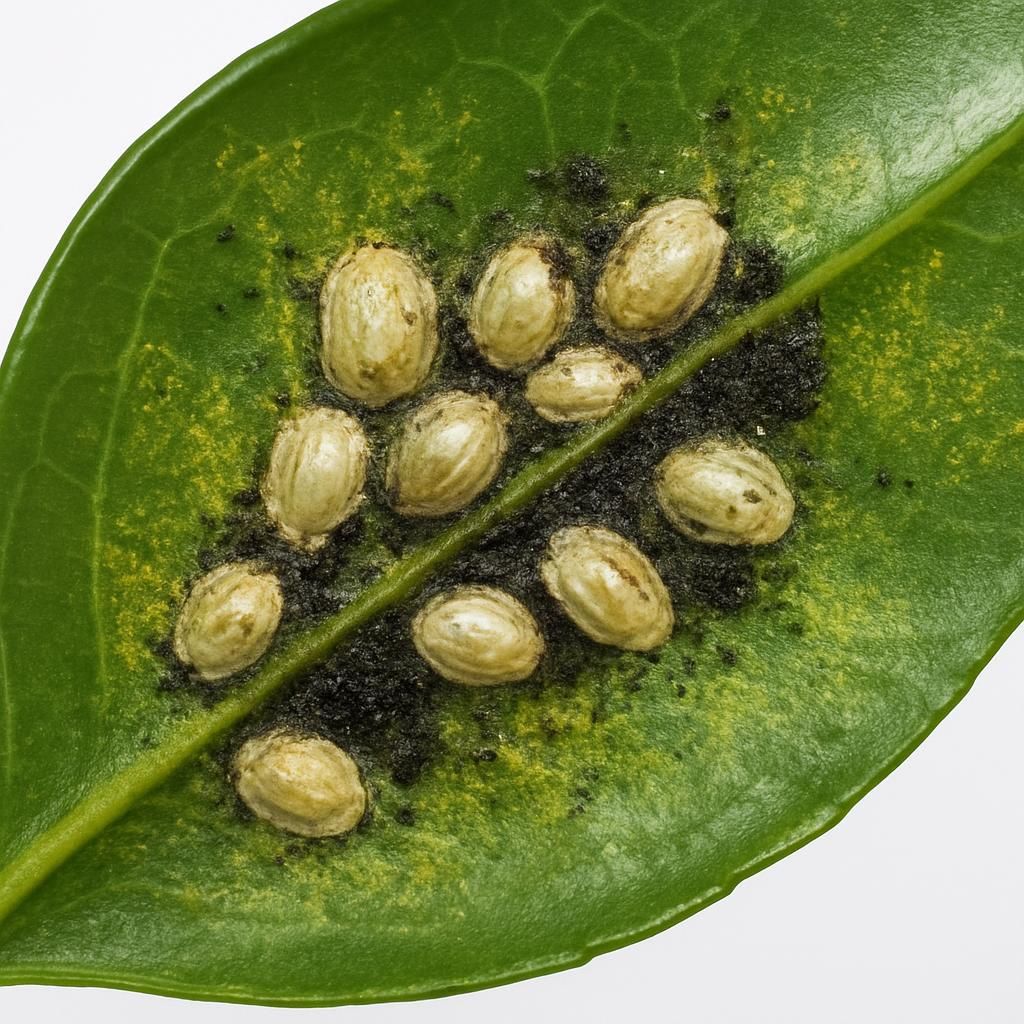
Camellia
Camellia refers to a complex of armored and soft scale insects that commonly infest Camellia species and related ornamentals. These pests cause yellowing foliage, stunted growth, and sooty mold through their feeding and honeydew excretion. Effective management combines cultural practices, biological controls, and targeted organic treatments.
View Profile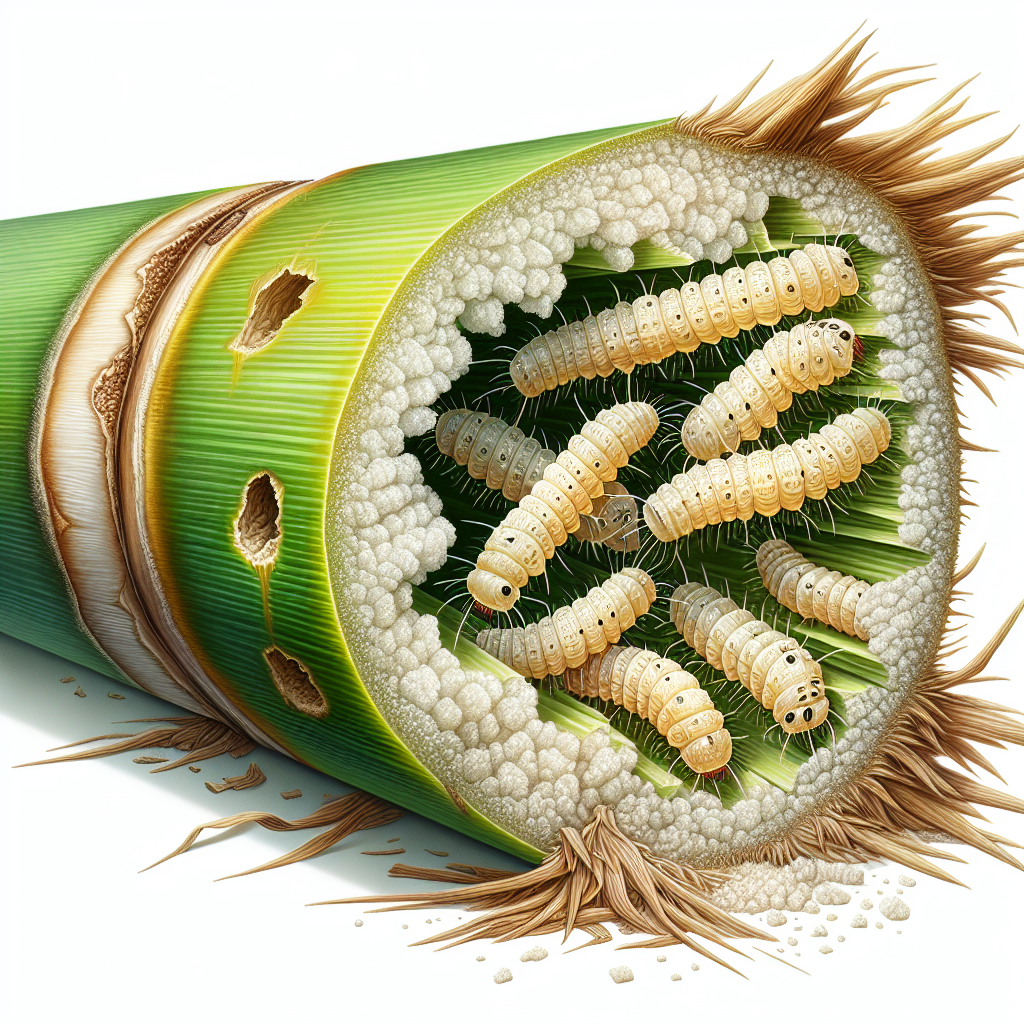
Cane borers
Cane borers are destructive larvae of beetles and moths that tunnel into the stems and canes of crops like sugarcane, raspberries, and blackberries, causing wilting, dieback, and significant yield losses. Early identification of entry holes, frass, and girdling damage is crucial for effective management. Organic control relies on cultural practices, biological agents, and targeted applications, while prevention focuses on sanitation and resistant varieties.
View Profile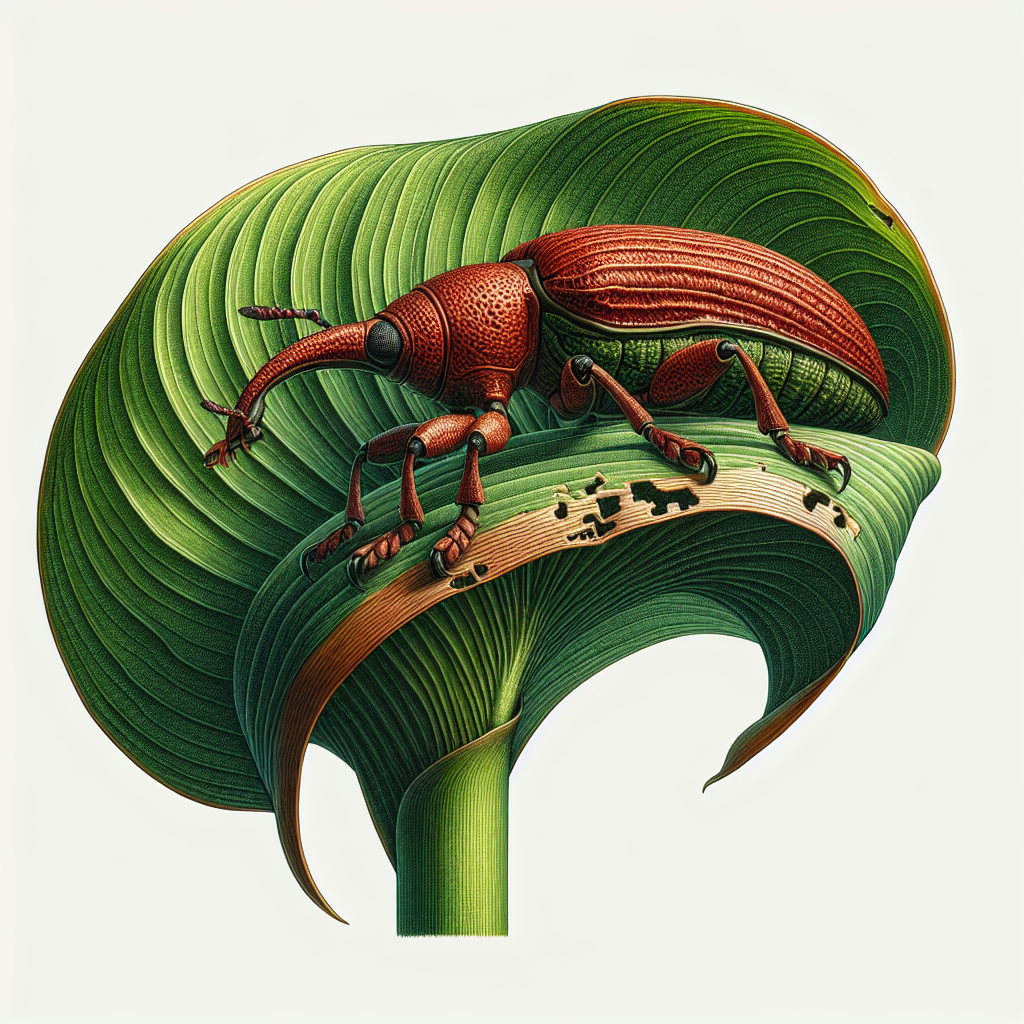
Canna Lily Weevil
The Canna Lily Weevil (Odoiporus longicollis) is a destructive beetle pest targeting canna plants, causing severe notching and tunneling damage to leaves and stems. Native to Southeast Asia, it has spread to tropical and subtropical regions, leading to significant ornamental and crop losses. Effective management combines vigilant scouting, organic treatments like neem oil, and cultural practices for prevention.
View Profile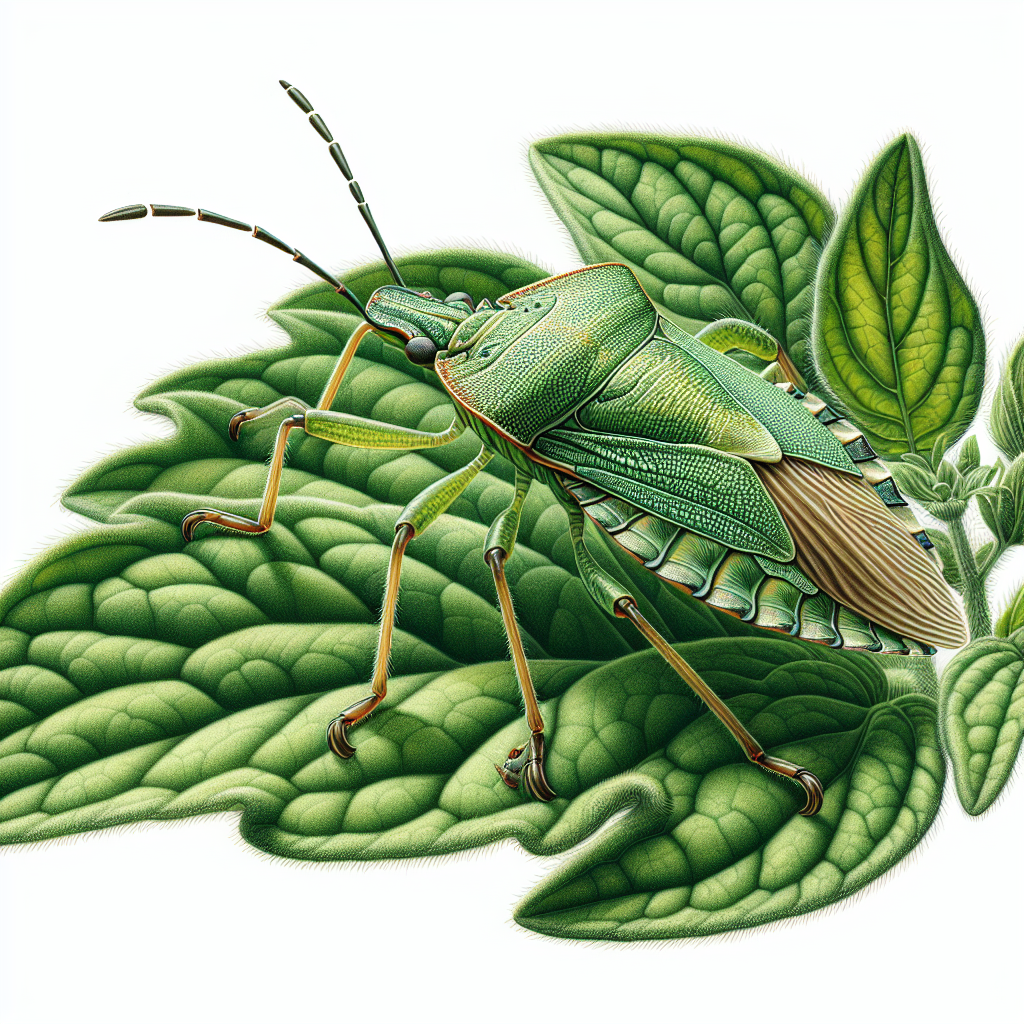
capsids
Capsids, also known as plant bugs or mirids, are small insects that cause significant damage to crops by feeding on tender shoots, buds, and fruits, leading to deformed growth and reduced yields. This guide provides comprehensive diagnostics, lifecycle insights, organic management strategies, and prevention tips for farmers battling these pervasive pests. Effective control combines monitoring, cultural practices, and biological agents to protect high-value crops.
View Profile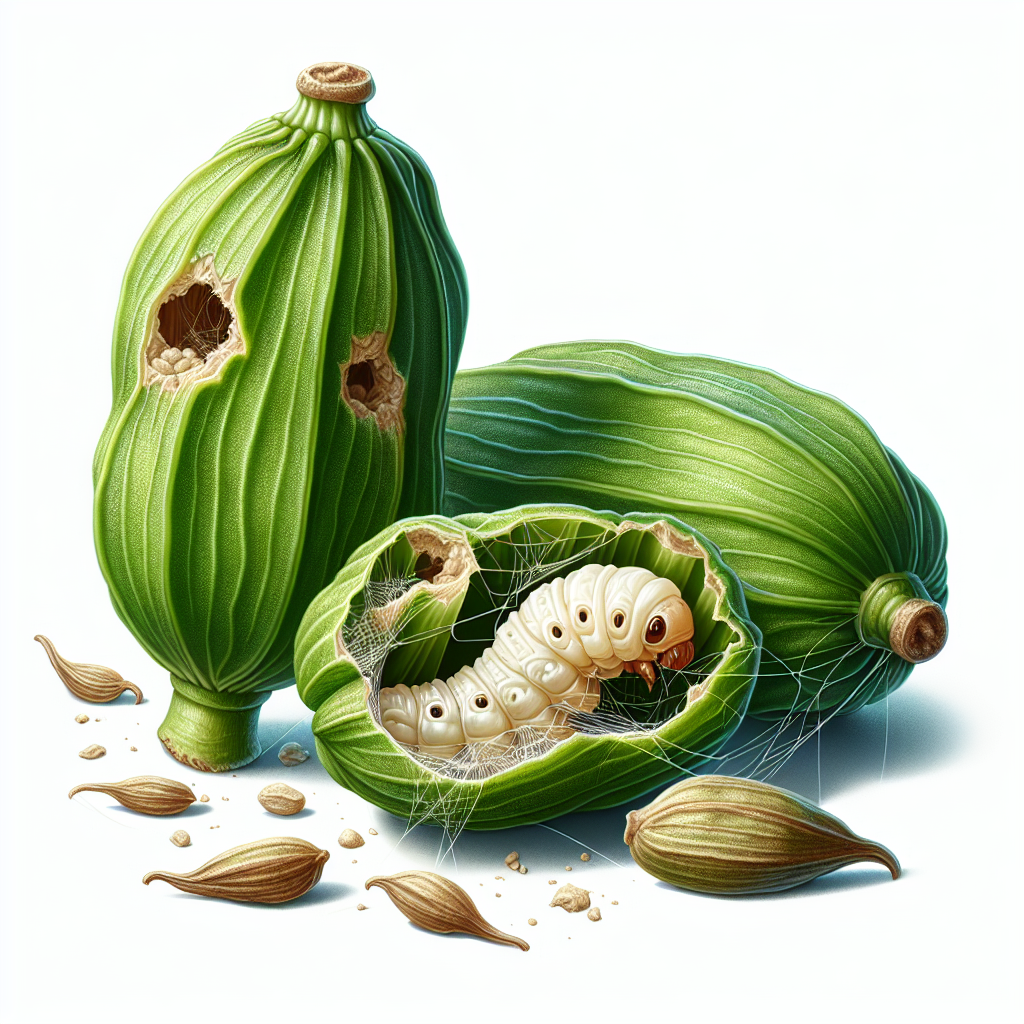
capsule borers
Capsule borers are destructive moth larvae that tunnel into fruit capsules, flowers, and young pods of various crops, causing significant yield losses in tropical and subtropical agriculture. Primarily affecting crops like cardamom, cotton, and soybean, these pests are managed through integrated organic strategies including biological controls and cultural practices. Early detection and prevention are key to minimizing damage from this pervasive pest.
View Profile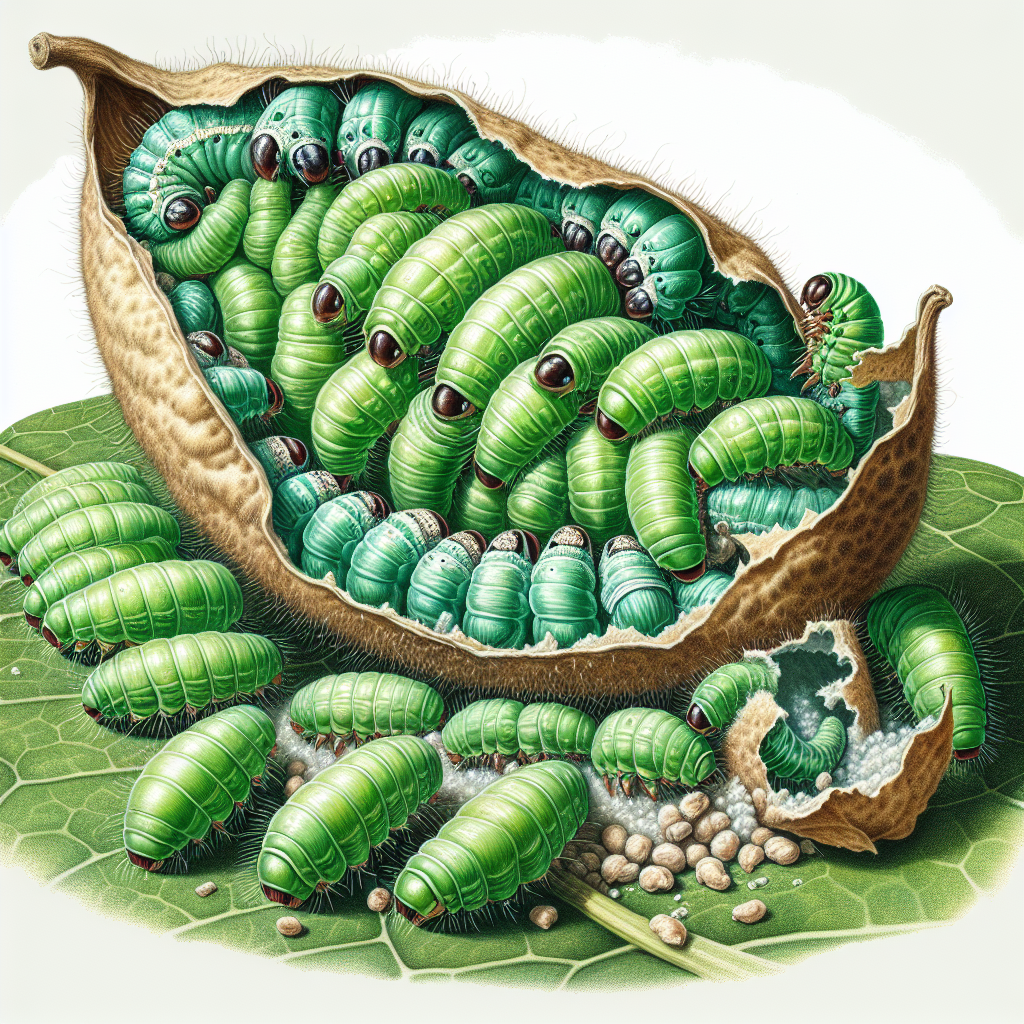
Capsule Feeders
Capsule feeders are destructive larval pests that target seed pods, capsules, and fruits of various crops, hollowing out contents and causing significant yield losses. Primarily caterpillars from moths like bollworms and armyworms, they thrive in warm, humid conditions and can devastate legume and solanaceous crops. Effective management combines cultural practices, biological controls, and targeted organic treatments for sustainable suppression.
View Profile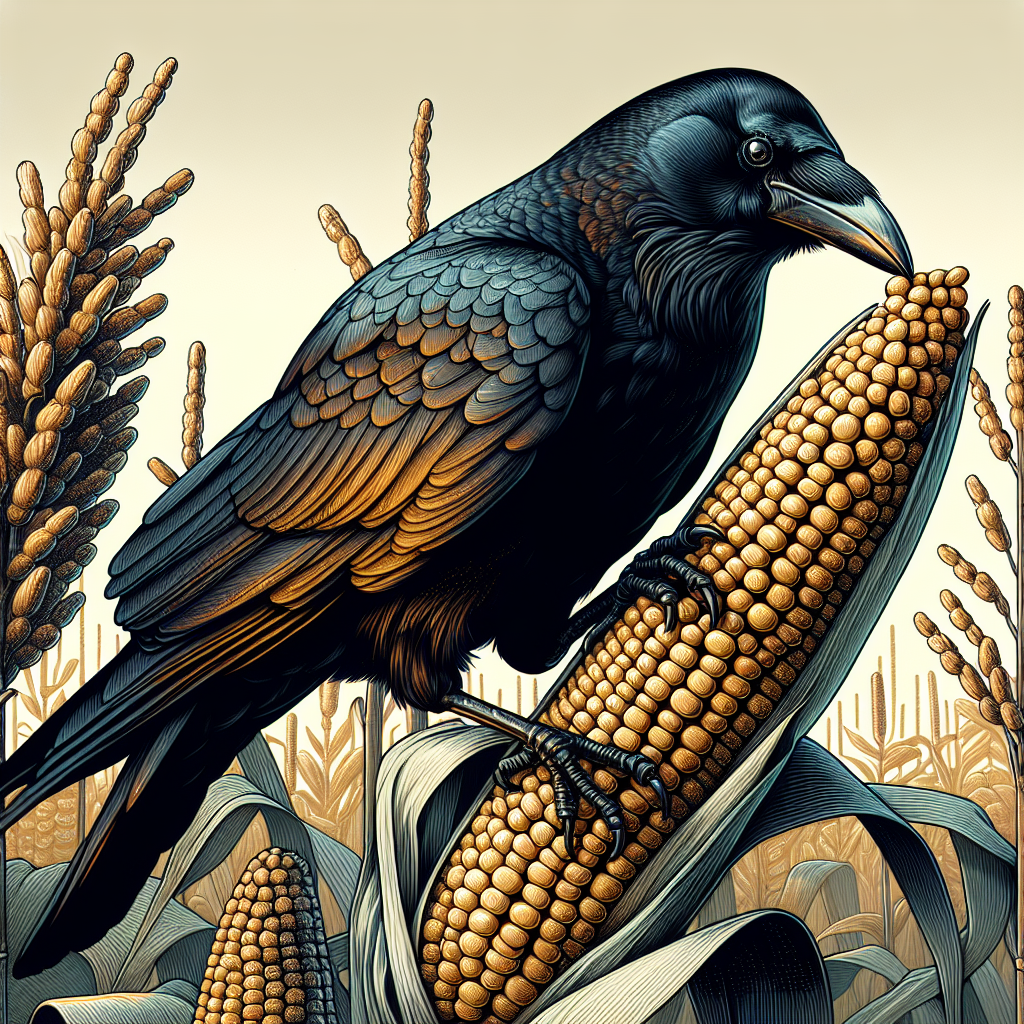
Carrion Crow
The Carrion Crow (Corvus corone) is a highly intelligent bird species notorious in agriculture for raiding crops, scattering seeds, and damaging fruits. This guide provides farmers with diagnostic tools, lifecycle insights, organic management strategies, and prevention tactics to minimize losses from crow infestations. Effective control combines cultural practices, deterrents, and habitat modifications for sustainable crop protection.
View Profile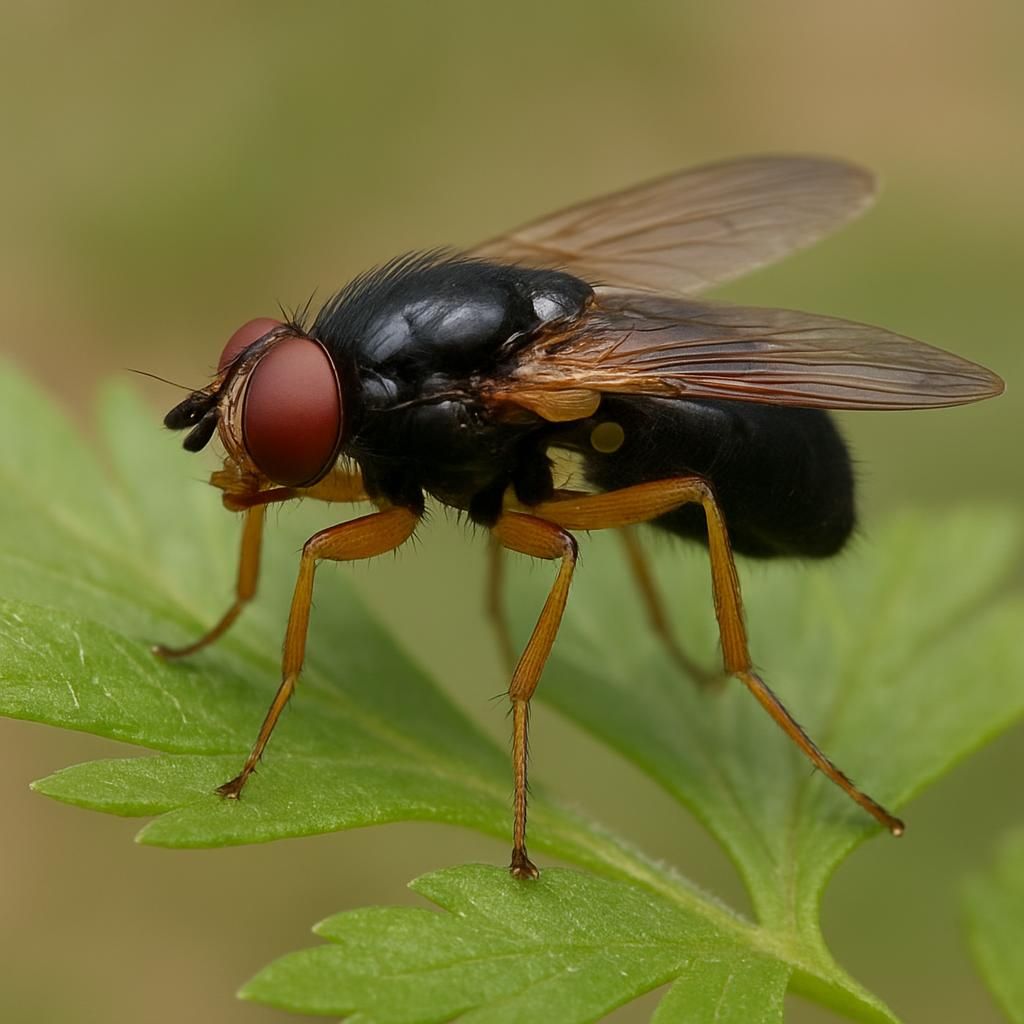
carrot fly
The carrot fly is a major root crop pest that lays eggs near carrot plants; larvae tunnel into roots causing severe damage and rendering crops unmarketable. Effective management requires understanding its lifecycle, monitoring, and integrated cultural and organic controls. This guide covers diagnosis, prevention, and treatment for sustainable carrot production.
View Profile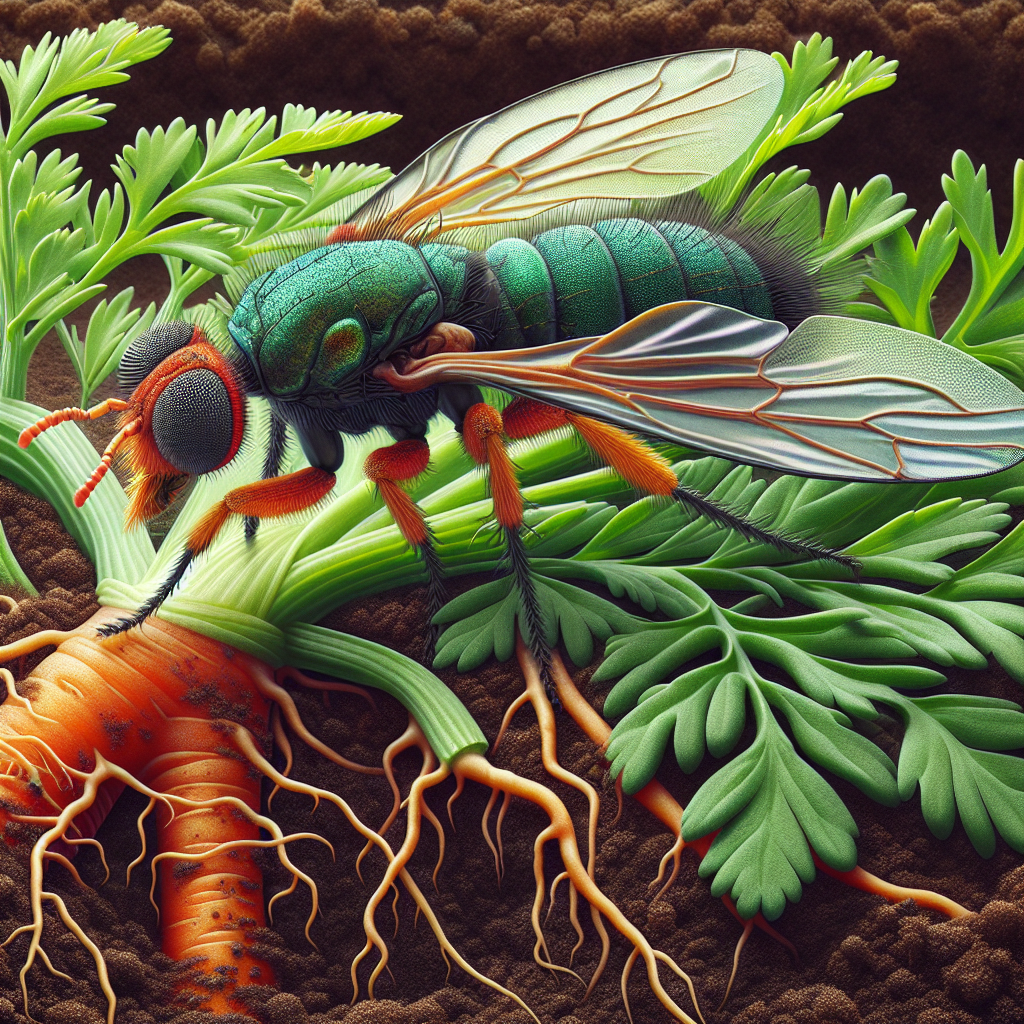
Carrot rust fly
The carrot rust fly (Psila rosae) is a notorious root-feeding pest that tunnels into carrots, parsnips, and related crops, causing significant yield losses through larval damage and secondary rot infections. Adult flies are metallic green-black with reddish head markings, emerging in spring to lay eggs at the plant base. Effective management combines cultural practices, row covers, and targeted organic treatments to break the pest's lifecycle.
View Profile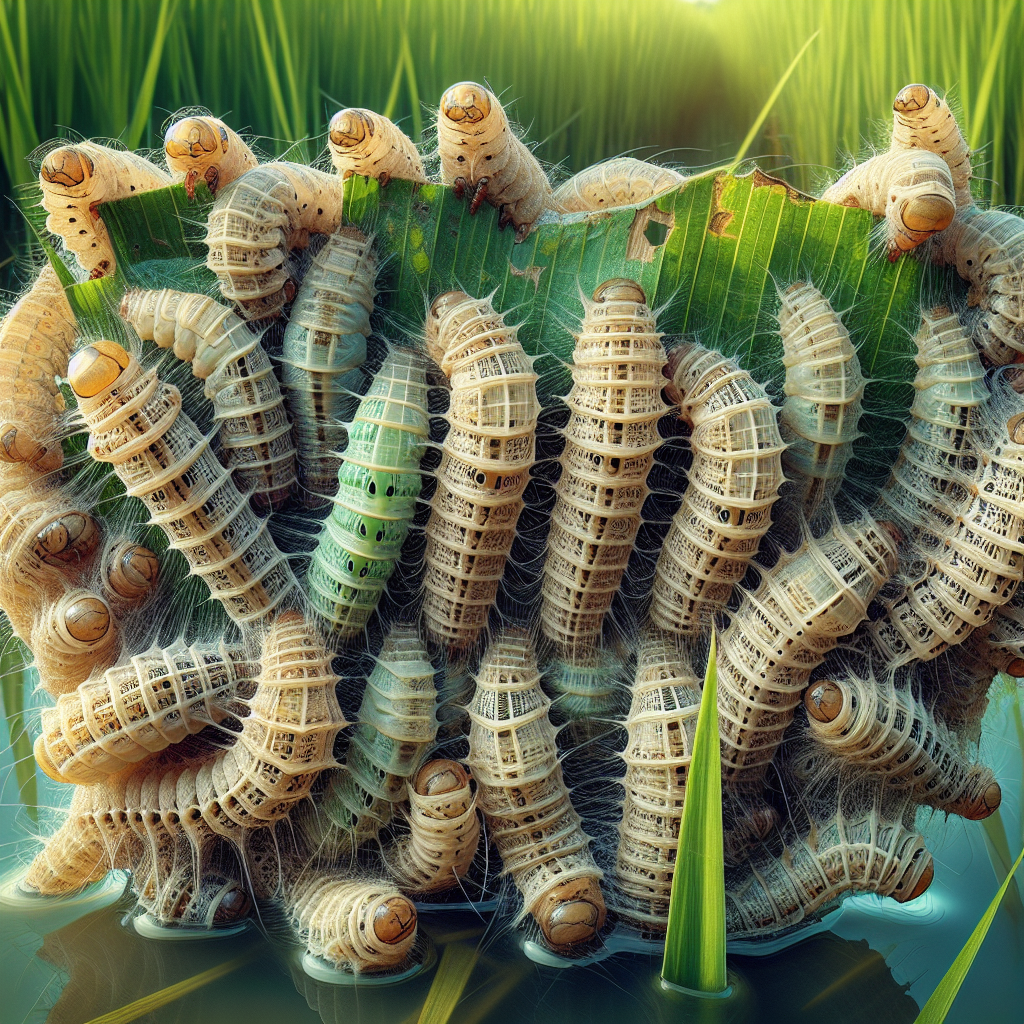
Caseworms
Caseworms are aquatic moth larvae that construct protective cases from plant materials, severely damaging rice and other aquatic crops by feeding on leaves and stems. This guide provides comprehensive diagnostics, lifecycle insights, organic management strategies, and prevention tips for effective control. Farmers can minimize losses through timely scouting and integrated pest management practices.
View Profile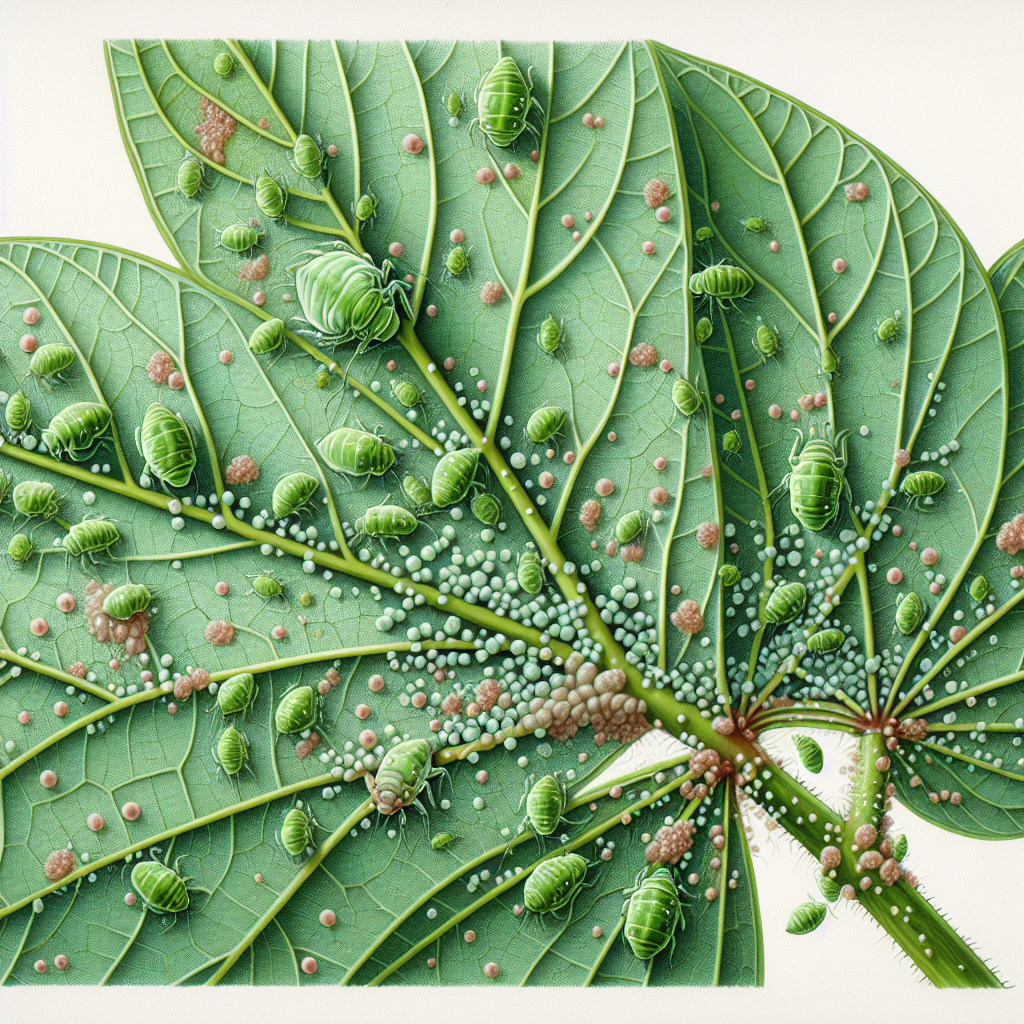
Cassava green mite
The cassava green mite (Mononychellus tanajoa) is a tiny arachnid pest that severely impacts cassava crops by feeding on leaves, causing chlorosis, reduced photosynthesis, and up to 100% yield loss in severe infestations. Native to South America, it has spread across Africa and Asia, thriving in dry conditions. Effective management combines resistant varieties, biological controls, and cultural practices for sustainable control.
View Profile