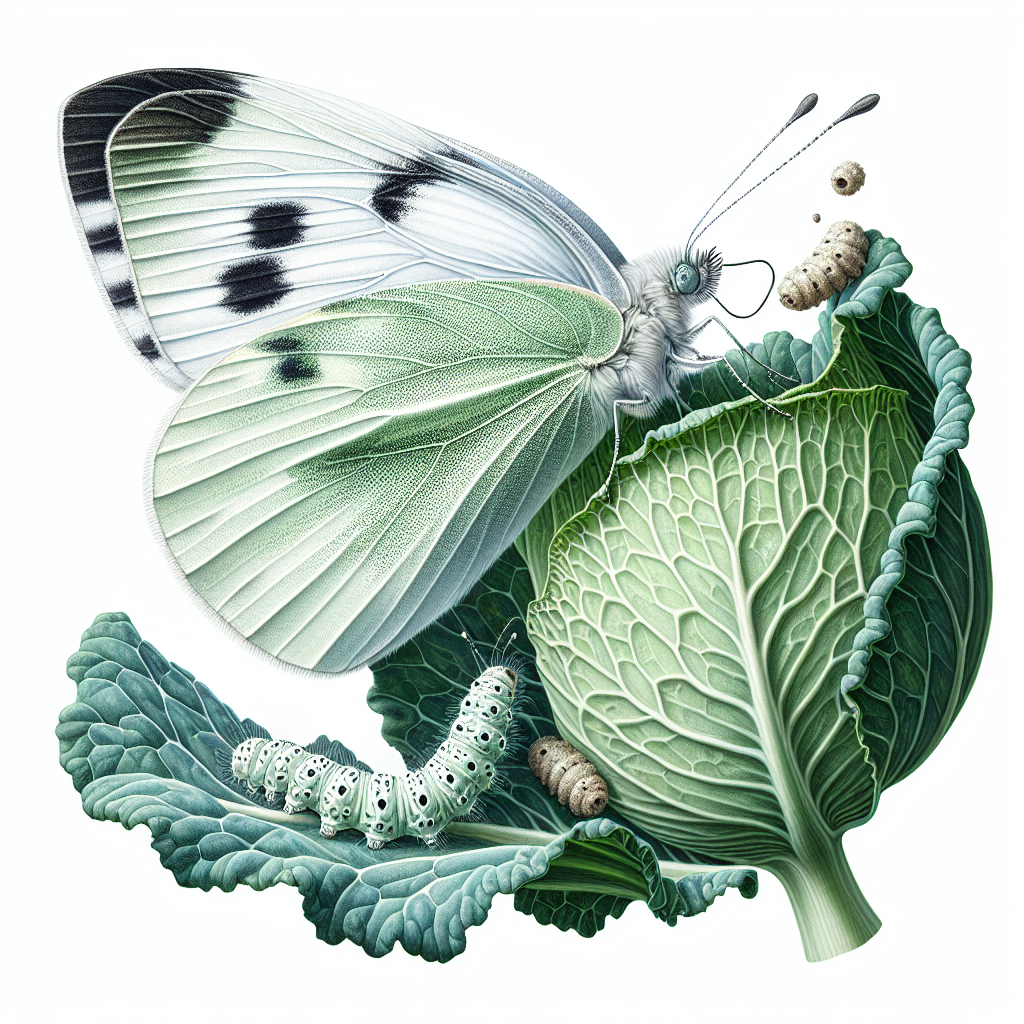
Introduction to Cabbage white butterflies
Cabbage white butterflies, scientifically known as Pieris rapae, are among the most notorious pests affecting vegetable gardens and commercial brassica crops worldwide. Native to Europe, Asia, and North Africa, these butterflies have spread globally, becoming a persistent challenge for growers of cabbage, broccoli, kale, and related plants. Adult butterflies are medium-sized with white wings featuring black tips and distinctive black spots, while the real damage comes from their pale green larvae, commonly called cabbage worms.
These pests thrive in temperate climates, with multiple generations per season, making them a year-round threat in suitable conditions. Early detection is crucial, as unchecked infestations can defoliate plants rapidly, reducing photosynthesis and marketable yield. This definitive guide equips agricultural professionals, home gardeners, and small-scale farmers with practical, evidence-based strategies for identification, management, and prevention. By understanding their biology and implementing integrated pest management (IPM), you can minimize losses and maintain healthy crops. For more on brassica cultivation, see our detailed guide on Cabbage.
Identifying Symptoms & Damage
Recognizing cabbage white butterfly damage early prevents severe crop loss. Adult butterflies lay clusters of yellow eggs on the undersides of leaves, particularly on young, tender brassica foliage. These eggs hatch into small green caterpillars with a velvety texture and faint yellow stripes, often camouflaged against leaves.
Key Symptoms:
- Leaf holes and skeletonization: Larvae chew large, irregular holes in leaves, often leaving only the veins intact. Severe feeding creates a lacy appearance.
- Fecal pellets (frass): Dark green, granular droppings accumulate on leaves and soil below, a telltale sign.
- Silk webbing: Older larvae may spin loose webs over feeding areas.
- Stunted growth: Heavy infestations cause wilting, yellowing, and reduced head formation in cabbage or bolting in kale.
- Entry wounds for diseases: Chewed leaves allow pathogens like clubroot or bacterial infections to enter.
Damage is most evident on outer leaves first, progressing inward. Scout plants weekly by flipping leaves and checking stems. Use a hand lens to spot eggs (pinhead-sized, ridged). Differentiate from similar pests like cabbage loopers, which have no prolegs and move in a looping motion, or diamondback moth larvae, which are smaller and wiggle violently when disturbed. Yield losses can exceed 50% in unmanaged fields, emphasizing vigilant monitoring.
Lifecycle and Progression of Cabbage white butterflies
Understanding the lifecycle of Pieris rapae is essential for timing interventions. This holometabolous insect completes its cycle in 3-6 weeks, depending on temperature, with 2-4 generations per year in temperate zones.
- Egg Stage (4-7 days): Females lay 300-400 pale yellow, barrel-shaped eggs in batches of 20-100 on leaf undersides. Eggs darken before hatching.
- Larval Stage (2-3 weeks): Five instars; neonates are tiny (1mm), growing to 3cm. They feed voraciously, molting four times. Frass production peaks here.
- Pupal Stage (10-14 days): Larvae pupate on leaves, stems, or debris, forming a chrysalis (green or brown, 2cm long). Non-feeding stage.
- Adult Stage (1-3 weeks): Butterflies emerge, mate within days, and females seek host plants. Lifespan allows 1-2 egg-laying cycles.
Overwintering occurs as pupae on plant debris or structures. Warm springs (above 15°C/59°F) trigger early flights. Track local sightings via apps or traps to predict peaks. For companion planting tips to disrupt cycles, check Spring Pest Patrol: Organic AI Strategies to Shield Your Crops from Common Invaders.
Environmental Triggers & Risk Factors
Cabbage white butterflies flourish under specific conditions, making certain farms more vulnerable.
Key Triggers:
- Temperature: Optimal 18-25°C (64-77°F); activity surges above 10°C (50°F).
- Host Availability: Proximity to weedy brassicas like wild mustard amplifies pressure.
- Wind and Migration: Adults are strong fliers, dispersing via winds up to 10km.
- Soil and Moisture: Moist, fertile soils support lush brassica growth, attracting egg-laying.
Risk Factors: Monoculture brassica fields, delayed planting into peak flight periods (late spring/summer), and nearby overwintering sites (fences, weeds). Poor sanitation leaves pupae. Climate change extends seasons, increasing generations. High nitrogen fertilizers promote tender leaves preferred by larvae. Overlaps with other pests like aphids compound issues. Mitigate by diversifying crops and monitoring weather.
Organic Control & Treatment Plans
Organic management emphasizes IPM: prevention, monitoring, and layered controls. Avoid broad-spectrum pesticides to preserve beneficials.
1. Cultural Controls:
- Hand-pick eggs/larvae weekly; drop into soapy water.
- Till soil post-harvest to expose pupae to predators.
- Use row covers (fine mesh) from transplant until flowering.
2. Biological Controls:
- BTI (Bacillus thuringiensis var. kurstaki): Spray on leaves evenings; targets larvae specifically (e.g., Dipel, Thuricide). Reapply after rain.
- Predators: Release trichogramma wasps (egg parasitoids), lacewings, or ladybugs.
- Nematodes: Steinernema carpocapsae for soil-dwelling pupae.
3. Physical Barriers and Traps:
- Yellow sticky traps for adults (1-2 per 10m²).
- Pheromone traps disrupt mating.
4. Botanical Sprays:
- Neem oil or spinosad (OMRI-listed); apply at dusk to avoid bees.
- Garlic/pepper sprays as repellents.
Treatment Plan:
- Week 1: Scout, remove visible pests, install covers/traps.
- Week 2-4: Apply BTI every 5-7 days; release beneficials.
- Monitor thresholds: 1 egg mass/plant or 5% defoliation. Success rates exceed 80% with consistency. Rotate with non-hosts like tomato.
Preventing Cabbage white butterflies in the Future
Long-term prevention breaks the lifecycle and reduces immigration.
- Crop Rotation: Avoid brassicas in same spot for 2-3 years.
- Sanitation: Destroy crop residue; flame-weed margins.
- Resistant Varieties: Plant 'rejector' brassicas or collaterals like thyme borders.
- Trap Crops: Sow mustard nearby to lure butterflies.
- Timing: Plant early or late to miss peak flights.
- Habitat Enhancement: Plant nasturtium or yarrow for beneficial insects.
- Perimeter Sprays: Kaolin clay barriers.
Annual planning with local extension data ensures proactive defense. Integrate with soil health practices for resilient plants.
Crops Most Affected by Cabbage white butterflies
Primarily brassicas (Brassicaceae family):
- Cabbage, broccoli, cauliflower, kale.
- Brussels sprouts, kohlrabi, collards.
- Radish tops, turnips, mustards.
Secondary: Horseradish, nasturtium. Over 30 brassica species host them. Commercial losses hit cole crops hardest; home gardens suffer aesthetic/yield hits. Protect high-value crops first.