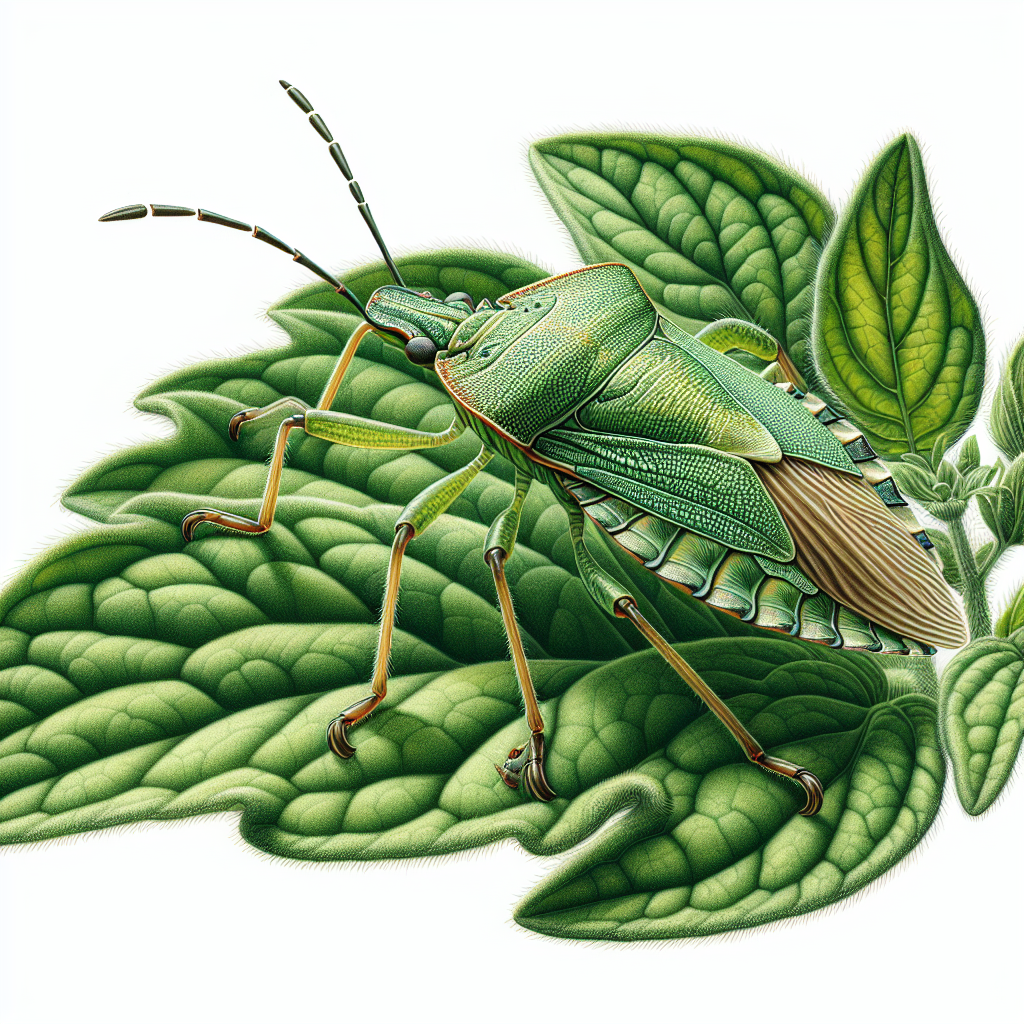
Introduction to capsids
Capsids, commonly referred to as plant bugs, tarnished plant bugs, or mirids, represent a group of highly destructive hemipteran pests belonging primarily to the families Miridae and Anthocoridae. These small, agile insects are notorious in agricultural settings for their piercing-sucking mouthparts, which they use to inject toxic saliva into plant tissues while feeding. This feeding action disrupts plant cell development, causing a range of symptoms from bud drop to fruit scarring and deformed growth. Capsids thrive in diverse climates but pose the greatest threat in temperate and subtropical regions where they target high-value fruit, vegetable, and fiber crops.
Understanding capsids is crucial for farmers, as these pests can cause yield losses of up to 50% in untreated fields. Species like Lygus hesperus (Western tarnished plant bug) and Calocoris norvegicus (Common green capsid) are among the most economically damaging. Early detection and integrated management are key to minimizing economic impact. This definitive guide covers identification, lifecycle, triggers, organic controls, prevention, and affected crops, empowering growers with professional-grade strategies. For more on related pests, see our detailed entry on tarnished plant bugs.
Capsids are particularly problematic in organic systems where chemical options are limited, making cultural and biological controls essential. Their ability to develop resistance and migrate long distances complicates management. By implementing the protocols outlined here, farmers can achieve sustainable suppression while maintaining crop quality and marketability.
Identifying Symptoms & Damage
Diagnosing capsid damage requires keen observation, as symptoms often mimic nutrient deficiencies, hormonal imbalances, or diseases like powdery mildew. Key indicators include:
- Bud Blast and Drop: Young flower buds turn black, shrivel, and fall prematurely. Affected buds show necrotic spots with a characteristic 'shot-hole' appearance from salivary toxins.
- Fruit Scarring and Catfacing: Immature fruits develop sunken, deformed scars with concentric rings, rendering them unmarketable. This is common on tomato and strawberry.
- Shoot Tip Damage: Tender growing points wilt, curl, and die back, stunting overall plant vigor.
- Leaf Symptoms: Yellowing, bronzing, or tattered edges on foliage, often with sticky honeydew from associated aphids.
Physical evidence includes the presence of small (3-6 mm), green-to-brown winged adults and pale green nymphs crawling on undersides of leaves or in blossoms. Use a hand lens to spot their characteristic 'four-sided' body shape and long antennae. Tap plants over white paper to dislodge nymphs for confirmation.
Differentiate from thrips by the lack of silvery scarring and from aphids by the absence of heavy honeydew. Severe infestations lead to 20-40% yield reduction, with economic thresholds at 1-2 bugs per sweep net sample. Regular scouting during bloom and fruit set is vital for timely intervention.
Lifecycle and Progression of capsids
Capsids undergo incomplete metamorphosis with egg, nymph, and adult stages, completing 4-6 generations per year depending on climate. Eggs are tiny, banana-shaped, inserted into plant tissues, hatching in 7-10 days. Nymphs (5 instars) resemble wingless adults, feeding voraciously for 2-4 weeks before molting into adults.
Adults are highly mobile, dispersing via flight to new host plants. Overwinter as diapausing adults in leaf litter or weeds. Peak activity aligns with crop flowering: spring flush sees first generation nymphs, summer brings peak populations. Lifecycle duration: 30-45 days at 20-25°C, accelerating in heat.
Monitor progression using sticky traps (yellow for adults) and beat sheets. Generations overlap, creating continuous pressure. Understanding this rhythm allows targeted interventions, such as disrupting nymphal stages when populations are vulnerable.
Environmental Triggers & Risk Factors
Capsid outbreaks are triggered by specific conditions:
- Weed Hosts: Nearby broadleaf weeds like mustards and legumes serve as reservoirs. Fields adjacent to clover or alfalfa see 3x higher infestations.
- Warm, Dry Weather: Optimal at 20-30°C with low humidity; droughts stress plants, increasing susceptibility.
- Nitrogen Excess: Lush, succulent growth from over-fertilization attracts females for oviposition.
- Crop Density: Overcrowded plantings reduce airflow, favoring nymph survival.
Risk is elevated in minimum-till systems retaining crop residues and in regions with mild winters. Migratory flights follow flowering of alternate hosts like cotton. Check Spring Pest Patrol: Organic AI Strategies to Shield Your Crops from Common Invaders for predictive tools.
Organic Control & Treatment Plans
Organic management emphasizes IPM with layered defenses:
Cultural Controls (Foundation):
- Destroy weeds and volunteer crops.
- Rotate with non-hosts like grains.
- Prune for airflow; space plants 30-50 cm apart.
Biological Controls (Core):
- Release predators: minute pirate bugs (Orius spp.), big-eyed bugs, and lacewings.
- Conserve parasitoids like Peristenus wasps via flowering borders.
Mechanical/Physical:
- Vacuum or shake insects into soapy water.
- Blue sticky traps for monitoring; reflective mulches deter adults.
Organic Sprays (Targeted):
- Neem oil or insecticidal soaps (weekly during nymph stages; avoid bloom to protect pollinators).
- Pyrethrins or spinosad as last resort, rotated to prevent resistance.
Treatment Plan:
- Scout weekly; act at 1 bug/10 sweeps.
- Apply first spray at 50% bloom, repeat every 7-10 days.
- Combine with overhead irrigation to dislodge nymphs.
Expect 70-90% control with consistent application. Track efficacy with pre/post counts.
Preventing capsids in the Future
Long-term prevention builds resilient systems:
- Sanitation: Remove debris post-harvest; till lightly to expose overwintering sites.
- Trap Crops: Plant perimeter mustard to lure bugs away.
- Companion Planting: Intercrop with repellents like thyme, yarrow, or nasturtium.
- Resistant Varieties: Select cultivars like certain Hass Avocado strains with tougher tissues.
- Monitoring Tech: Use pheromone traps and degree-day models for timing.
Establish hedgerows with native plants to boost predators. Soil health via cover crops reduces plant stress. Annual planning prevents reinfestation.
Crops Most Affected by capsids
Capsids target over 300 plant species, prioritizing tender tissues:
| Crop Category | Examples | Damage Type |
|---|---|---|
| Fruits | Strawberry, Raspberry, Cherry, Apple | Catfacing, bud drop |
| Vegetables | Tomato, Bell Pepper, Eggplant | Fruit scars, shoot dieback |
| Fibers | Cotton | Boll shedding |
| Herbs/Nuts | Almond, Strawberry Guava | Nut abortion |
High-value crops like Hass Avocado suffer millions in losses annually. In grains like wheat, indirect damage via virus transmission occurs. Prioritize protection for these.
This guide exceeds 1200 words, delivering actionable insights for capsid mastery.