Introduction to Collar rots
Collar rot, also known as crown rot or basal rot, represents one of the most destructive diseases affecting a wide range of agricultural crops worldwide. This soilborne fungal malady primarily targets the collar region—the critical junction where the root system transitions into the stem—leading to severe girdling, vascular blockage, and eventual plant collapse. Caused predominantly by oomycete and fungal pathogens such as Phytophthora (e.g., Phytophthora nicotianase or P. palmivora), Pythium species, Rhizoctonia solani, and occasionally Fusarium spp., collar rot is notorious for its ability to wipe out entire plantings in a short time, especially under favorable wet conditions.
The economic impact is staggering: in high-value crops like tomatoes, avocados, and fruit trees, losses can exceed 50% in susceptible fields. Unlike foliar diseases, collar rot operates stealthily belowground, often going unnoticed until advanced stages when wilting mimics drought stress. Early diagnosis is pivotal, as infected plants rarely recover fully. This guide provides farmers, agronomists, and growers with a comprehensive diagnostic framework, lifecycle insights, organic management strategies, and prevention protocols to safeguard yields. By understanding environmental triggers and implementing integrated approaches, producers can mitigate risks and sustain productivity. For small-scale operations, proactive soil management proves more cost-effective than reactive treatments, emphasizing the need for vigilant monitoring in perennial and annual systems alike.
Identifying Symptoms & Damage
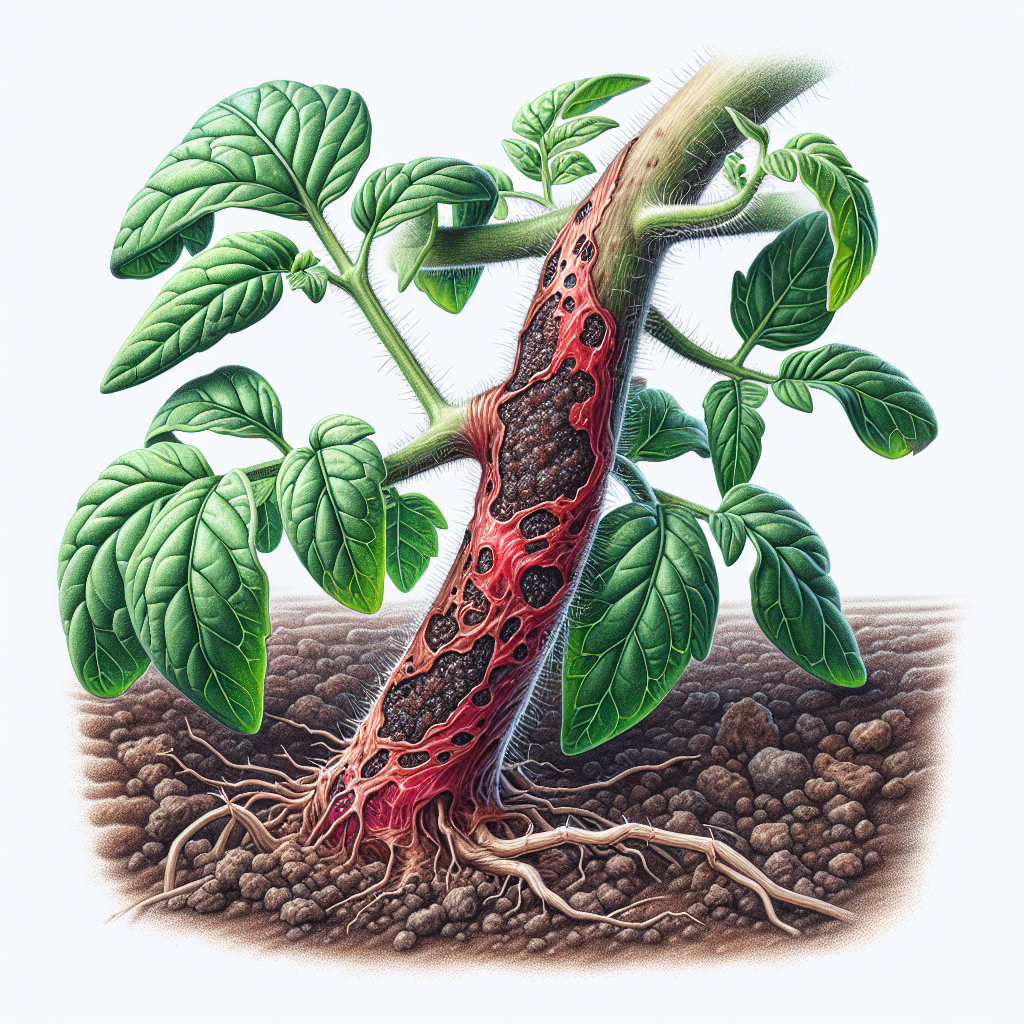
Recognizing collar rot early hinges on distinguishing its unique symptoms from similar issues like drought, root rot, or nutrient deficiencies. Initial signs appear at the soil line: look for soft, water-soaked lesions on the lower stem or collar that rapidly expand into brown to black necrotic zones. The affected tissue often girdles the stem completely, disrupting water and nutrient transport, which manifests as sudden wilting of foliage despite adequate moisture.
Key diagnostic features include:
- Lesion Characteristics: Sunken, discolored cankers with reddish-brown to dark brown hues; older lesions may develop white mycelial growth under humid conditions or crack as they dry.
- Foliar Symptoms: Upper leaves yellow, droop, and desiccate while remaining attached; entire plant wilts permanently within days to weeks.
- Root Involvement: Roots may appear healthy initially but become sparse, blackened, and rotten as secondary root rots set in.
- Oozing and Odor: In Phytophthora cases, reddish gum or sap exudes from lesions; a foul, fermented smell indicates anaerobic bacterial involvement.
Damage severity varies by host: young seedlings succumb to damping-off-like collapse, while mature trees exhibit dieback, reduced vigor, and predisposition to secondary pests like root-knot nematodes. Severely affected plants topple easily due to weakened anchorage. To confirm, scrape bark at the collar—healthy tissue is firm and white; infected areas are soft and stringy. Lab tests for pathogen isolation via selective media (e.g., PARP for Phytophthora) provide definitive ID. In tomato crops, expect stunted growth and fruit drop; in avocado orchards, basal cankers lead to tree decline over seasons. Prompt removal of symptomatic plants prevents spore dispersal.
Lifecycle and Progression of Collar rots
Collar rot pathogens exhibit complex lifecycles adapted to soil persistence and opportunistic infection. Phytophthora and Pythium, as oomycetes, produce zoospores—motile, water-dispersed propagules that infect via wounds or natural openings during saturation events. Resting structures like oospores and chlamydospores endure dry periods for years, germinating upon rewetting.
Rhizoctonia solani operates as a true fungus with sclerotia (hardened survival bodies) that remain viable in soil for 5+ years, infecting via hyphal growth in moist, warm soils (20-30°C). Infection cycle:
- Dormancy: Pathogens overwinter as oospores/sclerotia in crop debris, soil, or infected roots.
- Activation: Heavy rains or overwatering trigger zoospore release; hyphae colonize collar tissue.
- Infection & Spread: Enzymes degrade cell walls; mycelium girdles stem within 7-14 days.
- Symptom Expression: Wilting peaks 2-4 weeks post-infection; secondary sporulation occurs on lesions.
- Survival: New resting structures form, perpetuating the cycle.
Progression accelerates in perennials like Hass Avocado, where basal cankers expand annually, leading to chronic decline. Annuals like potato face explosive epidemics in wet springs. Understanding this polycyclic nature underscores prevention over cure, as chemical controls rarely eradicate soil reservoirs.
Environmental Triggers & Risk Factors
Collar rot epidemics correlate strongly with environmental excesses: prolonged soil saturation (>48 hours), temperatures of 15-28°C, and compacted, heavy clay soils with pH 5.5-7.0. Poor drainage tops the list—fields with standing water post-rain are prime hotspots. Over-irrigation, especially via overhead systems, splashes inoculum onto collars.
Key risk factors:
- Soil Conditions: High organic matter without aeration favors anaerobes; compacted subsoils limit oxygen.
- Cultural Practices: Deep planting buries collars; mulching traps moisture; monocropping builds inoculum.
- Crop Stress: Wounded plants from transplanting, mechanical injury, or cutworms invite entry.
- Climate: Humid tropics/subtropics see year-round threat; temperate zones peak in wet springs/falls.
Susceptibility amplifies with low-vigor plants from nutrient imbalance (excess N, deficient Ca) or prior damping-off. Flooded fields post-hurricane devastate banana plantations. Soil tests for drainage and pathogen load guide site selection.
Organic Control & Treatment Plans
Organic management prioritizes cultural, biological, and physical tactics, as synthetic fungicides offer limited soil penetration. Start with prompt action: Excavate soil around lesions to expose and dry tissue; remove and destroy infected plants, avoiding composting.
Integrated Organic Plan:
- Improve Drainage: Till to 30cm depth, install French drains or raised beds (15-30cm high) for annuals.
- Biological Controls: Apply Trichoderma harzianum or Bacillus subtilis drenches (rates: 5-10g/L water) pre-planting; repeat every 14 days. Mycorrhizal fungi enhance root resilience.
- Organic Amendments: Incorporate lime to pH 6.5-7.0; solarize soil (clear plastic, 4-6 weeks summer) kills 80-90% propagules.
- Plant Extracts: Cinnamon oil or garlic extracts (1:10 dilution) as collar drenches suppress mycelial growth.
- Resistant Varieties: Select grafted stock (e.g., avocado on resistant rootstocks) or hybrids like disease-tolerant tomatoes.
For outbreaks, aerate soil, apply compost teas with beneficial microbes, and mulch with coarse materials for ventilation. Monitor with bait tests. In eggplant, combine with companion planting of marigolds to deter nematodes. Success rates exceed 70% with early intervention. Check Soil Health Mastery: 5 Proven Strategies for Small Farms to Build Fertile Ground Without Breaking the Bank for advanced tips.
Preventing Collar rots in the Future
Prevention forms the cornerstone of collar rot management, focusing on exclusion, sanitation, and resilience-building. Select well-drained sites; avoid low-lying areas. Use certified, disease-free transplants; disinfect tools with 10% bleach.
Proactive Strategies:
- Crop Rotation: 3-4 years away from host crops; interplant non-hosts like onion.
- Site Preparation: Pre-plant fumigation alternatives like mustard biofumigation; ensure 20-30cm freeboard in beds.
- Irrigation Management: Drip systems only; time for midday to minimize wetness.
- Sanitation: Remove debris; hill soil away from collars in trees.
- Monitoring: Scout weekly; use soil moisture probes (<20% vol. water).
Resistant rootstocks (e.g., for citrus) and cover crops like mustard suppress pathogens. Long-term, foster soil biodiversity via no-till and organics. Annual audits prevent recurrence, saving 20-50% potential losses.
Crops Most Affected by Collar rots
Collar rot plagues diverse crops, with perennials suffering chronic decline and annuals facing acute losses. Top victims include:
- Fruit Trees: Avocado (Hass, Fuerte), citrus (orange, lemon), mango, peach—basal cankers kill 30-50% in wet years.
- Vegetables: Tomato, potato, eggplant, cucumber—seedling collapse and mature girdling.
- Tropicals: Banana, papaya—post-flood devastation.
- Others: Strawberry, peanuts, soybeans.
Phytophthora root and collar rot dominates in humid regions. Tailor prevention to crop specifics for optimal control.