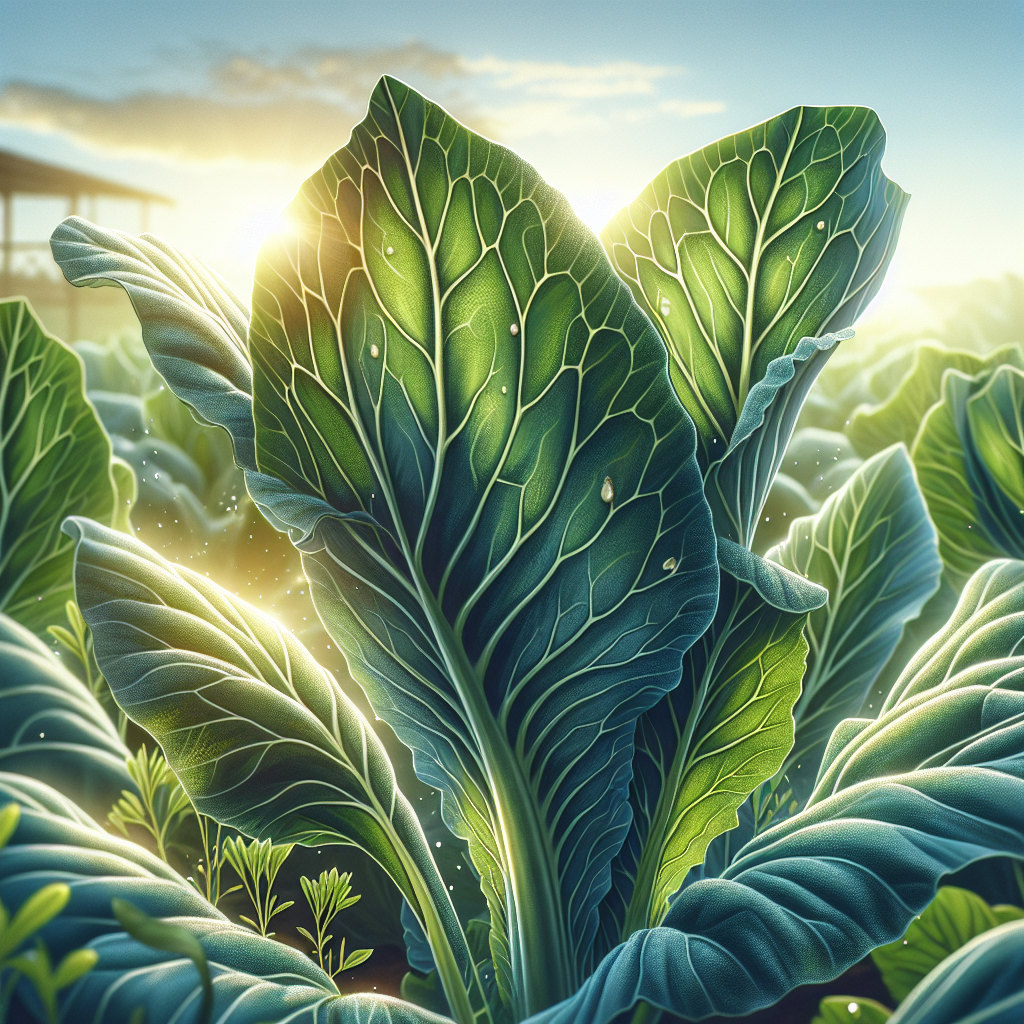
Introduction to collards
Collards (Brassica oleracea var. viridis) are a staple cool-season leafy green in the Brassicaceae family, renowned for their robust flavor, high nutritional value, and adaptability to various climates. Native to the Mediterranean region, collards have become a cornerstone of Southern U.S. cuisine, often featured in soul food dishes like collard greens with smoked meats. These plants thrive in temperatures between 45-75°F (7-24°C), making them ideal for fall, winter, and early spring plantings. Collards form large, non-heading leaves on thick stalks, growing 2-3 feet tall, and can be harvested continuously over months.
As a professional botanist and agricultural expert, I emphasize collards' resilience to cold but vulnerability to brassica-specific pests and diseases. Proper management ensures yields of 10-15 pounds per 10-foot row. This SEO-optimized guide covers diagnostics, organic controls, and prevention, helping small farms and home gardeners combat issues like cabbage worms and aphids. For companion planting tips, check this Fall Companion Planting Guide.
Collards offer vitamins A, C, K, folate, calcium, and antioxidants, supporting eye health, bone strength, and immunity. They prefer well-drained, fertile soil with pH 6.0-7.5, full sun, and consistent moisture. Varieties like 'Georgia Southern', 'Vates', and 'Champion' resist bolting and provide tender leaves. Early detection of symptoms prevents 80% of losses, as brassica pests migrate from nearby kale or cabbage.
Identifying Symptoms & Damage
Accurate diagnosis is crucial for collards, as symptoms overlap between pests, diseases, and nutrient issues. Inspect plants weekly, focusing on undersides of leaves, stems, and soil line.
Pest Damage:
- Cabbage worms: Green caterpillars with yellow stripes chew irregular holes in leaves, leaving dark green frass (poop). Severe infestations skeletonize foliage.
- Aphids: Clusters of green/black insects cause curled, sticky leaves with honeydew attracting sooty mold.
- Flea beetles: Tiny jumping beetles create shot-hole patterns in young leaves.
- Slugs and snails: Irregular holes with slimy trails, worse in wet conditions.
- Leafminers: Winding white trails inside leaves from larvae feeding.
Disease Symptoms:
- Alternaria leaf spot: Concentric dark spots with yellow halos on older leaves.
- Powdery mildew: White powdery coating on upper leaf surfaces.
- Clubroot: Swollen, galled roots with wilting despite moisture.
- Downy mildew: Yellow upper leaves with gray-purple fuzz underneath.
- Black rot: V-shaped yellow lesions turning black at leaf edges.
Nutritional/Environmental Damage: Nitrogen deficiency shows yellowing older leaves; calcium shortage causes tip burn. Use a 10x hand lens for pest ID and soil test for pH/nutrients. Differentiate by scraping: pests leave residue, diseases show fungal growth.
Lifecycle and Progression of collards
Collards complete their lifecycle in 60-80 days from transplant, but pests progress predictably:
- Seedling Stage (0-2 weeks): Vulnerable to cutworms, damping-off, flea beetles. Seedlings sever at soil line or pocked with holes.
- Vegetative Growth (2-6 weeks): Aphids, cabbage loopers explode; leaves curl, holes appear. Progression: minor feeding → defoliation → stunted growth.
- Maturity/Harvest (6+ weeks): Armyworms, root diseases like clubroot swell roots, causing yellowing and collapse.
Pests overwinter as pupae/eggs in soil/debris. Cabbage worms: egg → larva (3 weeks feeding) → pupa → moth. Aphids reproduce parthenogenically, exploding in warm weather. Diseases spread via splashing water, progressing from spots to blights in humid conditions. Monitor with sticky traps; peak damage aligns with 70°F days.
Environmental Triggers & Risk Factors
Collards face heightened risks from:
- High Humidity (>80%): Triggers downy mildew, botrytis.
- Warm Nights (>60°F): Aphid/caterpillar booms.
- Poor Drainage/Acid Soil (pH<6.0): Clubroot, root rots.
- Overcrowding: Reduces airflow, fostering fungal issues.
- Weed Hosts: Nearby mustards harbor flea beetles, loopers.
- Monocropping: Builds nematode/soil pathogen loads.
Risk peaks post-rain in fall; southern farms see more harlequin bugs. Test soil annually; amend with lime for pH. Companion plant with thyme or nasturtium to deter pests.
Organic Control & Treatment Plans
Integrated Pest Management (IPM) prioritizes prevention, then biological/organic controls:
Cultural Controls:
- Row covers exclude flying insects.
- Hand-pick caterpillars/slugs evenings.
- Rotate with non-brassicas (e.g., beans).
Biological:
- Release Bt (Bacillus thuringiensis) for worms/loopers (apply evenings, 7-day intervals).
- Beneficial nematodes for soil pests.
- Ladybugs, lacewings eat aphids.
Organic Sprays:
- Neem oil/azadirachtin: Weekly for aphids, beetles (soap mix improves stickiness).
- Pyrethrin: Contact kill for loopers (OMRI-approved, target undersides).
- Spinosad: For armyworms (3-day pre-harvest).
- Baking soda (1 tbsp/gal water) + hort oil for powdery mildew.
Disease Management:
- Copper fungicide (e.g., Bordeaux mix) for bacterial spots (preventive).
- Remove infected leaves; compost hot (>140°F).
Treatment Plan: Scout → ID → Cultural fix → Bio/spray → Monitor. Expect 90% control with consistency.
Preventing collards in the Future
Prevention yields 50% higher success:
- Site Selection: Full sun, well-drained loam; raised beds for clay.
- Soil Prep: Incorporate compost, lime to pH 6.5-7.0; solarize summer for pathogens.
- Resistant Varieties: 'Morris Heading', 'Champion' resist some blights.
- Timing: Plant after soil warms to 45°F; succession sow.
- Crop Rotation: 3-4 years off brassicas.
- Sanitation: Clean tools, remove debris; weed vigorously.
- Mulch: Straw suppresses slugs, retains moisture.
- Monitoring: Yellow sticky traps, soil cores.
Long-term: Build soil biology with cover crops like clover. For hyper-local forecasts, integrate weather data.
Crops Most Affected by collards
Wait—collards are the crop! But pests/diseases from collards impact brassicas:
- Cabbage: Shares cabbage worms, clubroot.
- Kale: Aphids, leaf spot complexes.
- Broccoli: Loopers, black rot.
- Cauliflower: Downy mildew, root rots.
- Turnip: Flea beetles, alternaria.
Isolate collards 1/4 mile from other brassicas. Pests migrate easily in fall gardens.