Introduction to Colletotrichum
Colletotrichum, commonly known as anthracnose, represents one of the most destructive fungal diseases in agriculture, impacting a wide array of crops from tropical fruits to vegetables and grains. This hemibiotrophic fungus belongs to the genus Colletotrichum, with over 200 species identified, each exhibiting host-specific virulence. First described in the 19th century, Colletotrichum has evolved into a global threat due to its ability to infect through wounds or natural openings, rapidly colonizing plant tissues under favorable conditions.
The disease manifests as anthracnose on many hosts, characterized by dark, sunken lesions that render produce unmarketable. In commercial settings, losses can exceed 50% in severe outbreaks, particularly in humid subtropical regions. Understanding Colletotrichum's biology is crucial for farmers, as it persists in crop debris, seeds, and alternate hosts, making integrated management essential. This guide provides diagnostic tools, lifecycle insights, and proven organic strategies to combat this pervasive pathogen, drawing from decades of botanical and agricultural research.
Early detection and prevention are key, as chemical controls are often ineffective post-infection. Organic approaches emphasize sanitation, biofungicides, and environmental manipulation, aligning with sustainable farming practices. By mastering these techniques, growers can protect yields and maintain soil health without synthetic inputs.
Identifying Symptoms & Damage
Accurate diagnosis begins with recognizing Colletotrichum's hallmark symptoms, which vary by host but share consistent patterns. On leaves, initial signs appear as small, water-soaked spots that expand into circular, sunken lesions with grayish-white centers and dark brown to black margins. These lesions often develop acervuli—fungal fruiting bodies—that exude pinkish-orange spore masses in humid conditions, earning the disease its 'anthracnose' moniker from Greek roots meaning 'coal-like fungus.'
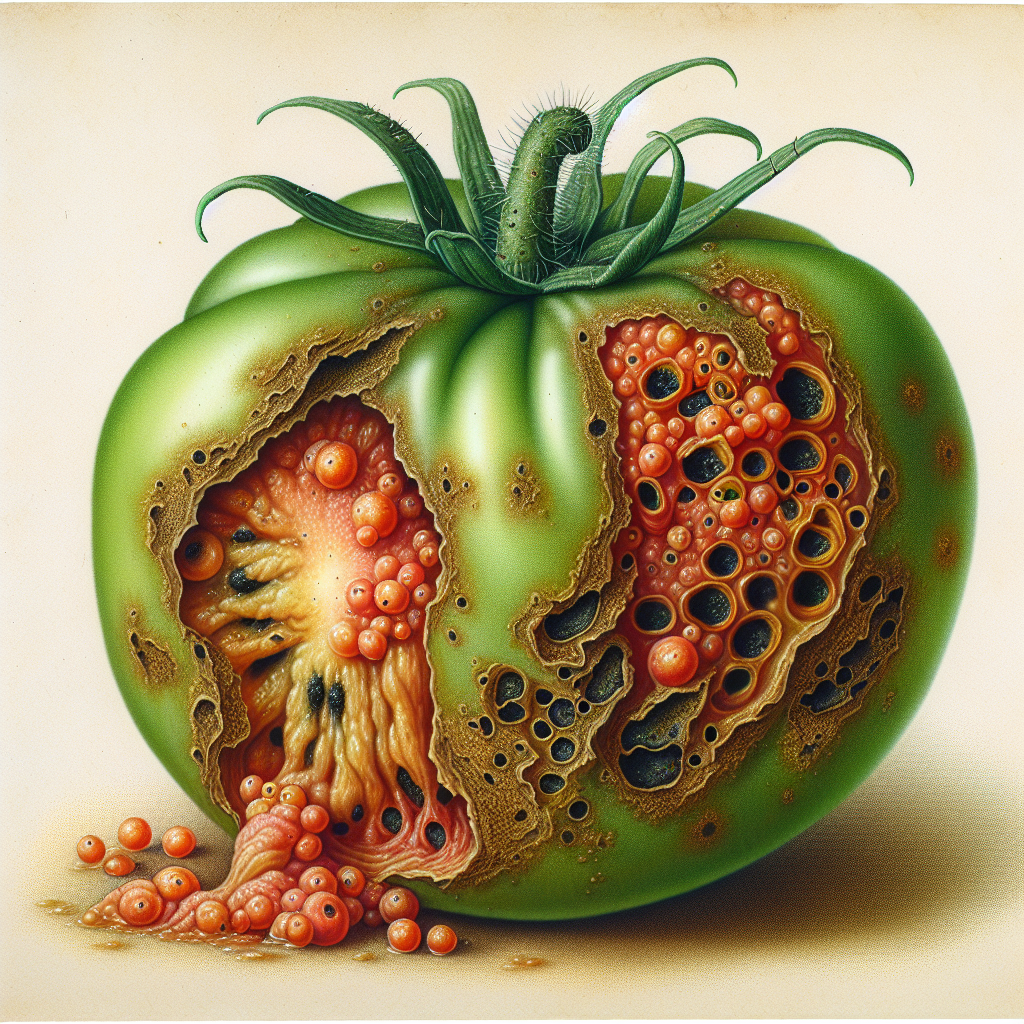
Fruit infections are particularly devastating, starting as tiny, dark flecks that evolve into depressed, tan to black rots. Affected tomato fruits exhibit firm, leathery lesions with concentric rings, while mango cultivars show black, sunken spots spreading from the stem end. Twigs and stems develop cankers—elongated, girdling lesions that cause dieback, often with pink spore ooze during wet weather.
Damage extends beyond aesthetics: infected tissues release enzymes breaking down cell walls, leading to rapid tissue collapse. Yield losses stem from premature defoliation, reduced photosynthesis, and fruit drop. Secondary invaders like bacteria exacerbate rot, turning lesions mushy. Differentiate from similar diseases like Alternaria (darker, zonate spots without spore masses) or Botrytis (gray, fuzzy mycelium). Use a hand lens to confirm acervuli and spore masses for positive ID; lab culturing on potato dextrose agar yields characteristic falcate conidia.
In seedlings, symptoms mimic damping-off with basal rot and collapse. Economic impact is severe: in strawberry fields, black seed-like lesions render 30-70% of berries unharvestable. Monitor during flowering and fruit set, as quiescent infections activate post-harvest, causing shipping losses.
Lifecycle and Progression of Colletotrichum
Colletotrichum's lifecycle is polycyclic, enabling multiple infection cycles per season. Primary inoculum survives as dormant mycelium in crop residue, seeds, or alternate hosts. Conidia, the asexual spores, disseminate via rain splash, wind, or irrigation, germinating on wet plant surfaces within 4-12 hours at 20-30°C.
The pathogen employs a unique hemibiotrophic strategy: initial biotrophic phase penetrates epidermis asymptomatically via appressoria—specialized infection structures. Necrotrophic phase follows, killing cells with toxins and enzymes, forming lesions in 3-7 days. Acervuli erupt, releasing conidia in gelatinous masses for secondary spread. Sexual spores (ascospores) in apothecia occur rarely but enhance genetic diversity.
Progression accelerates in prolonged leaf wetness (>12 hours) and high humidity (>90%). Latent infections remain dormant until fruit ripening triggers symptom expression. Overwintering mycelium in debris ensures annual recurrence without rotation. In avocado, quiescent appressoria persist months, activating via ethylene during maturation. Lifecycle completion takes 7-14 days, yielding 10-20 cycles per season in tropics.
Environmental Triggers & Risk Factors
Colletotrichum flourishes in warm (25-30°C), humid environments with frequent leaf wetness. Optimal infection occurs at 28°C with 100% RH for 6+ hours; temperatures above 35°C inhibit germination. Overhead irrigation, dense canopies, and poor airflow exacerbate splash dispersal. Acidic soils (pH <6) and high nitrogen favor succulent growth, increasing susceptibility.
Risk spikes during rainy seasons or after hurricanes. Susceptible varieties, like susceptible Hass avocado, amplify outbreaks. Wounds from hail, insects like aphids, or mechanical injury serve as entry points. Monoculture, minimal rotation, and residue retention heighten inoculum pressure. Climate change extends favorable windows, shifting risks poleward.
Soil moisture extremes—waterlogging promotes root infections—compound issues. Assess microclimate: valleys trap humidity, while slopes dry faster. Read our Soil Health Mastery blog for mitigation tips.
Organic Control & Treatment Plans
Organic management integrates cultural, biological, and approved fungicides. Sanitation first: Remove and destroy infected debris post-harvest; deep plow buries inoculum. Prune for airflow, spacing plants 50-100% wider than standard.
Biologicals: Apply Trichoderma harzianum or Bacillus subtilis preemptively; these antagonists colonize wounds, outcompeting Colletotrichum. Streptomyces lydicus suppresses via antibiotics. Timing: every 7-14 days from canopy closure.
Approved fungicides: Copper hydroxide (OMRI-listed), potassium bicarbonate, or sulfur sprays at 7-10 day intervals during high risk. Neem oil disrupts spore germination; rotate to prevent resistance. Efficacy peaks pre-infection.
Resistant varieties: Select anthracnose-tolerant cultivars like 'Florida Beauty' strawberry or 'Reed' avocado. Foliar nutrients (calcium, potassium) bolster cell walls.
Treatment protocol: Scout weekly; at 5% incidence, apply biofungicide + copper. Reapply post-rain. For fruit rot, post-harvest dips in hot water (48°C, 20 min) or bio-coatings extend shelf life. Integrate with companion plants like marigold to deter vectors.
Preventing Colletotrichum in the Future
Prevention trumps cure: rotate crops 2-3 years with non-hosts like onion or grains. Use disease-free seeds/seedlings; hot water treat transplants. Mulch suppresses splash; drip irrigation minimizes wetness.
Boost resilience via balanced nutrition—avoid excess N. Monitor with sticky traps for vectors; UV traps reduce conidia. Calendar sprays: protective applications pre-rain. For more on timing, see Why Timing Kills Small Farm Profits.
Resistant rootstocks and cover crops (e.g., clover) maintain soil health. Quarantine new stock. Long-term: breed for polygenic resistance via marker-assisted selection.
Crops Most Affected by Colletotrichum
Colletotrichum strikes diverse crops, with economic epicenters in tropics/subtropics:
- Fruits: Mango (postharvest rot), avocado (fruit anthracnose), banana, papaya, strawberry (black spot).
- Vegetables: Tomato, pepper, cucumber, squash.
- Grains/Legumes: Soybeans (pod blight), beans, sorghum.
Global losses exceed $1B annually. Regionally, Hass avocado in Latin America suffers 20-40% fruit drop; Florida tomato fields lose 30% yields.