Encyclopedia
Definitive guides for crops, pests, and agricultural diseases.
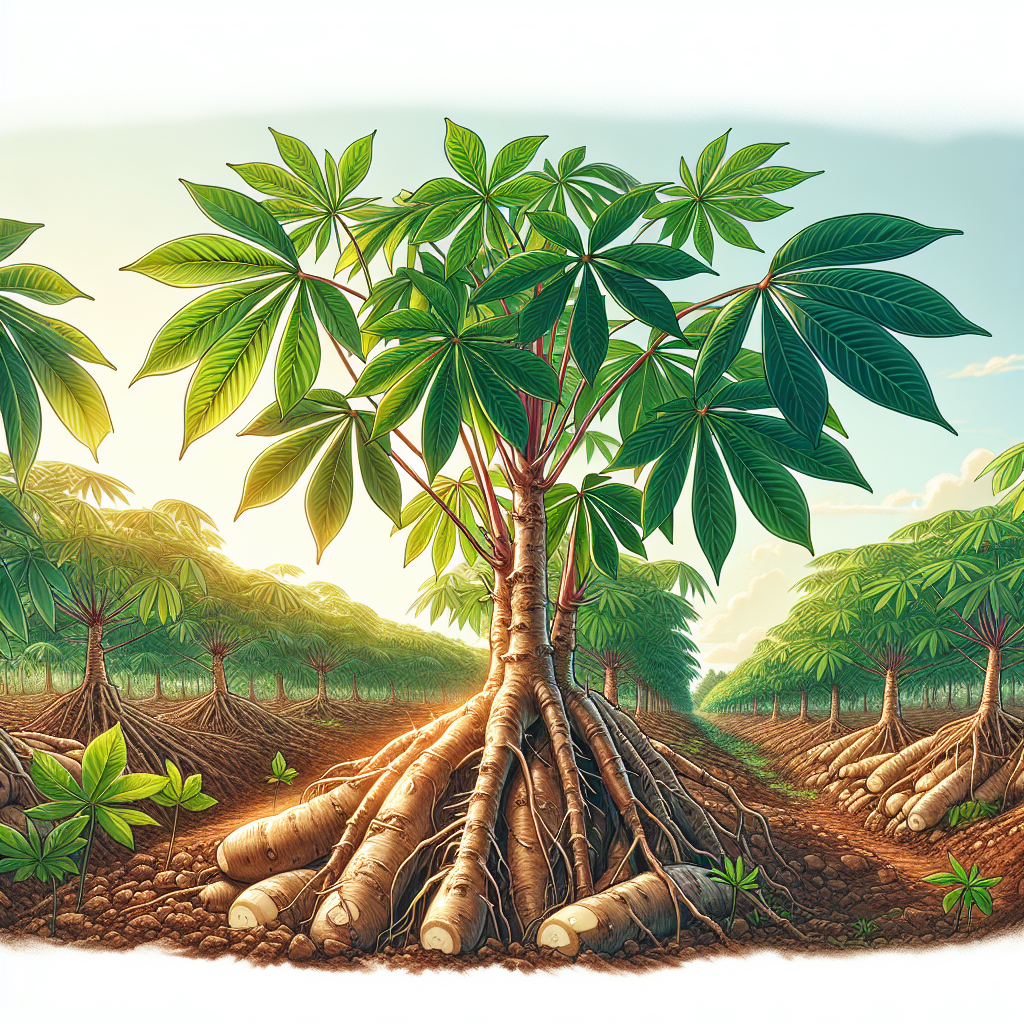
Cassava
Cassava is a tropical root crop prized for its starchy storage roots, drought tolerance, and ability to produce reliably on marginal soils where many staple crops fail. When managed well, it can deliver high calorie yields, valuable animal feed from foliage, and flexible harvest timing, but it requires careful handling because raw roots and leaves contain cyanogenic compounds that must be properly processed.
View Guide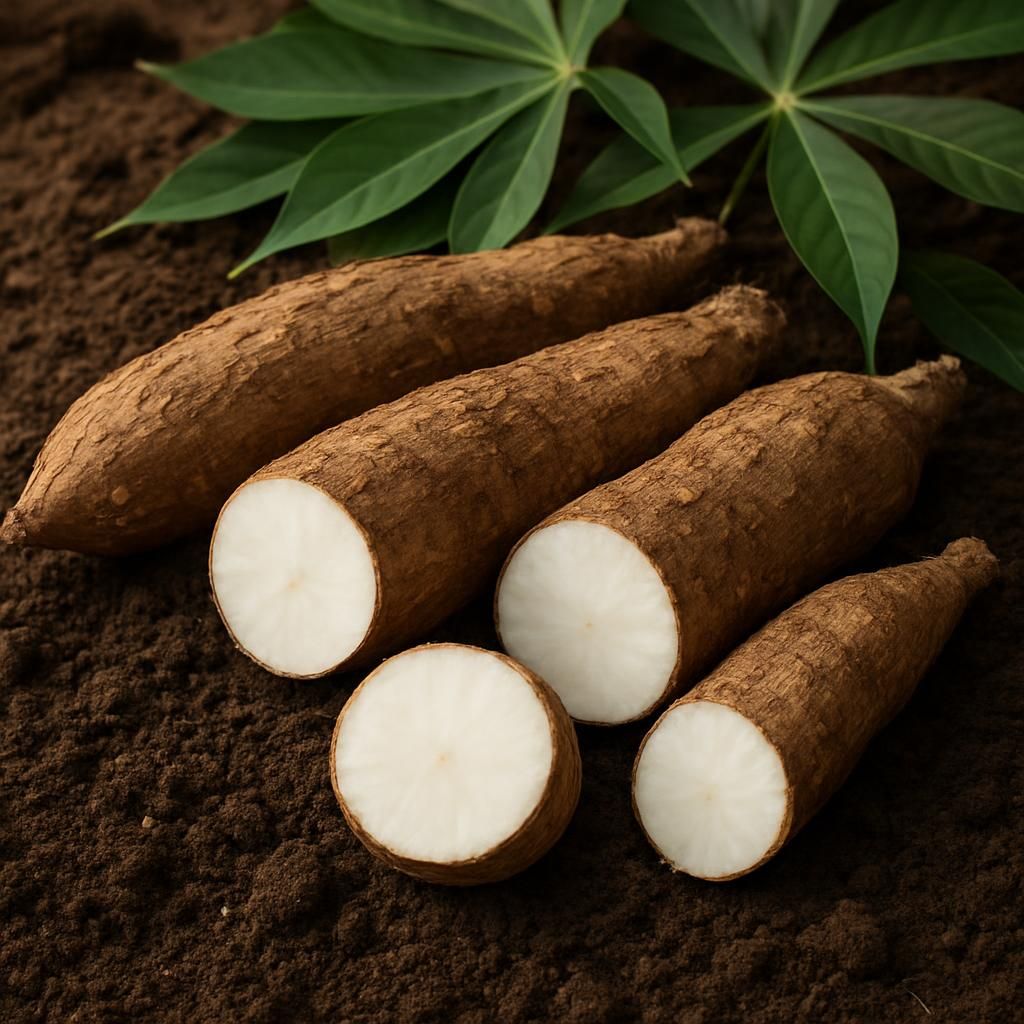
Cassava (Manihot esculenta - White)
Cassava (Manihot esculenta - White) is a high-yielding tropical root crop valued for its starchy tubers and resilience in marginal soils. This guide covers every stage from soil preparation and planting through harvest, storage, and organic pest management for reliable commercial or subsistence production.
View Guide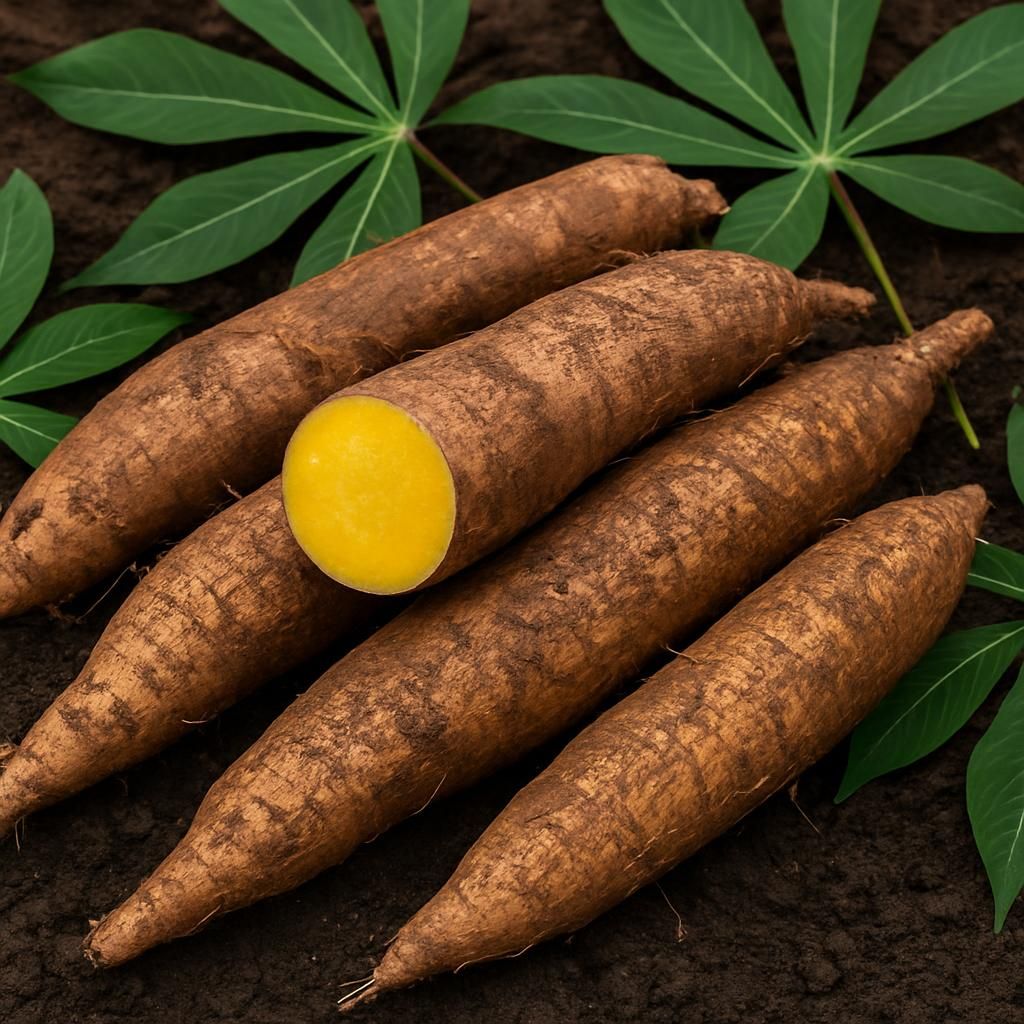
Cassava (Manihot esculenta - Yellow)
Cassava (Manihot esculenta - Yellow) is a high-yielding tropical root crop prized for its starchy yellow-fleshed tubers, drought tolerance, and versatility in food, feed, and industrial uses. This definitive growing guide covers optimal soil and climate needs, propagation, year-round care schedules, pest and disease management, and post-harvest handling for commercial and small-farm success.
View Guide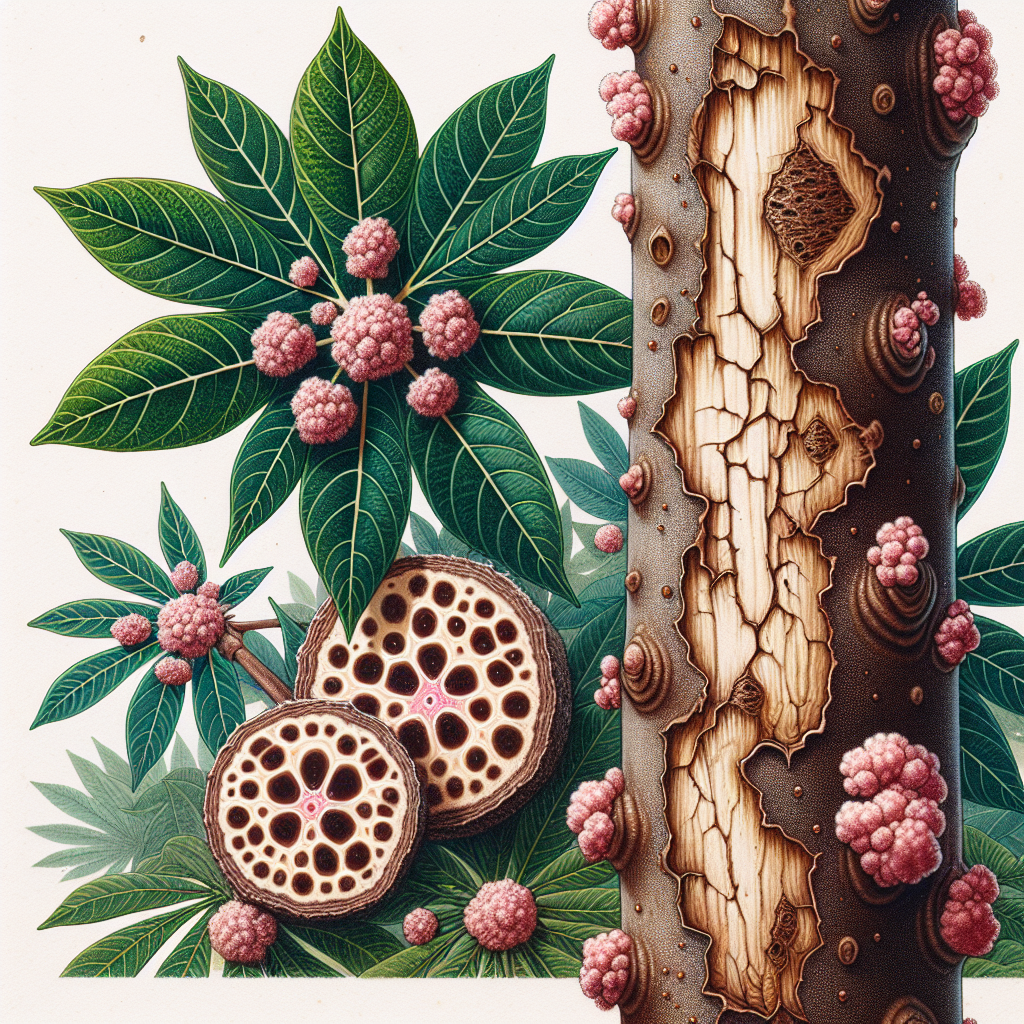
Cassava anthracnose
Cassava anthracnose is a destructive fungal disease caused by Colletotrichum gloeosporioides, leading to significant yield losses in cassava crops worldwide. It manifests as dark lesions on leaves, stems, and tubers, thriving in warm, humid conditions. Effective management relies on resistant varieties, cultural practices, and organic fungicides for sustainable control.
View Profile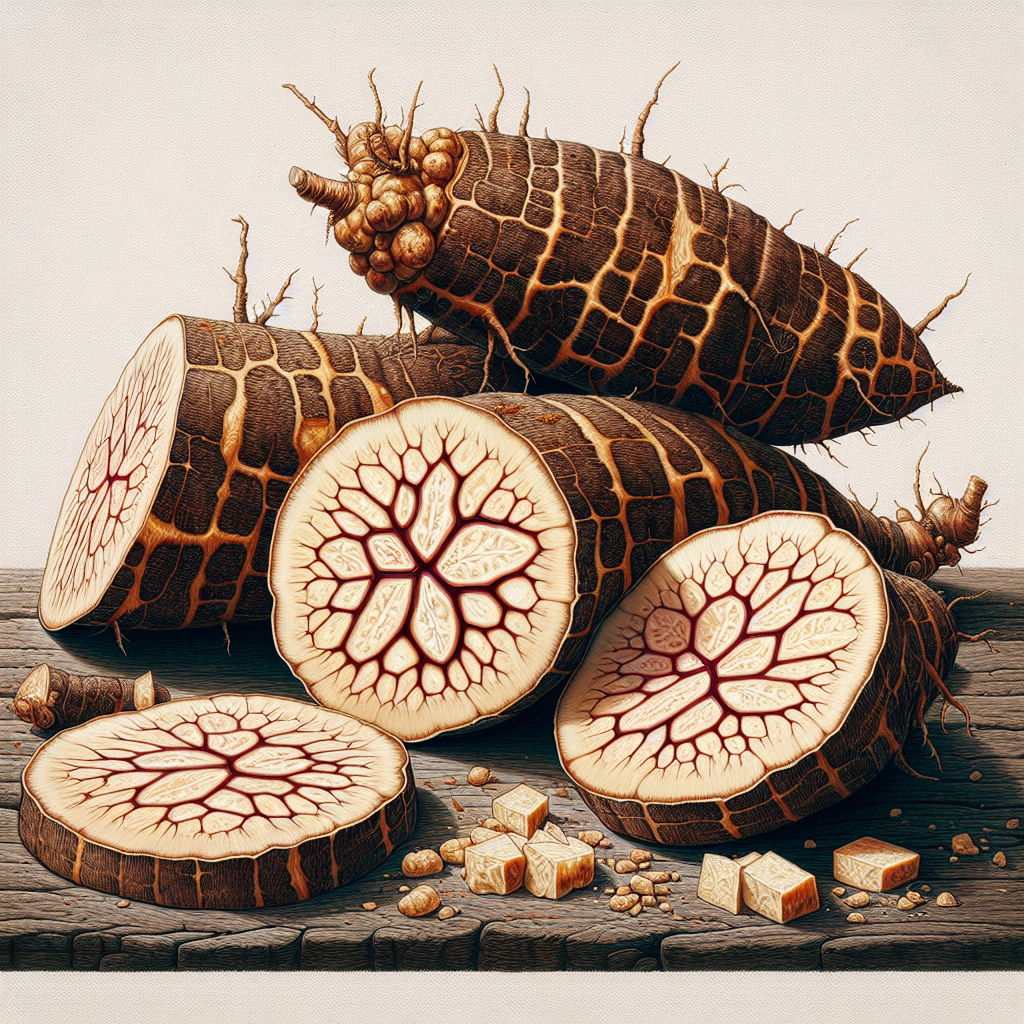
Cassava brown streak disease
Cassava brown streak disease (CBSD) is a devastating viral disease threatening cassava crops in East and Central Africa, causing necrotic lesions on leaves, stems, and tubers that render roots unmarketable. Transmitted primarily by whitefly vectors, it leads to significant yield losses of up to 100% in susceptible varieties. Effective management relies on resistant cultivars, vector control, and phytosanitary practices.
View Profile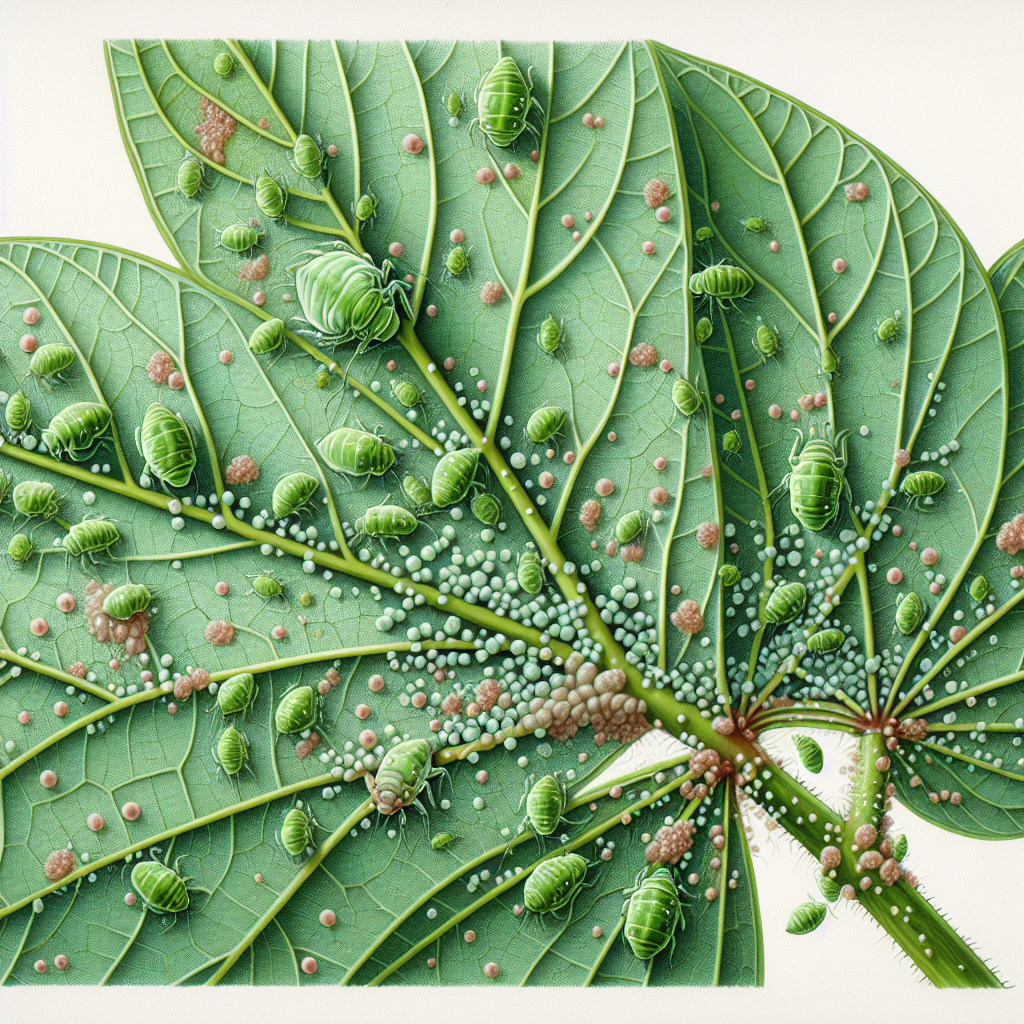
Cassava green mite
The cassava green mite (Mononychellus tanajoa) is a tiny arachnid pest that severely impacts cassava crops by feeding on leaves, causing chlorosis, reduced photosynthesis, and up to 100% yield loss in severe infestations. Native to South America, it has spread across Africa and Asia, thriving in dry conditions. Effective management combines resistant varieties, biological controls, and cultural practices for sustainable control.
View Profile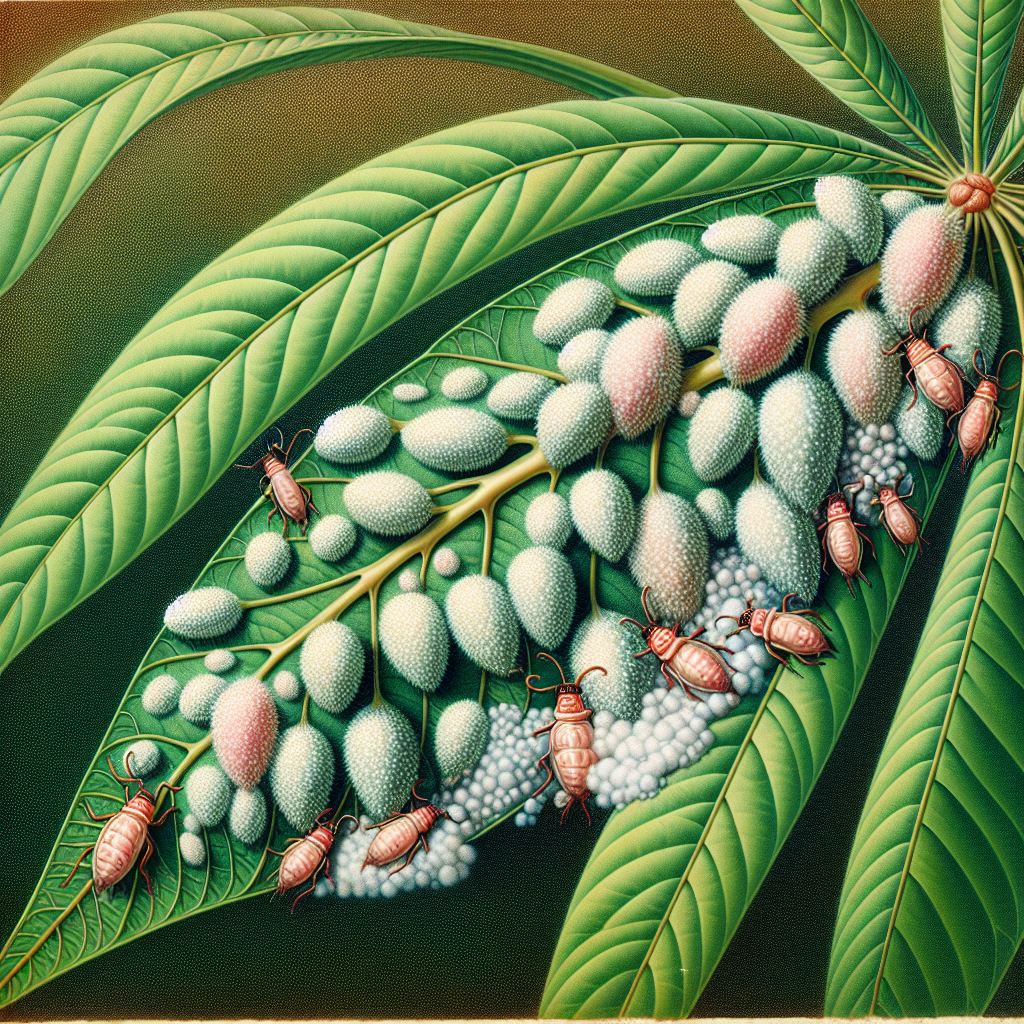
Cassava mealybug
The cassava mealybug (Phenacoccus manihoti) is a devastating sap-sucking pest native to South America that has spread to Africa and Asia, causing severe damage to cassava crops by stunting growth and reducing yields. This guide provides comprehensive diagnostics, lifecycle details, organic management strategies, and prevention tips for farmers battling this invasive threat. Effective biological controls, including parasitoids, have proven successful in integrated pest management programs.
View Profile
Cassava mosaic disease
Cassava mosaic disease (CMD) is a devastating viral infection transmitted by whiteflies that causes mosaic patterns, leaf distortion, and severe yield losses in cassava crops across Africa and Asia. It significantly impacts food security in subsistence farming regions by reducing tuber quality and quantity. Effective management relies on resistant varieties, vector control, and phytosanitary practices.
View Profile
Cassia Cinnamon
Cassia cinnamon is a tropical evergreen spice tree grown primarily for its aromatic inner bark, which is thicker, darker, and more pungent than true cinnamon. Successful production depends on warm humid conditions, well-drained slightly acidic soils, disciplined pruning, and careful post-harvest curing to preserve volatile oils and bark quality.
View Guide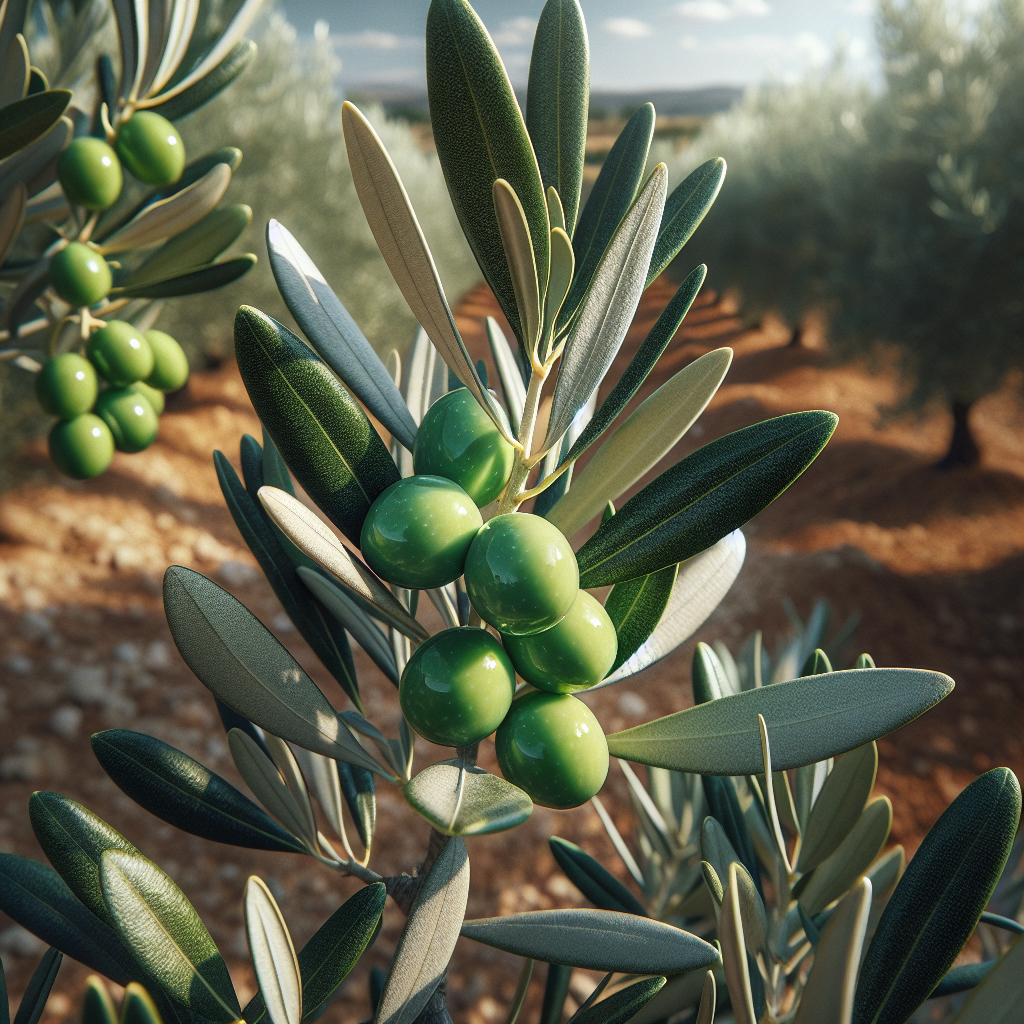
Castelvetrano Olive
Castelvetrano Olive is the famous table olive type made from the Sicilian cultivar Nocellara del Belice, prized for its large round fruit, mild buttery flavor, and vivid green color when processed. In the orchard, it is a vigorous Mediterranean olive with strong commercial value for both premium table olives and oil, but it performs best with excellent drainage, careful pruning, and disciplined disease management.
View Guide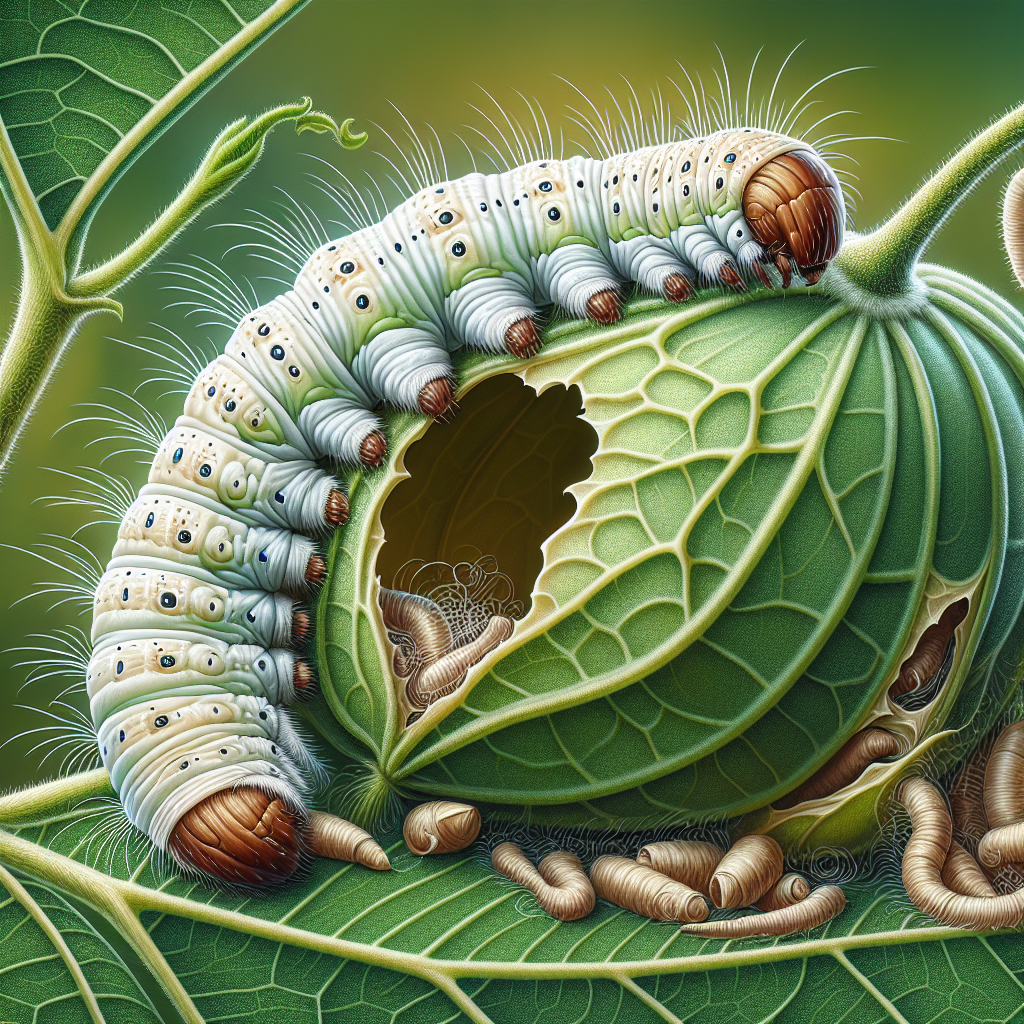
Castor
The castor pest, commonly known as the castor capsule borer or yellow peach moth, is a destructive moth whose larvae bore into castor plant capsules, stems, and pods of various crops, causing significant yield losses. Native to tropical Asia, it thrives in warm, humid conditions and can devastate fields if not managed properly. This guide provides comprehensive diagnostics, lifecycle insights, and organic control strategies for effective management.
View Guide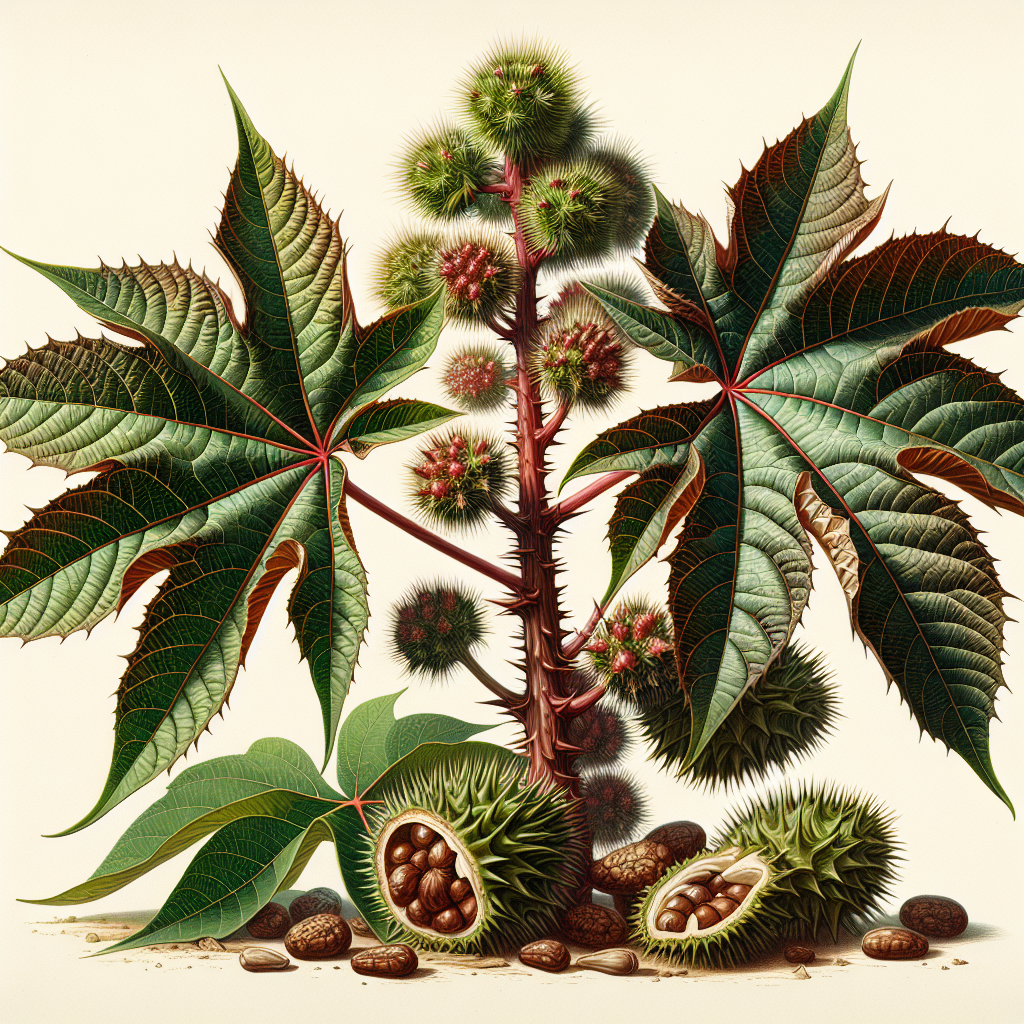
castor beans
Castor beans, from the highly invasive Ricinus communis plant, pose a significant threat as a noxious weed in agricultural fields, competing aggressively with crops for resources and potentially contaminating harvests. This guide provides definitive diagnostics, lifecycle insights, and organic management strategies to eradicate infestations effectively. Farmers can prevent future outbreaks through vigilant monitoring and cultural practices tailored to high-risk environments.
View Guide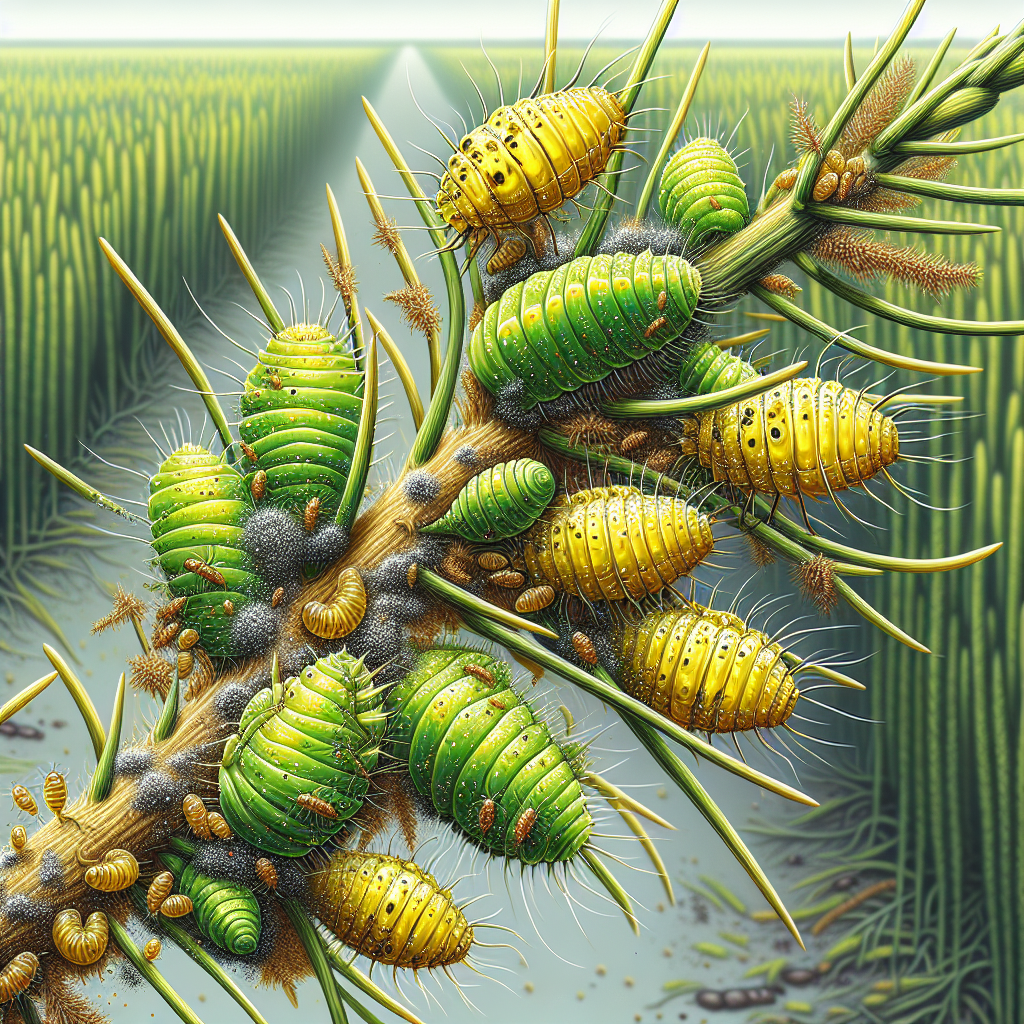
Casuarina
Casuarina, commonly known as the Australian pine or she-oak, is an invasive tree species that poses significant challenges to agricultural systems through competition, allelopathy, and hosting pests like the Casuarina psyllid. This guide provides comprehensive diagnostics for symptoms caused by Casuarina invasion and psyllid infestations, along with organic management strategies to protect crops. Effective control focuses on prevention, mechanical removal, and biological agents to mitigate its impact on farm productivity.
View Guide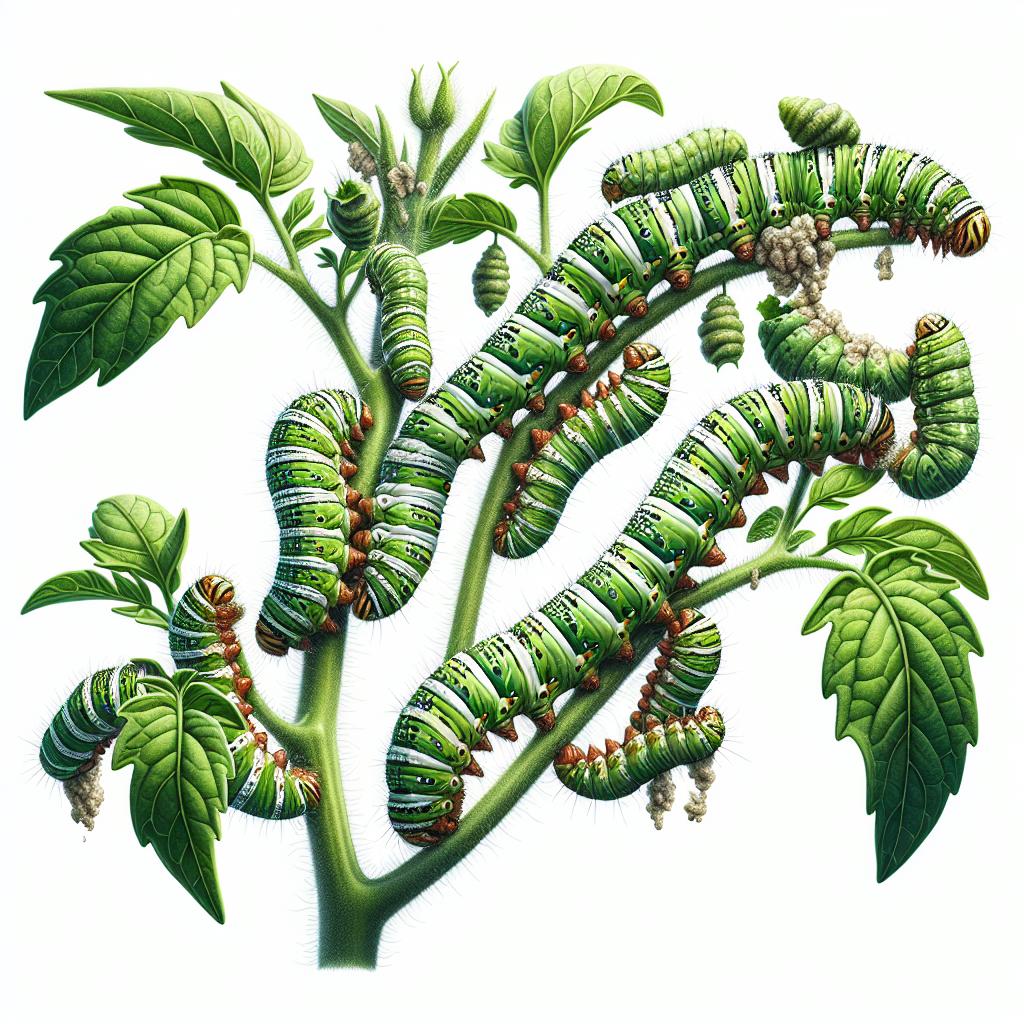
caterpillar pests
Caterpillar pests are the larval stage of moths and butterflies that voraciously feed on foliage, fruits, and stems, causing significant defoliation and crop losses in agriculture. Effective identification, organic management, and prevention strategies are crucial for protecting yields in affected crops. This guide provides comprehensive diagnostics, lifecycle insights, and proven control methods for farmers.
View Profile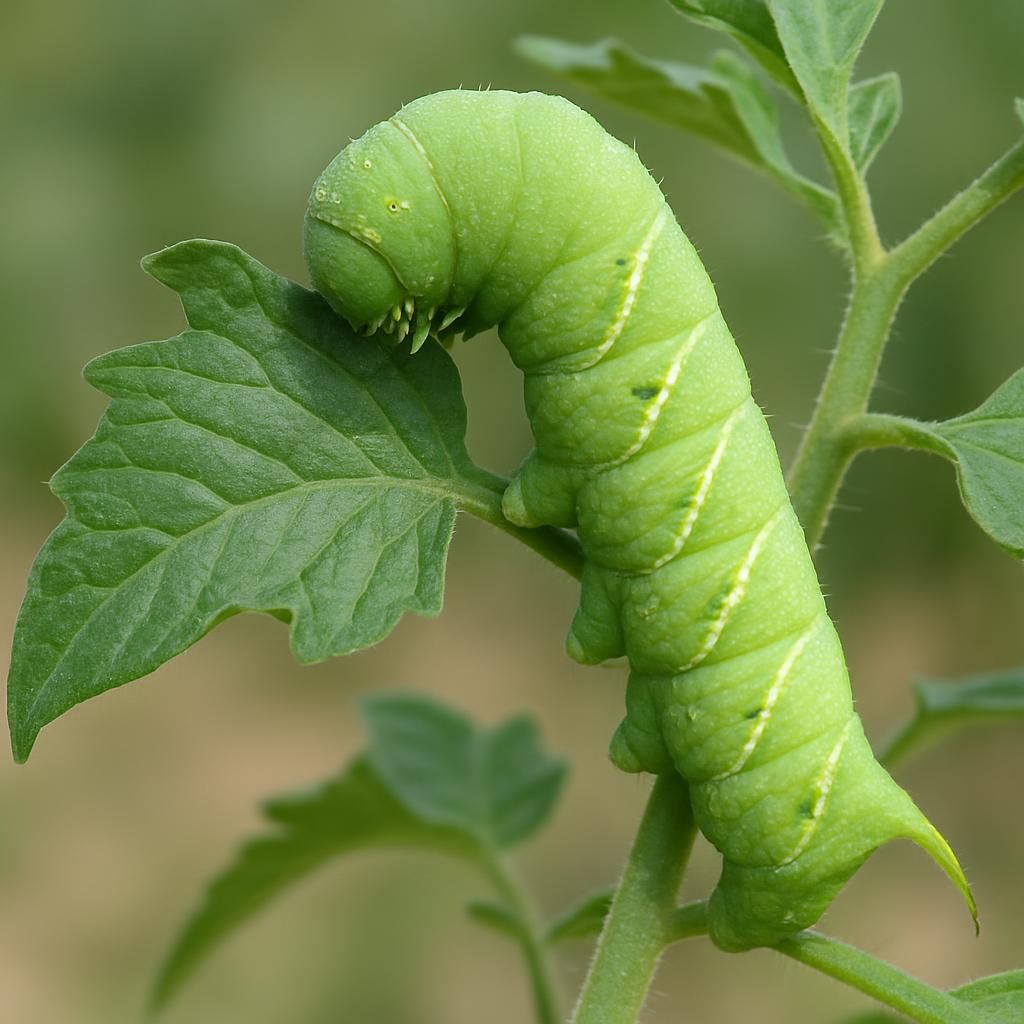
Caterpillars
Caterpillars are the larval stage of butterflies and moths, notorious agricultural pests that devour foliage and fruits across a wide range of crops. This guide provides comprehensive diagnostics, lifecycle insights, organic management strategies, and prevention tactics to protect your farm. Effective control hinges on early detection and integrated organic methods for sustainable yields.
View Profile
cattails
Cattails are versatile wetland perennials prized for edible shoots, pollen, and fiber while providing powerful ecological services in constructed wetlands and farm ponds.
View Guide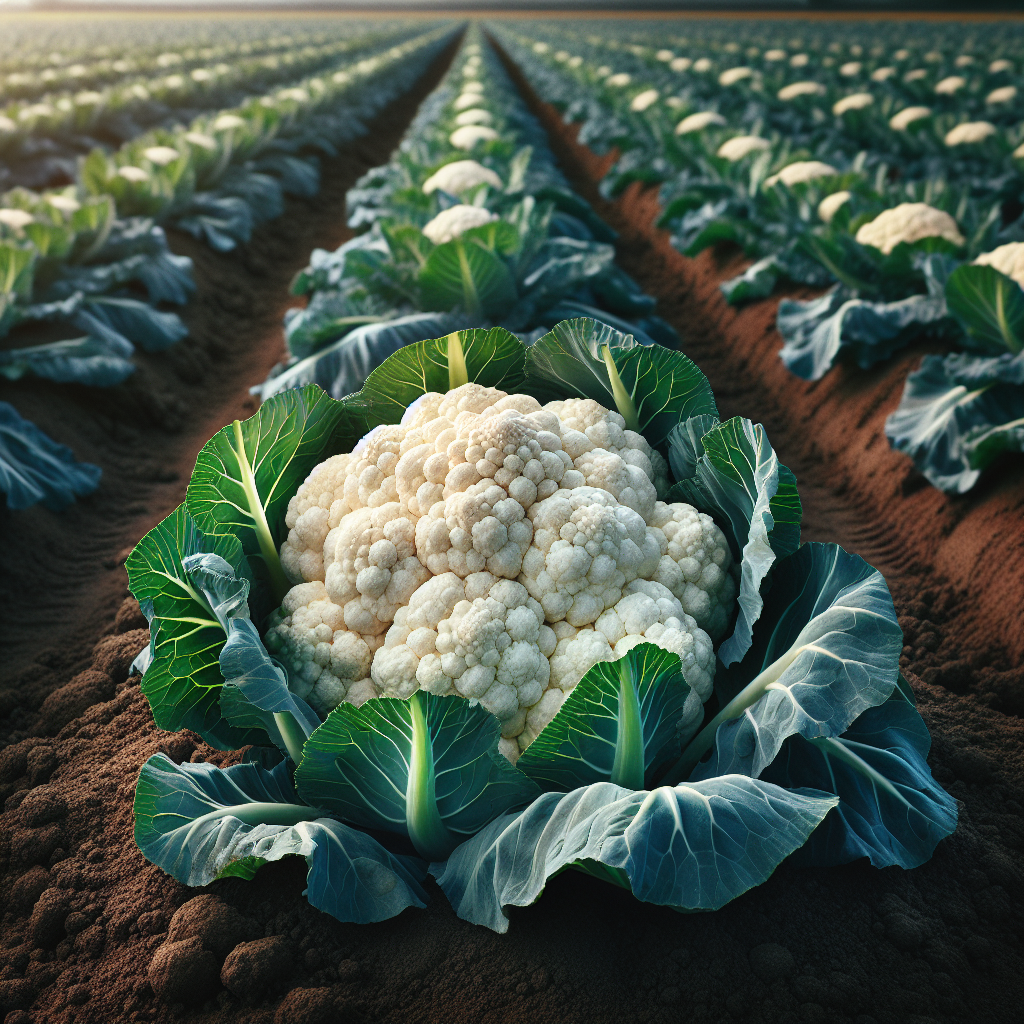
Cauliflower
Cauliflower is a cool-season brassica prized for its dense, edible curd and exacting quality requirements. It rewards careful management of temperature, fertility, moisture, and pest pressure with premium heads that range from classic white to green, purple, and Romanesco forms.
View Guide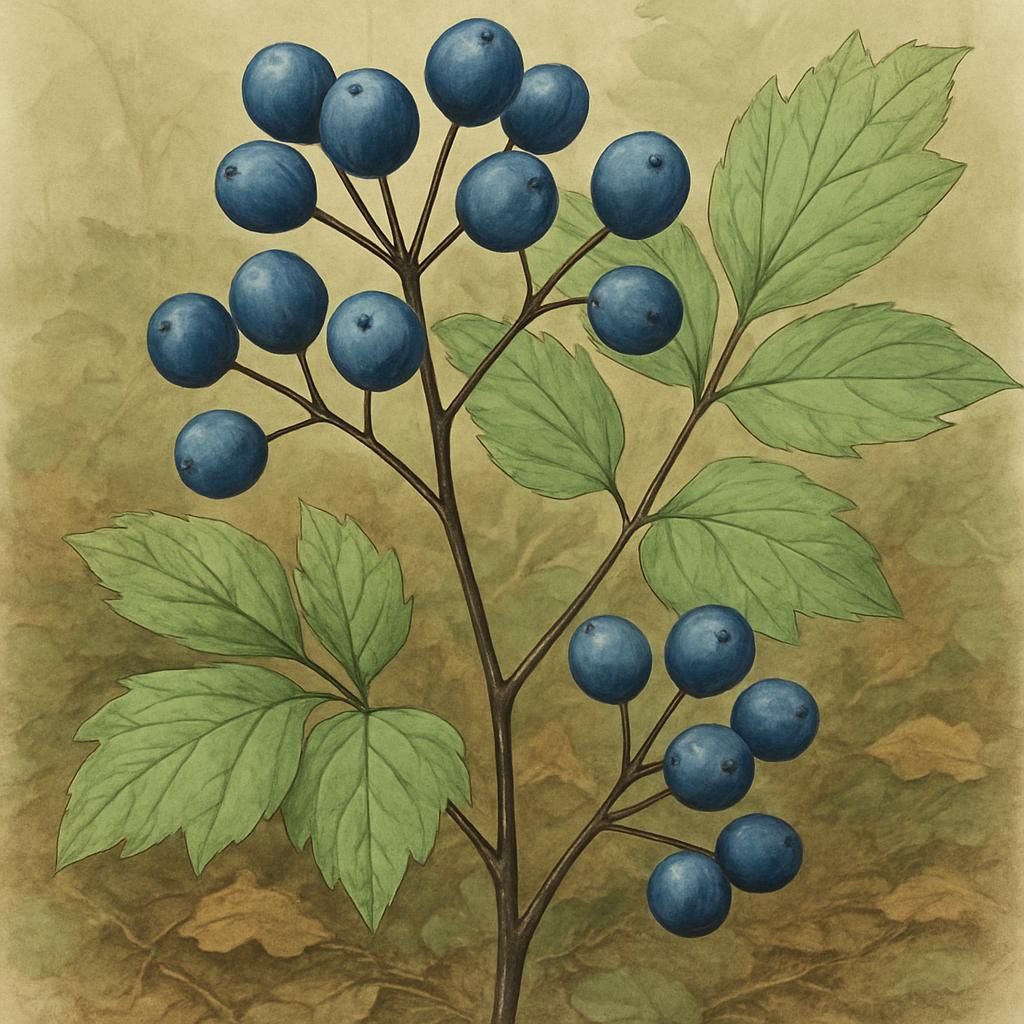
Caulophyllum thalictroides
Blue cohosh is a slow-growing woodland perennial valued for its ornamental blue berries and traditional medicinal roots. It requires specific forest-like conditions and long-term patience to cultivate successfully.
View Guide
Cavendish Banana
Cavendish banana is the world’s dominant dessert banana group, prized for uniform fruit quality, high productivity, and commercial reliability in tropical and subtropical systems. Successful production depends on warm temperatures, constant soil moisture without waterlogging, heavy potassium feeding, and rigorous disease prevention, especially against Panama disease and foliar pathogens.
View Guide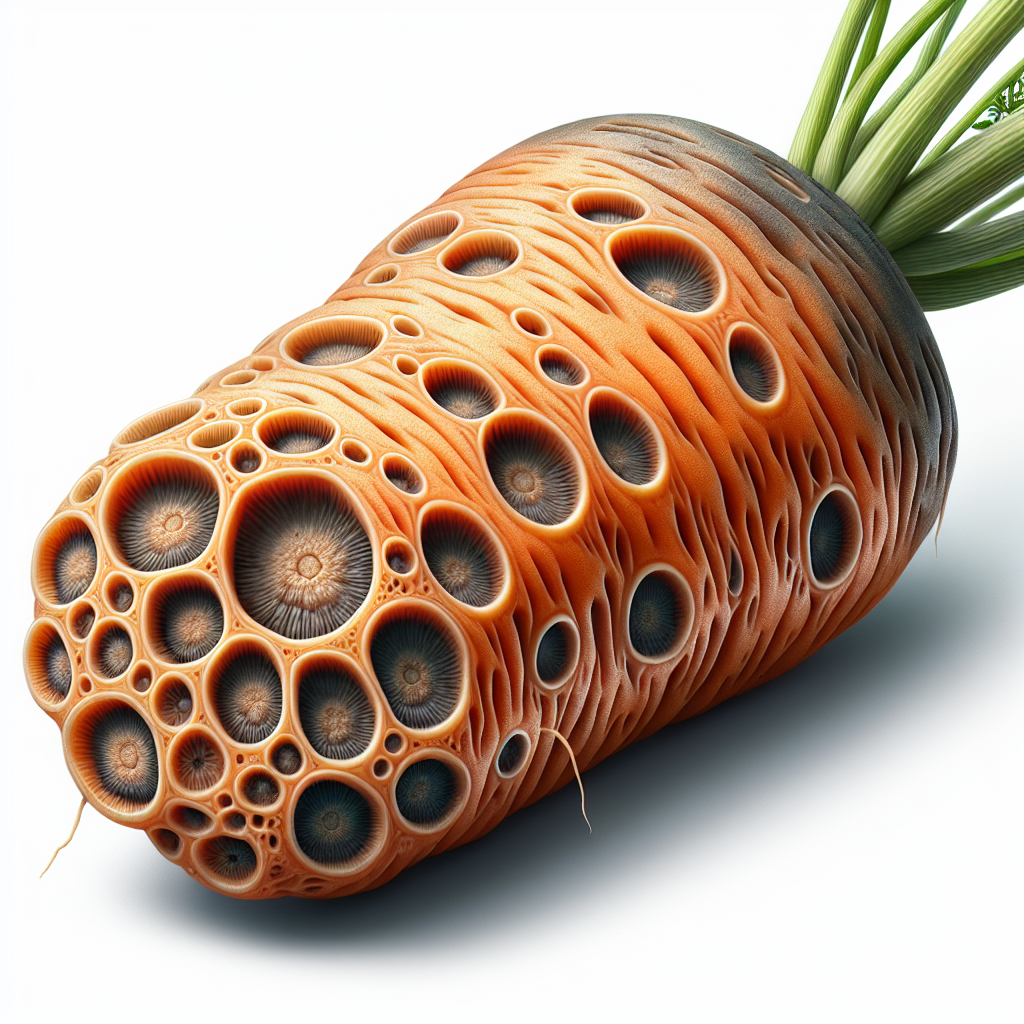
Cavity spot
Cavity spot is a widespread root and lower stem disease affecting carrots and other root crops, caused by Pythium oomycetes, resulting in characteristic oval pits on the root surface. It leads to significant cosmetic damage and yield losses, particularly in wet, compacted soils. Effective management relies on cultural practices, soil health improvement, and organic biocontrols.
View Profile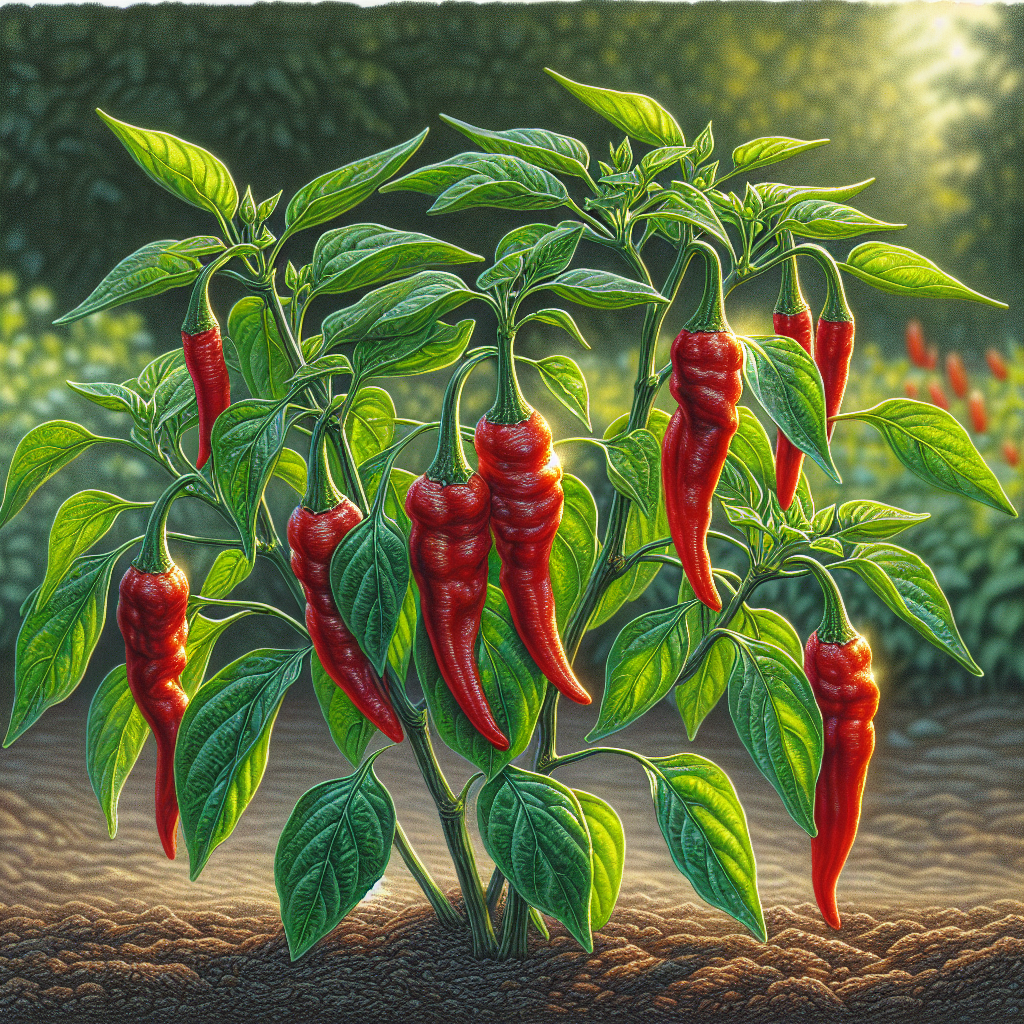
Cayenne Pepper
Cayenne pepper is a fiery, slender chili variety renowned for its heat (30,000-50,000 Scoville units) and versatility in culinary uses, from fresh eating to drying for spice powders. Thriving in warm climates, it's an easy-to-grow annual that delivers prolific yields with proper sun, well-drained soil, and consistent moisture. This guide provides expert cultivation techniques for maximum production and pest-resistant growth.
View Guide
Cedar
Cedar encompasses several evergreen conifer species prized for durable aromatic wood, ornamental value, and ecological benefits. This guide provides professional-grade growing instructions covering soil, climate, planting, care, pest management, and harvesting practices for successful cultivation.
View Guide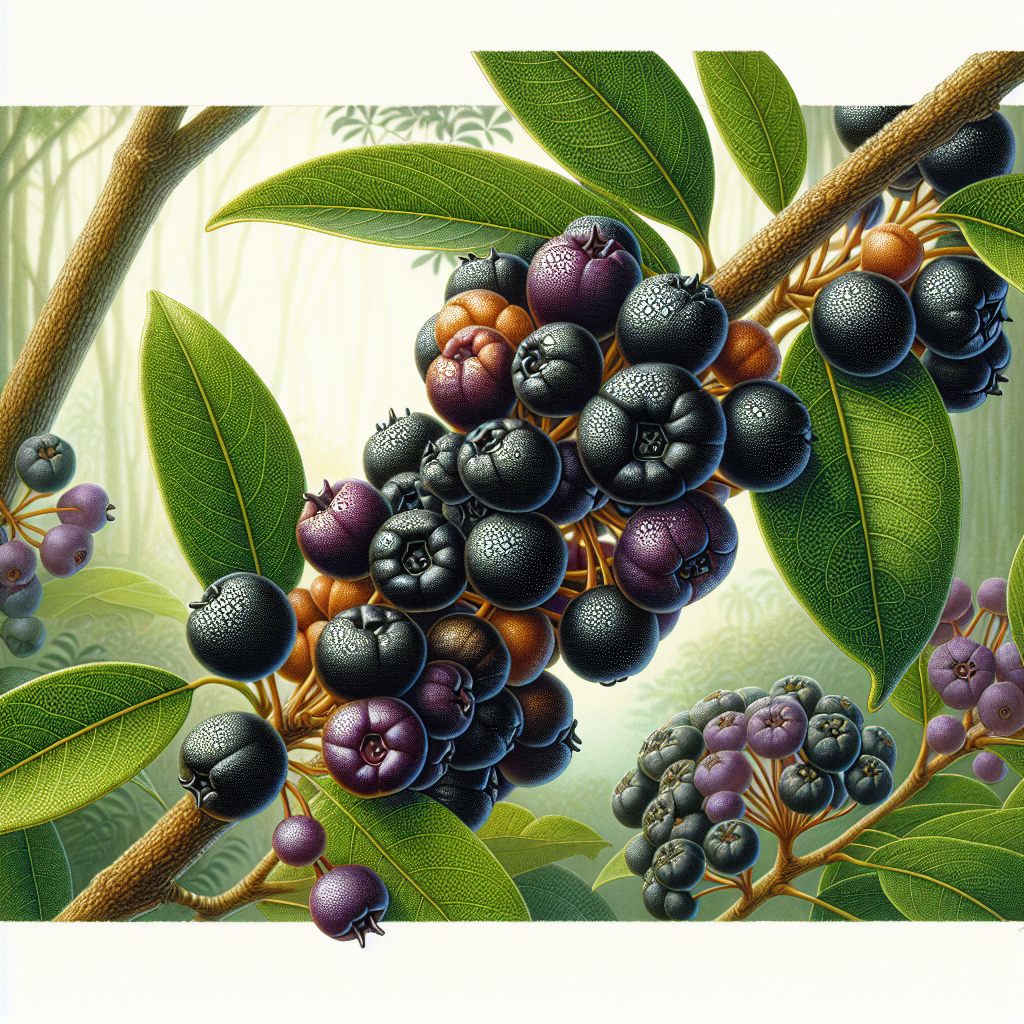
Cedar Bay Cherry (Eugenia reinwardtiana)
Cedar Bay Cherry (Eugenia reinwardtiana) is a compact, evergreen shrub native to Australia, prized for its sweet, juicy, dark purple fruits and ornamental glossy foliage. Thriving in subtropical climates, it offers home gardeners and small-scale farmers a low-maintenance crop with year-round harvests and high nutritional value. This guide provides expert cultivation techniques for optimal yields.
View Guide
Cedar Waxwings
Cedar waxwings are migratory songbirds notorious in agriculture for devastating soft fruit crops by consuming large quantities of ripening berries and cherries in flocks. These elegant birds with distinctive crests and yellow tail bands can strip entire orchards overnight, posing significant challenges for fruit growers. Effective management relies on non-lethal deterrents and timing harvests to minimize losses.
View Profile