Encyclopedia
Definitive guides for crops, pests, and agricultural diseases.
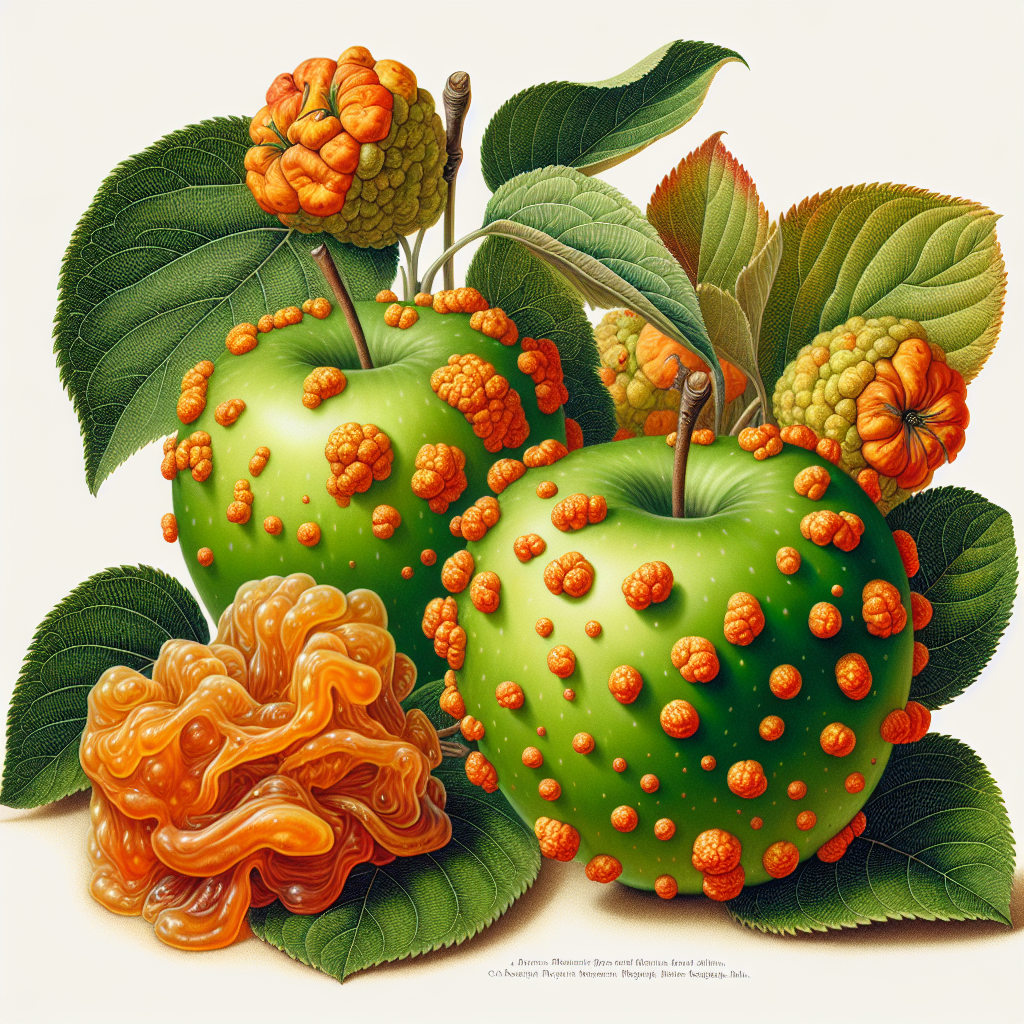
cedar-apple rust
Cedar-apple rust is a fungal disease caused by Gymnosporangium juniperi-virginianae that alternates between apple and cedar trees, producing distinctive orange spore horns on cedars and yellow spots on apple leaves and fruit. It causes significant defoliation, fruit deformation, and yield losses in apple orchards, particularly in eastern North America. Effective management requires breaking the disease cycle through cultural practices, resistant varieties, and targeted organic fungicides.
View Profile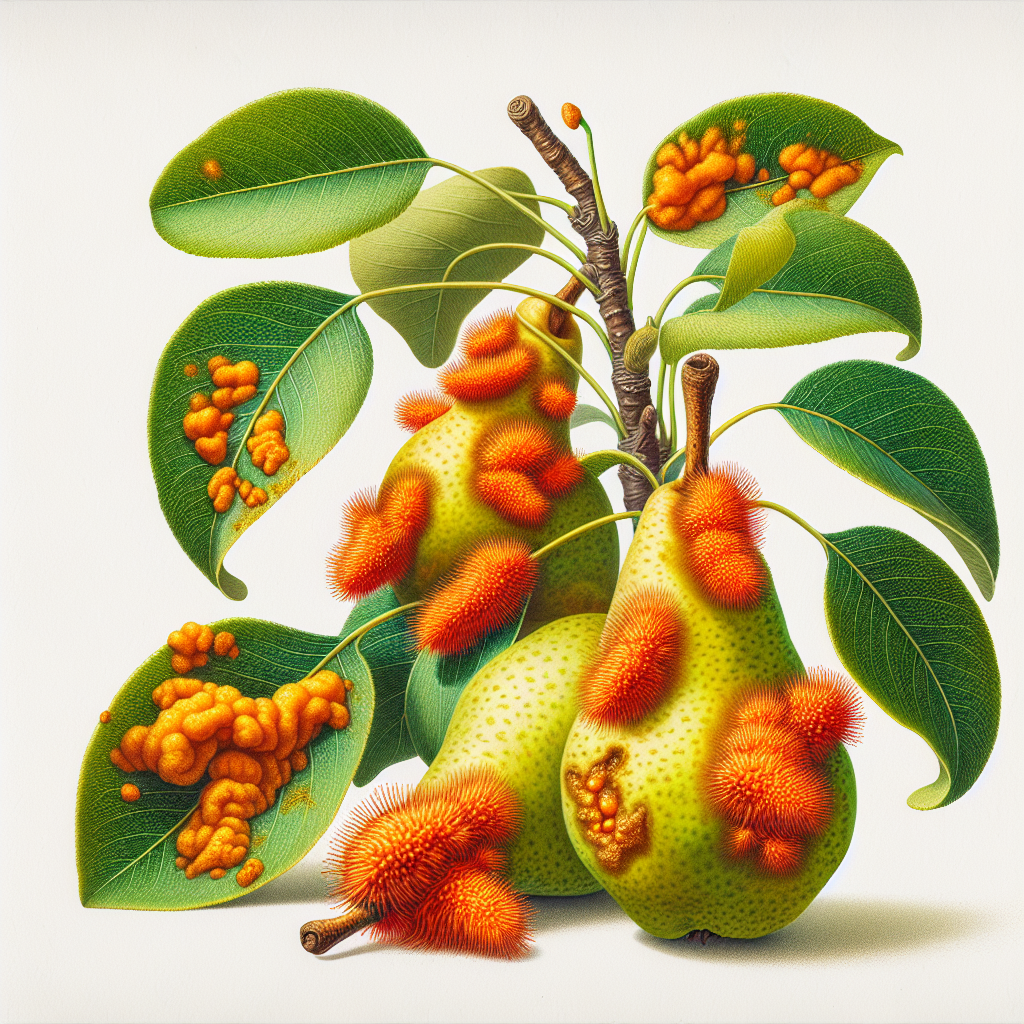
cedar-pear rust
Cedar-pear rust is a fungal disease caused by Gymnosporangium clavipes that alternates between Eastern red cedar (Juniperus virginiana) and pear trees (Pyrus spp.), producing distinctive orange spore horns on pears and galls on cedars. It causes significant defoliation, fruit deformation, and reduced yields in pears, particularly in the eastern and central US. Effective management requires breaking the lifecycle through cultural practices and resistant varieties.
View Profile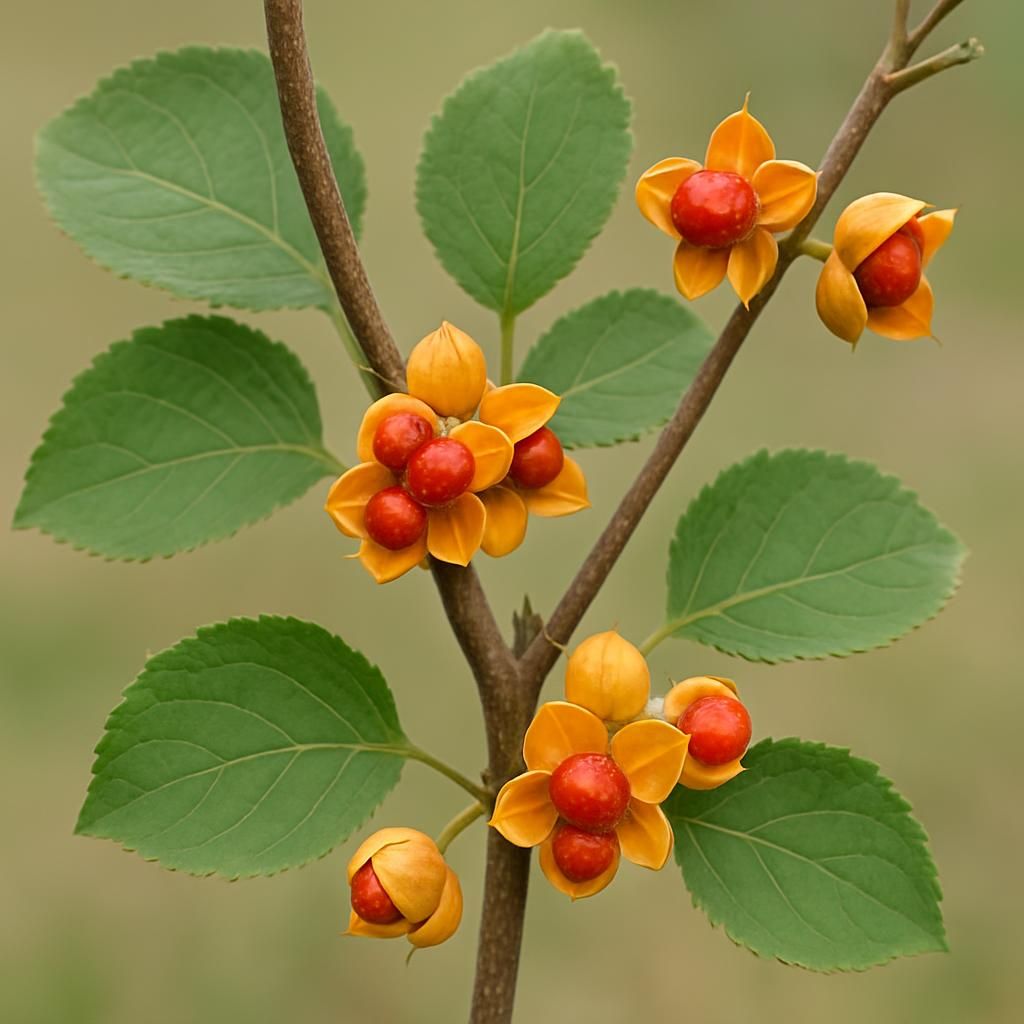
Celastrus orbiculatus
Celastrus orbiculatus, commonly known as Oriental bittersweet, is a highly invasive woody vine that poses severe threats to agricultural systems, native ecosystems, and managed landscapes. This guide provides professional diagnostic criteria, lifecycle details, and integrated management strategies for controlling infestations in farm and orchard settings.
View Profile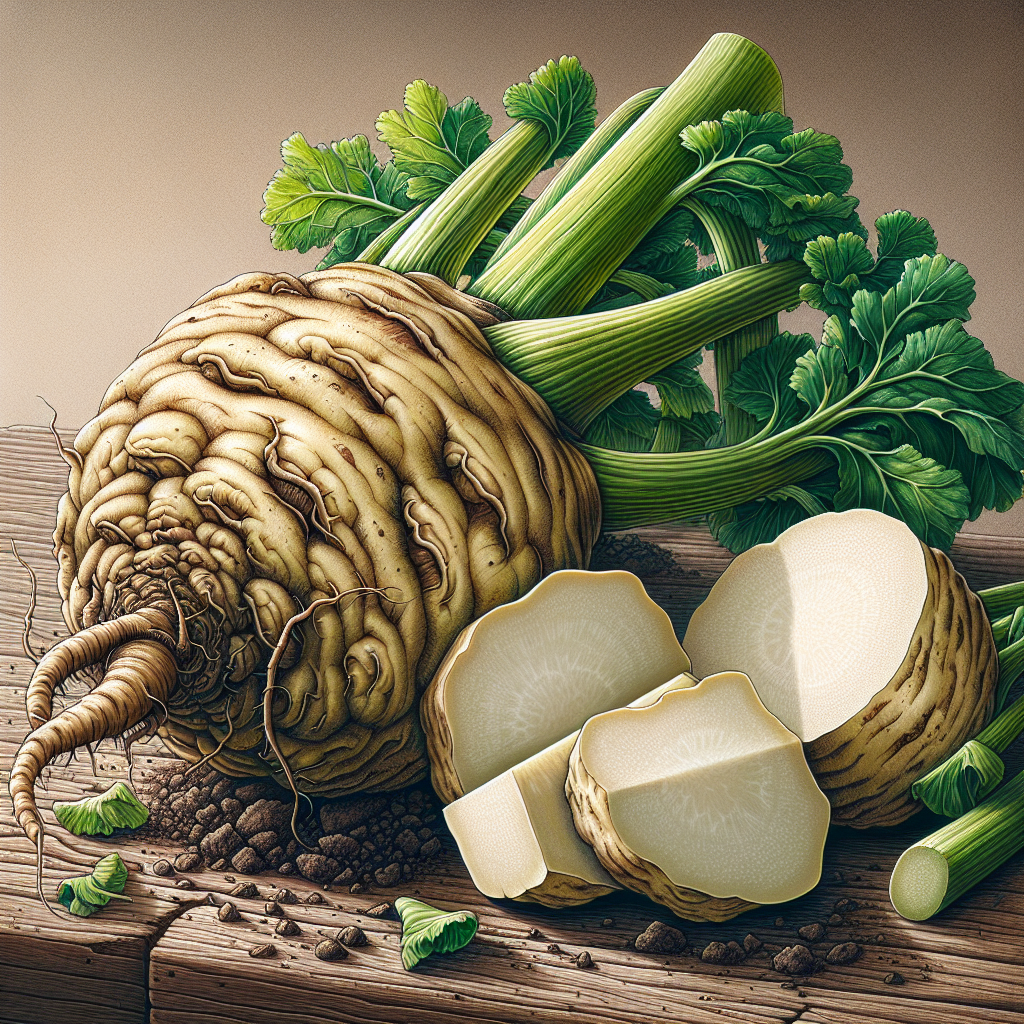
Celeriac
Celeriac, also known as celery root, is a root vegetable pest that infests Apiaceae family crops, causing significant yield losses through root damage and foliage destruction. This guide provides comprehensive diagnostics, lifecycle insights, and organic management strategies for effective control. Farmers can prevent outbreaks by understanding environmental triggers and implementing integrated pest management.
View Guide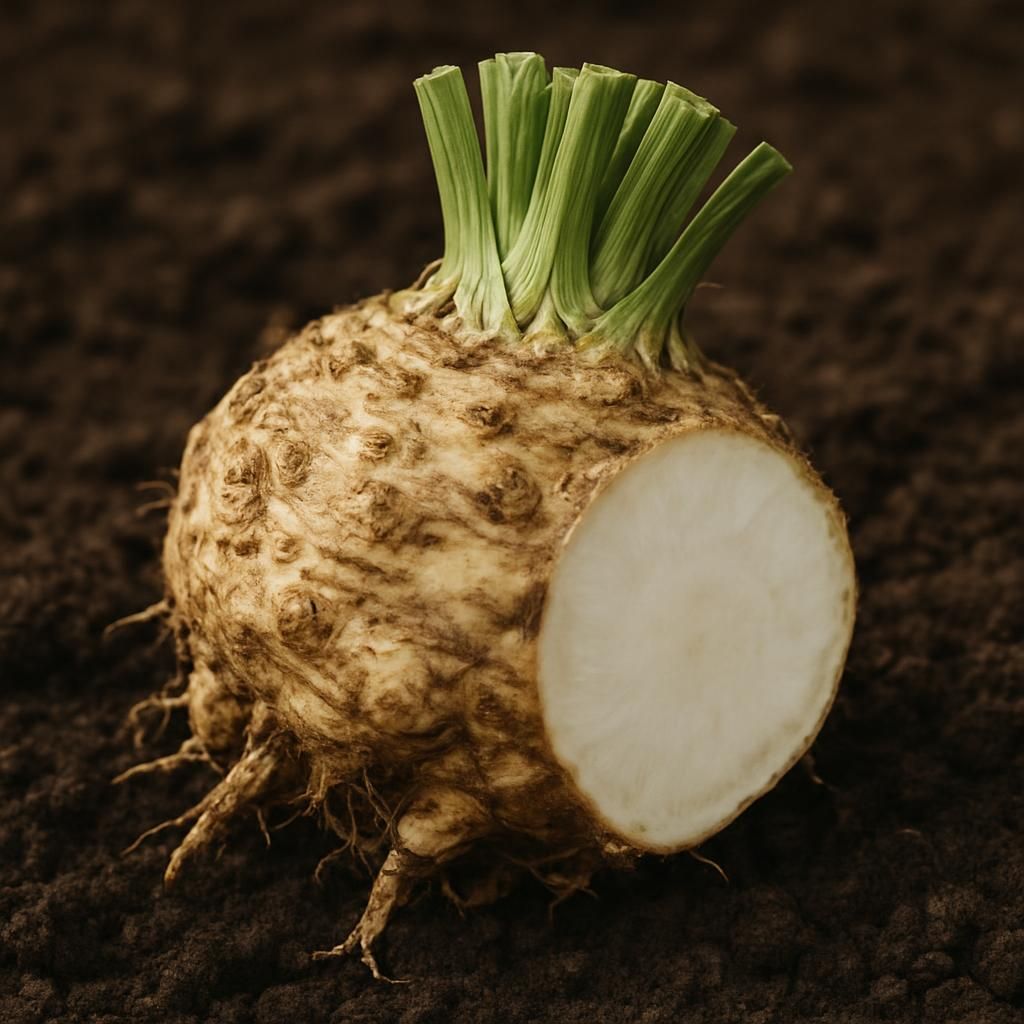
Celeriac (Giant Prague)
Celeriac (Giant Prague) is a cool-season root vegetable prized for its large, knobby, edible hypocotyl that combines celery flavor with turnip-like texture. This comprehensive guide covers every stage from soil preparation through harvest and storage, delivering professional-grade advice for reliable yields.
View Guide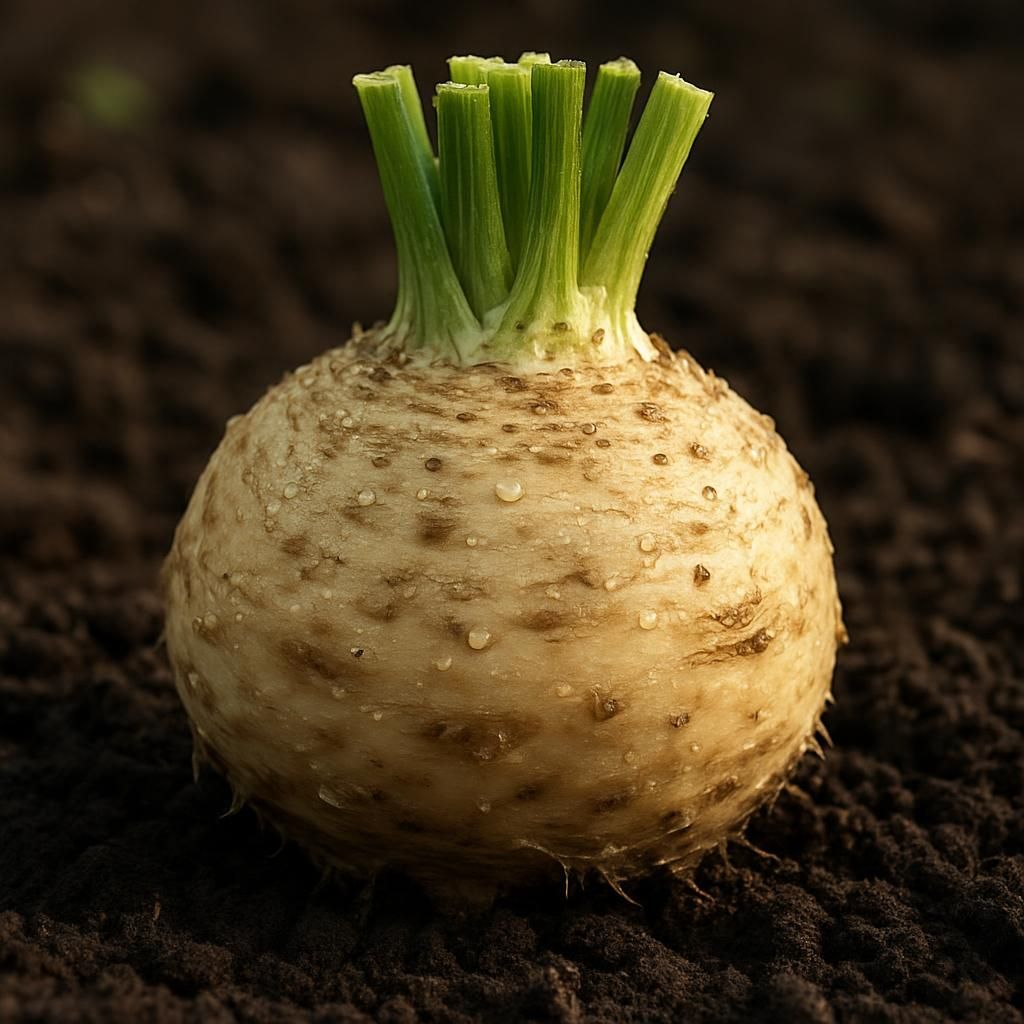
Celeriac (Mars)
Celeriac (Mars) is a cold-hardy root vegetable prized for its large, flavorful hypocotyl and aromatic foliage. This comprehensive guide covers every stage from soil preparation through storage, delivering professional-grade advice for reliable yields.
View Guide
celery
Celery (Apium graveolens) is a cool-season crop prone to numerous pests and diseases that can devastate yields if not managed properly. This guide provides definitive diagnostics for symptoms, lifecycle insights, organic treatments, and prevention strategies tailored for small farms and home gardeners. Learn to identify, control, and prevent celery issues to ensure bountiful harvests.
View Guide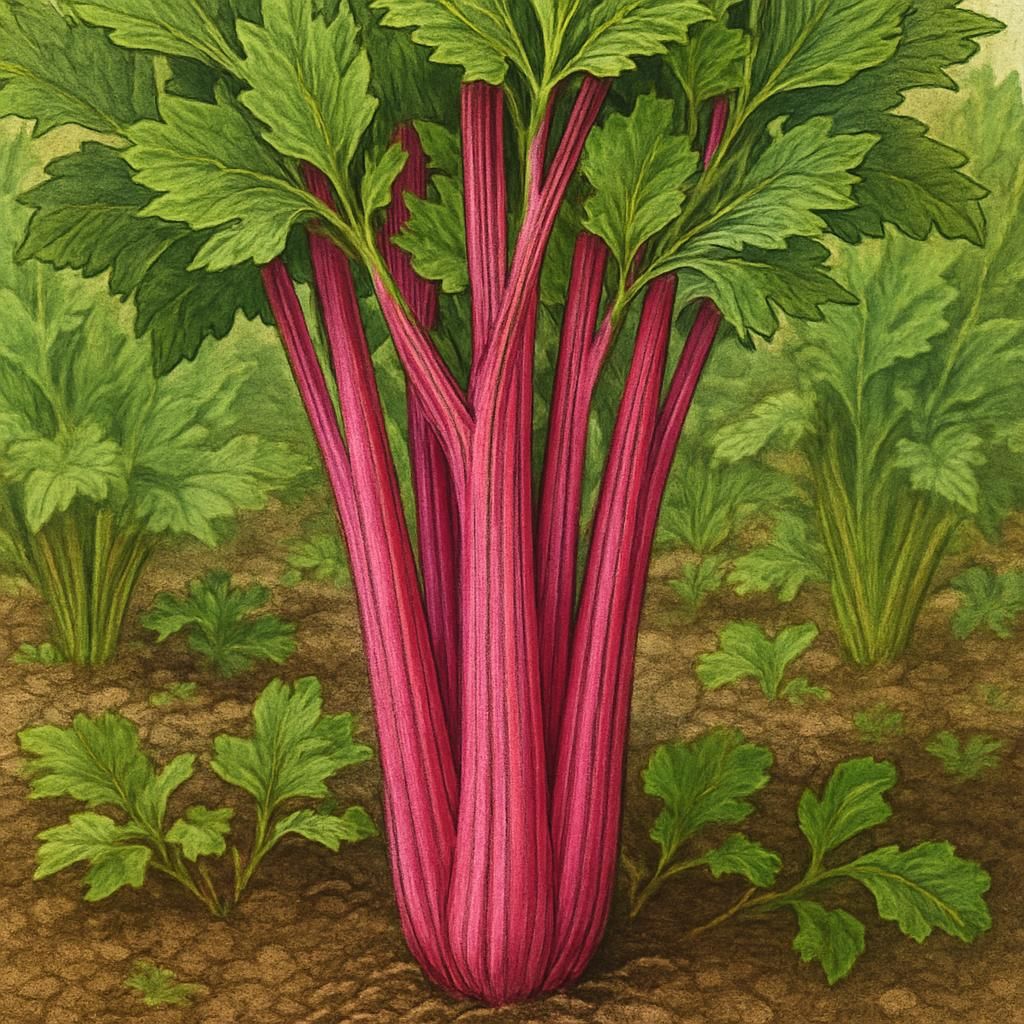
Celery (Pink)
Pink Celery is a beautiful and striking variation of celery known for its vibrant pink stalks. It is not only a feast for the eyes but also offers a crisp texture and a subtly sweet flavor, making it a unique addition to your garden and kitchen.
View Guide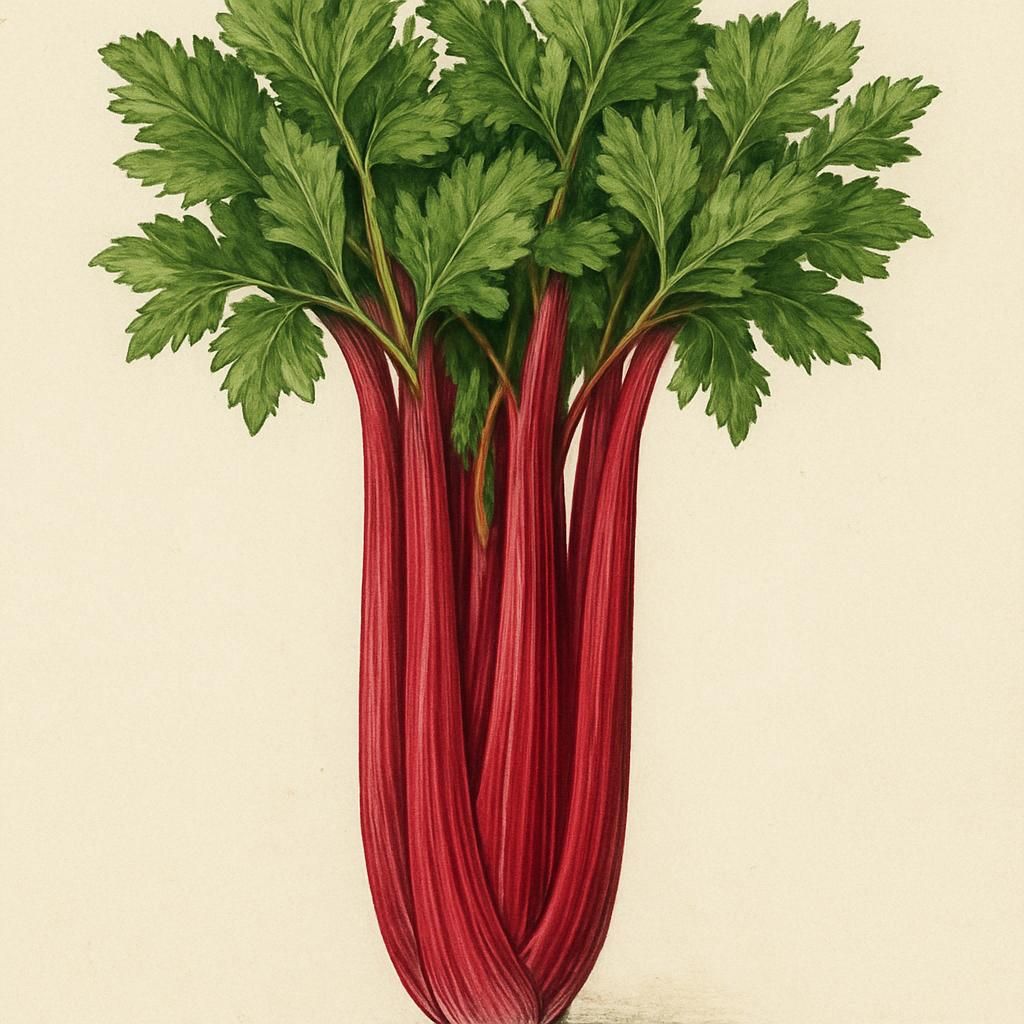
Celery (Redventure)
Redventure celery is a vibrant and flavorful variety known for its striking red stalks and strong growth characteristics, making it a unique addition to any garden. It thrives in cool climates and requires specific care to achieve its optimal yield.
View Guide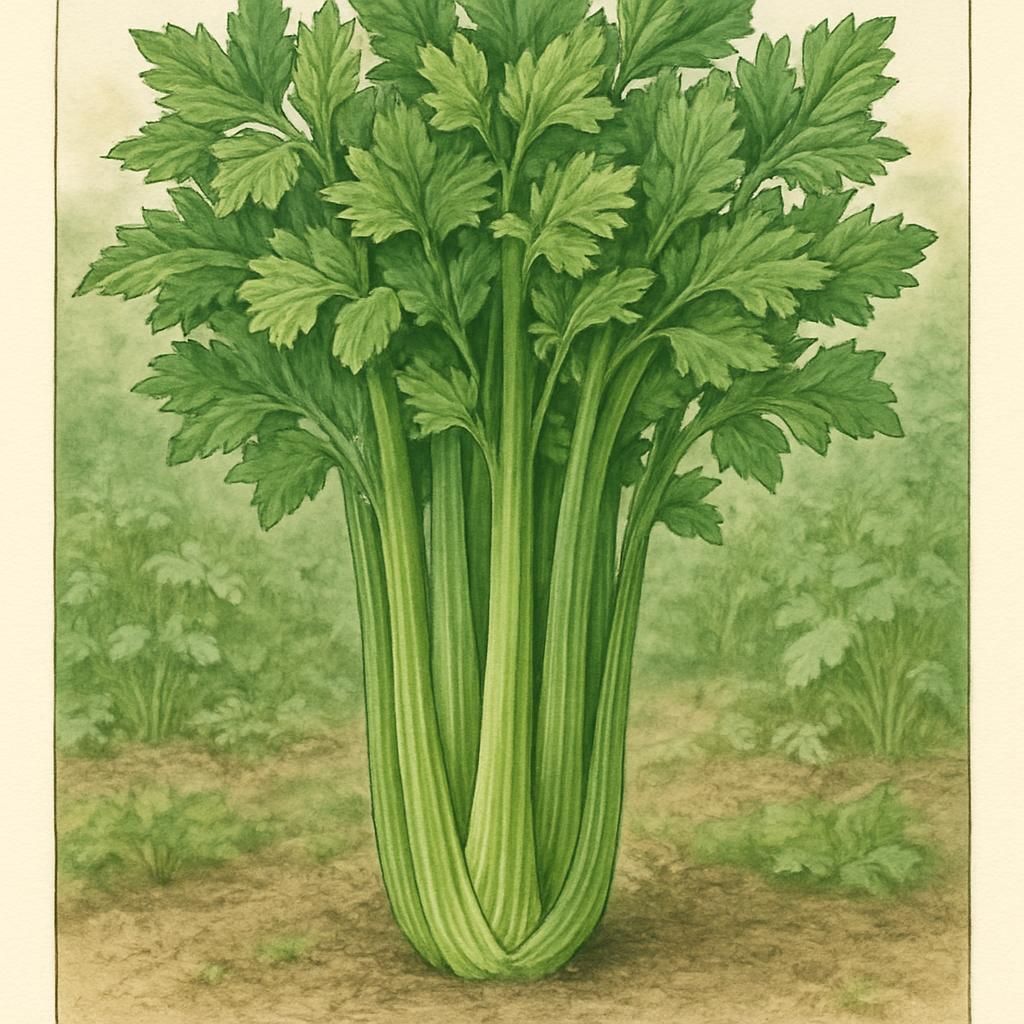
Celery (Tall Utah)
Celery 'Tall Utah' is a favored cultivar known for its crisp, vibrant green stalks and robust flavor. Ideal for moderate climates, this variety thrives in well-drained, nutrient-rich soils and is prized for its culinary versatility.
View Guide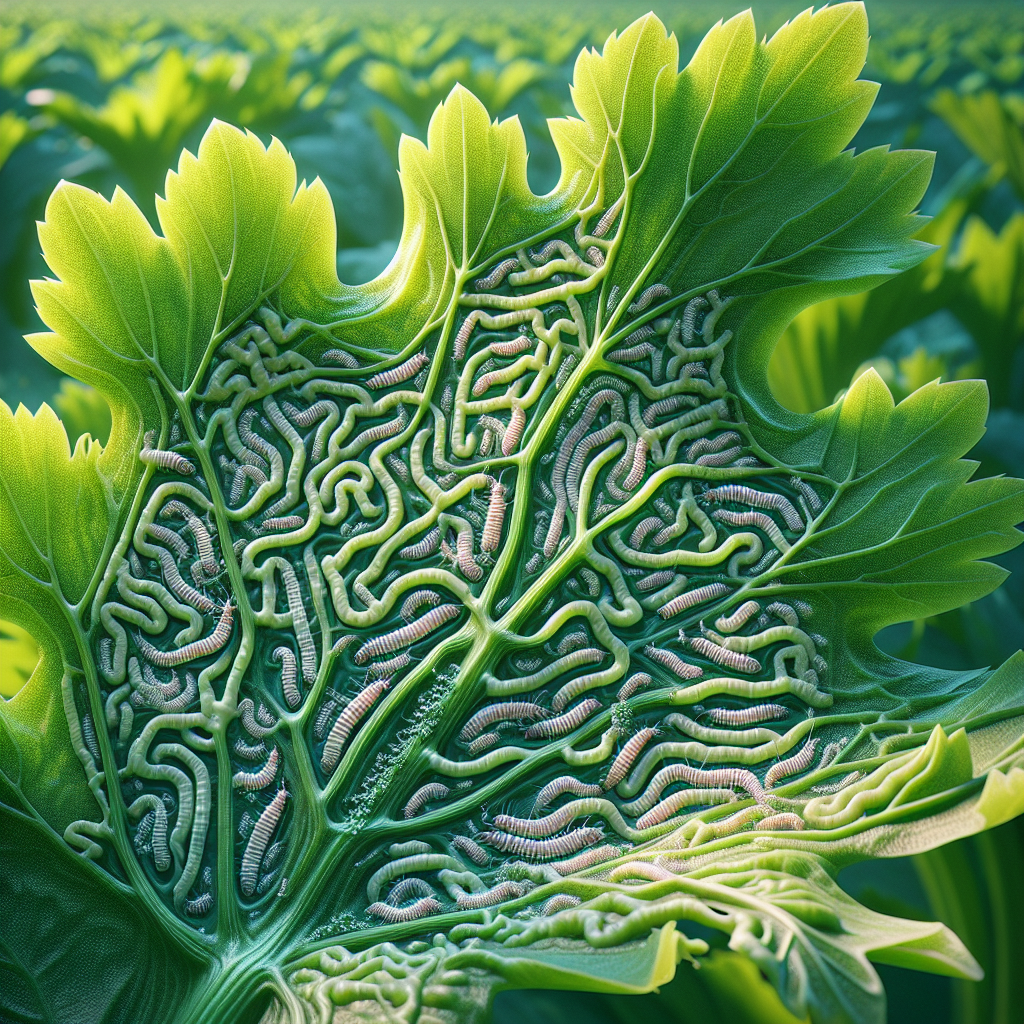
Celery Fly
The celery fly (Euleia heraclei) is a significant pest of celery and related crops, with larvae mining leaves and causing severe damage. This guide provides comprehensive diagnostics, lifecycle insights, organic management strategies, and prevention tips for farmers. Effective control combines monitoring, cultural practices, and biological agents to protect yields.
View Profile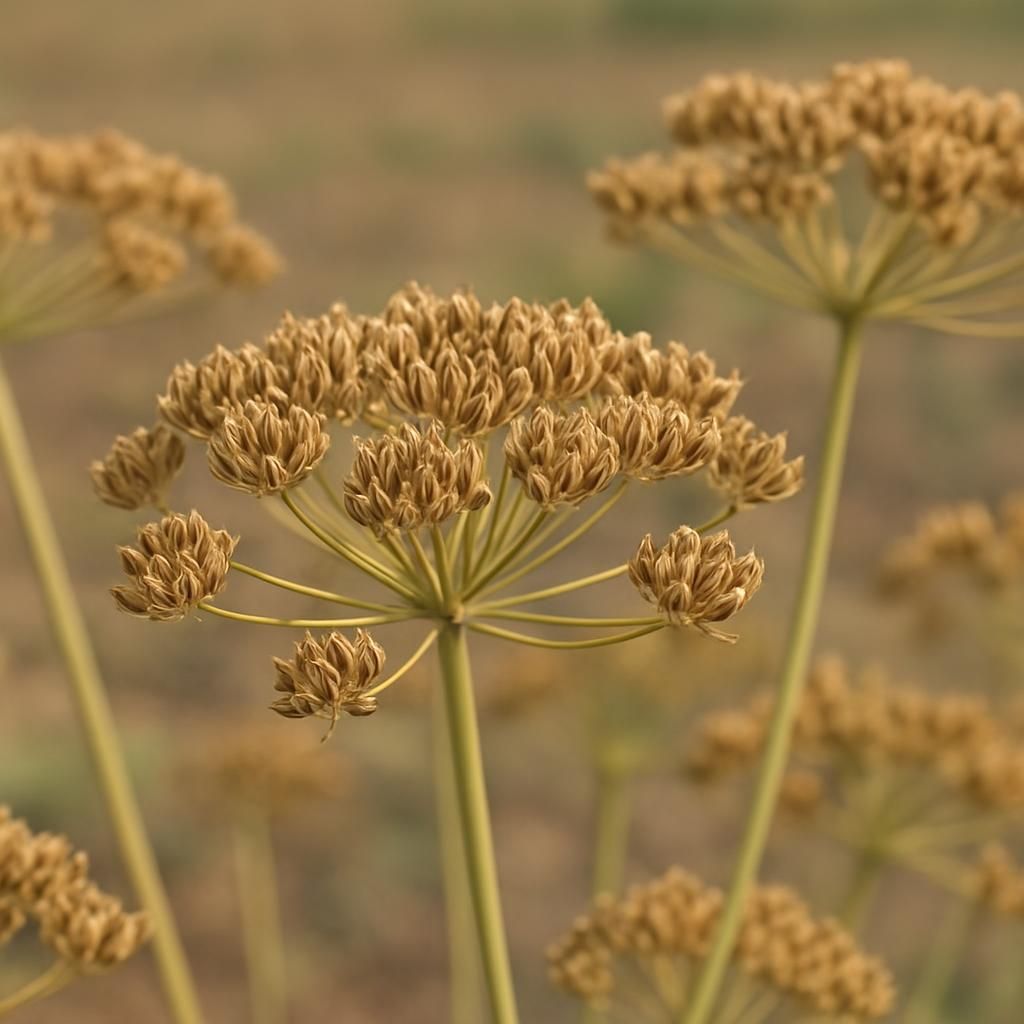
Celery Seed
Celery seed is a high-value biennial crop grown primarily for its aromatic seeds used in culinary, medicinal, and essential oil markets. This comprehensive guide covers soil preparation, planting techniques, irrigation schedules, pest management, and harvesting protocols for commercial and home growers seeking reliable yields.
View Guide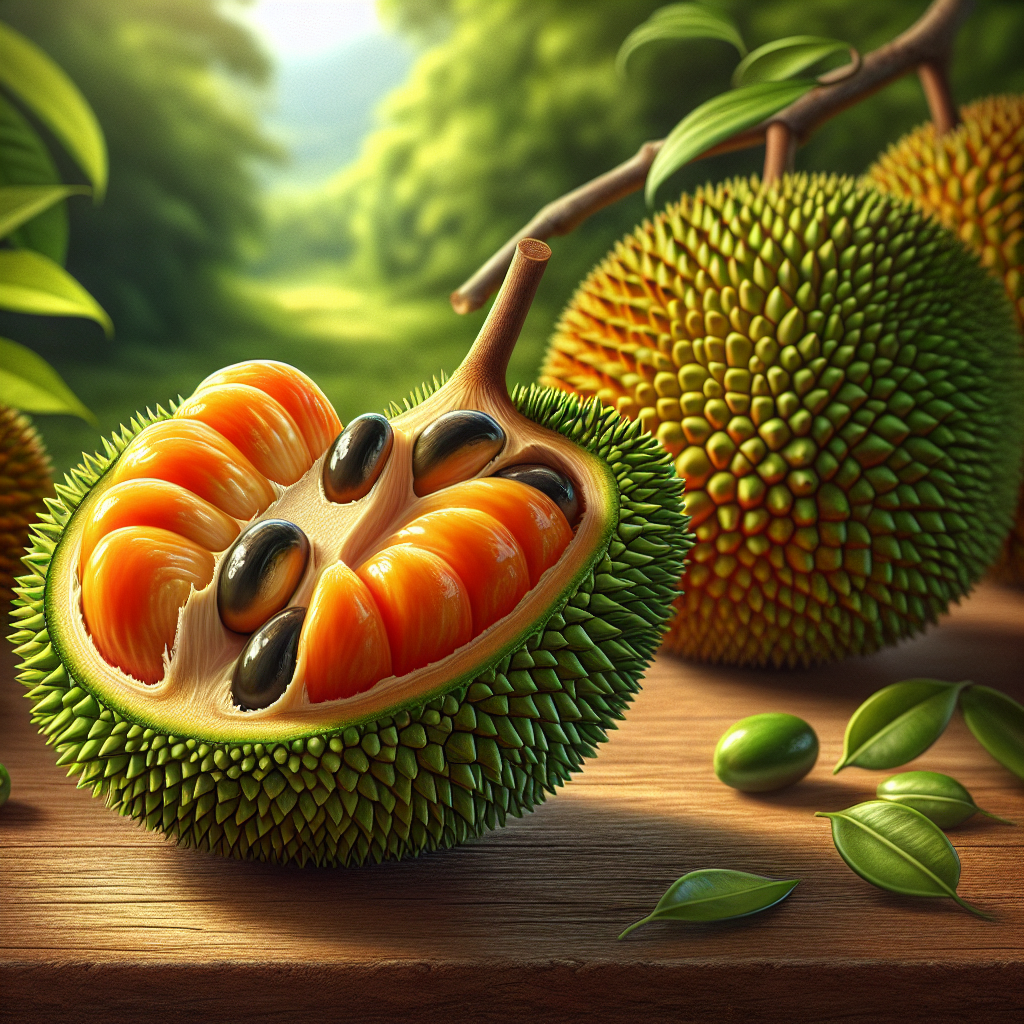
Cempedak (CH28)
Cempedak (CH28) is a premium hybrid cultivar of the tropical jackfruit relative, prized for its exceptionally sweet, creamy flesh and high yield potential in humid climates. This guide provides professional growers with detailed protocols for propagation, care, pest management, and harvesting to maximize productivity. Ideal for small farms seeking profitable exotic fruit crops.
View Guide
Cercospora
Cercospora is a genus of fungal pathogens causing leaf spot diseases in a wide range of crops. It leads to significant yield losses if unmanaged, manifesting as small, circular lesions on leaves. This guide provides comprehensive insights into diagnosis, management, and prevention strategies for farmers.
View Profile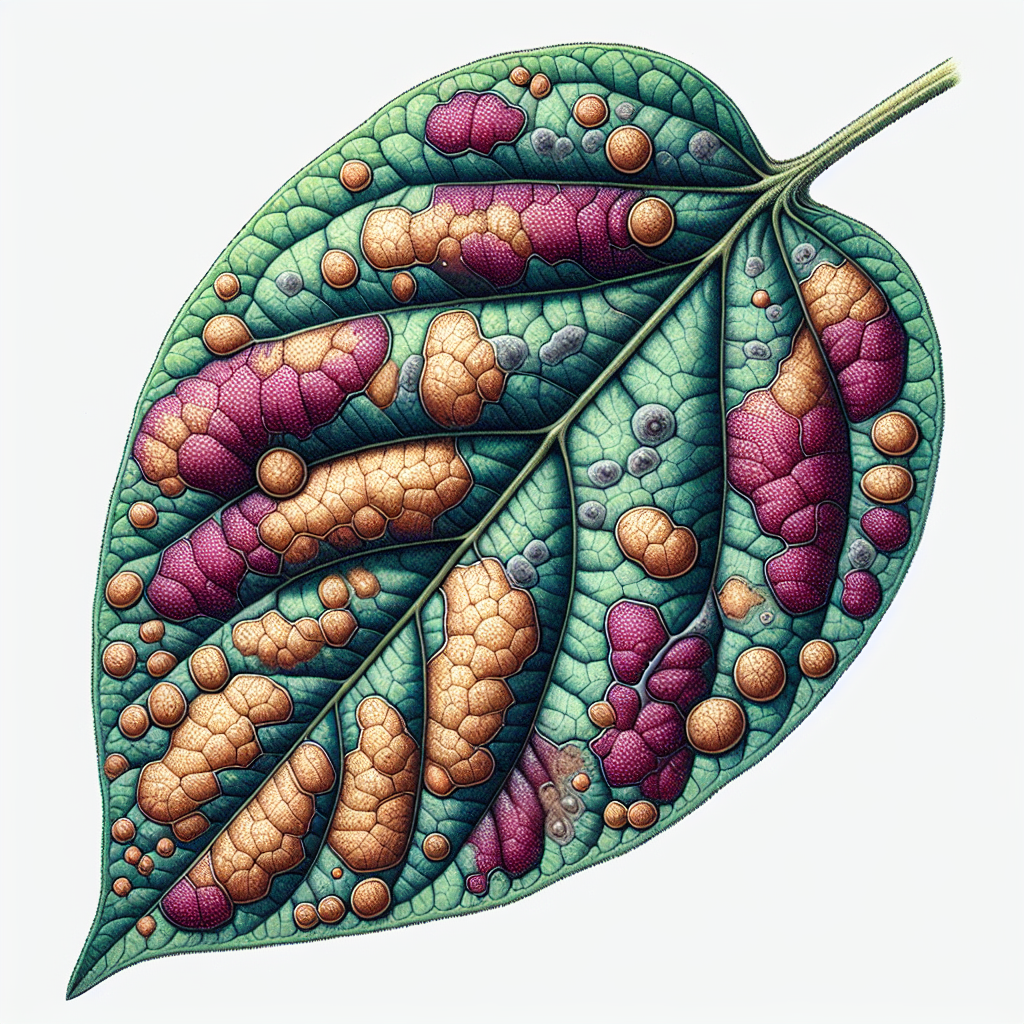
Cercospora leaf blight
Cercospora leaf blight is a widespread fungal disease caused by Cercospora species that primarily affects leaves of various crops, leading to significant yield losses through premature defoliation and reduced photosynthesis. It thrives in warm, humid conditions and spreads via spores, making early detection and management crucial for agricultural success. This guide provides comprehensive diagnostic, organic control, and prevention strategies for affected crops.
View Profile
Cercospora leaf disease
Cercospora leaf disease is a widespread fungal infection causing characteristic leaf spots that lead to defoliation and reduced crop yields. It affects numerous crops under warm, humid conditions, with management relying on cultural practices, resistant varieties, and targeted organic fungicides. Early detection and prevention are key to minimizing economic losses in agricultural settings.
View Profile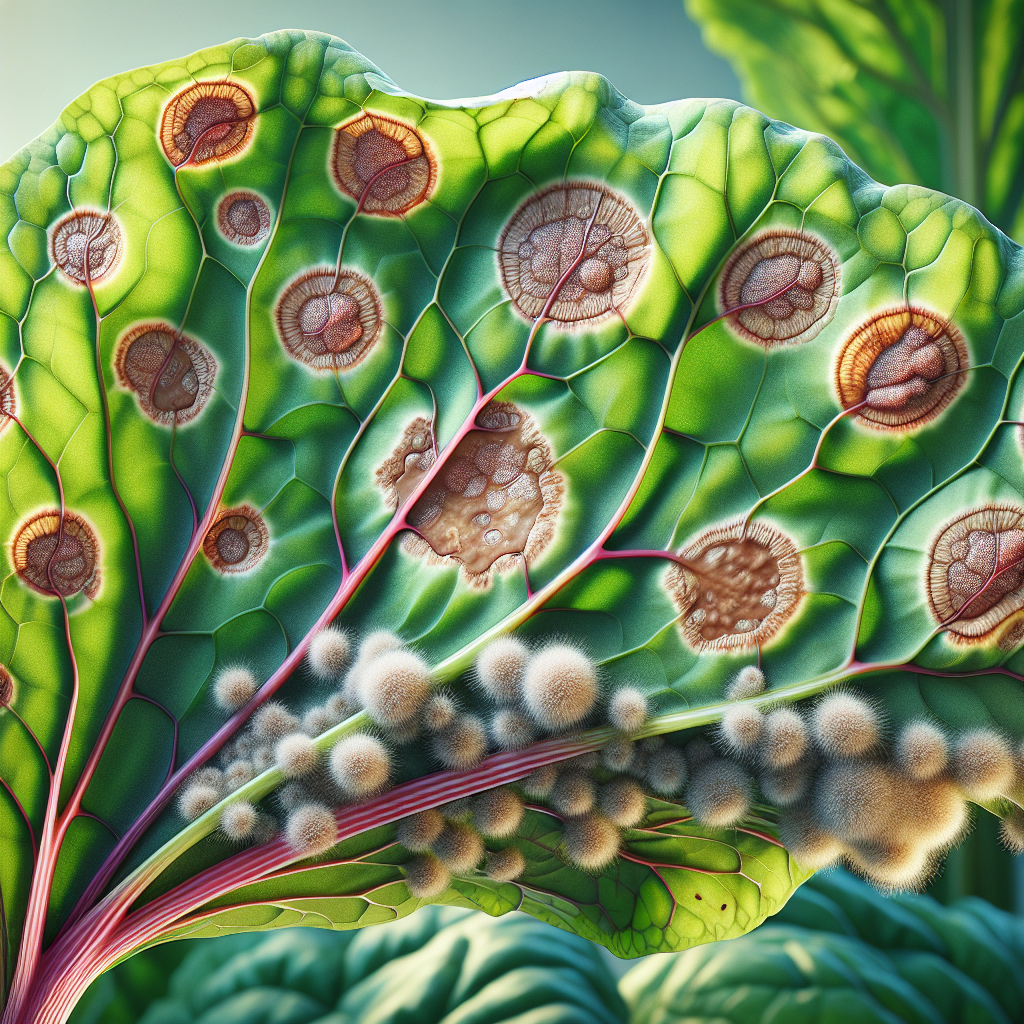
Cercospora leaf spot
Cercospora leaf spot is a widespread fungal disease affecting numerous crops, characterized by circular to irregular spots on leaves that lead to defoliation and reduced yields. Caused by various Cercospora species, it thrives in warm, humid conditions and spreads via spores. Effective management relies on cultural practices, resistant varieties, and timely organic fungicide applications.
View Profile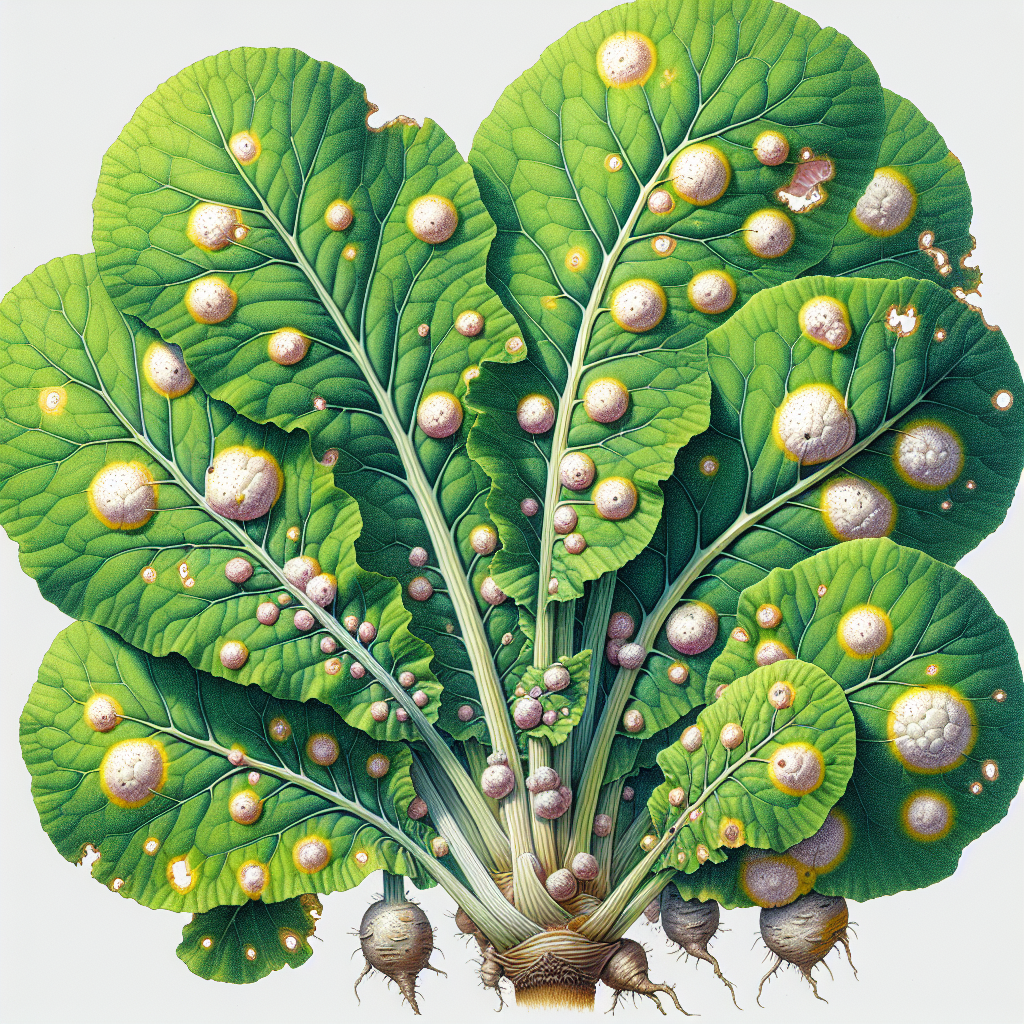
Cercospora spot
Cercospora spot is a widespread foliar disease caused by fungi in the Cercospora genus, leading to leaf spots, yellowing, and reduced yields in many crops. It thrives in warm, humid conditions and spreads via spores. Effective management relies on cultural practices, resistant varieties, and timely organic fungicides.
View Profile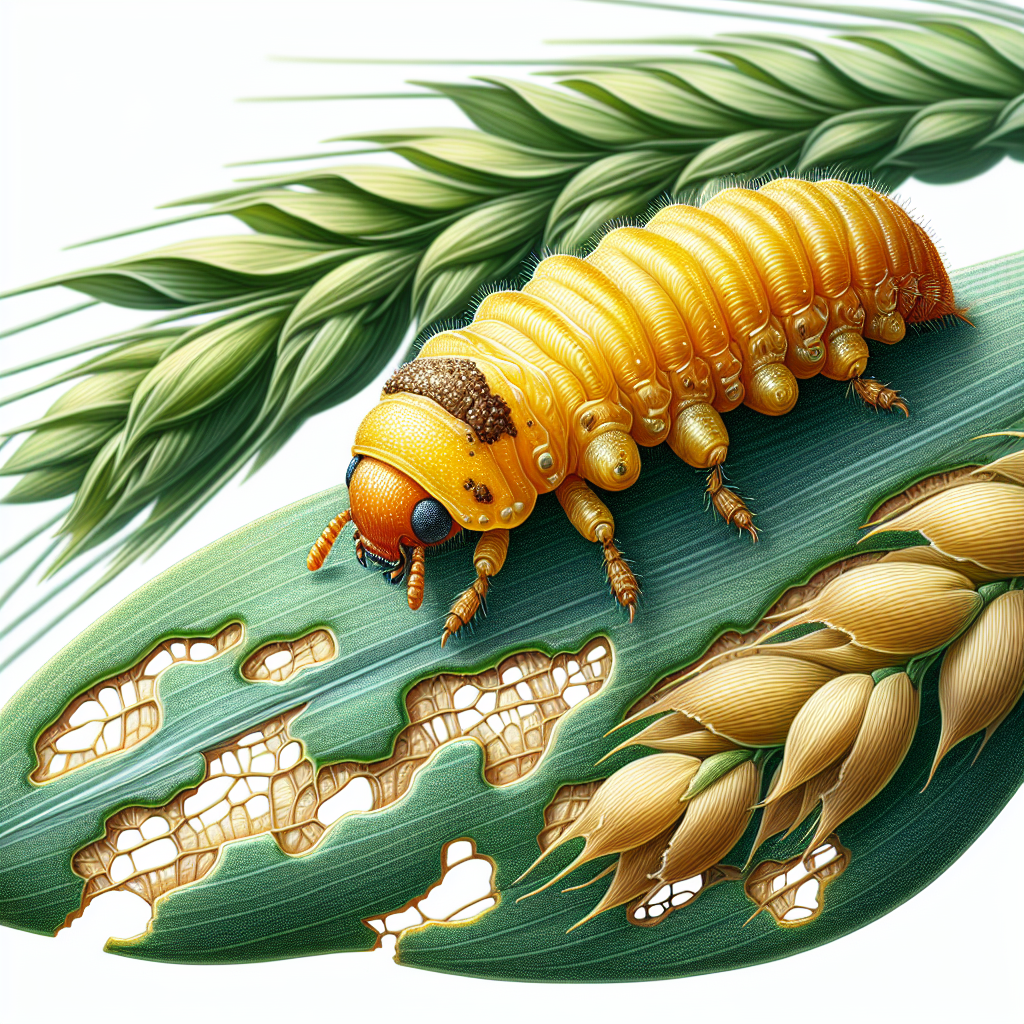
Cereal leaf beetle
The cereal leaf beetle (Oulema melanopus) is a significant pest of cereal crops like wheat, barley, and oats, where larvae skeletonize leaves, reducing photosynthesis and yield. Native to Europe, it has spread across North America, causing economic losses in grain production. Effective management combines monitoring, biological controls, and resistant varieties for sustainable control.
View Profile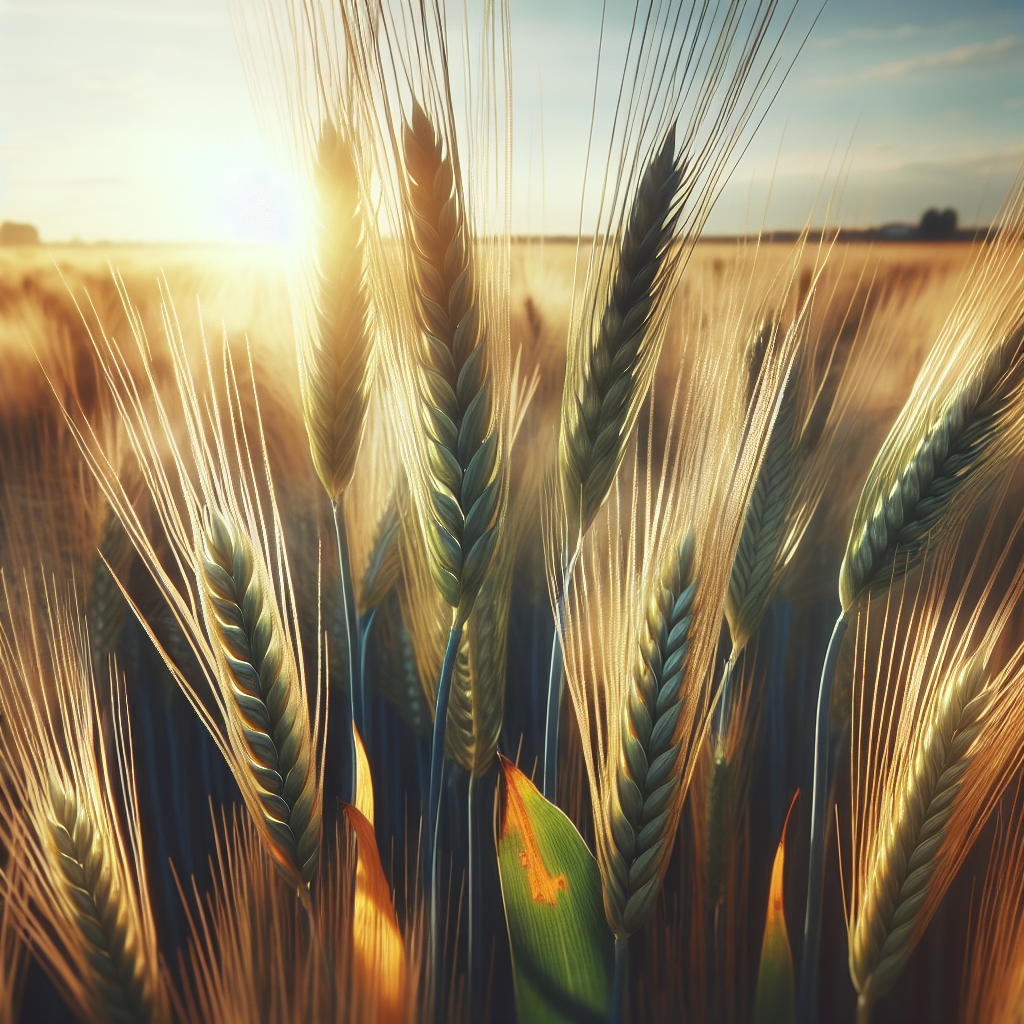
Cereal Rye
Cereal rye is a cold-hardy annual grain prized for its exceptional winter survival, vigorous root system, and versatility as a grain, forage, and cover crop. It is one of the most reliable cereals for marginal soils, erosion control, weed suppression, and nutrient scavenging, making it valuable for both commercial farms and diversified smallholdings.
View Guide
Ceylon Cinnamon
Ceylon cinnamon is the true cinnamon tree, prized for its thin, delicate inner bark, refined aroma, and sweeter, more complex flavor than cassia types. Native to Sri Lanka and best suited to humid tropical conditions, it is managed as a coppiced perennial shrub or small tree for repeated bark harvests over many years.
View Guide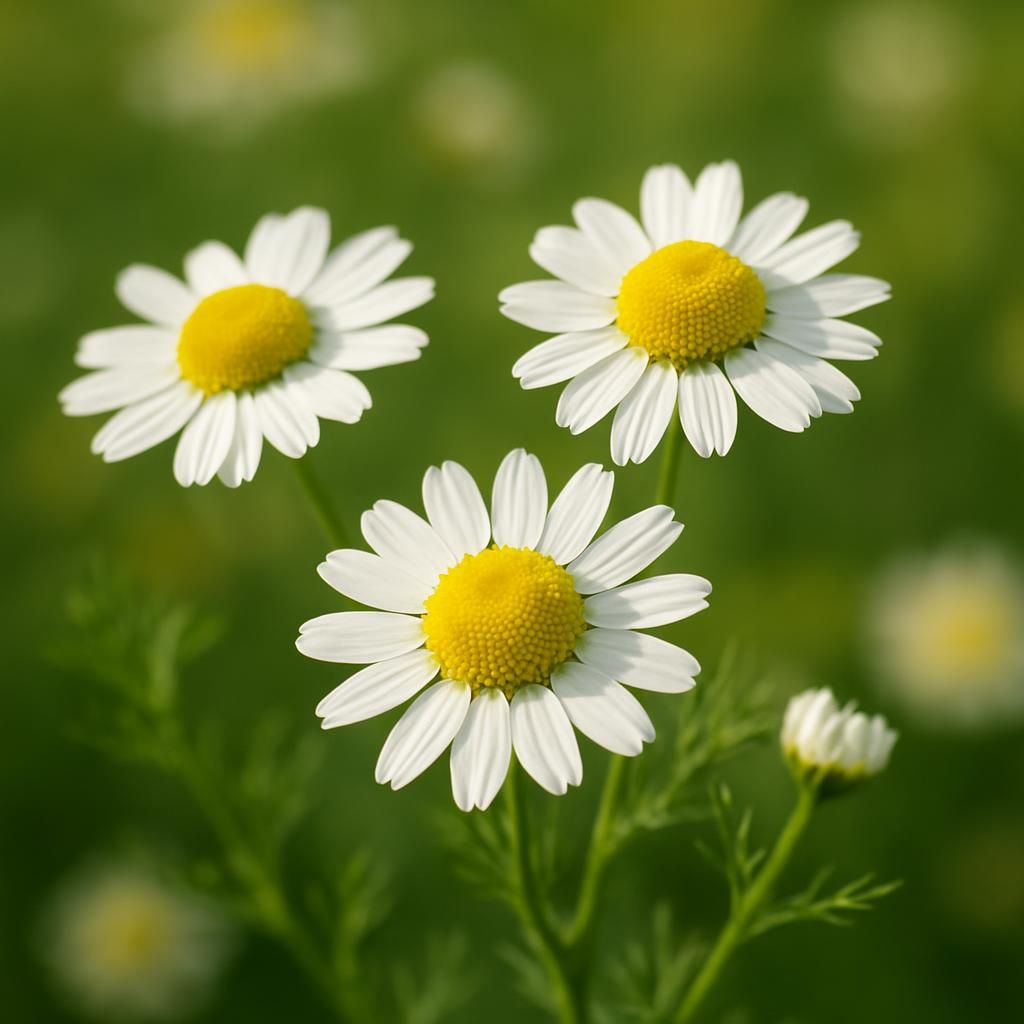
Chamomile Flower
Chamomile is a low-growing annual herb prized for its fragrant, daisy-like flowers used in teas, cosmetics, and herbal medicine. This guide covers soil preparation, planting, care, harvesting, and organic pest management for reliable commercial or home production.
View Guide
Chandler Strawberry
Chandler Strawberry is a classic short-day strawberry cultivar prized for its exceptionally large, glossy fruit, rich aroma, and excellent fresh-market quality. Developed for mild winter and spring production, it remains one of the most important varieties for growers seeking high flavor, attractive berries, and strong early-to-midseason yields under careful management.
View Guide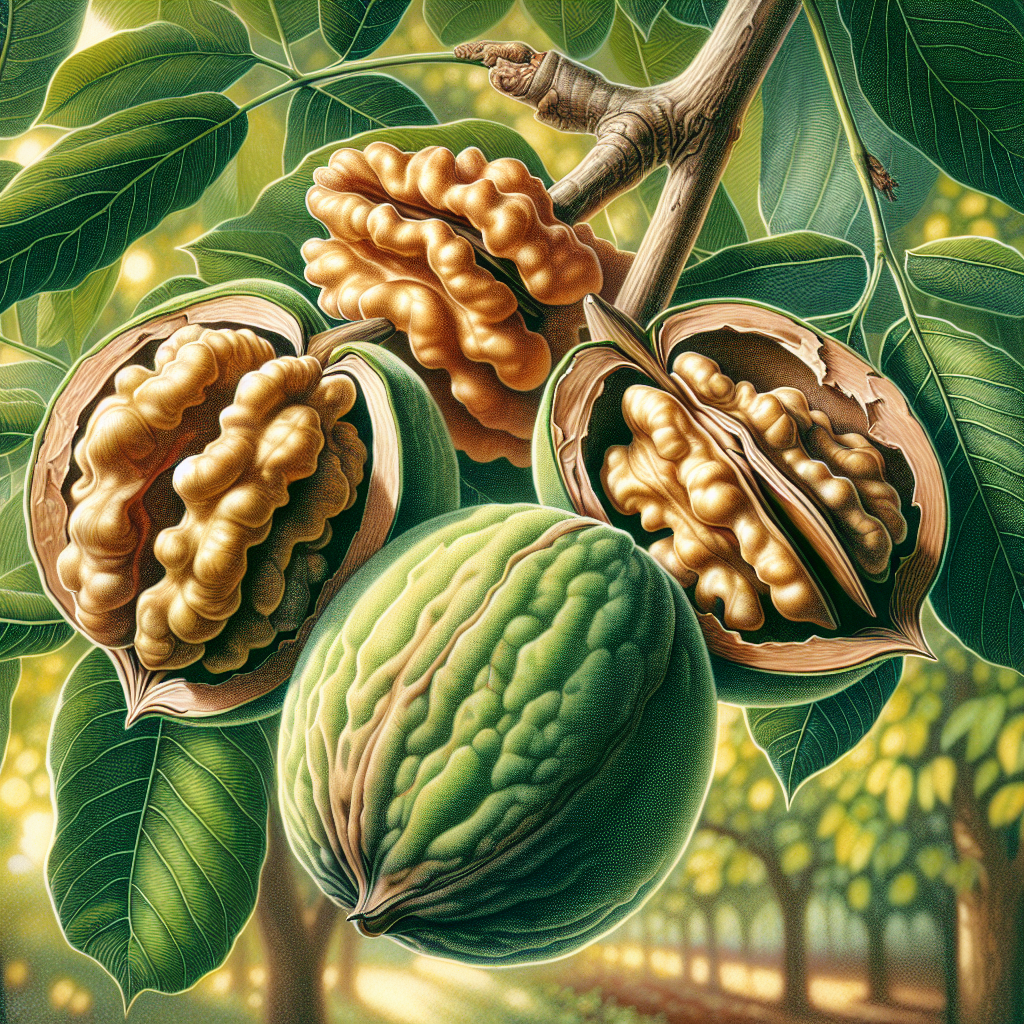
Chandler Walnut
Chandler Walnut is a late-leafing, high-yield variety of English walnut prized for its large, thin-shelled nuts and resistance to walnut blight. Developed in California, it thrives in Mediterranean climates with deep, well-drained soils, producing heavy crops after 4-5 years. This guide provides professional cultivation techniques for optimal growth, pest management, and harvest.
View Guide