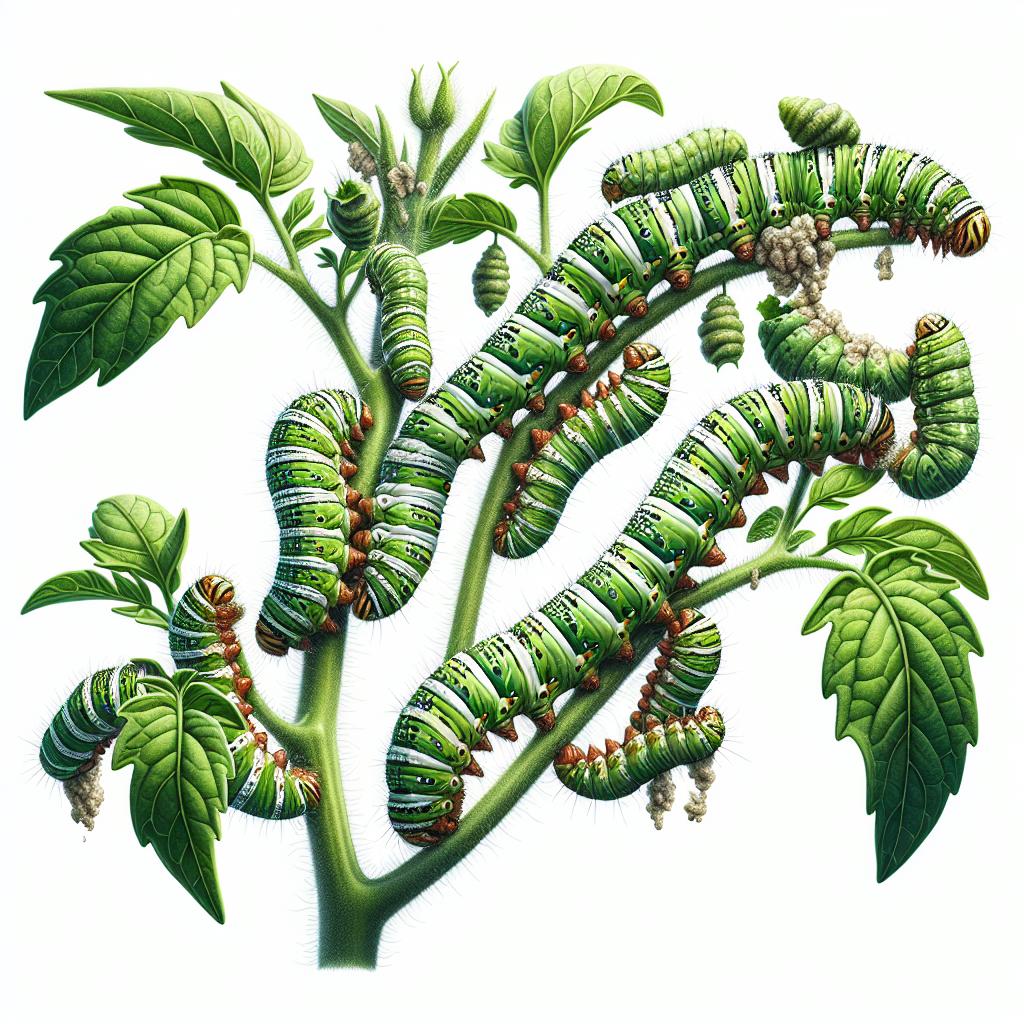
Introduction to caterpillar pests
Caterpillar pests represent one of the most widespread and destructive challenges in modern agriculture, affecting a broad spectrum of crops from vegetables to fruits and field staples. These voracious larvae of Caterpillars (pest) from the order Lepidoptera—moths and butterflies—can defoliate entire fields overnight, leading to yield reductions of up to 80% in severe infestations. Unlike adult butterflies, which pollinate, caterpillars are relentless herbivores with chewing mouthparts designed to shred leaves, bore into fruits, and tunnel through stems.
Farmers worldwide battle species like armyworms, cutworms, cabbage loopers, tomato hornworms, and corn earworms, each with unique feeding habits but shared devastating impacts. Early detection is key, as small populations explode rapidly under favorable conditions. This definitive guide equips growers with professional-grade diagnostics, lifecycle knowledge, organic treatments, and prevention tactics to safeguard harvests. By integrating cultural, biological, and minimal chemical controls, you can minimize losses while promoting sustainable farming. For more on spring pest management, check this Spring Pest Patrol: Organic AI Strategies to Shield Your Crops from Common Invaders.
Understanding caterpillar biology unlocks effective management. These pests thrive in warm, humid environments, migrating via wind or adult flight. Economic thresholds vary: in tomato fields, 1-2 caterpillars per plant warrant action; in corn, 20% defoliation signals intervention. Proactive scouting—weekly inspections of undersides and new growth—prevents escalation. Integrated Pest Management (IPM) combines monitoring, thresholds, and layered defenses for long-term control.
Identifying Symptoms & Damage
Spotting caterpillar damage early prevents crop devastation. Primary signs include skeletonized leaves, where only veins remain after chewing; large irregular holes in foliage; and frass—dark green or black droppings resembling sawdust or pellets—often webbed with silk. Look for chewed edges on young plants, wilting from stem girdling by cutworms (pest), or entry holes in fruits signaling borers like corn earworms.
Physical evidence confirms infestation: smooth or hairy larvae up to 2 inches long, often green, brown, or striped with prolegs. Hornworms on tomato and eggplant boast prominent horns; armyworms form trails across cabbage heads. Differentiate from slugs (pest) by irregular chewing vs. smooth holes, or aphids (pest) by sap-sucking stippling.
Damage severity escalates quickly. Neonates (1st instar) rasp leaf surfaces; mature larvae devour entire plants. In fruits like apple, scarring reduces market value; in grains like wheat, head clipping aborts seeds. Use a 10x hand lens for eggs (clusters on undersides) or pupae in soil. Night scouting with blacklights reveals nocturnal feeders. Document with photos for IPM records, noting density per square meter for thresholds.
Secondary symptoms include sooty mold from honeydew (if ants farm them) or viral spread via contaminated tools. Yield impacts: 30-50% leaf loss halves photosynthesis; fruit damage invites Botrytis (disease) rot. Scout 20-50 plants per acre, focusing hotspots near field edges.
Lifecycle and Progression of caterpillar pests
Caterpillars complete metamorphosis in 2-6 weeks, depending on species and temperature. Eggs hatch in 3-5 days into neonates, progressing through 5-7 instars. Larvae feed voraciously, molting as they grow, then pupate in soil, cocoons, or plant debris. Adults emerge to mate and lay eggs, restarting cycles 4-8 times per season in tropics.
Key phases: Egg (1-10 days, ridged clusters of 50-1000); Larva (10-30 days, peak damage); Pupa (7-14 days, immobile); Adult (1-4 weeks, nocturnal moths). Armyworms (pest) migrate as armies; loopers lack prolegs, looping while crawling. Temperature drives progression: optimal 75-85°F (24-29°C), slowing below 60°F.
Overwinter as pupae or diapausing larvae in soil. Multiple generations amplify pressure; first in spring on weeds, invading crops. Monitor degree-days: 300-500 for egg hatch in many species. Disrupt at eggs (squash clusters) or pupae (tillage). Understanding timing predicts outbreaks—e.g., corn earworm peaks with corn silking.
Environmental Triggers & Risk Factors
Warm temperatures (above 70°F), high humidity (>70%), and mild winters trigger explosions. Nearby weedy borders harboring alternate hosts like pigweed or lambsquarters serve as reservoirs. Over-fertilization with nitrogen promotes tender, juicy growth attracting feeders. Poor plant spacing reduces airflow, fostering moist microclimates.
Monocultures amplify risk; diverse rotations disrupt cycles. Wind currents carry adults; irrigation mist mimics rain aiding egg survival. Drought-stressed plants emit volatiles luring moths. Soil tillage exposes pupae to predators, but no-till protects beneficials. Climate change extends seasons, boosting generations.
High-risk zones: vegetable belts, fruit orchards, grain fields post-rain. Scout after storms. Companion plants like marigold repel via scents.
Organic Control & Treatment Plans
Organic IPM prioritizes prevention, then biologicals. Cultural: Handpick larvae mornings; drop into soapy water. Till soil post-harvest to bury pupae. Use row covers (lightweight Agribon) excluding adults. Trap crops like nasturtiums divert. Biological: Bacillus thuringiensis (Bt) kurstaki—spray evenings on young larvae (1-3 instar), 1-2 tsp/gal, reapply rain. Effective 90% on loopers, hornworms.
Natural enemies: Release Trichogramma wasps parasitizing eggs (1,000/acre weekly). Encourage birds, lacewings via hedges. Neem oil/azadirachtin disrupts hormones (3% solution, 7-day intervals). Spinosad (organic-approved) for outbreaks, targeting nervous systems.
Treatment ladder: Scout weekly; <threshold, monitor. Threshold hit: Bt first, then spinosad/neem. Rotate modes. Foliar sprays cover undersides. For borers, inject Bt into tunnels. Monitor efficacy 3-7 days post-application. Avoid broad-spectrum to preserve predators.
Preventing caterpillar pests in the Future
Build resilience via IPM foundations. Crop rotation (2-3 years) starves soil pupae. Plant resistant varieties: Bt-corn hybrids, collards with waxy leaves. Time planting to miss peak flights—e.g., cabbage post-armyworm hatch. Intercrop repellents: thyme, yarrow, onions.
Perimeter traps (pheromone for moths) + yellow sticky cards capture adults. Mulch suppresses soil emergence. Reflective mulches deter egg-laying. Scout grids: 1/10th field weekly. Threshold apps track degree-days. Clean equipment avoids spread. Post-harvest: destroy residues, deep plow.
Long-term: Diverse landscapes boost predators (birds, wasps). Cover crops like clover feed beneficials. Monitor weather for migrations. Annual plans integrate scouting, thresholds, layered controls for <5% loss.
Crops Most Affected by caterpillar pests
Vegetables top the list: cabbage, broccoli, kale suffer cabbage loopers/diamondbacks; tomato, potato host hornworms; corn battles earworms/armyworms. Fruits: apple, grapes face codling/leafrollers. Fields: soybeans, cotton with bollworms.
Brassicas lose 50% yield; cucurbits to pickleworms; grains clipped at ears. Tropicals like mango, banana see fruit borers. Global staple rice fights stem borers. Prioritize high-value like strawberry with armyworms.