Encyclopedia
Definitive guides for crops, pests, and agricultural diseases.
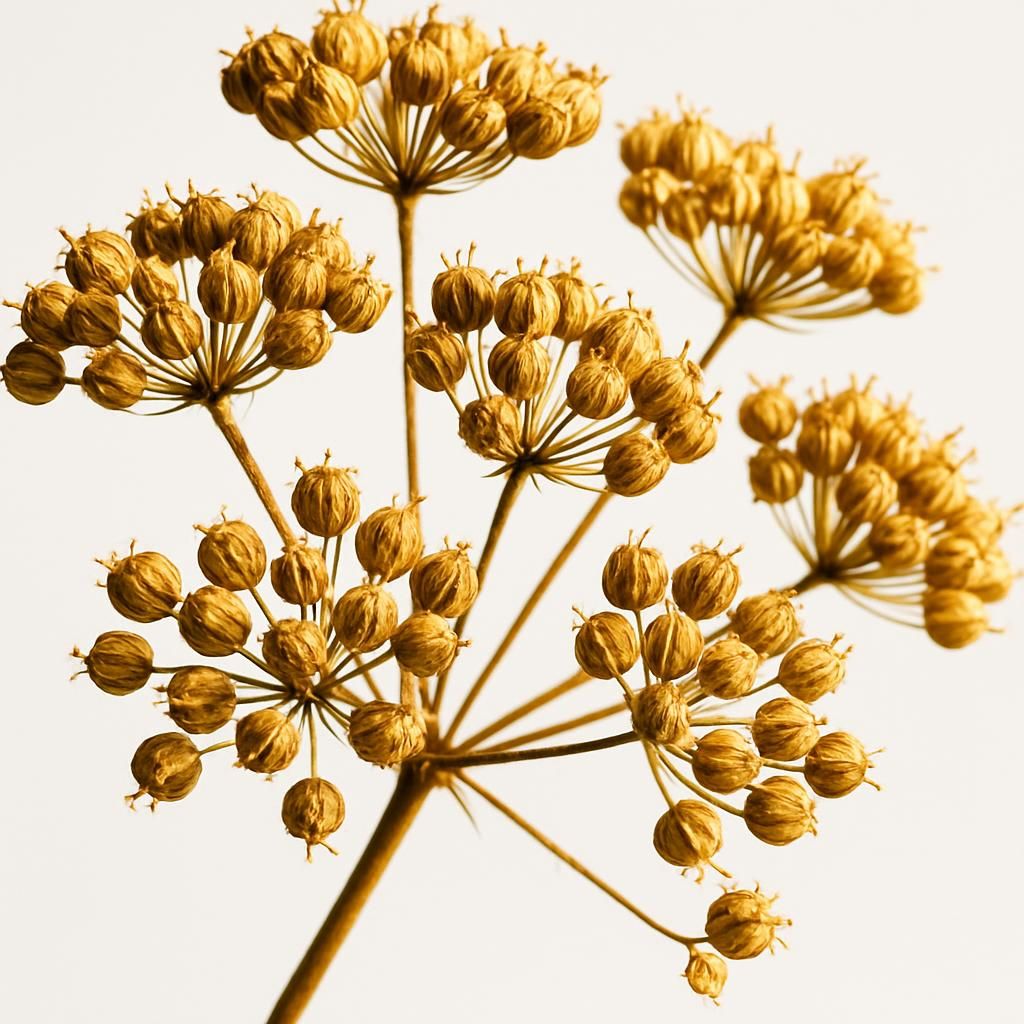
Coriander Seed (Indian)
Indian coriander seed is a high-value spice crop grown primarily for its aromatic seeds used in curries, pickles, and traditional medicine. It thrives in cool, dry climates with well-drained soils and requires careful management of irrigation and nutrients to maximize seed yield and essential oil content.
View Guide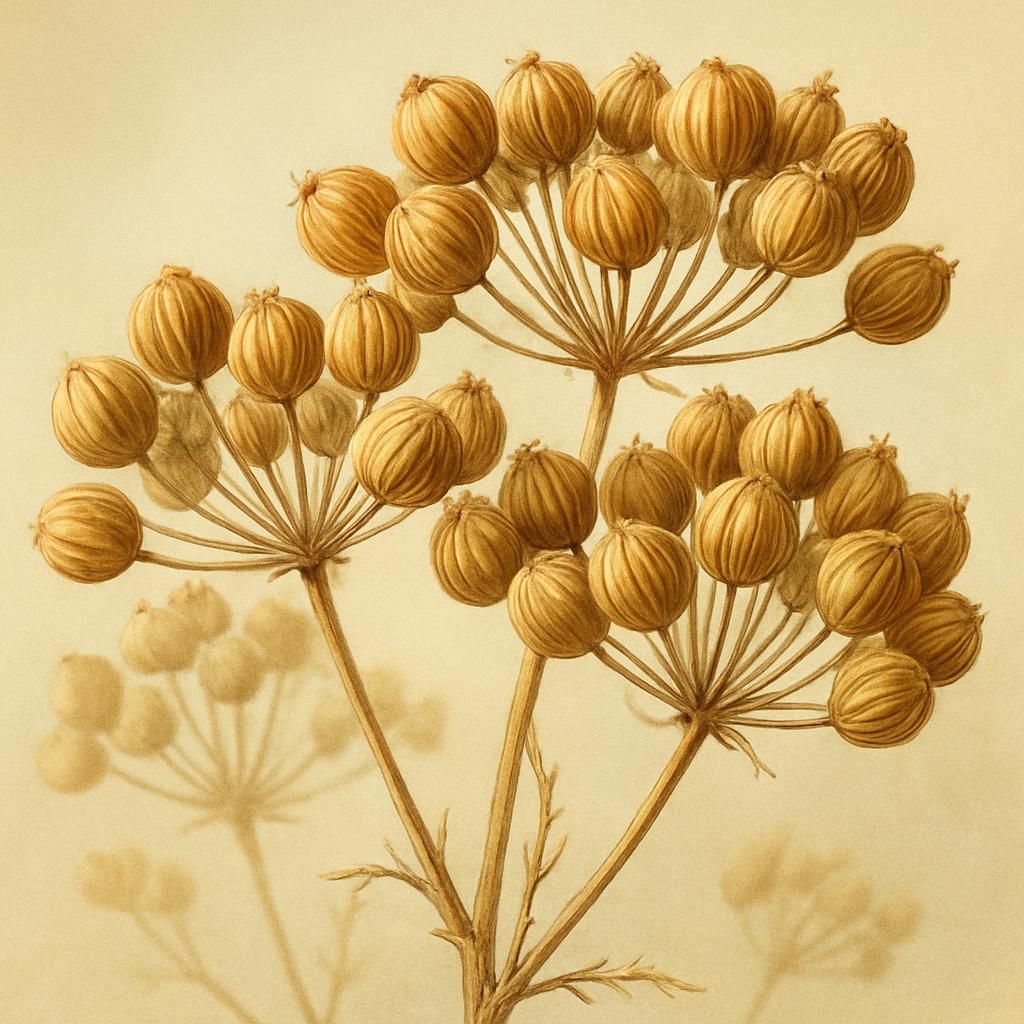
Coriander Seed (Moroccan)
Moroccan coriander is a high-value, heat-tolerant seed variety prized for its intense aroma and robust flavor profile used in spice blends and essential oil production. This guide covers every stage of commercial and home-scale cultivation from seed to storage with precise agronomic data.
View Guide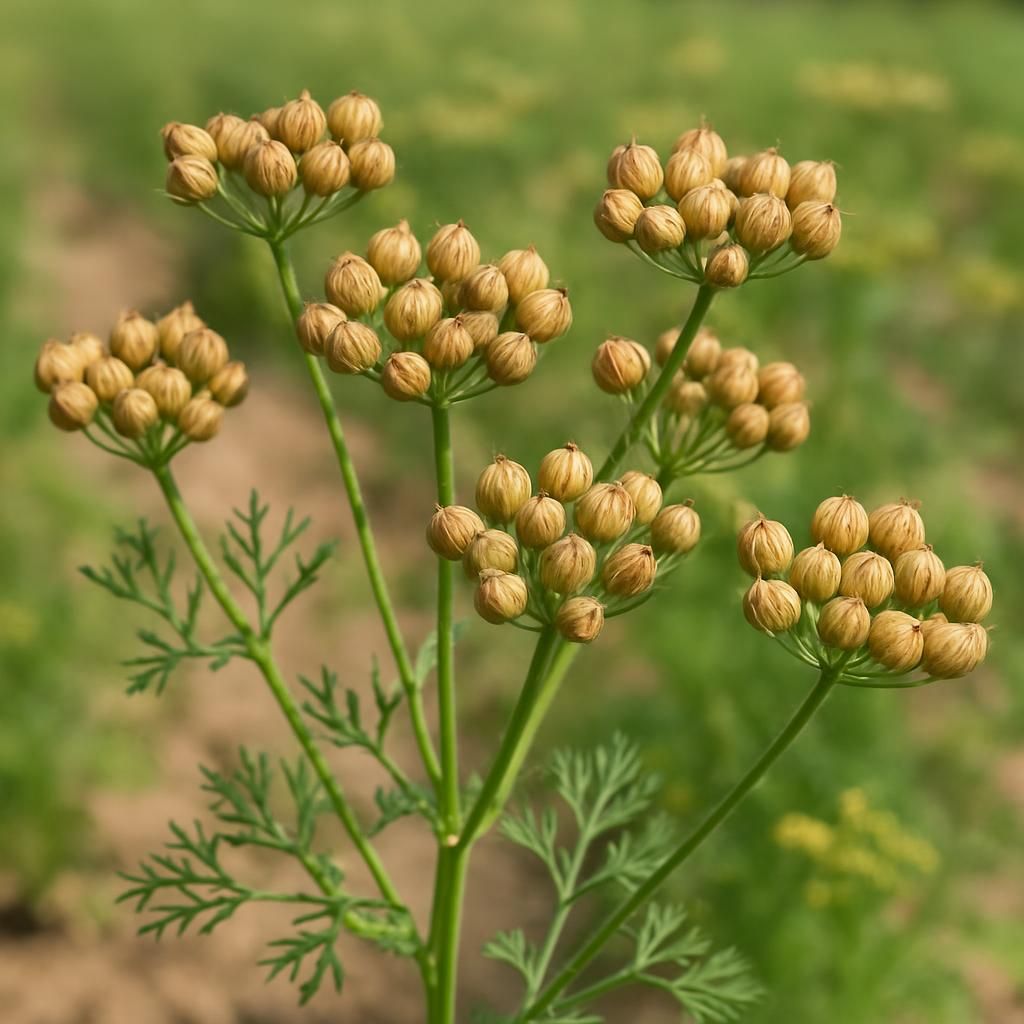
Coriander Seed (Santo)
Coriander Seed (Santo) is a high-yielding, slow-bolting coriander cultivar prized by commercial growers and home gardeners for its abundant seed production and reliable performance in both cool and warm climates. This definitive growing guide covers every stage from soil preparation through harvest and storage, delivering professional-grade advice on maximizing coriander seed output.
View Guide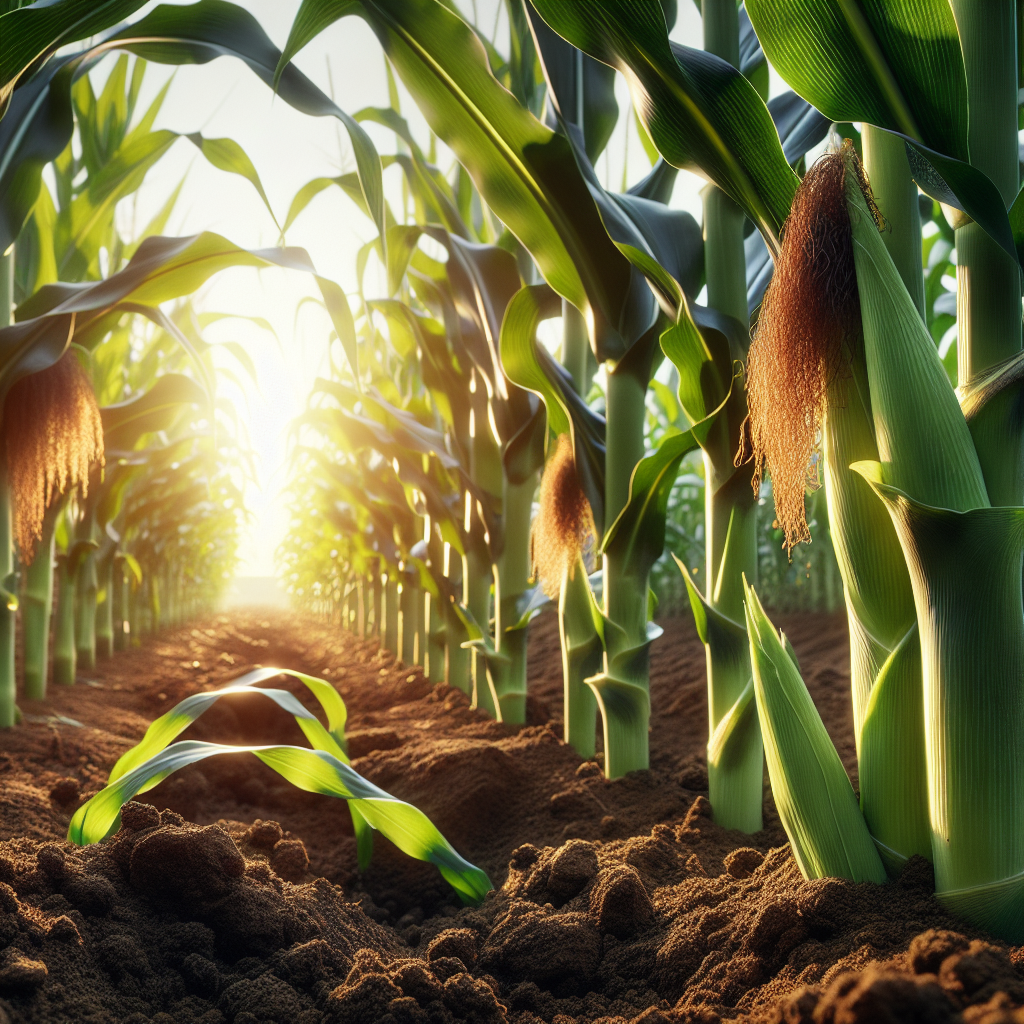
Corn
Corn is one of the world’s most important cereal crops, valued for grain, fresh eating, silage, fodder, and countless industrial uses. It is a warm-season grass with high light, nutrient, and moisture demands, and it rewards precise management with exceptional productivity.
View Guide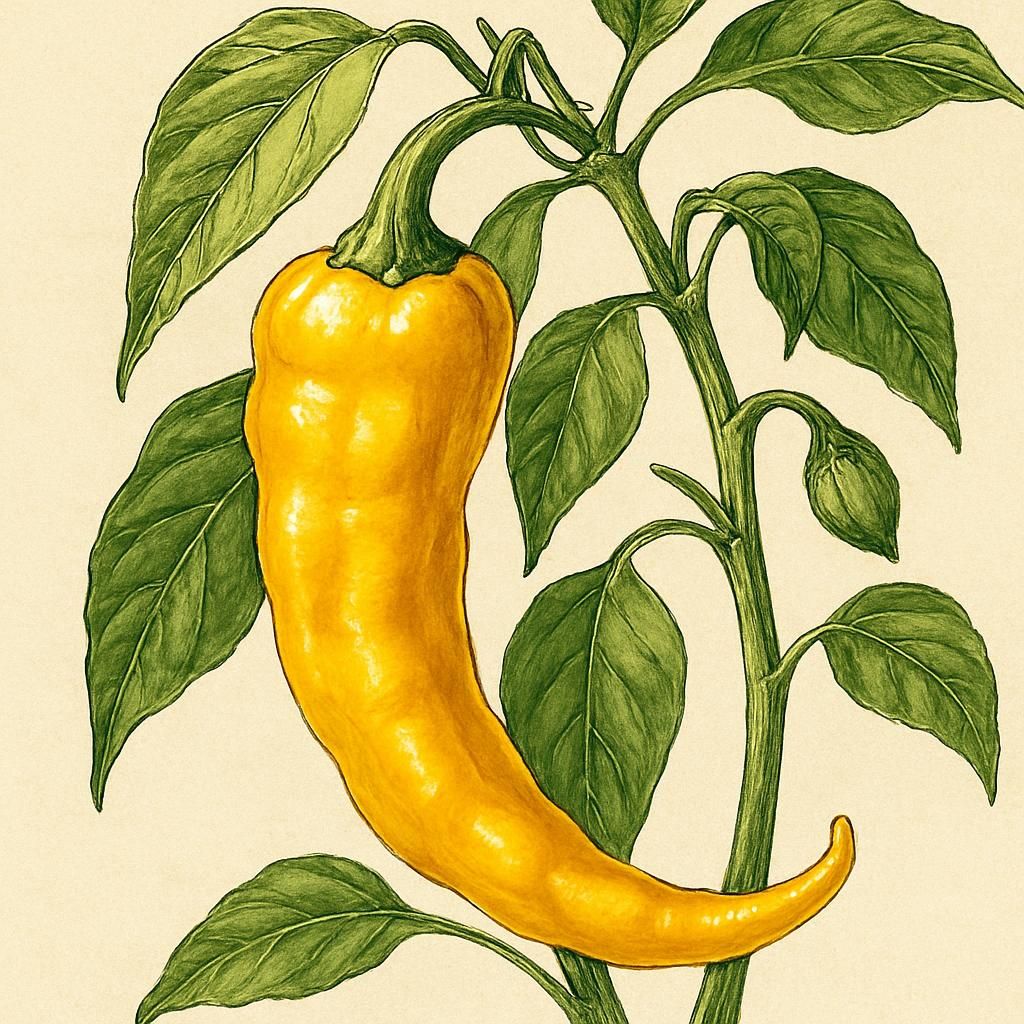
Corno di Toro Giallo (Yellow Bull's Horn)
The Corno di Toro Giallo, or Yellow Bull's Horn, is a sweet and curved Italian pepper known for its unique shape resembling a bull's horn. It's cherished for its sweet flavor and versatility in culinary uses, making it popular among both home gardeners and professional farmers.
View Guide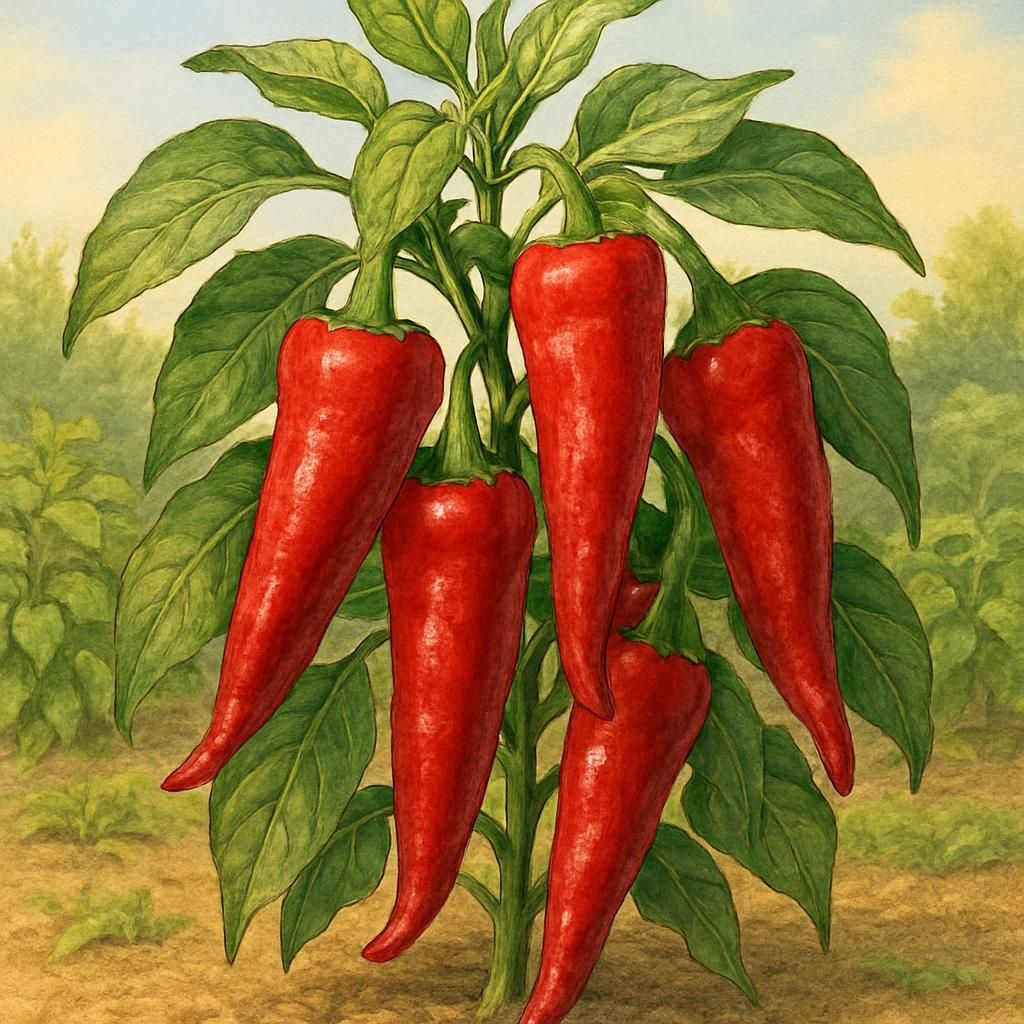
Corno di Toro Rosso (Red Bull's Horn)
Corno di Toro Rosso is an heirloom Italian sweet pepper known for its long, horn-shaped fruit. Ideal for roasting or raw consumption, it thrives in warm climates with proper care.
View Guide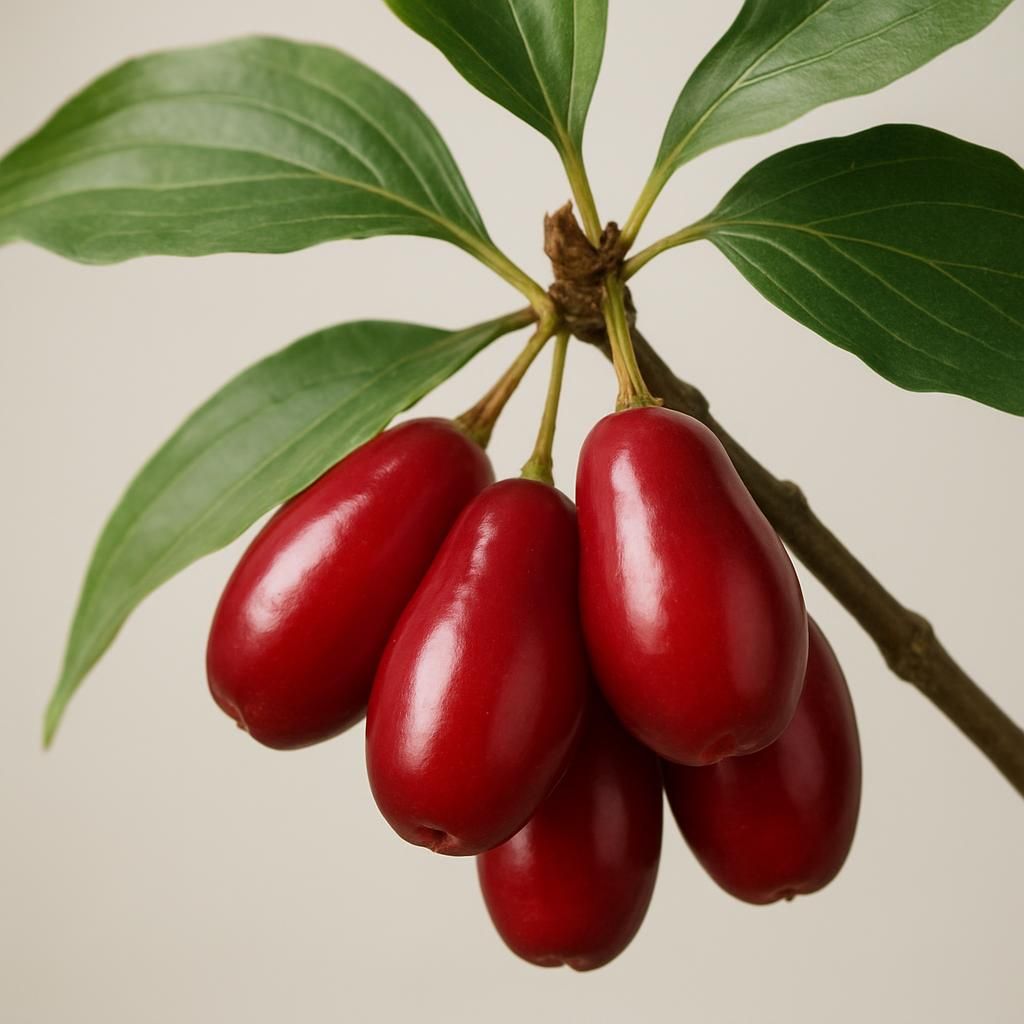
Cornus
Cornus species, commonly known as dogwoods, are versatile woody perennials valued for ornamental berries, medicinal bark, and ecological roles. This guide covers comprehensive cultivation practices for both fruiting and ornamental varieties used in sustainable agriculture.
View Guide
Cortland Apple
Cortland Apple is a classic cold-climate dessert and culinary apple prized for its snowy white flesh, McIntosh-like flavor, and excellent resistance to browning after cutting. It performs best in temperate regions with reliable winter chill, careful disease management, and cross-pollination from compatible apple cultivars.
View Guide
Costoluto Genovese Tomato
Costoluto Genovese Tomato is a classic Italian heirloom variety prized for its deeply ribbed, flattened fruits and rich, complex flavor ideal for sauces and fresh eating. This indeterminate plant produces medium-to-large tomatoes with meaty interiors and low seed count, making it a favorite among home gardeners and market growers seeking authentic Italian taste.
View Guide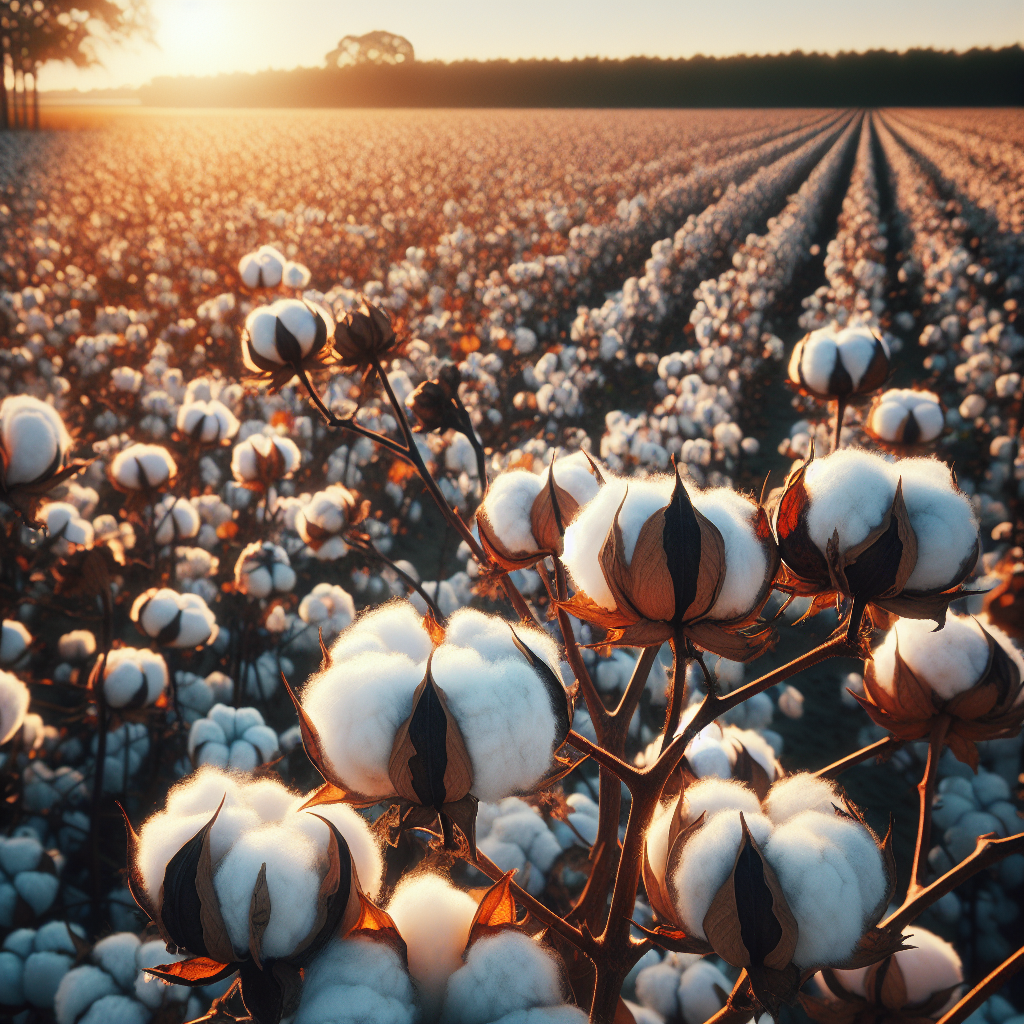
Cotton
Cotton is a warm-season fiber crop grown for its lint, seed, and byproducts, with major commercial species including Gossypium hirsutum, G. barbadense, G. arboreum, and G. herbaceum. Successful cotton production depends on careful heat-unit management, precise irrigation, balanced fertility, and disciplined pest control from emergence through boll opening.
View Guide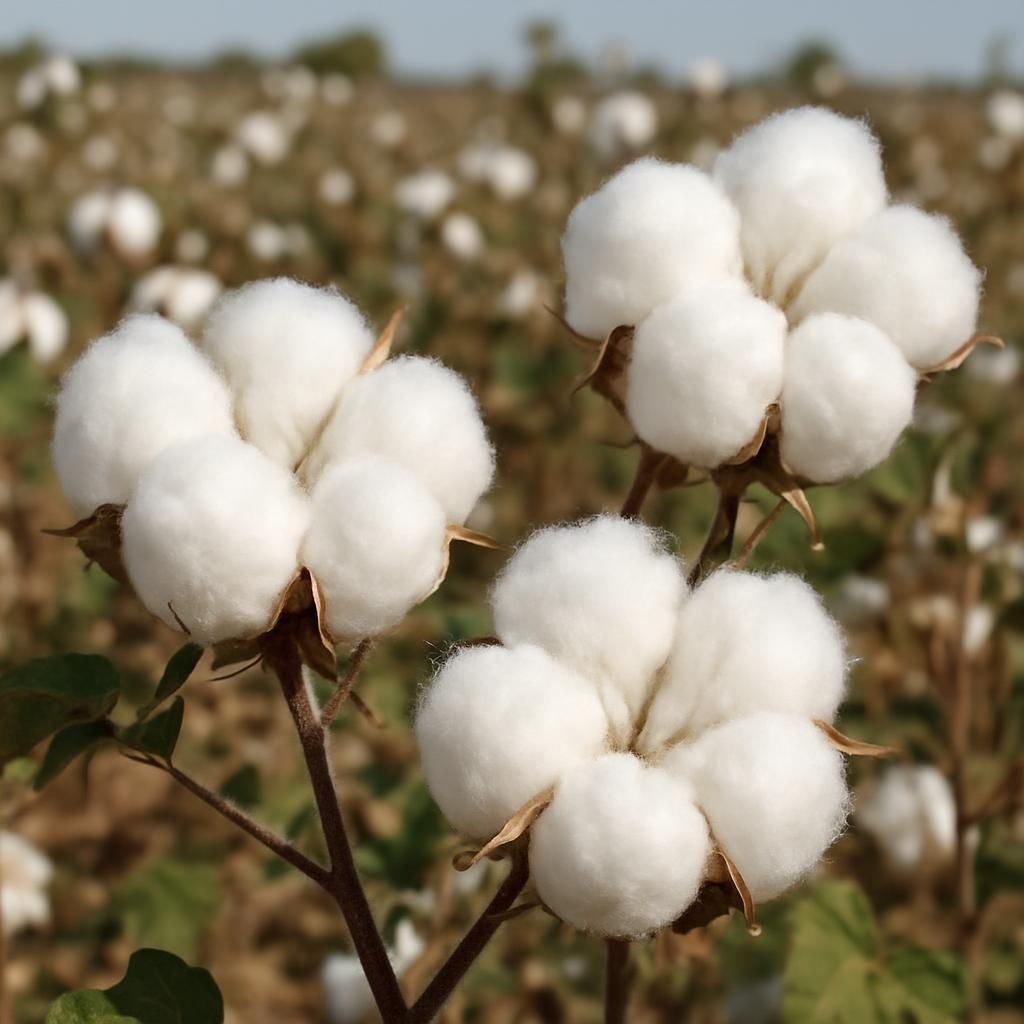
Cotton Seed (Gossypium)
Cotton seed (Gossypium) is the foundation of one of the world’s most important fiber and oil crops, producing both valuable lint and high-protein seed for oil and feed. This comprehensive guide covers every stage from soil preparation through harvest and storage for commercial and serious home growers.
View Guide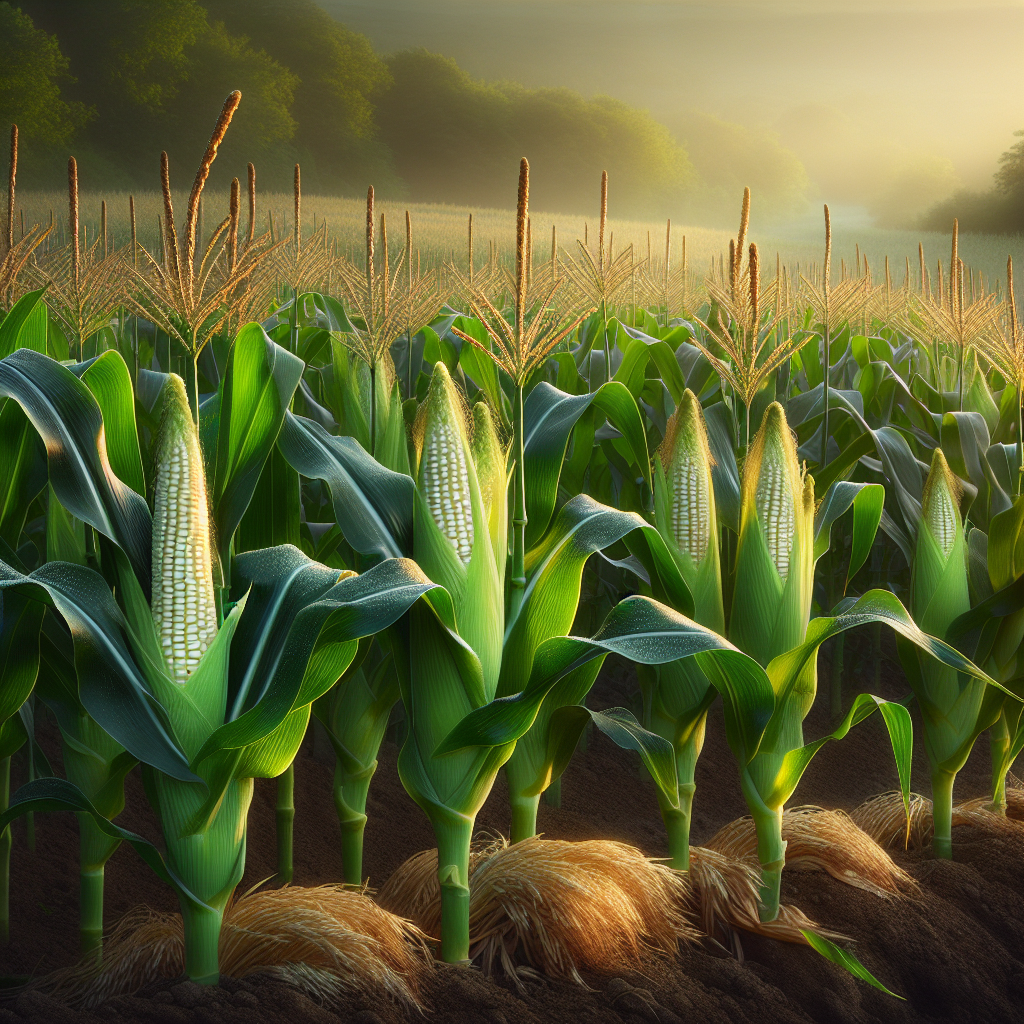
Country Gentleman Sweet Corn
Country Gentleman Sweet Corn is a historic late-season heirloom sweet corn prized for its creamy white kernels, old-fashioned flavor, and distinctive irregular kernel rows. Unlike modern supersweet hybrids, it is selected for tenderness and rich eating quality at peak harvest, making it especially valued by gardeners, market growers, and preservation-minded farmers.
View Guide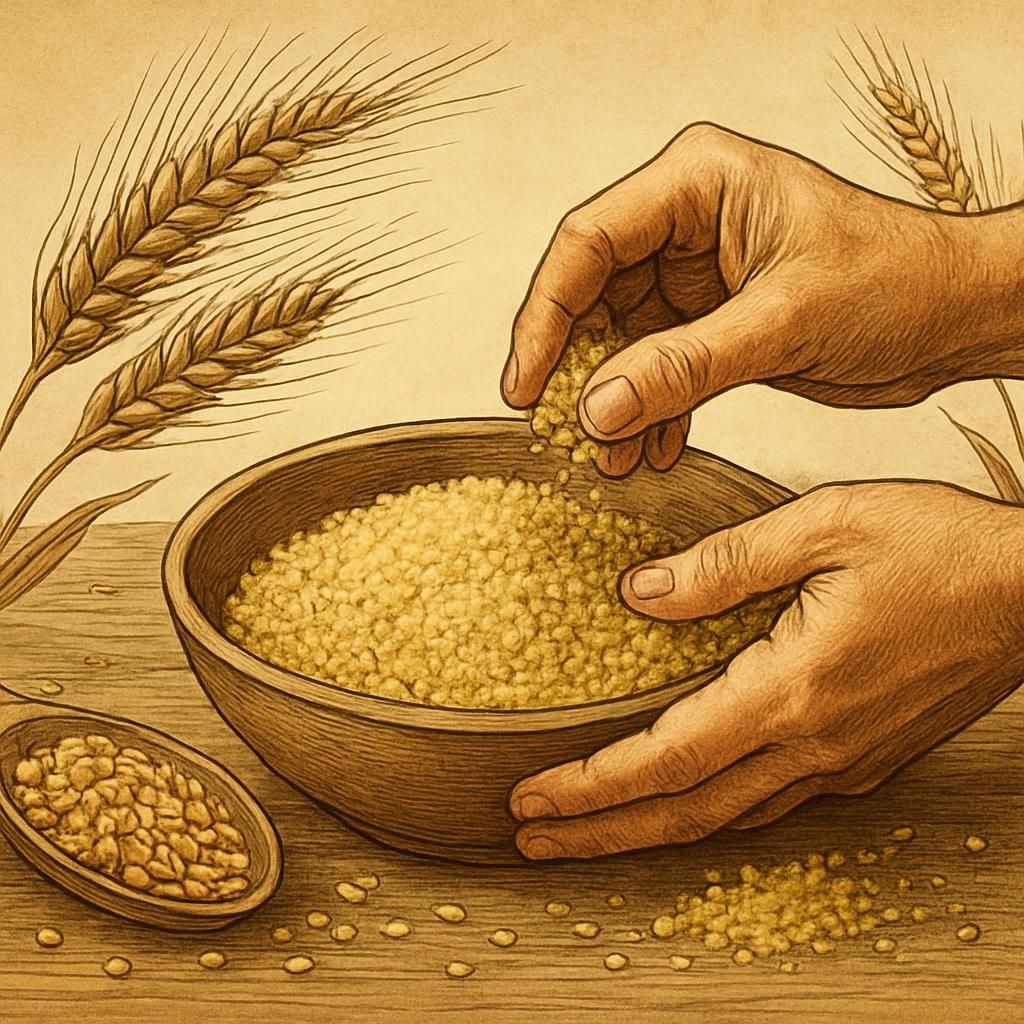
Couscous (Hand-rolled Berbere)
Couscous, specifically hand-rolled Berbere, is a staple in North African cuisine. Known for its versatility and rich flavor, it is an iconic dish made from steamed semolina wheat. Cultivating its base ingredients demands specific conditions to thrive.
View Guide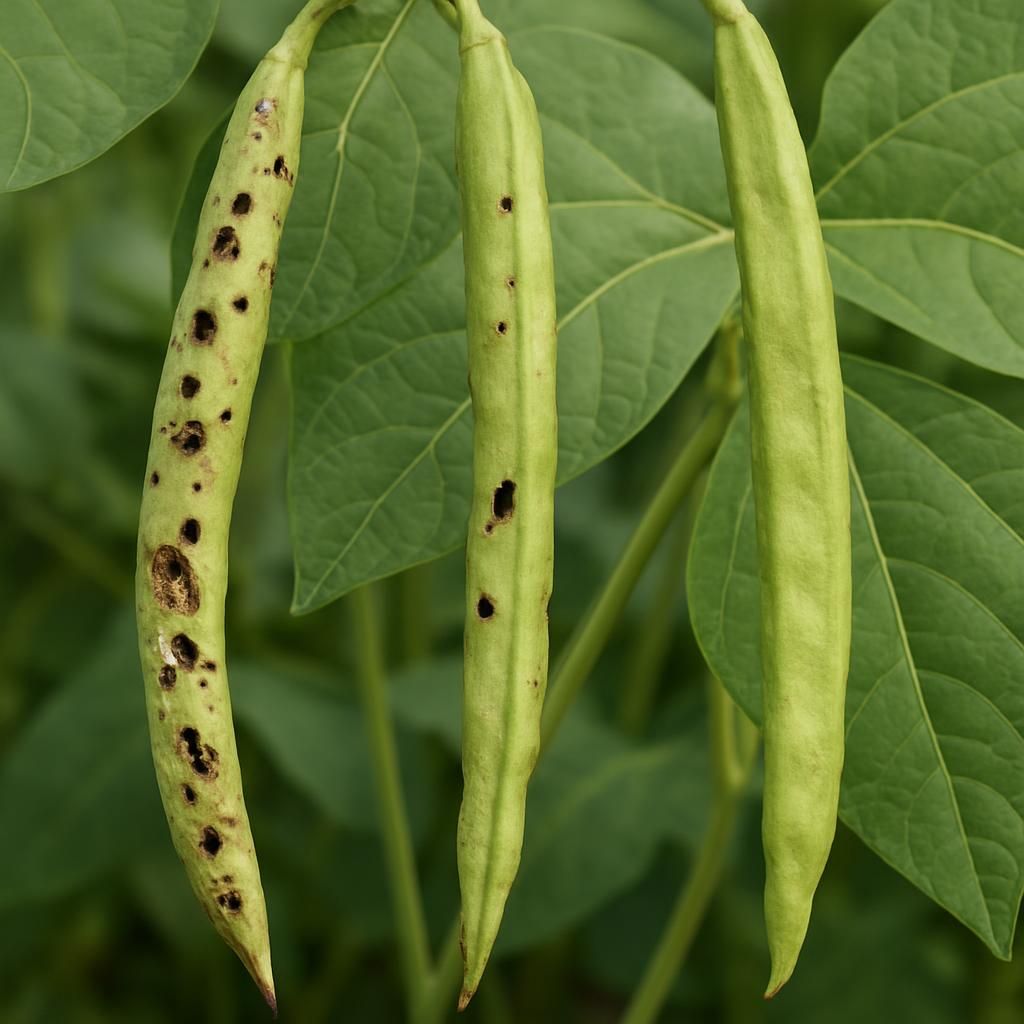
cowpea
Cowpea is a warm-season annual legume widely grown for its edible pods, seeds, and foliage, yet it is also subject to significant pest pressure from a complex of insects and pathogens that can reduce yields and quality.
View Guide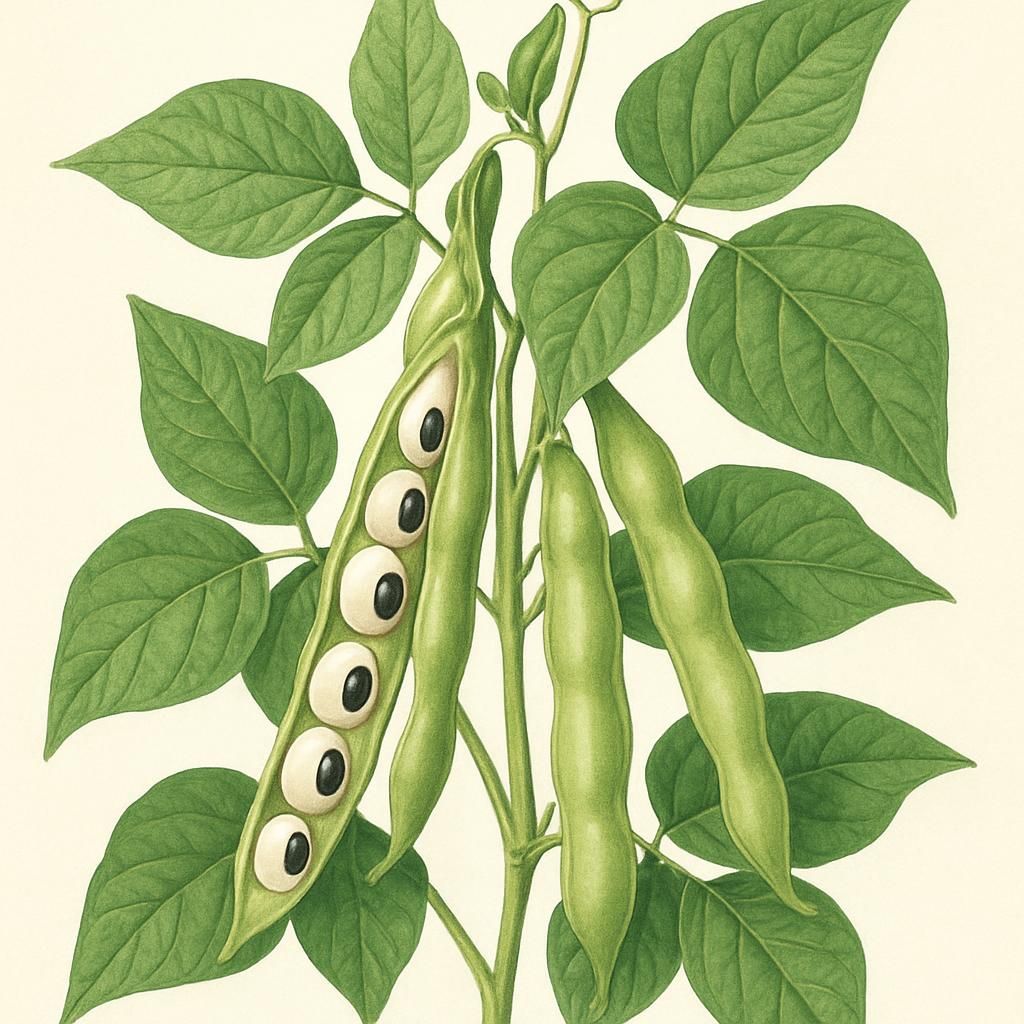
Cowpea (Black-Eyed Pea)
Cowpea, commonly known as Black-Eyed Pea, is a versatile legume cultivated globally for its nutritious seeds and as a cover crop. Known for its drought-resistant properties, cowpea grows well in tropical and subtropical climates, contributing to food security in arid regions.
View Guide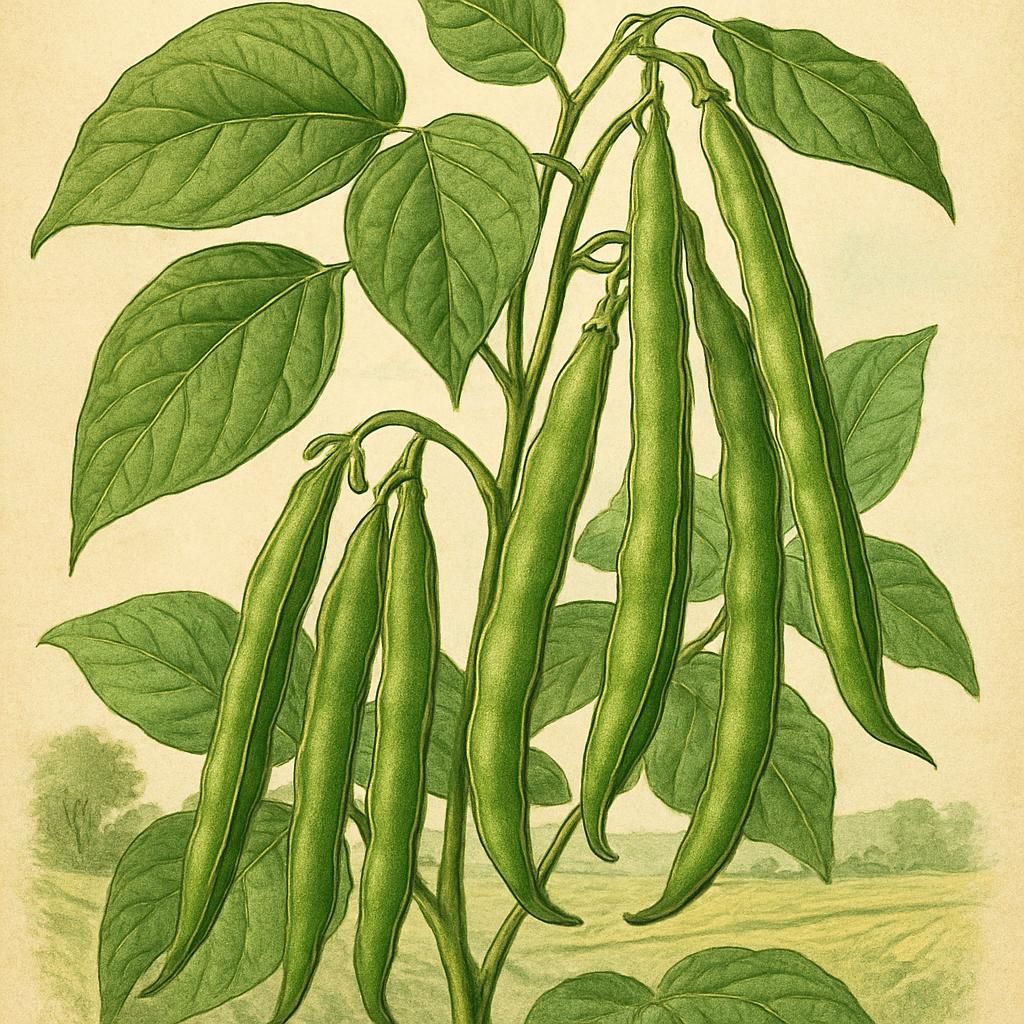
Cowpea (Iron and Clay)
Cowpea (Iron and Clay) is a versatile legume favored for both its ability to enrich soil with nitrogen and its use as a cover crop. Known for its drought resistance, this variety thrives in warm climates and poor soils, making it a staple in sustainable farming practices.
View Guide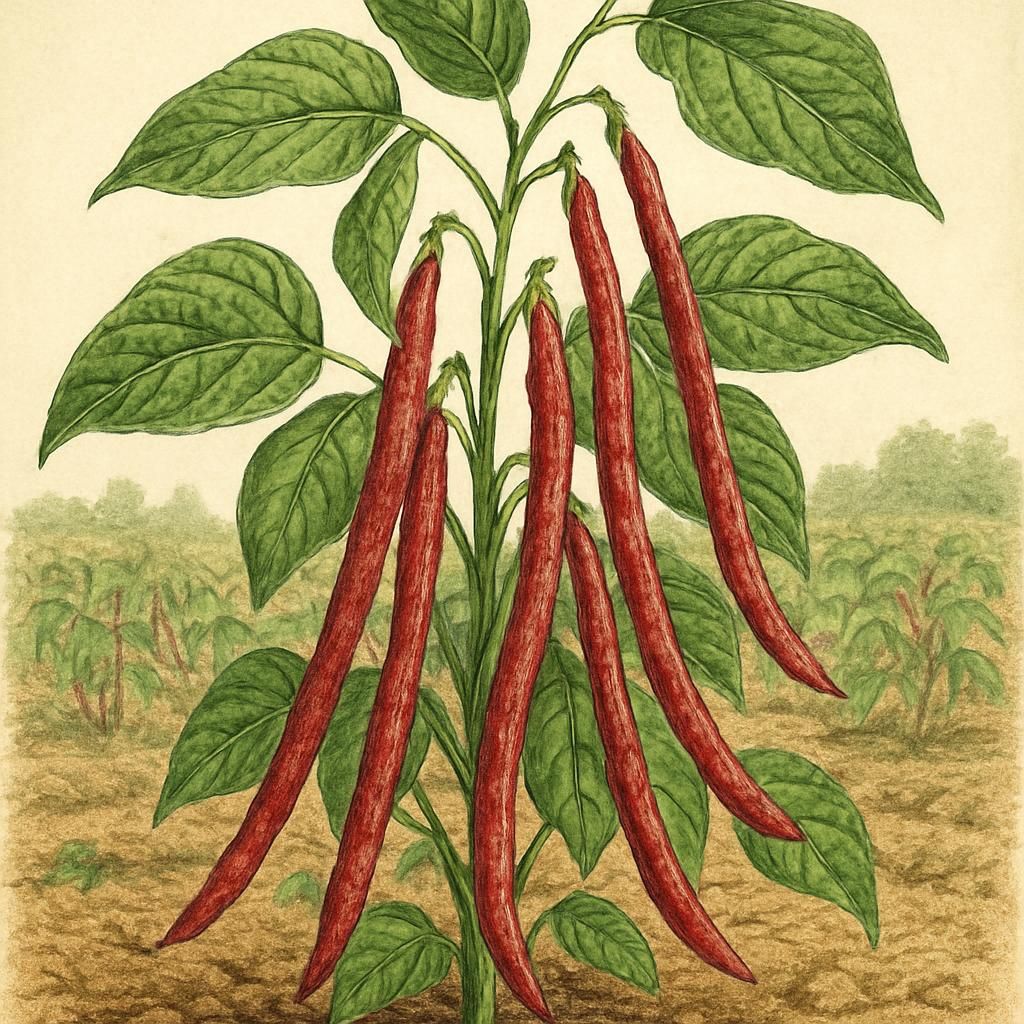
Cowpea (Red Ripper)
Cowpea (Red Ripper) is a hardy, drought-tolerant legume ideal for summer planting. Known for its versatility, it improves soil fertility through nitrogen fixation and is used for both human consumption and animal fodder.
View Guide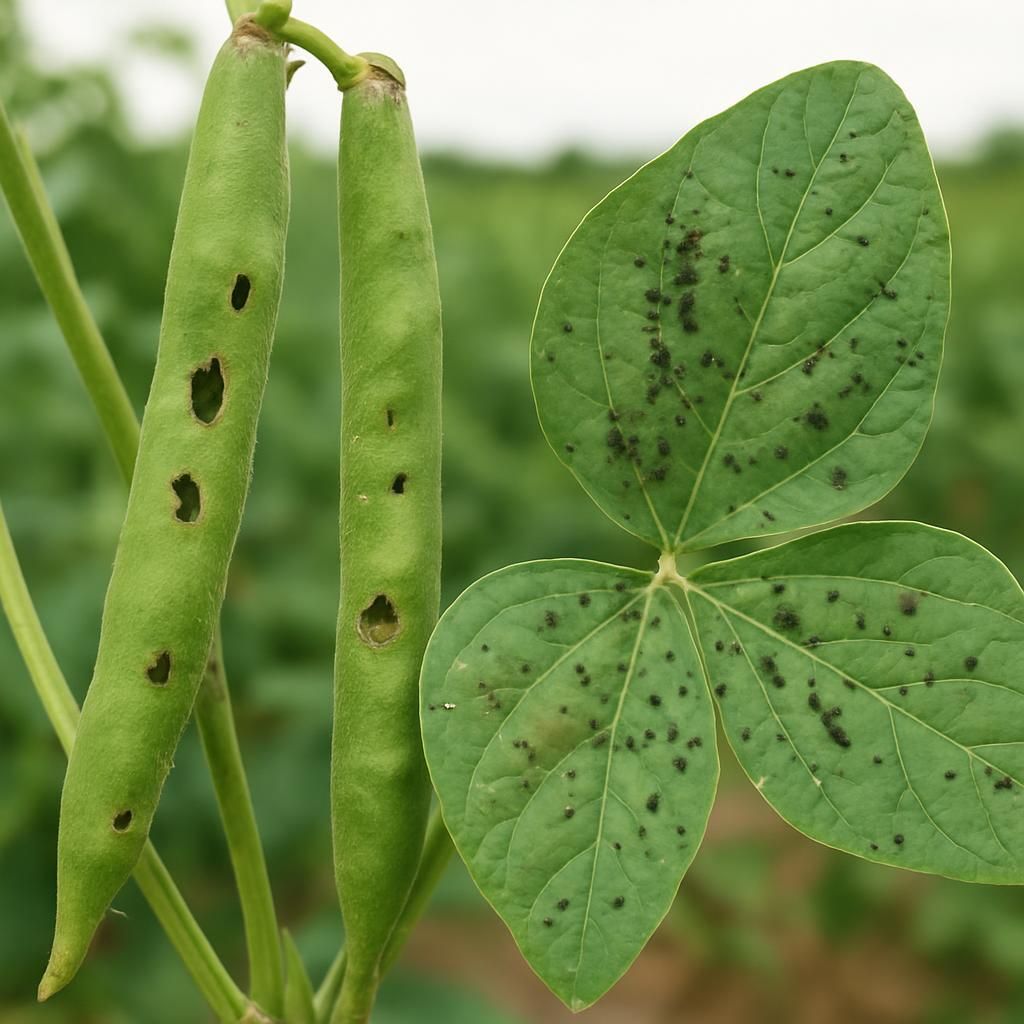
cowpeas
Cowpeas are a major pulse crop widely cultivated in tropical and subtropical regions for their edible seeds, pods, and foliage. Despite their value, they face significant pressure from a complex of insect pests, diseases, and nematodes that can reduce yields by 30-90% if left unmanaged. This guide provides professional diagnostic criteria, lifecycle details, and integrated management strategies for sustainable cowpea production.
View Guide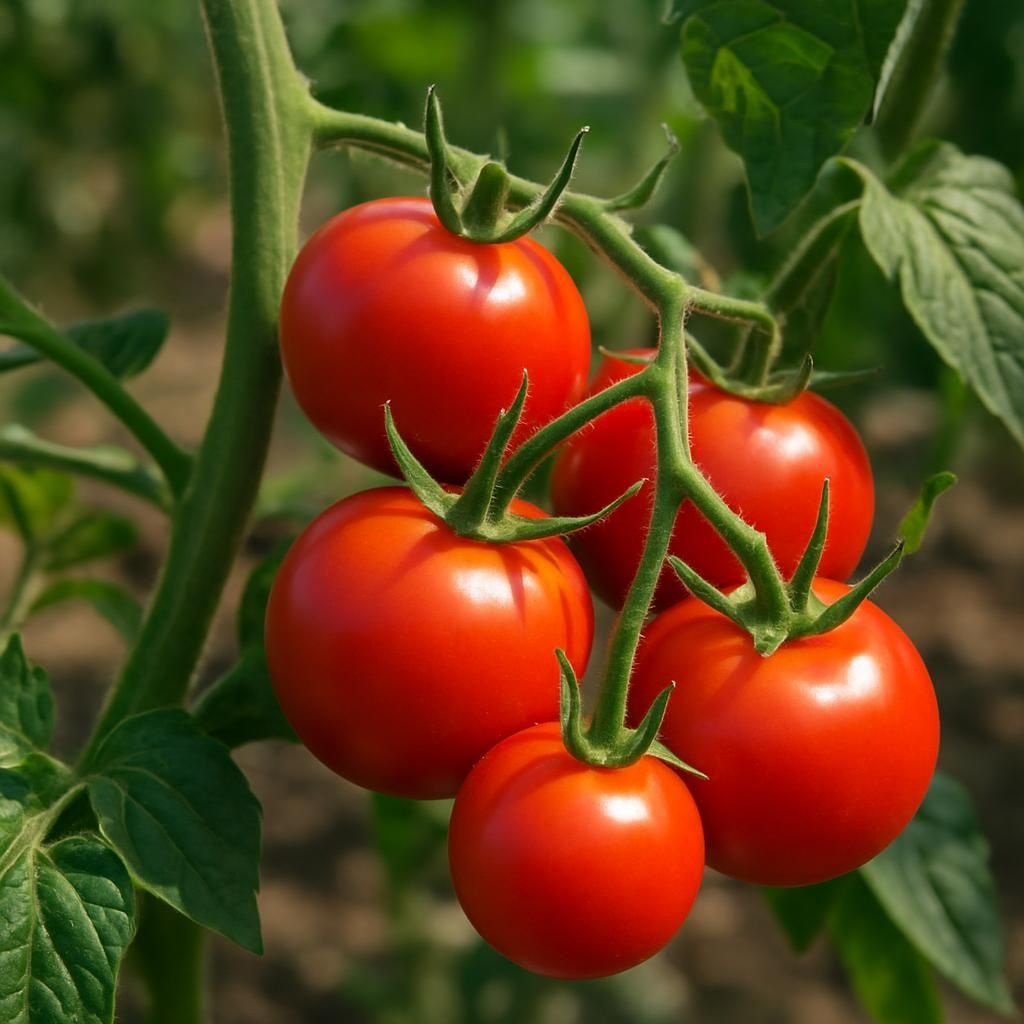
Coyote Tomato
Coyote Tomato is a vigorous, wild-derived indeterminate variety prized for exceptional flavor, high yields, and resistance traits. This guide covers complete growing requirements, organic management, and harvest protocols for commercial and home growers.
View Guide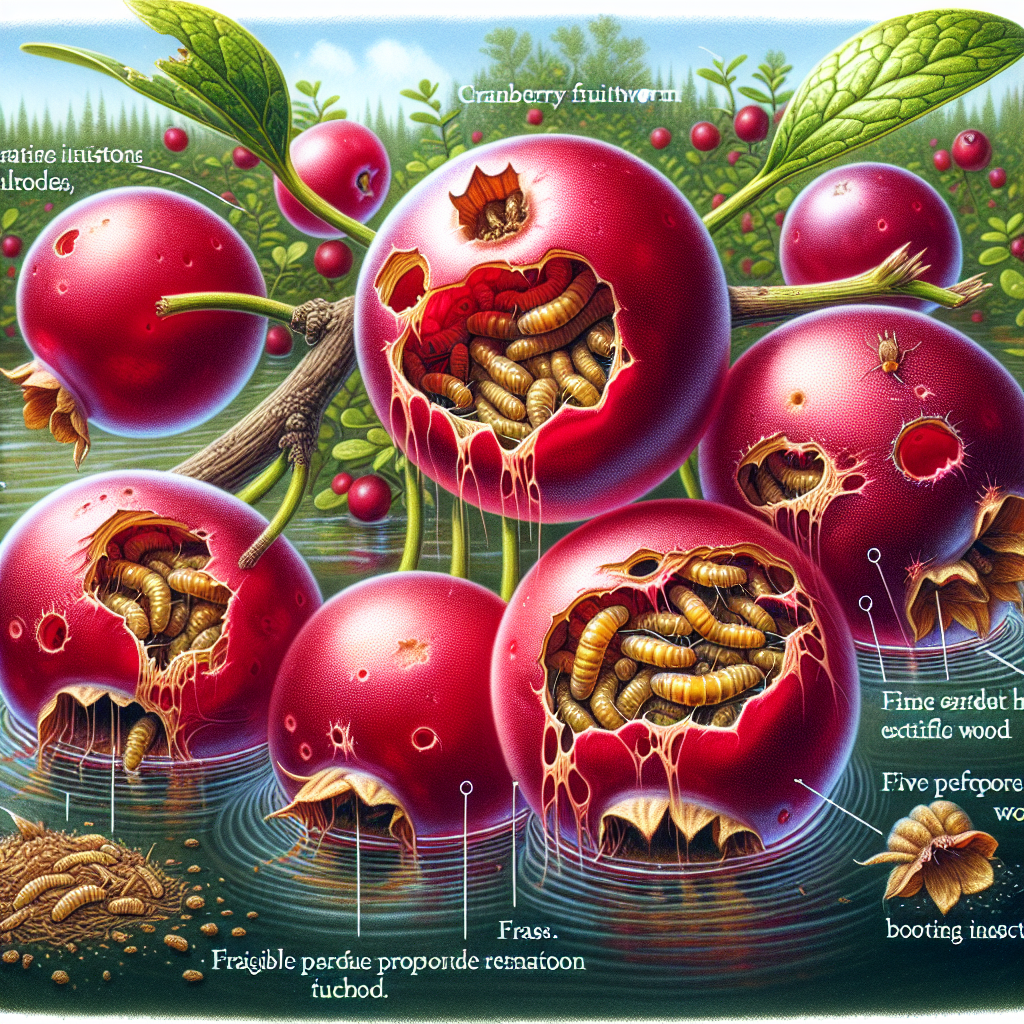
cranberry
Cranberry, particularly the cranberry fruitworm and associated pests, poses significant threats to cranberry bogs by damaging fruits and vines. This guide provides comprehensive diagnostics, lifecycle insights, organic management strategies, and prevention tips for growers. Effective control hinges on early detection and integrated organic practices to protect yields in acidic bog environments.
View Guide
crested iris
Crested iris (Iris cristata) is a compact, rhizomatous perennial prized for its early-spring lavender-blue blooms and adaptability to woodland and shaded garden settings. It thrives in rich, well-drained acidic soils and serves as an effective low-growing groundcover in temperate landscapes. With proper site preparation and organic care, it reliably returns each year with minimal maintenance.
View Guide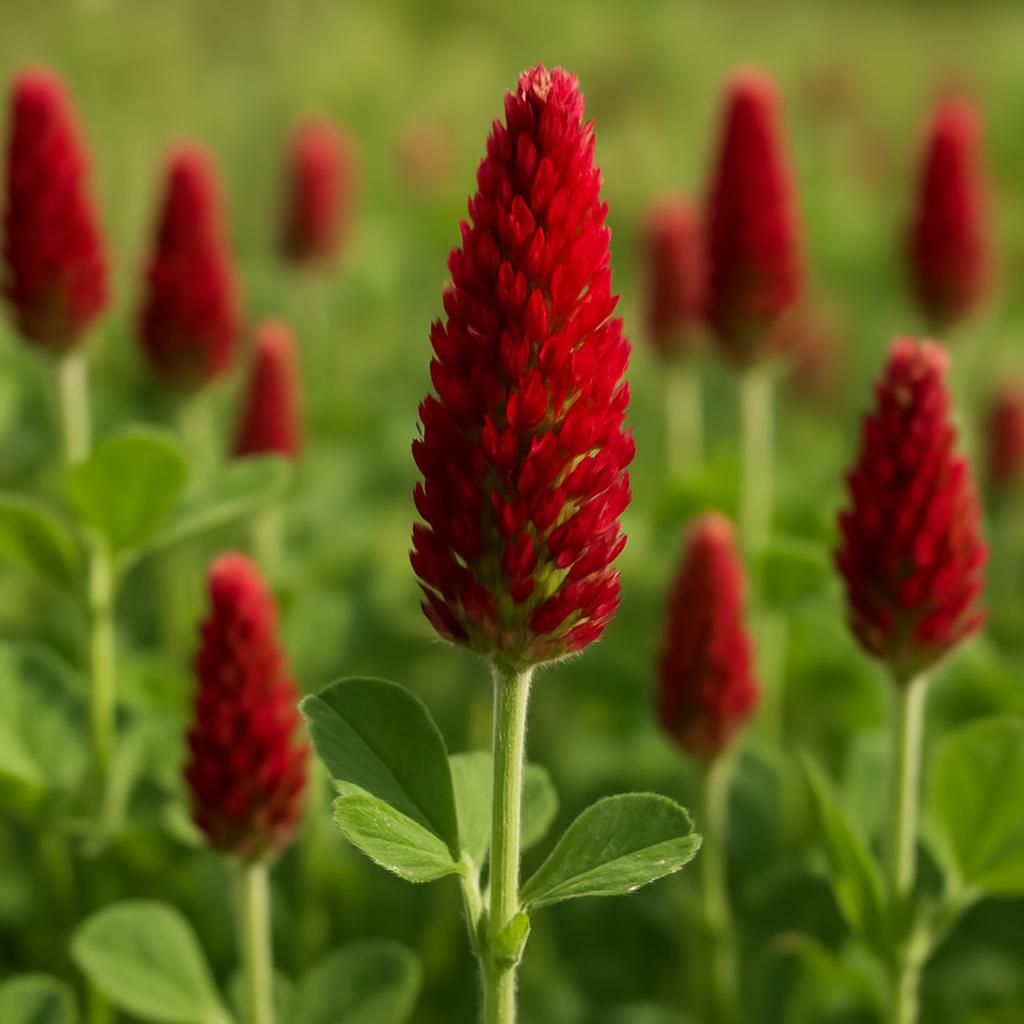
crimson clover
Crimson clover is a fast-growing, winter annual legume prized by farmers and gardeners as a cover crop, forage, and pollinator plant. It fixes atmospheric nitrogen, improves soil structure, and produces striking crimson flower spikes in spring. Its versatility makes it valuable in rotations, orchards, and vegetable systems across temperate regions.
View Guide
Crimson Seedless Grapes
Crimson Seedless Grapes are a late-season red table grape valued for their crisp texture, seedless berries, strong storage life, and excellent shipping quality. This cultivar performs best in warm, dry grape-growing regions where growers can carefully manage vine vigor, cluster exposure, irrigation, and harvest timing to develop full red color and balanced sweetness.
View Guide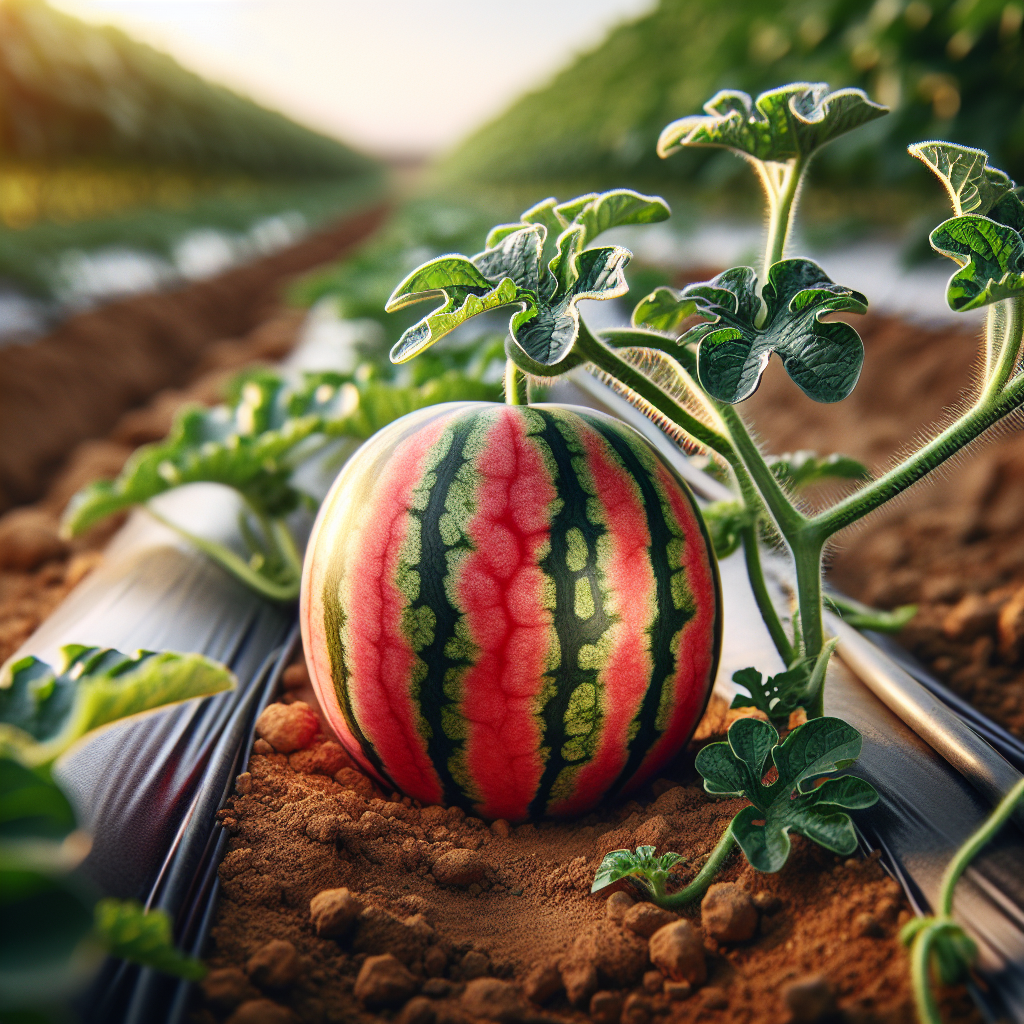
Crimson Sweet Watermelon
Crimson Sweet Watermelon is a classic open-pollinated watermelon variety prized for its large round fruits, deep red flesh, striped rind, and reliable sweetness. It performs best in long, warm growing seasons with fertile, well-drained soil, consistent moisture during vine growth, and drier conditions as fruit nears maturity.
View Guide