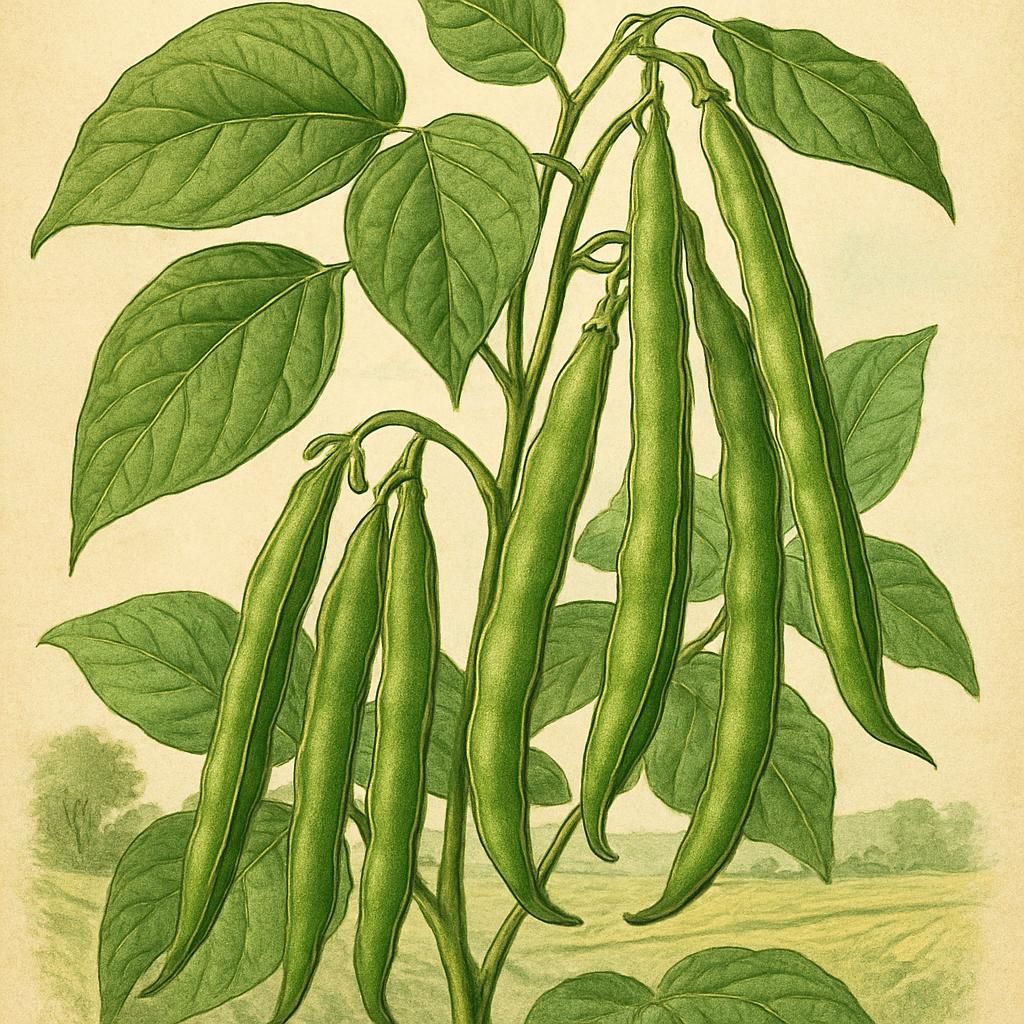
Introduction to Cowpea (Iron and Clay)
Cowpea (Iron and Clay) is a robust legume variety, widely used in agricultural systems for its exceptional nitrogen-fixing abilities and adaptability to challenging growing conditions. Originating from Africa, this variety of cowpea has become a significant crop in many tropical and subtropical regions due to its resilience to drought and poor soil conditions. It is utilized not only for its edible seeds but also as a cover crop to improve soil fertility and structure.
Botanical Profile of Cowpea (Iron and Clay)
Cowpea belongs to the Fabaceae family and is scientifically known as Vigna unguiculata. The Iron and Clay variety is characterized by its bushy growth habit and long trailing stems. The leaves are trifoliate, and the plant bears elongated pods that contain multiple seeds. The flowers are typically white to light purple, contributing to its attractive aesthetic in fields. Cowpea is primarily grown for its seeds but also serves an essential role as a green manure and forage crop.
Soil, pH, and Climate Requirements for Cowpea (Iron and Clay)
Cowpea (Iron and Clay) is notably tolerant of soil variability and can thrive in conditions where other crops may falter. However, optimal growth is achieved under specific conditions.
| Parameter | Ideal Condition |
|---|---|
| Soil Type | Sandy, well-drained soils |
| Soil pH | 5.5 - 6.5 |
| Temperature | 20°C - 30°C |
| Rainfall | 600 - 1000 mm annually |
The crop prefers warm climates and is highly resistant to periods of drought, which makes it an excellent choice for regions with sporadic rainfall.
Step-by-Step Planting & Propagation
- Site Selection: Choose a well-drained location with full sunlight. Avoid shaded areas and ensure that the site has a neutral to slightly acidic pH.
- Soil Preparation: Prepare the soil by tilling to a depth of 15-20 cm and incorporate organic matter such as compost to enhance soil fertility.
- Sowing: Sow seeds directly into the soil at a depth of 2-3 cm, spaced 60-90 cm apart to allow room for the sprawling growth habit. Ideal planting time is at the onset of the rainy season.
- Germination: Germination will typically occur within 7-10 days, given optimal moisture and temperature conditions.
Care & Maintenance Regimes for Cowpea (Iron and Clay)
Regular maintenance is key to maximizing yields and ensuring healthy plant development. Below is a suggested care schedule.
| Aspect | Schedule/Notes |
|---|---|
| Watering | Weekly during dry spells, sufficient to maintain slightly moist soil |
| Fertilization | Minimal, high phosphorus and potassium before planting |
| Weeding | Regularly to reduce competition for nutrients |
| Pruning | Not necessary, but remove diseased foliage as needed |
Watering: While cowpeas are drought-tolerant, regular watering during dry spells can improve yield. Fertilization: Since cowpeas fix nitrogen in the soil, they usually require less additional fertilization.
Pests, Diseases & Organic Management
Cowpea (Iron and Clay) can be susceptible to several pests, including aphids, spider mites, and cowpea curculio. Diseases such as root rot and bacterial blight can also affect the crop.
For organic pest management:
- Regularly monitor plants for signs of infestations.
- Introduce natural predators like ladybugs for aphids.
- Use neem oil or insecticidal soap for controlling mites and other pests.
For more strategies, see our blog on organic pest defenses.
Harvesting, Curing & Optimal Storage
Harvest cowpeas once the pods are fully matured but still green, before they begin to dry and expose seeds. After harvesting:
- Curing: Dry pods in a well-ventilated area away from direct sunlight to prevent mold.
- Storage: Store the dry seeds in airtight containers in a cool, dark place to maintain viability for up to one year.
Companion Planting for Cowpea (Iron and Clay)
Cowpea pairs well with crops like corn, sorghum, and various members of the Brassica family. This symbiotic relationship enhances soil fertility and reduces pest incidences.
By integrating Cowpea (Iron and Clay) as a part of your crop rotation and companion planting strategies, you can significantly improve the health and productivity of your farm. Learn more about effective companion planting strategies in our blog on summer companion planting.