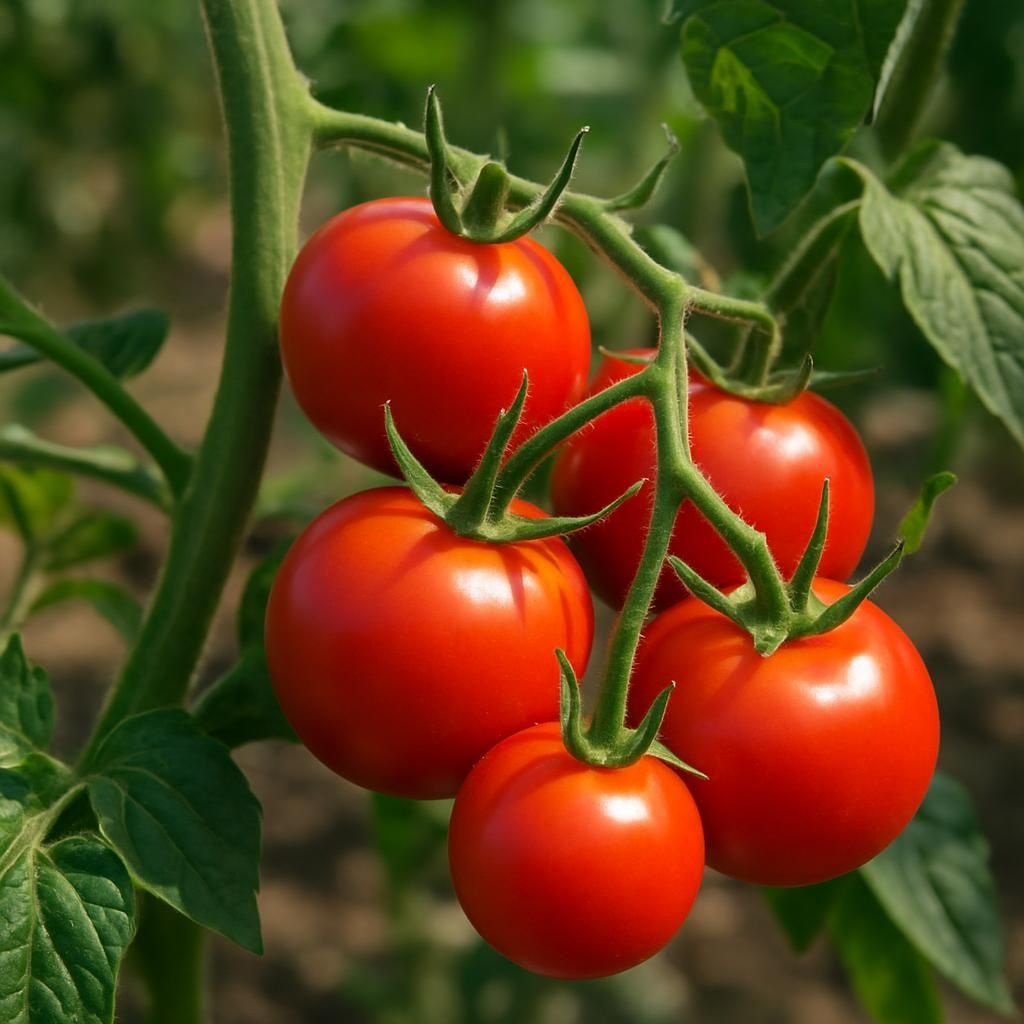
Introduction to Coyote Tomato
Coyote Tomato is a vigorous, wild-derived indeterminate variety that delivers exceptional flavor, high yields, and notable resistance traits. Developed from interspecific crosses with wild Solanum relatives, it produces clusters of small, intensely flavored fruits that ripen over an extended season. Growers value its adaptability to varied climates and its ability to thrive with minimal inputs when cultural practices are optimized.
This comprehensive guide details every stage of production from soil preparation through post-harvest storage, emphasizing evidence-based organic methods suitable for both small farms and home gardens.
Botanical Profile of Coyote Tomato
Coyote Tomato belongs to the nightshade family and exhibits typical Solanaceous morphology with compound leaves, yellow flowers, and indeterminate growth habit. Plants can reach 6–8 feet when supported, producing trusses of 8–12 cherry-sized fruits. The skin is thin yet resilient, and the flesh offers a balanced sweet-acidic profile with elevated Brix levels compared to many commercial cherry types.
Soil, pH, and Climate Requirements for Coyote Tomato
Coyote Tomato performs best in fertile, well-drained loam with consistent moisture and full sun exposure. The following table summarizes ideal conditions:
| Parameter | Ideal Range/Value | Notes |
|---|---|---|
| Soil Type | Loamy, well-drained | Avoid heavy clay without amendment |
| Soil pH | 6.2–6.8 | Test annually; adjust with lime or sulfur |
| Temperature Range | 65–85 °F (18–29 °C) daytime | Protect below 50 °F or above 95 °F |
| Spacing | 18–24 in between plants; 4–5 ft rows | Use sturdy trellising for vertical growth |
| Sun Exposure | 8+ hours direct sun | Morning sun reduces disease pressure |
| Frost Tolerance | None | Transplant after last spring frost |
Step-by-Step Planting & Propagation
Start seeds indoors 6–8 weeks before the last frost date. Sow ¼ inch deep in sterile seed-starting mix at 75–80 °F. Transplant seedlings outdoors when soil temperature reaches 60 °F and nighttime air temperatures remain above 50 °F. Harden off plants for 7–10 days prior to planting. Install trellises or cages at transplanting to support the vigorous vines.
Care & Maintenance regimes for Coyote Tomato
Consistent water, balanced nutrition, and timely pruning maximize fruit quality and reduce disease. The table below outlines a practical schedule:
| Week/Stage | Watering Schedule | Fertilizer Schedule | Pruning Schedule |
|---|---|---|---|
| Transplant–Week 3 | 1–1.5 in/week; keep soil moist | Side-dress with ½ cup compost tea per plant | Remove lower leaves touching soil |
| Flowering–Fruit Set | 1.5–2 in/week; deep infrequent | Apply 5-5-5 organic fertilizer every 3 weeks | Pinch suckers below first flower cluster |
| Fruit Ripening | Reduce to 1 in/week | Switch to high-potassium tea (0-0-5) | Continue removing suckers; thin dense foliage |
| Post-Harvest Cleanup | Minimal | Incorporate cover crop or compost | Cut vines at soil line; remove debris |
Pests, Diseases & Organic Management
Common challenges include Aphids, Spider Mites, Early Blight, and Tomato Spotted Wilt Virus. Scout weekly and deploy yellow sticky traps for whiteflies and aphids. Apply neem oil or insecticidal soap at first sign of infestation. Rotate plantings and remove volunteer Tomato plants to break disease cycles. Mulch with straw to suppress soil-borne pathogens and maintain even soil moisture.
Harvesting, Curing & Optimal Storage
Harvest fruits at full color when they detach easily from the stem. For peak flavor, pick in the morning after dew has dried. Store unwashed fruit at 55–60 °F with 85–90 % humidity for up to 10 days. Green fruit can be ripened indoors in a paper bag with an ethylene-producing fruit such as a banana. Avoid refrigeration, which diminishes flavor and texture.
Companion Planting for Coyote Tomato
Pair Coyote Tomato with Basil, Marigold, and Nasturtium to deter pests and improve pollination. Avoid planting near Fennel or walnuts, which can inhibit growth. Interplant with Cucumber or Pepper varieties for efficient space use and shared trellising systems.