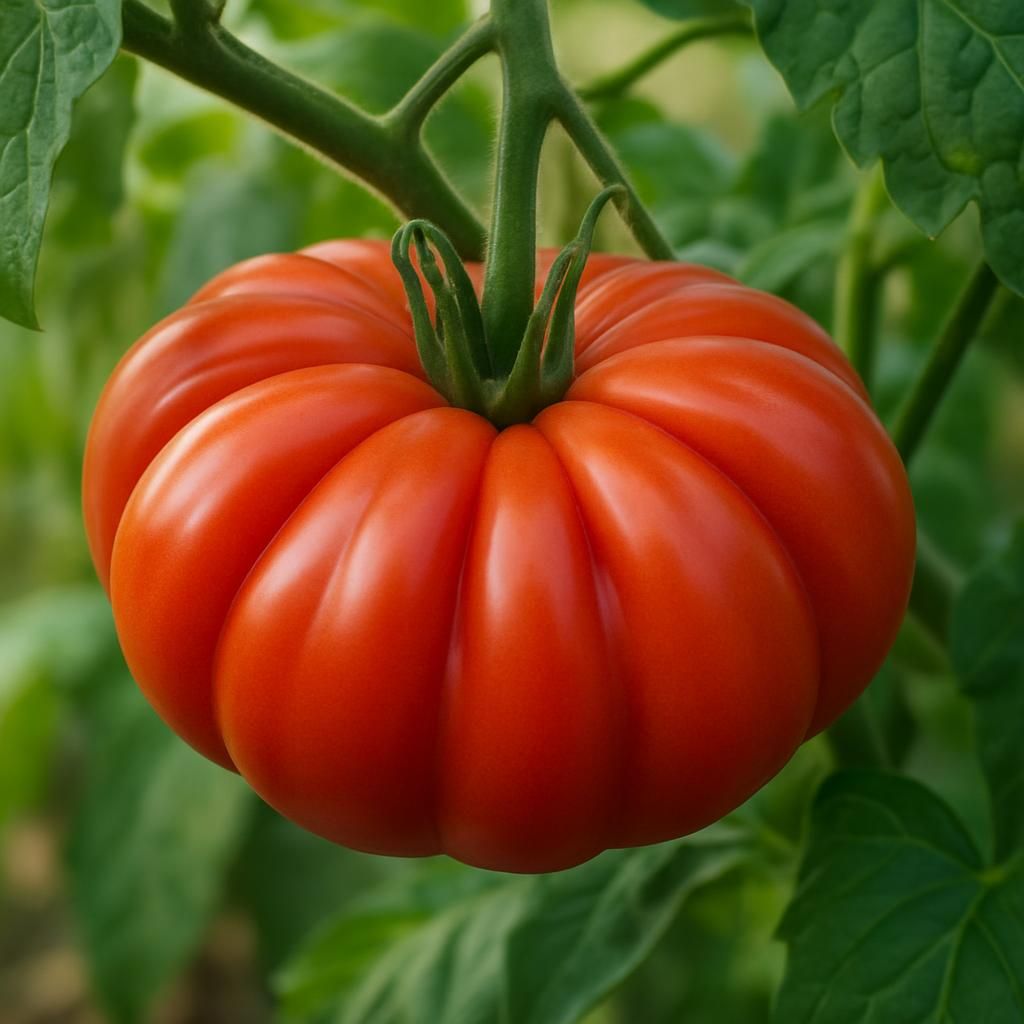
Introduction to Costoluto Genovese Tomato
Costoluto Genovese Tomato is an heirloom variety originating from the Liguria region of Italy, particularly around Genoa. Known for its distinctive deeply ribbed and slightly flattened shape, this tomato delivers a rich, sweet-tart flavor with excellent texture for both fresh salads and slow-cooked sauces. The plants are indeterminate, continuing to grow and set fruit throughout the season until frost, often reaching heights of 6–8 feet when properly supported. Gardeners value Costoluto Genovese for its reliable productivity, disease resistance compared to many heirlooms, and its ability to thrive in Mediterranean climates similar to its native habitat.
This variety performs exceptionally well in home gardens and small-scale commercial operations where flavor and visual appeal command premium prices at farmers' markets. The fruits typically weigh between 6 and 10 ounces, with a meaty interior containing fewer seeds than many other slicing tomatoes. Costoluto Genovese is also noted for its strong skin that resists cracking, making it suitable for transport and extended harvest windows.
Botanical Profile of Costoluto Genovese Tomato
Costoluto Genovese belongs to the species Solanum lycopersicum within the Solanaceae family. The plants exhibit vigorous indeterminate growth with sturdy, hairy stems that require consistent pruning and staking. Leaves are compound and dark green, with a slightly coarser texture than modern hybrid varieties. Flowers are typical tomato yellow blooms that self-pollinate, though wind and insect activity improve fruit set.
The fruits develop their characteristic deep ribbing and flattened shape as they mature, transitioning from green to a vibrant red when ripe. The thick walls and dense flesh contribute to the variety's renowned sauce-making qualities, while the balanced acidity and sugar content make it equally desirable for fresh consumption. Compared to Tomato or Beefsteak Tomato types, Costoluto Genovese offers a more pronounced regional flavor profile.
Soil, pH, and Climate Requirements for Costoluto Genovese Tomato
Successful cultivation of Costoluto Genovese Tomato begins with understanding its specific environmental needs. This variety prefers fertile, well-drained soils rich in organic matter. Consistent moisture without waterlogging is essential to prevent blossom end rot and fruit cracking. The following table outlines the ideal growing conditions:
| Parameter | Ideal Range/Value | Notes |
|---|---|---|
| Soil pH | 6.2 – 6.8 | Slightly acidic to neutral; test annually |
| Soil Type | Loamy, well-drained | High organic matter content recommended |
| Temperature Range | 65–85°F (18–29°C) daytime | Night temps above 55°F (13°C) |
| Sunlight | Full sun, minimum 8 hours | South-facing exposure optimal |
| Spacing | 24–36 inches between plants | Rows 4–5 feet apart |
| Frost Sensitivity | Tender; protect below 50°F | Transplant after last frost |
Raised beds or containers with high-quality potting mix amended with compost provide excellent results for urban gardeners.
Step-by-Step Planting & Propagation
Start seeds indoors 6–8 weeks before the last expected frost date. Sow seeds ¼ inch deep in sterile seed-starting mix and maintain soil temperature at 75–85°F using a heat mat. Germination typically occurs within 5–10 days. Once seedlings develop their first true leaves, transplant into individual 4-inch pots and provide bright light or grow lights for 14–16 hours daily.
Harden off seedlings for 7–10 days before transplanting outdoors. Choose a sunny location with protection from strong winds. Dig planting holes 18–24 inches deep and amend with aged compost and a handful of bone meal or balanced organic fertilizer. Plant deeply, burying the stem up to the first set of leaves to encourage strong root development. Install sturdy cages or trellises at planting time to support the indeterminate vines.
Care & Maintenance regimes for Costoluto Genovese Tomato
Consistent care ensures maximum productivity and fruit quality. Mulch heavily with straw or shredded leaves to conserve moisture and suppress weeds. Water deeply at the base of plants to keep foliage dry and reduce disease pressure. The following table provides a structured schedule for water, fertilizer, and pruning:
| Growth Stage | Watering Schedule | Fertilizer Application | Pruning & Training |
|---|---|---|---|
| Transplant to Flowering | 1–1.5 inches per week | Side-dress with compost tea every 3 weeks | Remove suckers below first flower cluster |
| Flowering to Fruit Set | Increase to 2 inches per week if dry | Apply balanced organic fertilizer (5-5-5) monthly | Continue sucker removal; tie vines to trellis |
| Fruit Ripening | Maintain even moisture | Switch to low-nitrogen, high-potassium feed | Top vines at 6–7 feet to focus energy on fruit |
| Post-Harvest | Reduce frequency as plants decline | Optional light compost top-dressing | Remove diseased foliage promptly |
Regular monitoring and timely interventions prevent most common issues.
Pests, Diseases & Organic Management
Costoluto Genovese Tomato can be affected by common tomato pests and diseases. Monitor regularly for Aphids, Hornworms, and Spider Mites. Use floating row covers early in the season and introduce beneficial insects such as ladybugs and lacewings. For fungal issues like Early Blight and Septoria Leaf Spot, practice crop rotation, avoid overhead watering, and apply copper-based organic fungicides preventively.
Remove and destroy infected plant material at season's end. Mulching and proper spacing improve airflow, reducing humidity around foliage. Companion planting with Basil and Marigold helps deter pests naturally.
Harvesting, Curing & Optimal Storage
Harvest Costoluto Genovese Tomatoes when they reach full color and yield slightly to gentle pressure. Pick at the breaker stage for longer storage or allow full ripening on the vine for peak flavor. Use pruning shears to cut stems rather than pulling fruits to avoid damaging plants.
Store ripe tomatoes at room temperature away from direct sunlight for up to one week. For extended storage, wrap individual fruits in paper and keep at 55–60°F. Avoid refrigeration as it diminishes flavor and texture. Green fruits can be ripened indoors in a paper bag with an ethylene-producing fruit such as a banana.
Companion Planting for Costoluto Genovese Tomato
Strategic companion planting enhances growth, deters pests, and improves soil health. Plant Basil nearby to improve flavor and repel insects. Marigold and Nasturtium provide excellent pest deterrence through their strong scents and trap-cropping abilities. Garlic and Onion help deter aphids and other soft-bodied insects.
Avoid planting near Potato or Corn to reduce shared disease risks. Include nitrogen-fixing legumes such as Peas or Beans in rotation to maintain soil fertility. Diverse plantings support beneficial insect populations and create resilient garden ecosystems.