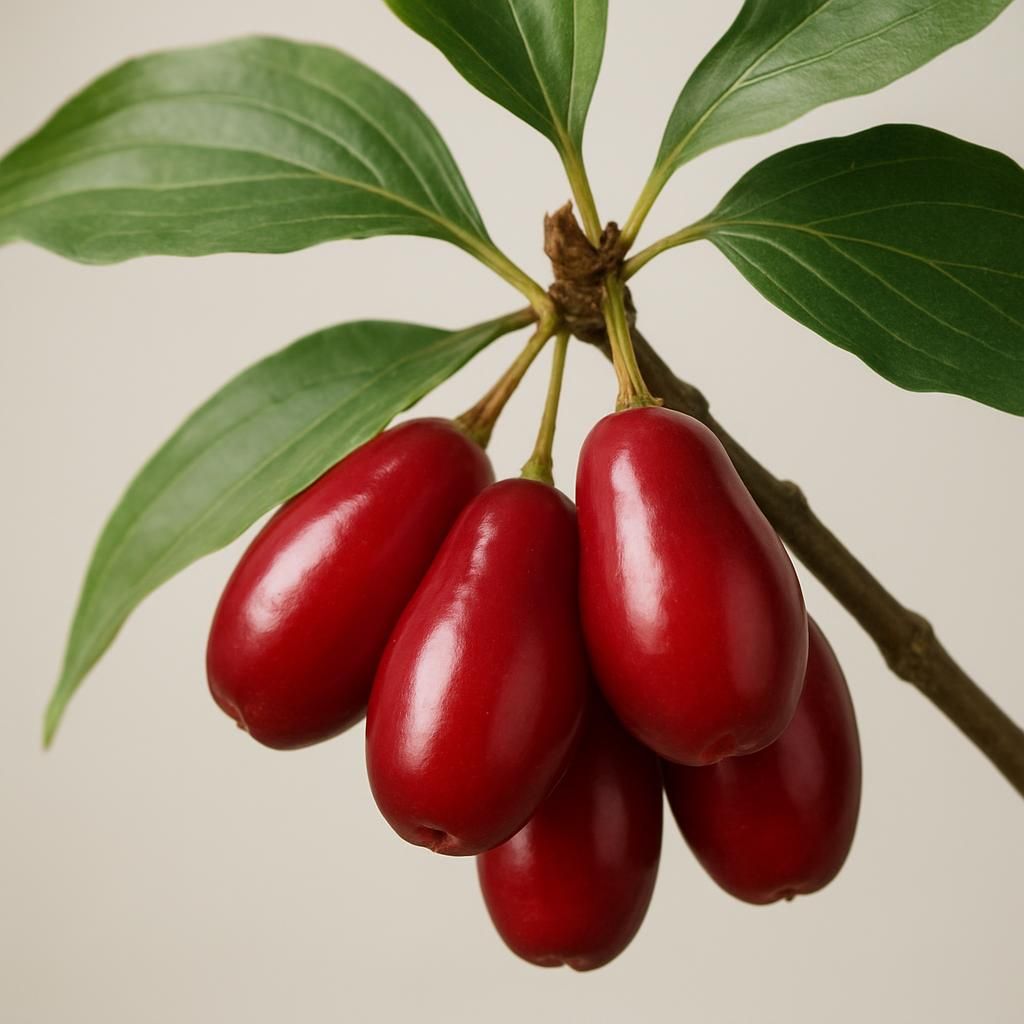
Introduction to Cornus
Cornus, known collectively as dogwoods, encompasses over 50 species of deciduous and evergreen shrubs and small trees prized for their vibrant spring blooms, colorful autumn foliage, and clusters of edible or medicinal berries. In agricultural and permaculture systems, Cornus species are valued for their adaptability, wildlife support, and traditional uses ranging from medicinal bark extracts to natural dyes. Their dense growth habit also makes them effective for erosion control and hedgerow establishment on small farms.
Professional growers select Cornus for both commercial berry production and as multifunctional landscape plants that enhance biodiversity. Understanding the specific requirements of each species allows farmers to integrate Cornus successfully into mixed cropping systems while maximizing both ecological and economic returns.
Botanical Profile of Cornus
Cornus belongs to the Cornaceae family and features opposite leaves, small four-petaled flowers often surrounded by showy bracts, and distinctive drupes. Common agricultural species include Cornus mas (Cornelian cherry), Cornus officinalis, and Cornus sericea (red osier dogwood). These plants typically reach 3–8 meters in height with fibrous root systems that improve soil structure.
The genus exhibits remarkable variation in fruit color, from bright red to dark purple, and bark that ranges from smooth gray to striking red or yellow winter stems. Many species demonstrate strong resprouting ability after coppicing, making them suitable for sustainable biomass production alongside fruit harvests.
Soil, pH, and Climate Requirements for Cornus
Cornus species generally prefer well-drained, fertile loams with consistent moisture but tolerate a range of conditions when established. Most thrive in USDA zones 4–8 and require 600–900 chill hours for optimal flowering and fruit set. They perform best with full sun to partial shade exposure.
| Parameter | Ideal Range | Notes |
|---|---|---|
| Soil Type | Loamy, well-drained | Avoid heavy clay without amendment |
| Soil pH | 5.5 – 7.0 | Slightly acidic to neutral preferred |
| Temperature Range | -25°C to 30°C | Hardy to zone 4; protect young plants |
| Annual Rainfall | 600–1200 mm | Supplemental irrigation in dry periods |
| Sunlight | Full sun to partial shade | Morning sun reduces disease pressure |
| Elevation | Up to 1500 m | Higher elevations may delay fruiting |
Step-by-Step Planting & Propagation
Site preparation begins with soil testing and amendment to achieve the target pH range. Remove competing vegetation and incorporate 5–8 cm of well-rotted compost. Plant bare-root or container-grown specimens in early spring or autumn when soil temperatures are above 10°C.
Spacing depends on intended use: 2–3 meters between plants for hedgerows and 4–5 meters for specimen trees. Dig planting holes twice the width of the root ball and at the same depth as the nursery container. Backfill with native soil mixed with organic matter and water thoroughly.
Propagation methods include hardwood cuttings taken in late winter, softwood cuttings in early summer, and seed stratification requiring 90–120 days of cold moist treatment. Grafting onto Cornus mas rootstock is common for selected fruiting cultivars to ensure true-to-type plants.
Care & Maintenance regimes for Cornus
Young plants require consistent moisture during the first two growing seasons. Apply a 7–10 cm layer of organic mulch to conserve moisture and suppress weeds. Fertilization should be conservative; excessive nitrogen promotes vegetative growth at the expense of fruit and flower production.
| Season | Watering Schedule | Fertilizer Application | Pruning Schedule |
|---|---|---|---|
| Spring | 25–40 mm/week during establishment | Apply balanced 10-10-10 at bud break | Remove dead/diseased wood |
| Summer | Deep watering every 7–10 days | Light compost tea mid-season | Tip prune for bushier growth |
| Autumn | Reduce to harden off plants | None; focus on soil health | Remove crossing branches |
| Winter | Minimal unless drought persists | None | Coppice older stems for rejuvenation |
Pests, Diseases & Organic Management
Common pests include Aphids, scale insects, and Japanese beetles. These can be managed through horticultural oil applications, beneficial insect releases, and manual removal. Cornus is also susceptible to powdery mildew and anthracnose, particularly in humid climates.
Organic management emphasizes cultural practices: proper spacing for airflow, resistant cultivars, and regular sanitation of fallen leaves and fruit. Neem oil and potassium bicarbonate sprays provide effective control when applied at the first sign of disease. Maintaining healthy soil biology through compost applications strengthens plant resistance.
Harvesting, Curing & Optimal Storage
Fruit of Cornus mas ripens from late summer through early autumn. Harvest when berries reach full color and begin to soften slightly. Hand-pick into shallow trays to avoid bruising. For medicinal bark, harvest in early spring before sap flow or in autumn after leaf drop.
Fresh berries can be refrigerated for up to two weeks. For longer storage, dry at 35–40°C until leathery or process into preserves, juices, or powders. Properly dried fruit retains quality for 12 months when stored in airtight containers away from light.
Companion Planting for Cornus
Cornus integrates well with nitrogen-fixing species such as Clover and Hairy vetch that improve soil fertility. Understory planting with Thyme and Yarrow provides aromatic pest deterrence while attracting beneficial insects.
Avoid planting near Tomato or Potato due to shared susceptibility to certain fungal pathogens. Pairing with Nasturtium creates a living mulch that suppresses weeds and provides edible flowers. In hedgerow systems, interplanting with Elderberry and Blackberry enhances biodiversity and extends the harvest window.