Encyclopedia
Definitive guides for crops, pests, and agricultural diseases.
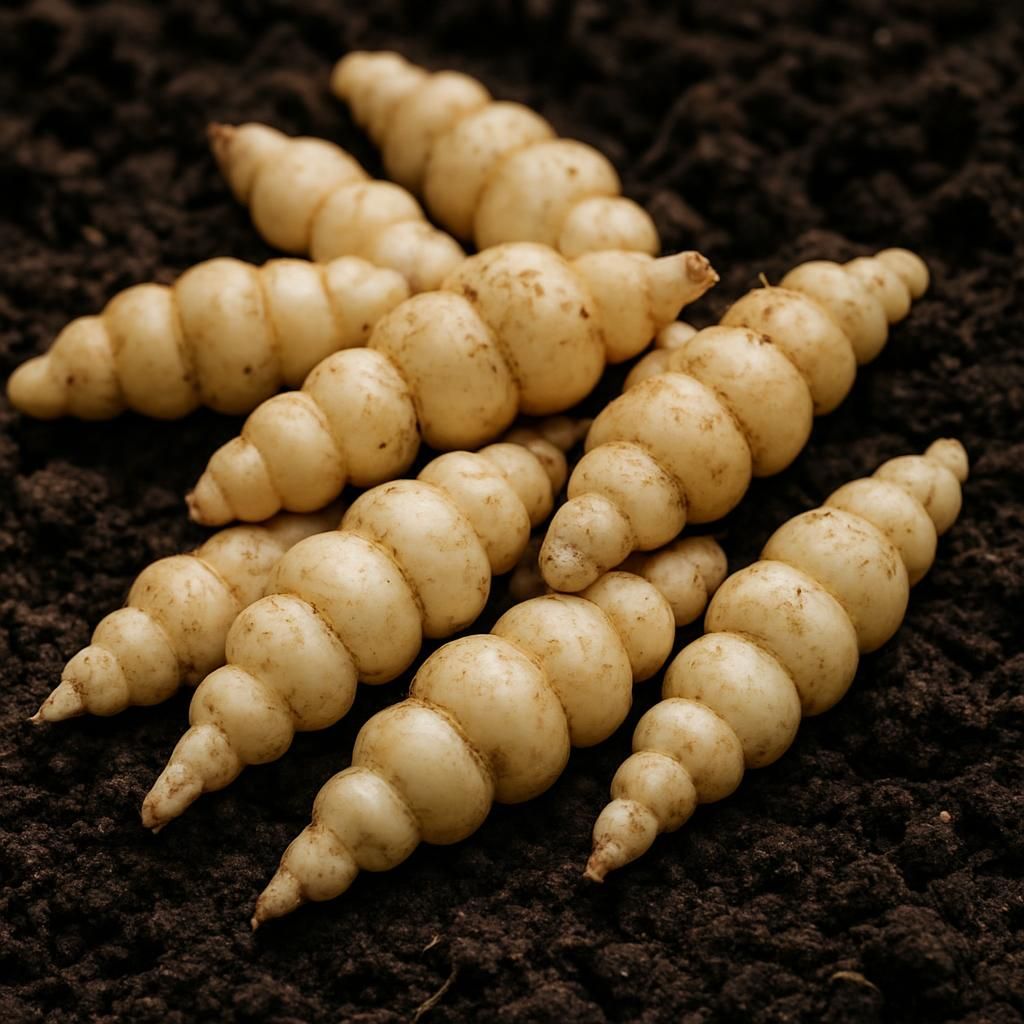
Chinese Artichoke (Crosne)
Chinese Artichoke (Crosne) is a cool-season perennial grown for its crisp, nutty tubers that resemble miniature ivory caterpillars. It thrives in fertile, well-drained soils and offers high-value niche market potential for small farms and home gardeners seeking unusual root crops.
View Guide
Chinese Chestnut
Chinese chestnut (Castanea mollissima) is an invasive tree species notorious for outcompeting native vegetation, hybridizing with American chestnut, and dominating forest understories in North America. This guide provides definitive diagnostic criteria for identification and comprehensive organic management strategies to control its spread in agricultural and natural settings. Farmers and land managers can effectively mitigate its impact using integrated cultural, mechanical, and biological approaches.
View Guide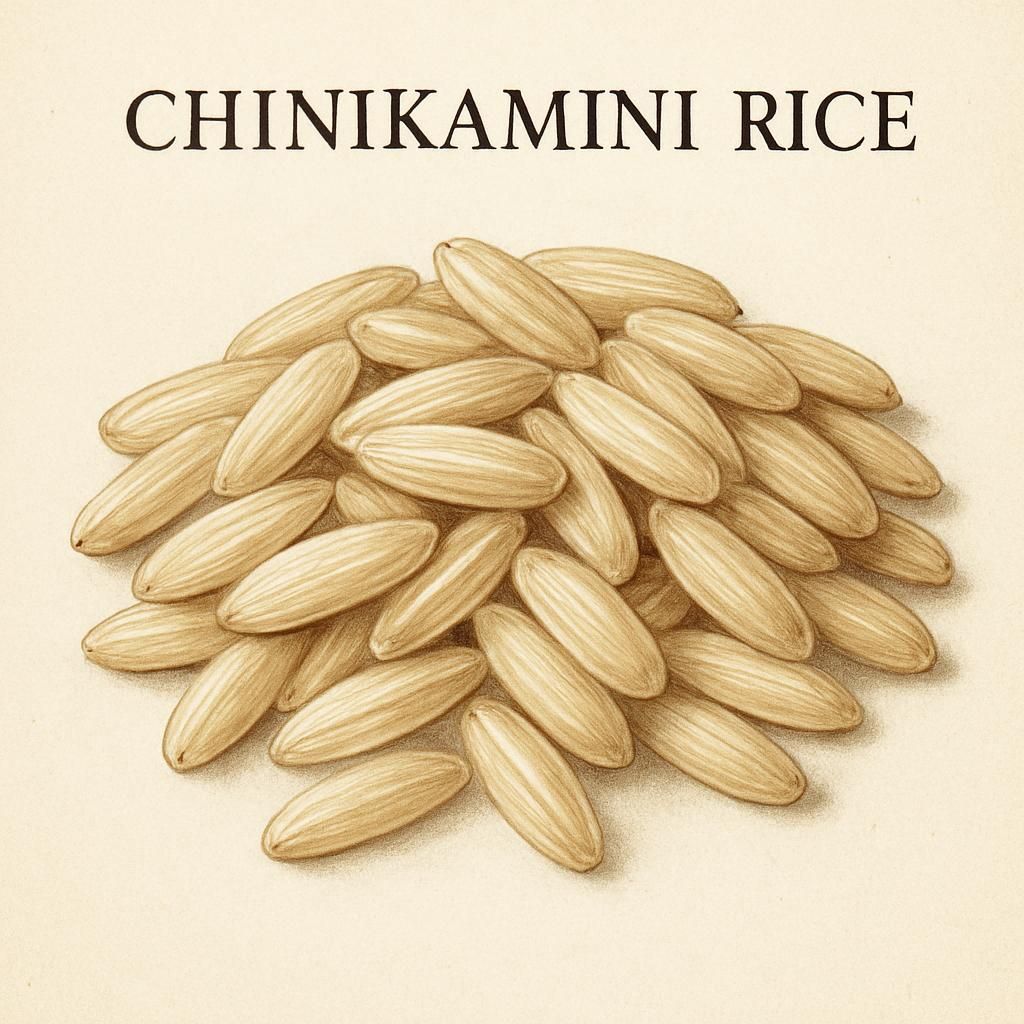
Chinikamini Rice
Chinikamini Rice is a premium rice variety known for its aromatic fragrance and delicate texture. Cultivated primarily in tropical regions, this rice variety requires specific soil and climatic conditions to thrive, offering a unique culinary experience.
View Guide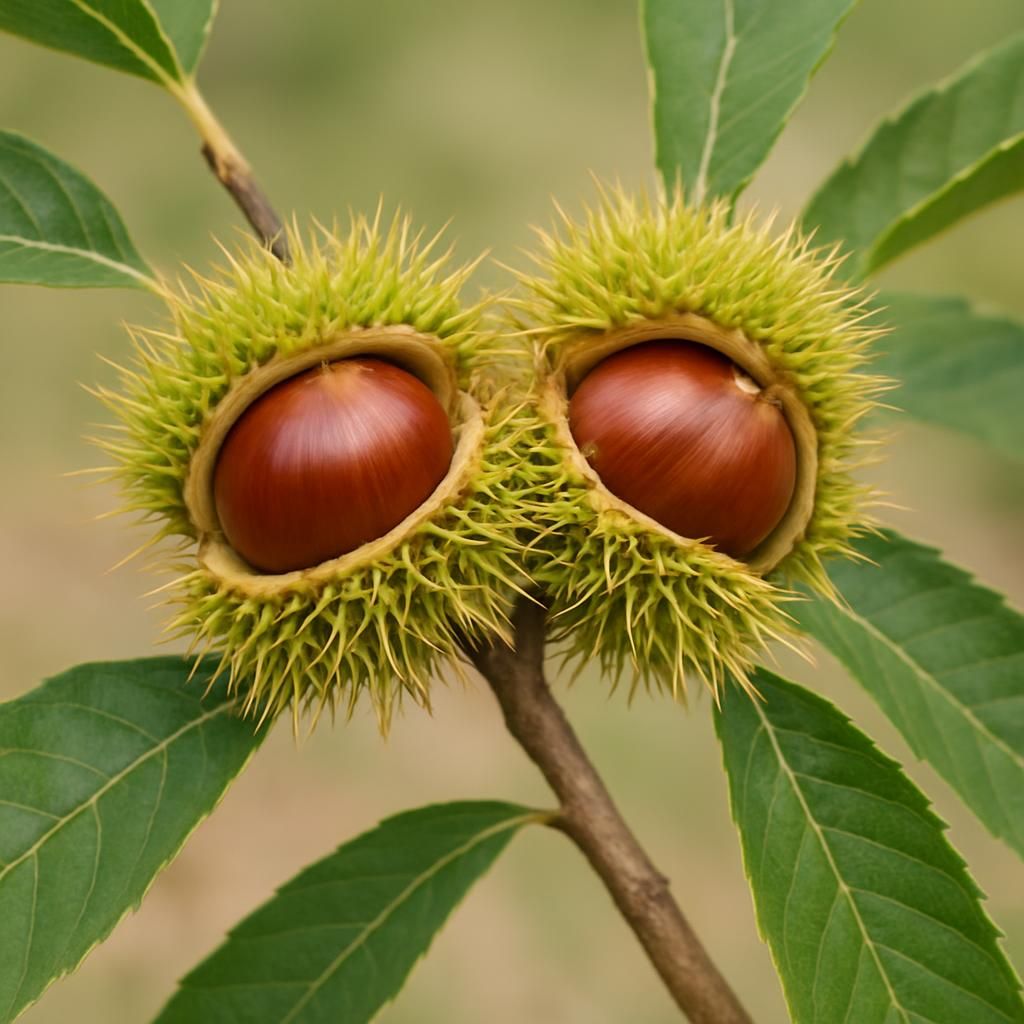
Chinquapin (Castanea pumila)
Chinquapin is a small, deciduous nut-bearing tree native to the eastern United States, valued for its sweet, edible nuts and resilience in marginal soils. This guide provides comprehensive, professional-grade cultivation advice covering soil, climate, planting, maintenance, pest management, harvesting, and companion planting strategies.
View Guide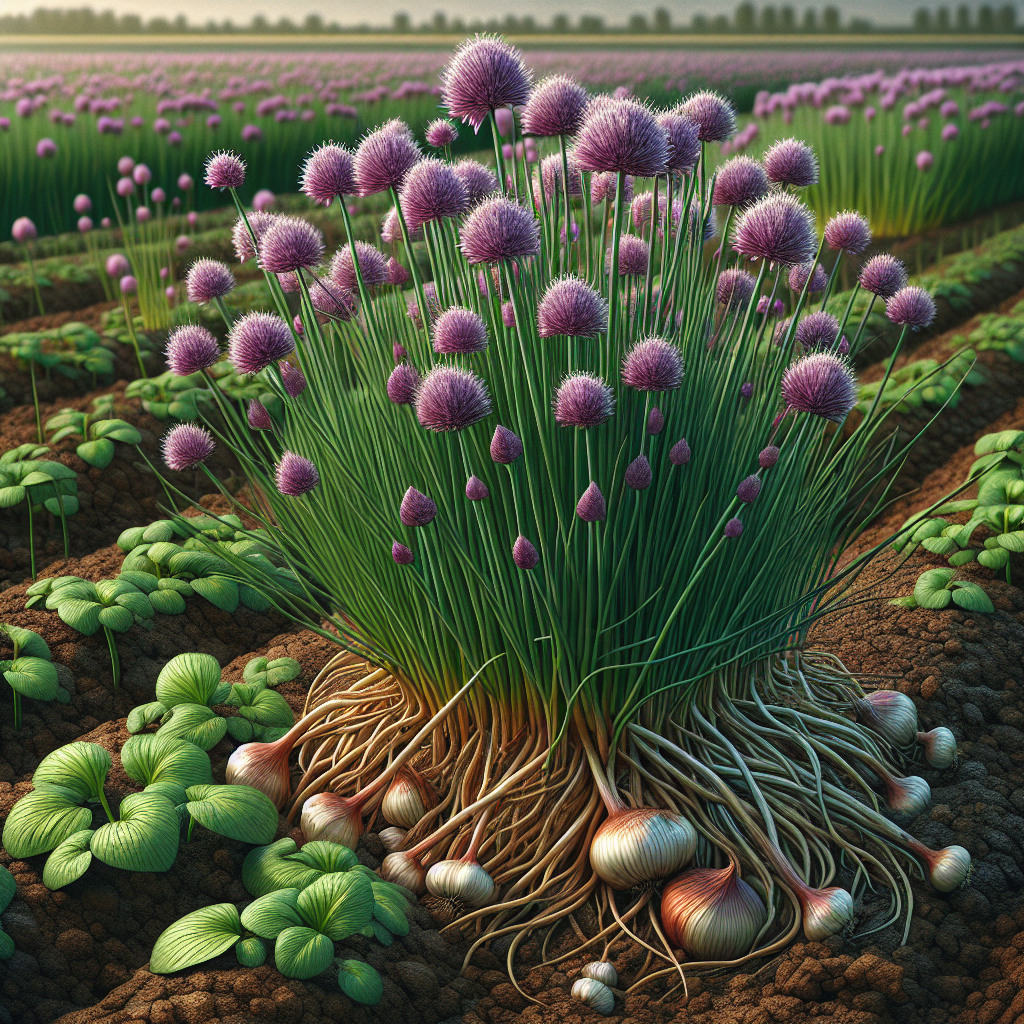
chives
Chives (Allium schoenoprasum) are perennial herbaceous plants often considered invasive weeds in agricultural settings, aggressively spreading via bulbs and seeds to outcompete crops. This guide provides definitive diagnostic symptoms, lifecycle details, and professional organic management strategies to control chives infestations effectively. Farmers can implement prevention tactics to safeguard yields from this persistent Allium pest.
View Guide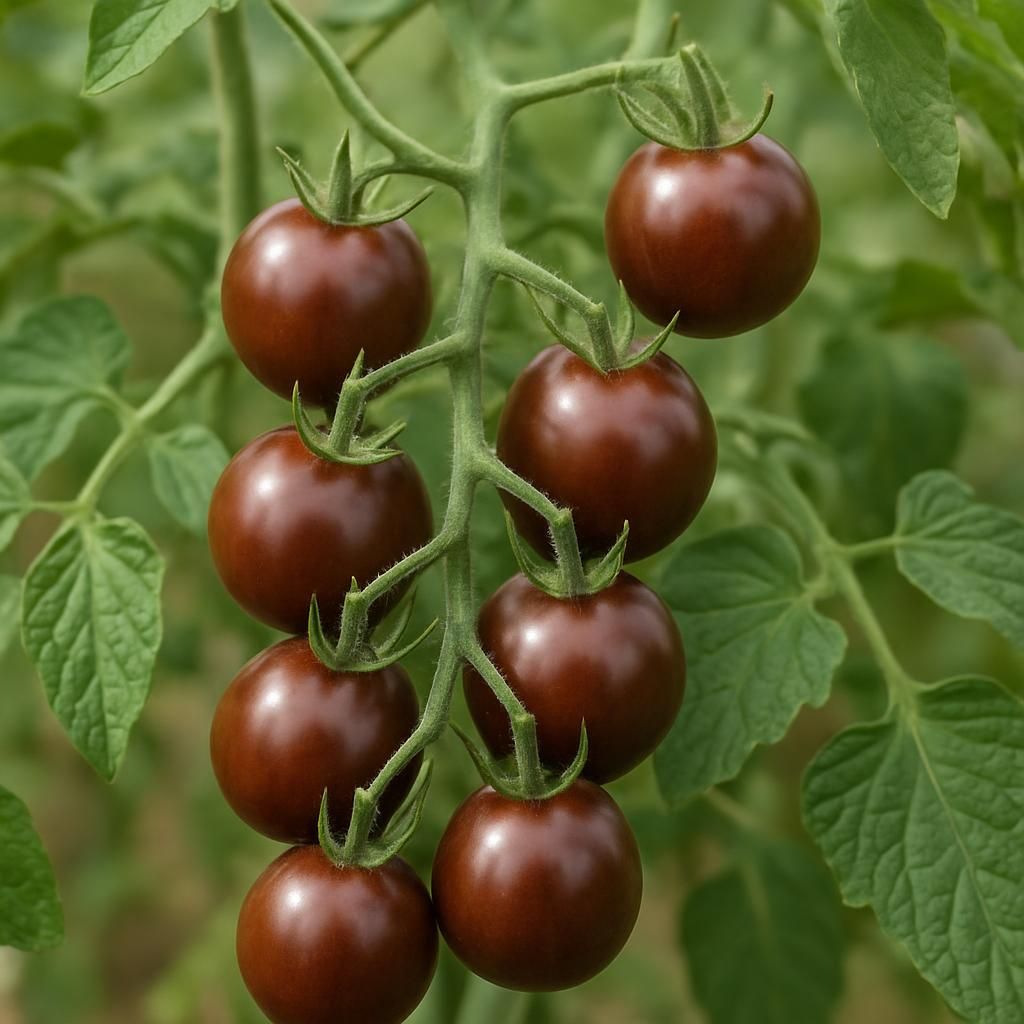
Chocolate Cherry Tomato
Chocolate Cherry Tomato is a high-yielding, indeterminate heirloom cherry tomato prized for its deep mahogany-brown fruits with rich, complex flavor. This compact yet vigorous variety produces clusters of bite-sized tomatoes ideal for fresh eating, salads, and roasting.
View Guide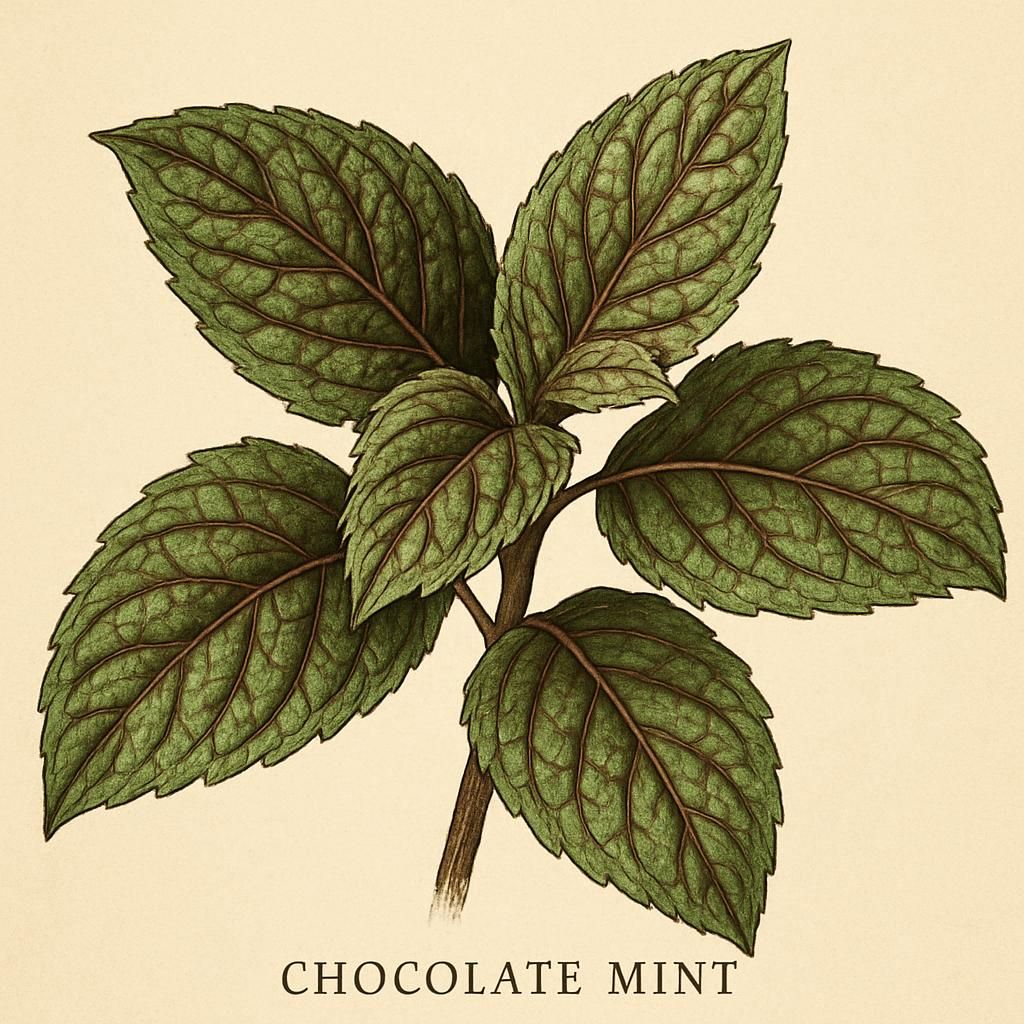
Chocolate Mint
Chocolate Mint, a variation of peppermint, is prized for its unique chocolate-mint scent and flavor. It's a hardy plant, easy to grow in various climates, and suitable for container gardening.
View Guide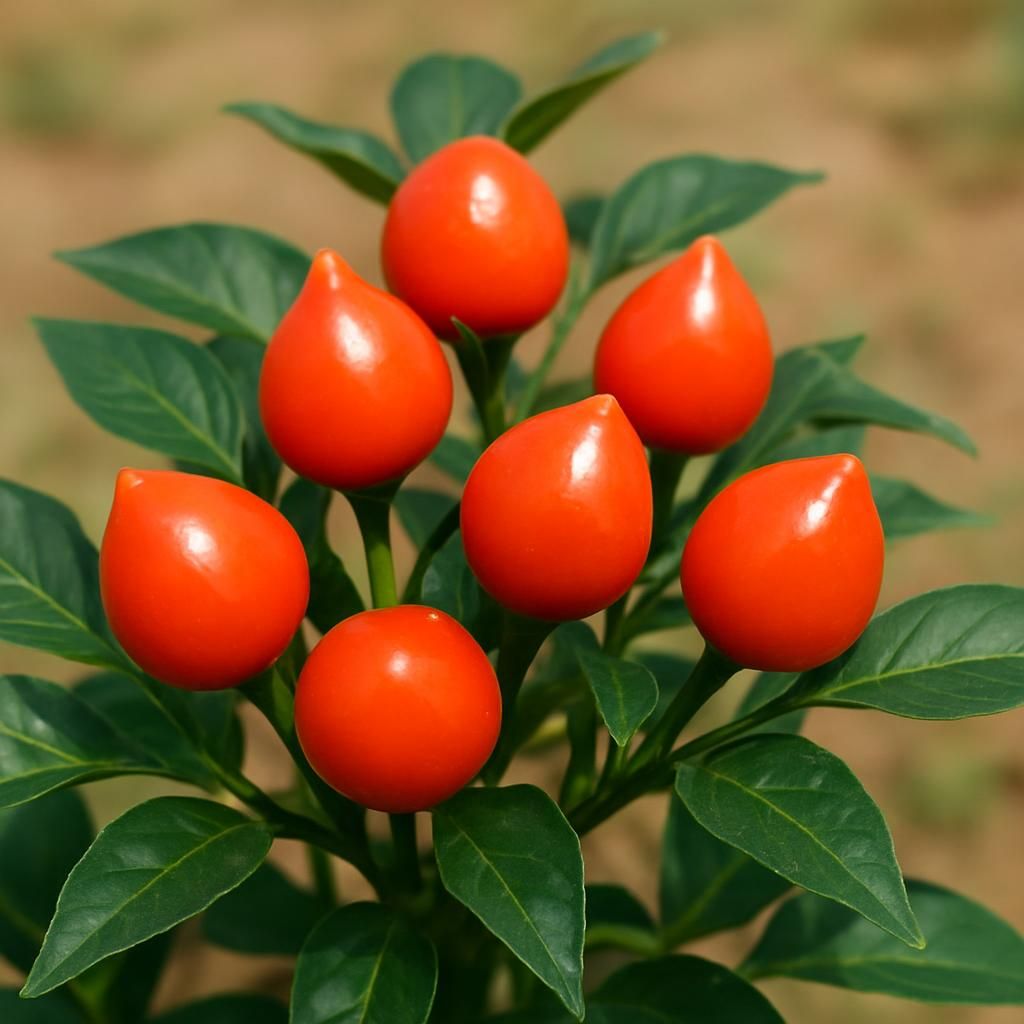
Chupetinha Pepper
Chupetinha Pepper is a compact, high-yielding Capsicum chinense cultivar prized for its small, teardrop-shaped pods and intense fruity heat. This guide delivers professional-grade advice on soil, climate, planting, care, pest management, and harvesting for consistent commercial and home-garden success.
View Guide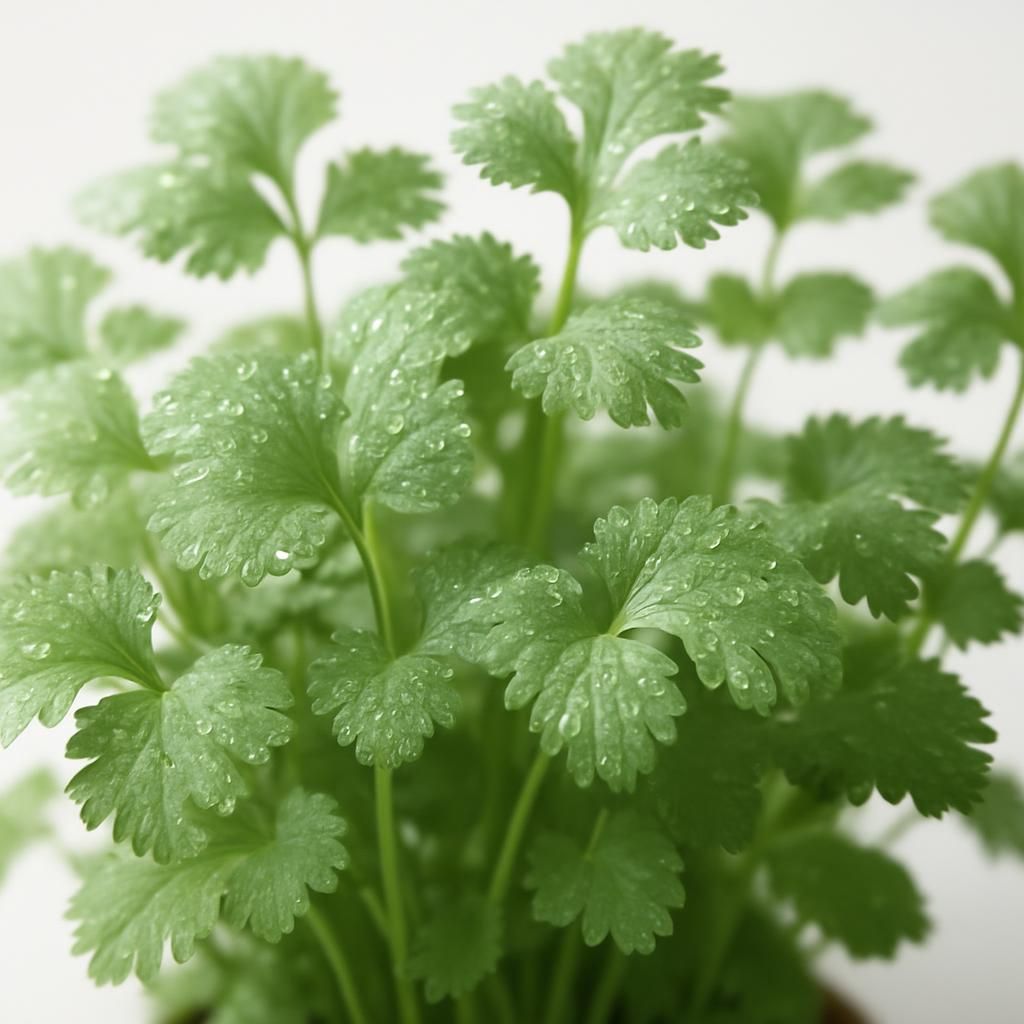
Cilantro
Cilantro is a fast-growing annual herb prized for its fresh leaves and aromatic seeds (coriander). It thrives in cool weather and well-drained soils but bolts quickly in heat, requiring strategic succession planting for continuous harvests.
View Guide
Cinderella Pumpkin (Rouge Vif d'Etampes)
Cinderella Pumpkin, also known as Rouge Vif d'Etampes, is a historic French heirloom prized for its deeply ribbed, flattened shape and glowing red-orange skin. It is grown both as an ornamental pumpkin and as a flavorful culinary squash, performing best in warm, sunny conditions with fertile, well-drained soil and a long frost-free season.
View Guide
Cinnamon
Cinnamon is a tropical evergreen spice tree grown primarily for its fragrant inner bark, which is peeled, fermented briefly, and dried into the quills familiar in trade. While several species are sold as cinnamon, true or Ceylon cinnamon, Cinnamomum verum, is especially valued for its delicate aroma, thin bark, and lower coumarin content compared with cassia types.
View Guide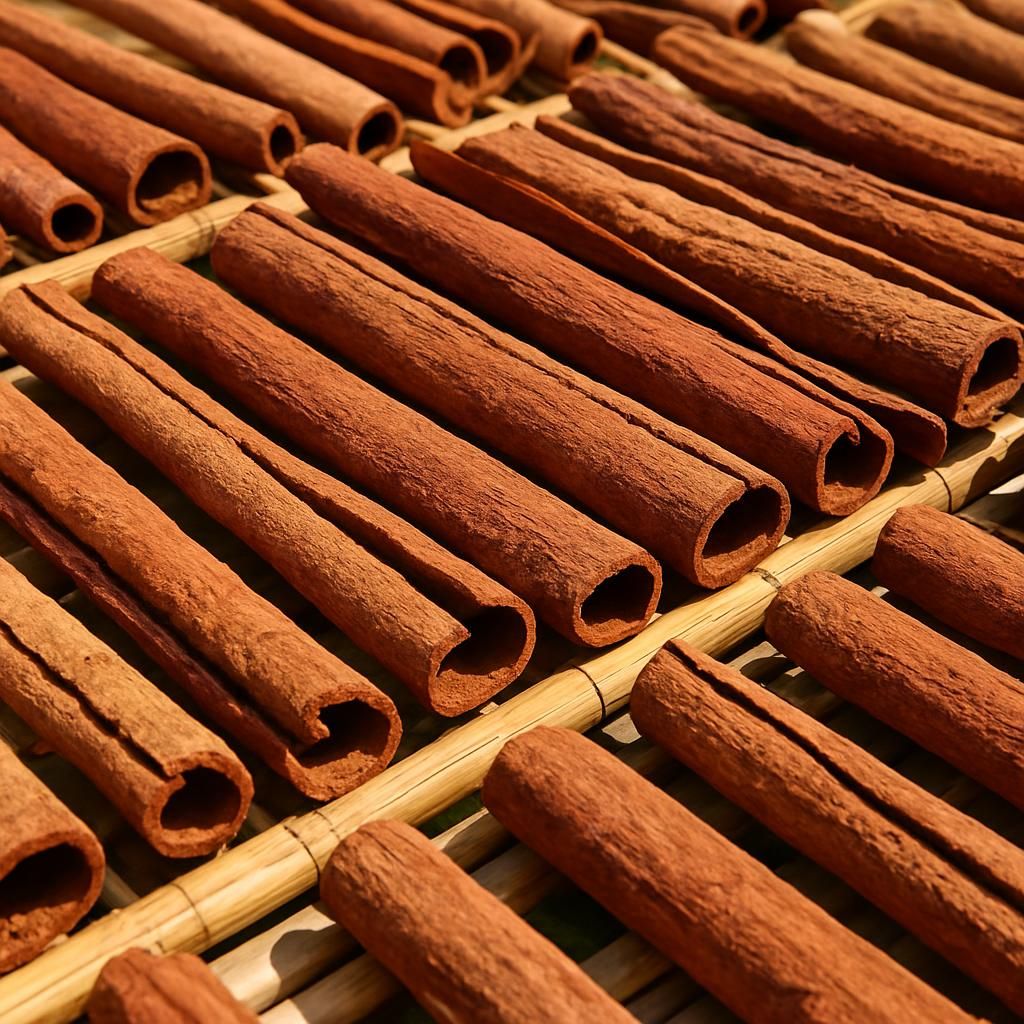
Cinnamon (Cassia - Korintje)
Korintje cassia is a robust tropical evergreen tree valued for its thick, high-oil bark used as a potent culinary and medicinal spice. It is widely cultivated in Indonesia and offers higher yields than true Ceylon cinnamon but contains more coumarin. Commercial and small-scale growers prize it for its resilience and strong market demand.
View Guide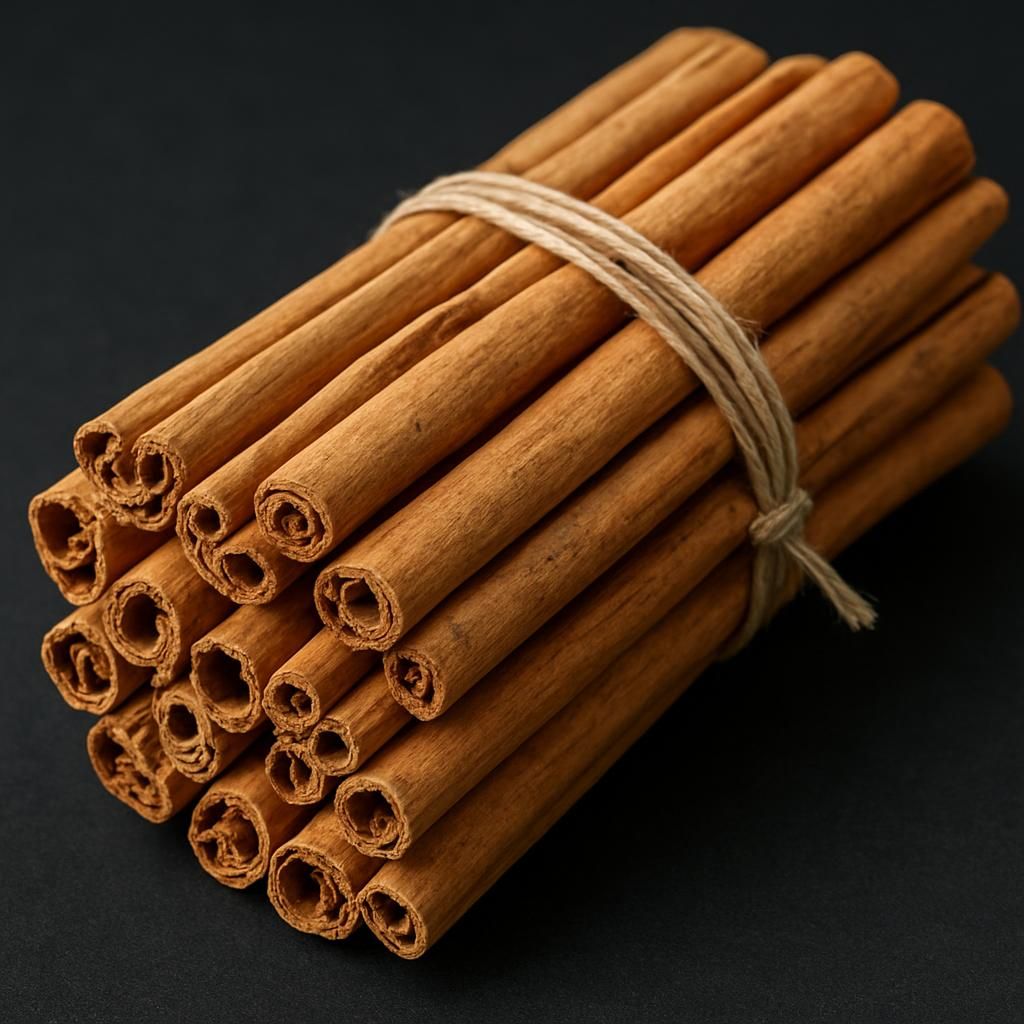
Cinnamon (Ceylon - Alba)
Ceylon cinnamon (Cinnamomum verum), particularly the Alba grade, is the premium thin-barked true cinnamon prized for its delicate flavor and low coumarin content. This guide provides professional, in-depth growing instructions for commercial and serious home growers focusing on propagation, soil management, pest control, and post-harvest curing.
View Guide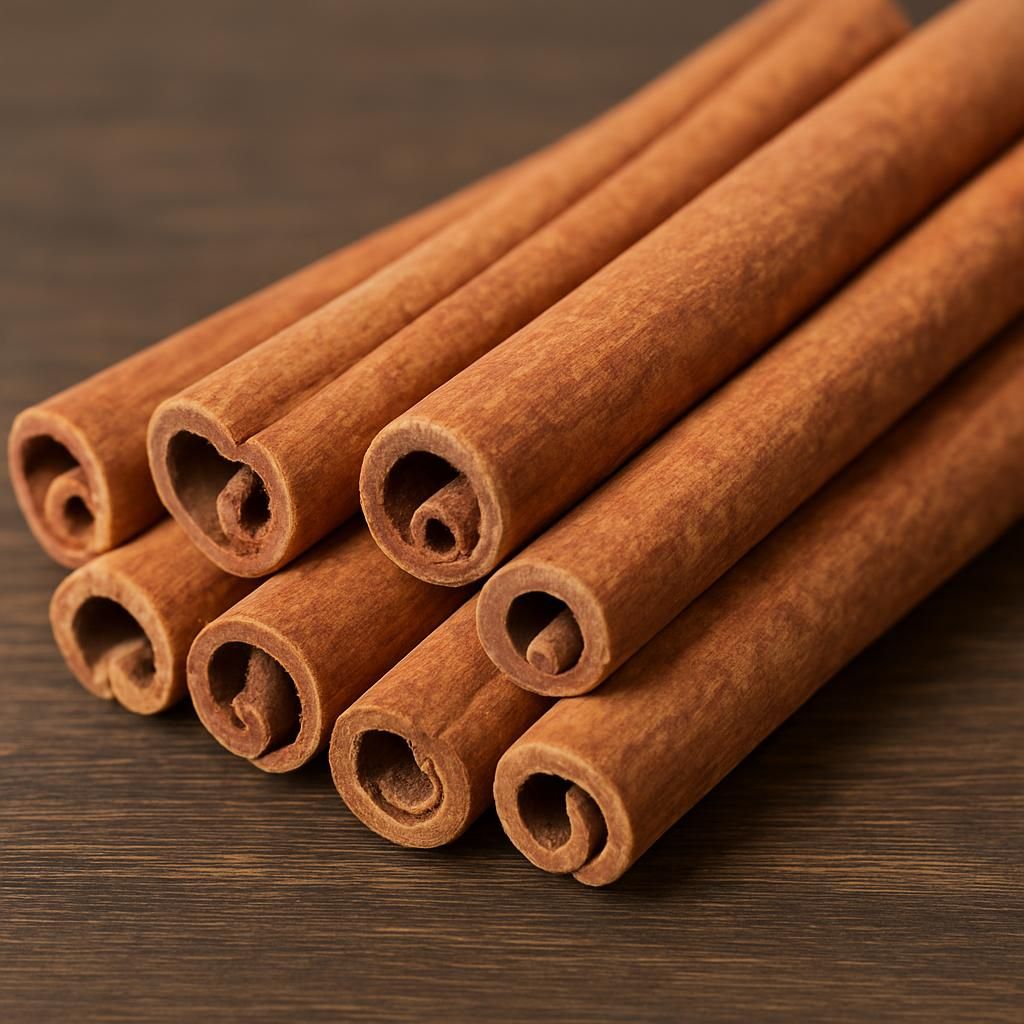
Cinnamon (Saigon)
Saigon cinnamon is a premium cassia-type cinnamon prized for its intense aroma, high cinnamaldehyde content, and thick, reddish-brown quills. This tropical evergreen tree requires warm, humid conditions and well-drained, acidic soils to produce high-quality bark after 5–7 years.
View Guide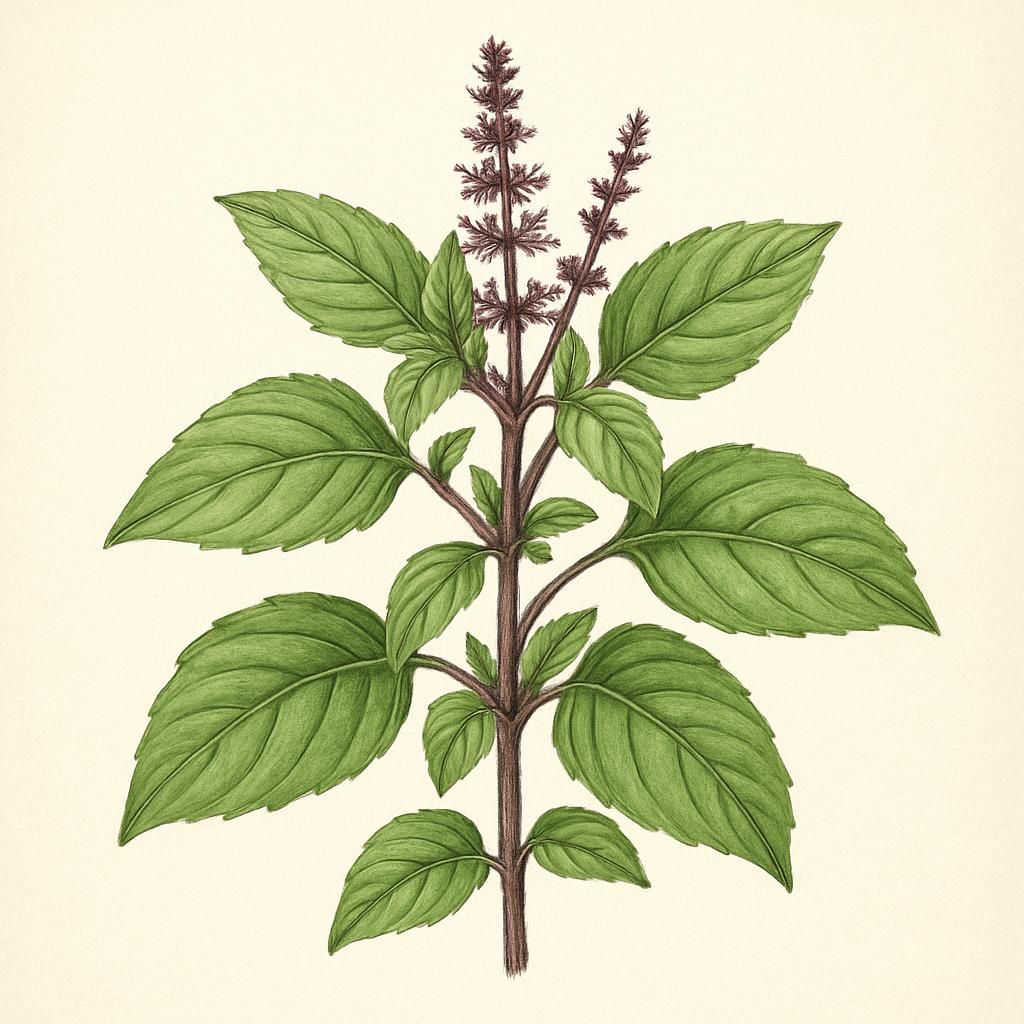
Cinnamon Basil
Cinnamon Basil is a fragrant herb known for its distinctive cinnamon aroma and is widely used in culinary applications. Originating from Mexico, it thrives in warm climates and is easy to grow, making it a favorite among gardeners and chefs alike.
View Guide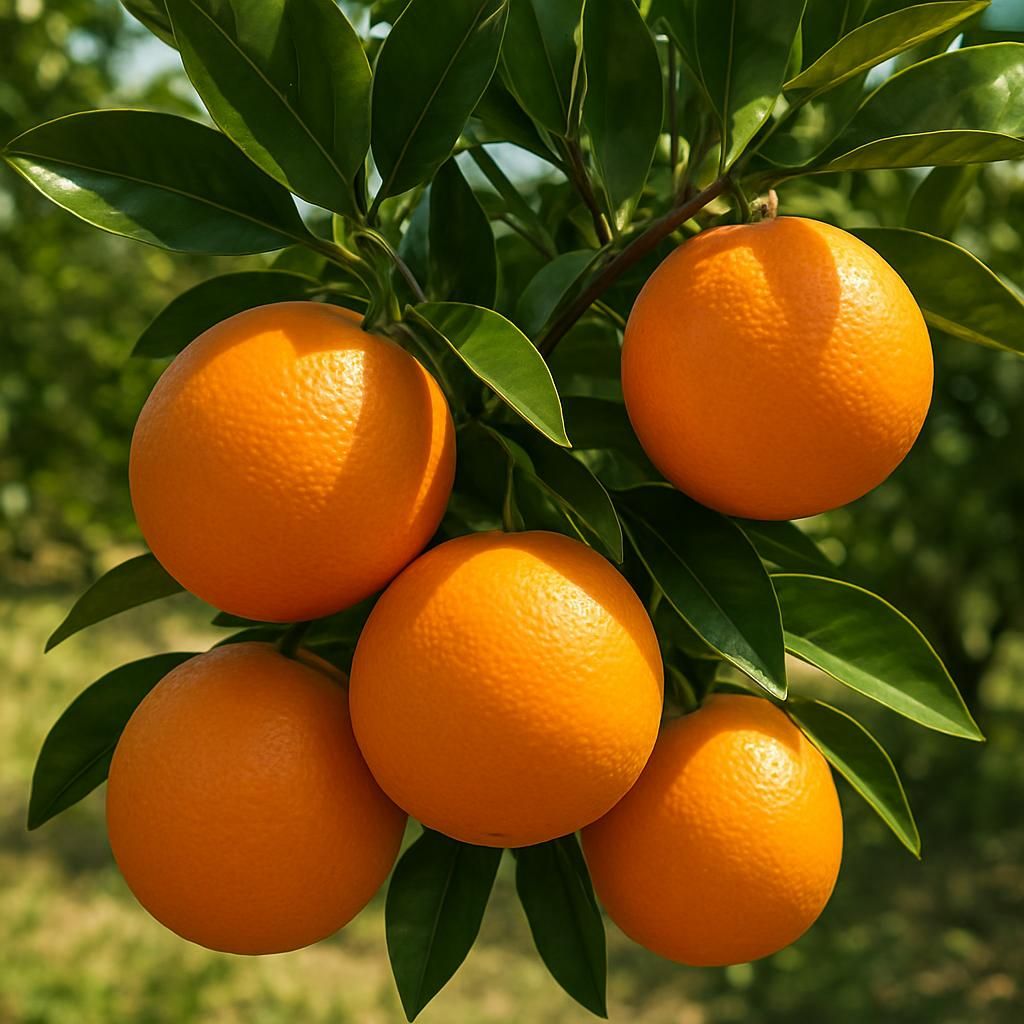
Citrus
Citrus encompasses a diverse group of evergreen fruit trees prized for their juicy, vitamin-rich fruits and fragrant blossoms. This definitive guide covers every stage of commercial and home production from soil preparation to post-harvest handling.
View Guide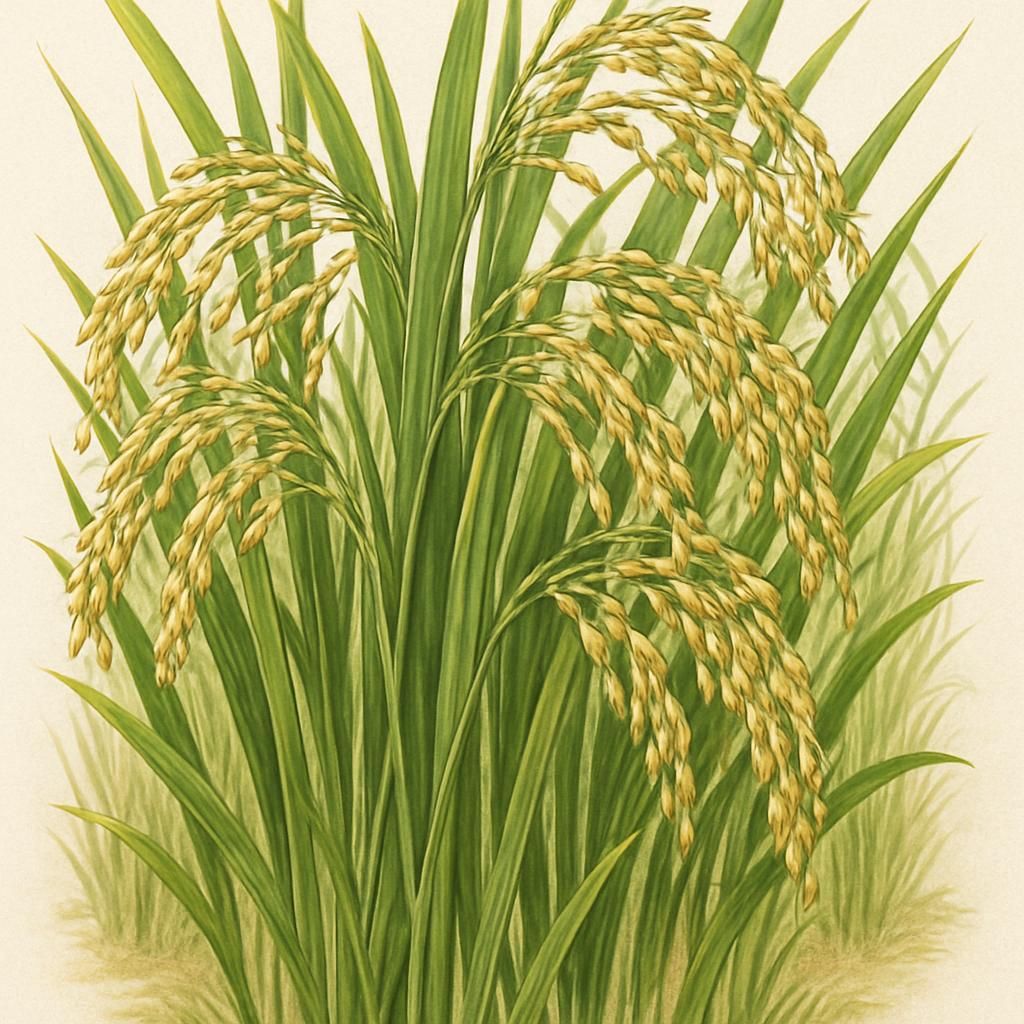
CL111 Rice
CL111 Rice is a high-yielding, semi-dwarf rice variety known for its adaptability and resistance to pests and diseases, making it suitable for a range of climates and cultivation practices.
View Guide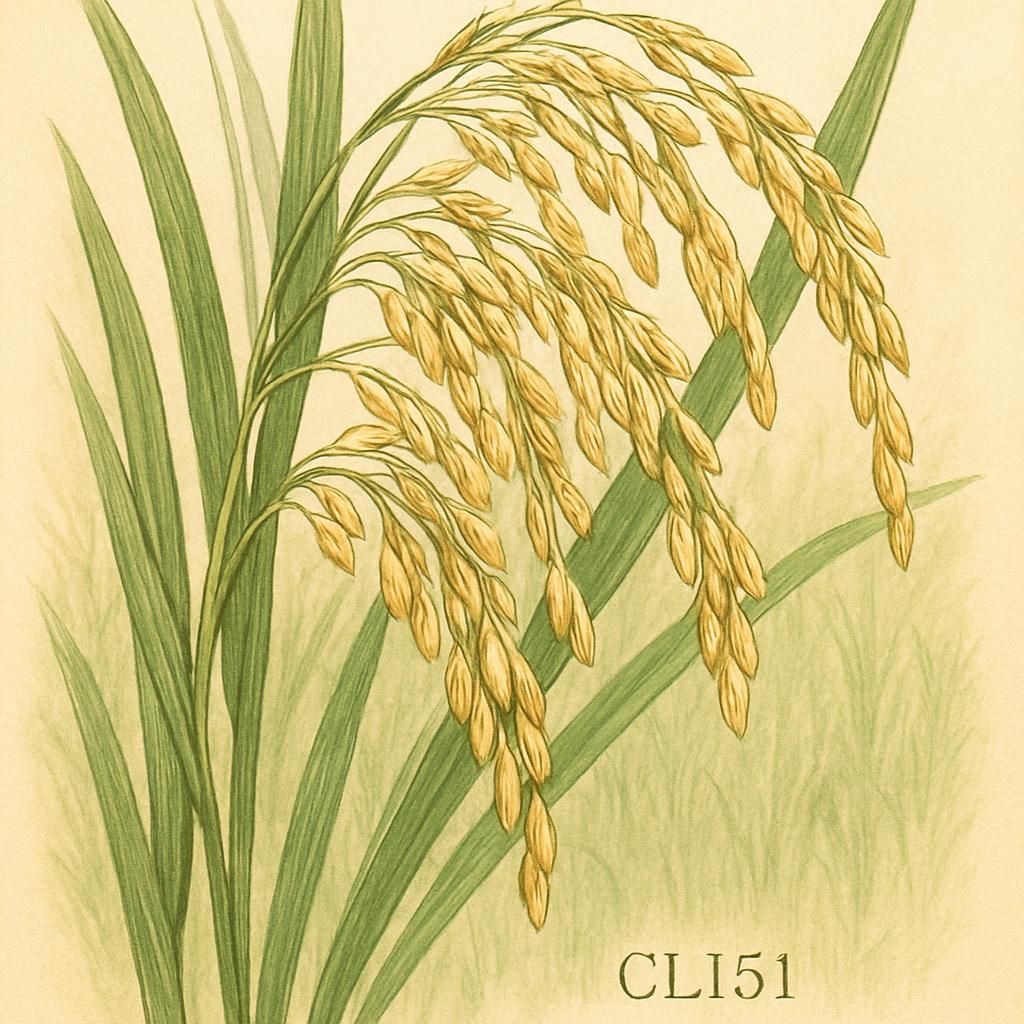
CL151 Rice
CL151 Rice is a high-yield, herbicide-resistant variety designed for efficient cultivation in the American rice belt. Its distinct cultivation advantages make it an ideal choice for modern rice farming.
View Guide
Clam
Clam is a bivalve mollusk cultivated in coastal and estuarine aquaculture systems. This guide provides professional-grade, practical advice on soil, water, climate, planting, care, pests, harvesting, and companion strategies for successful clam production.
View Guide
Clematis
Clematis is a diverse genus of flowering vines prized for its spectacular blooms and versatile garden uses. This comprehensive guide covers botanical traits, ideal growing conditions, planting and propagation methods, ongoing care, pest and disease management, harvesting, and companion planting strategies for successful cultivation.
View Guide
Clementine
Clementine is a small, easy-peeling mandarin-type citrus valued for its sweet flavor, low seed count, and reliable winter harvest. It performs best in frost-free to lightly frosty subtropical climates with excellent drainage, balanced nutrition, and careful irrigation management to prevent fruit drop, root stress, and rind disorders.
View Guide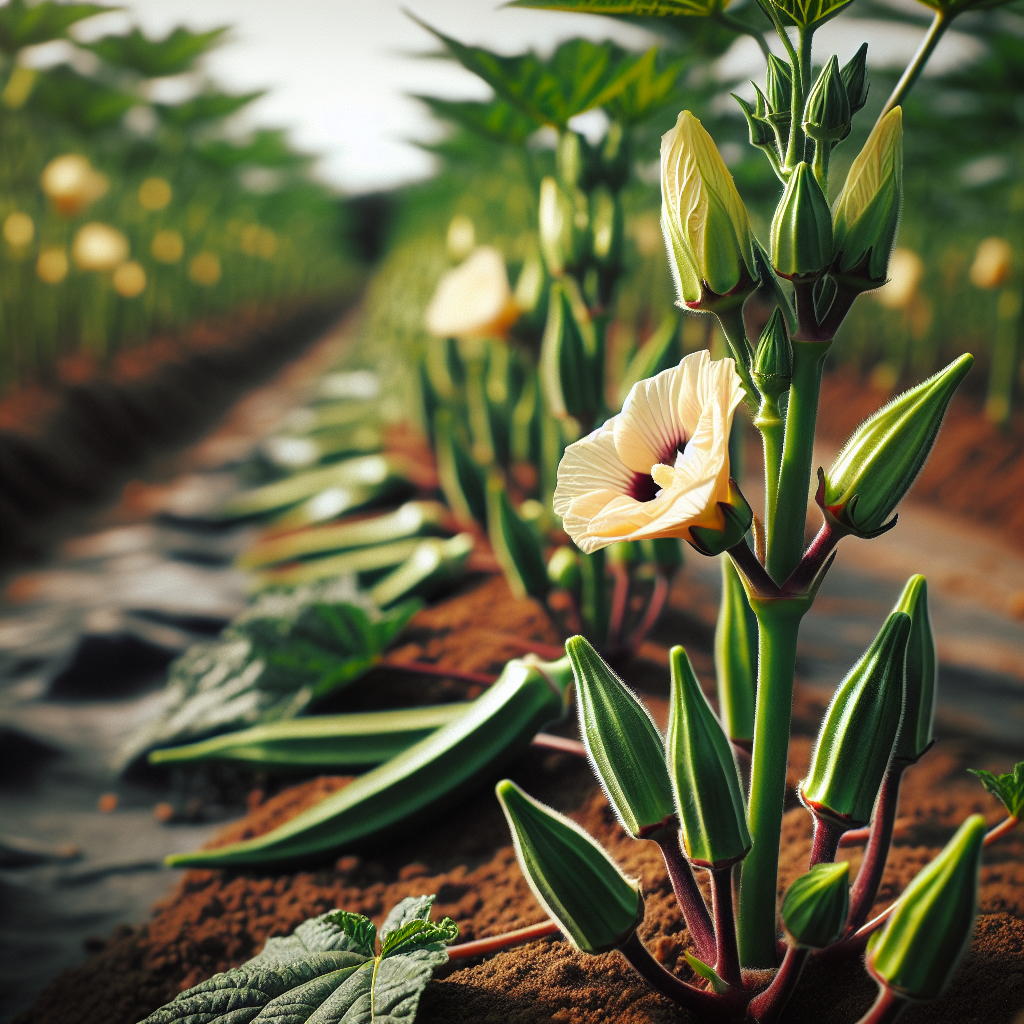
Clemson Spineless Okra
Clemson Spineless Okra is one of the most widely grown heirloom okra varieties, valued for its high productivity, reduced pod spines, and dependable performance in hot weather. It is especially well suited to home gardens and market plots because it produces tender, ridged green pods over a long harvest window when picked frequently.
View Guide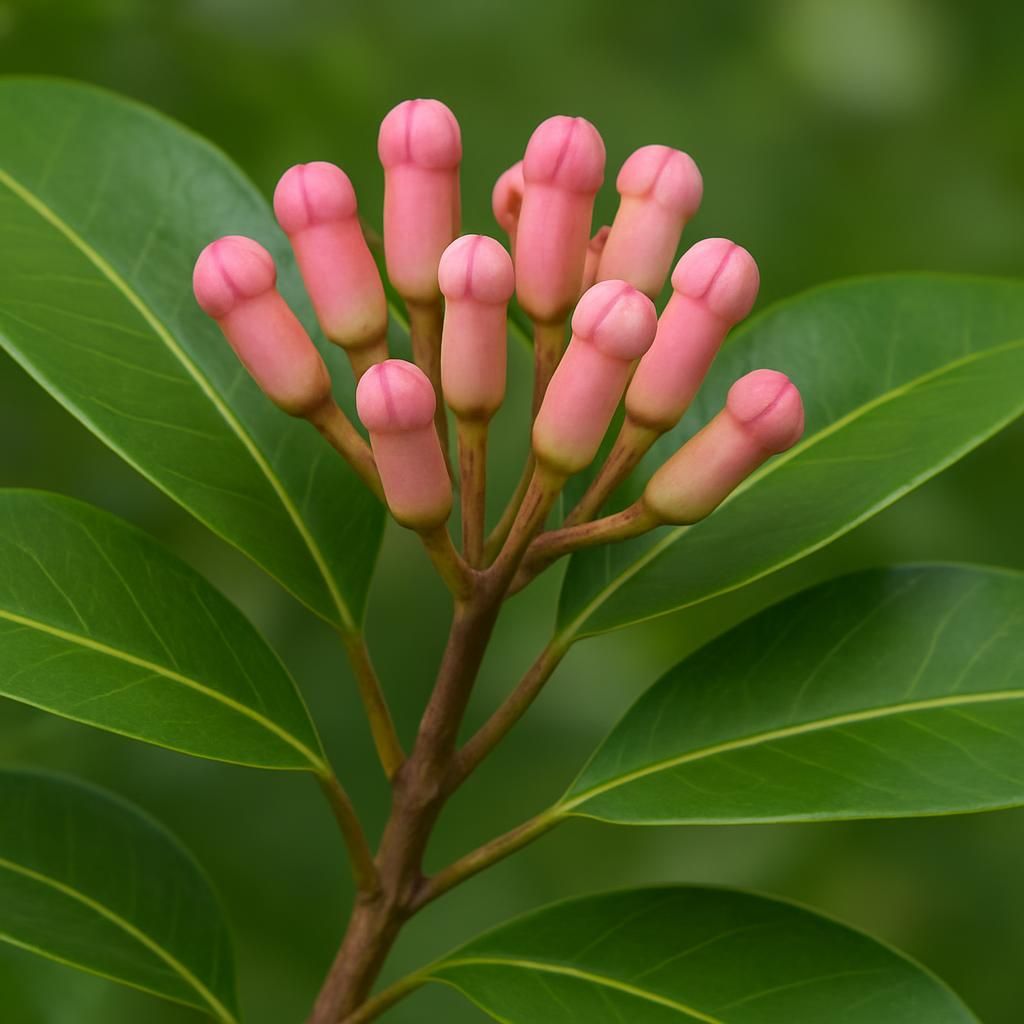
Clove
Clove is a tropical evergreen tree cultivated primarily for its aromatic dried flower buds, which are prized as a spice and for essential oil production. Native to the Maluku Islands, it thrives in humid equatorial climates and requires careful, long-term management to reach commercial yields.
View Guide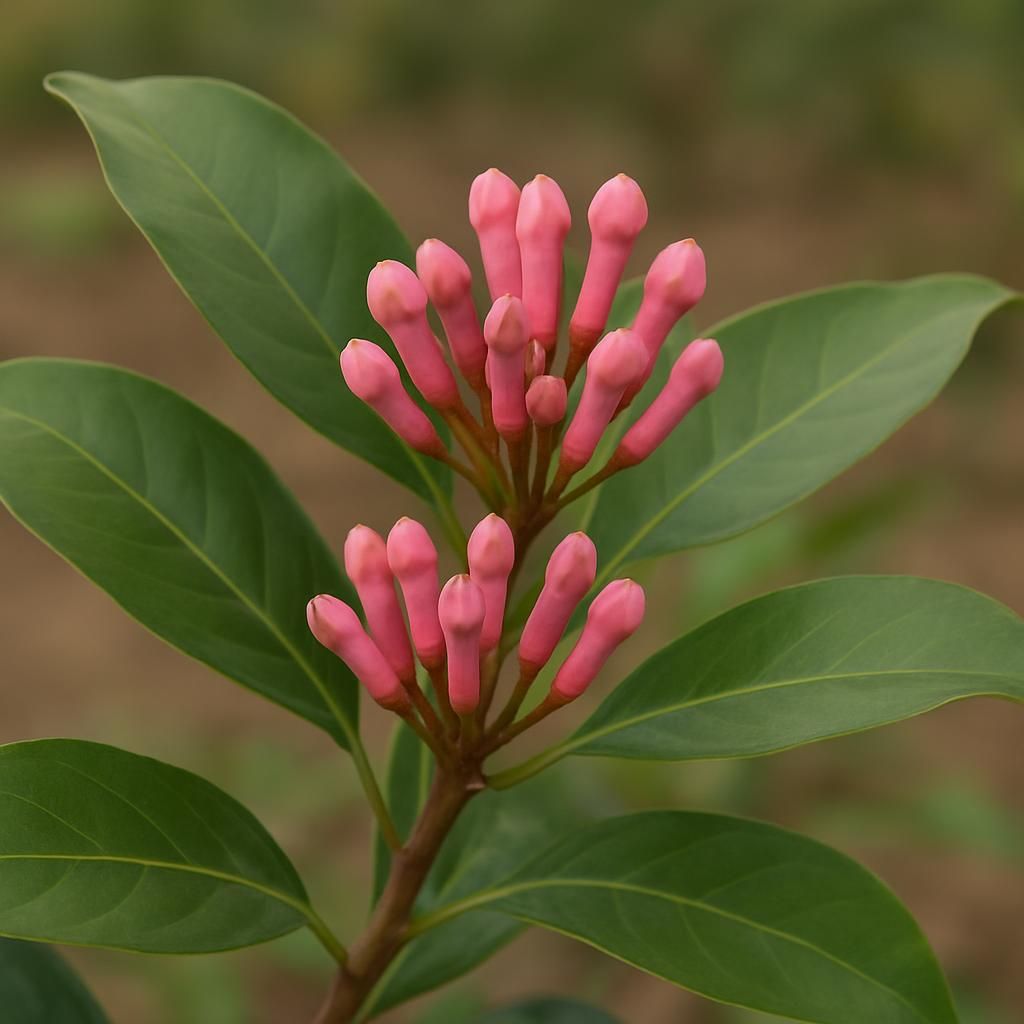
Clove (Syzygium aromaticum)
Clove is a tropical evergreen tree cultivated for its aromatic dried flower buds used worldwide as a spice and in essential oil production. It requires a hot, humid climate and well-drained, fertile soils with consistent moisture. Professional growers focus on shade management, soil health, and integrated pest control to achieve high-quality, export-grade buds.
View Guide