Encyclopedia
Definitive guides for crops, pests, and agricultural diseases.
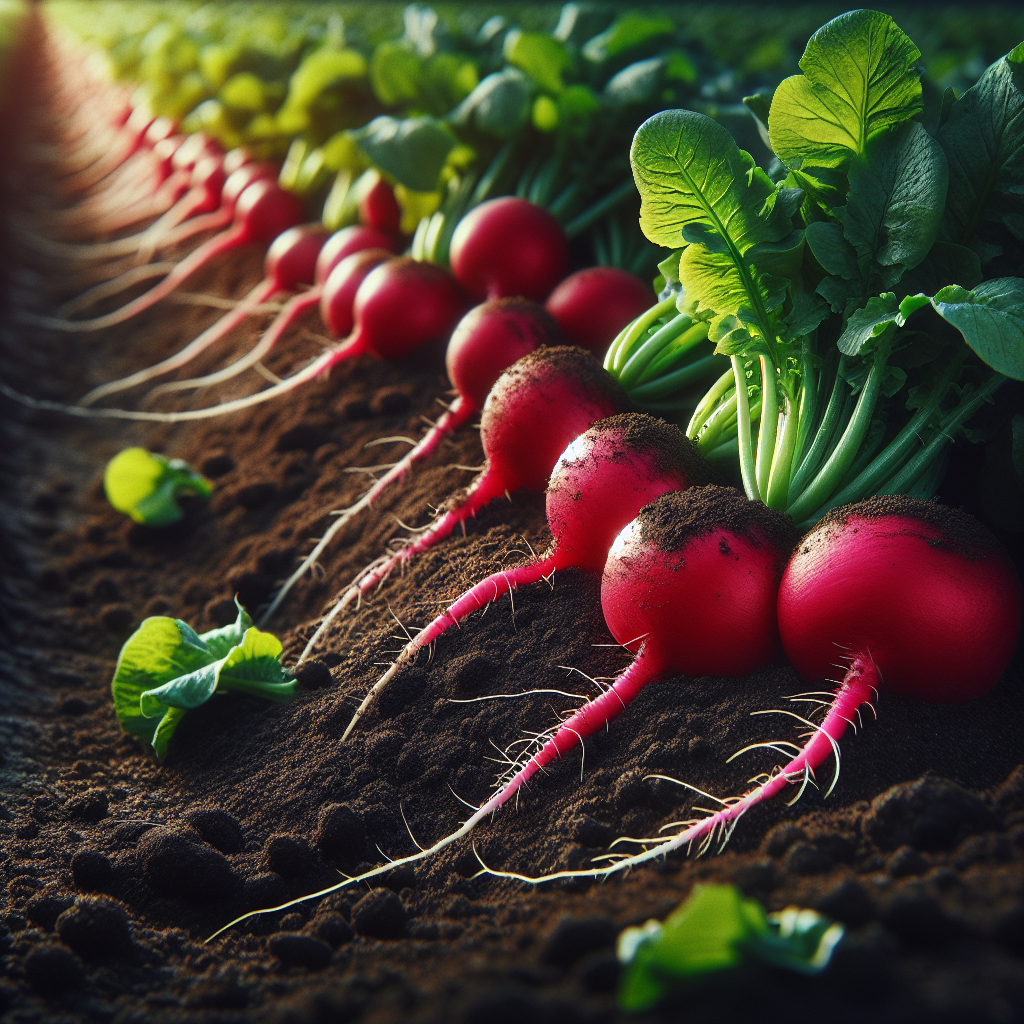
Cherry Belle Radish
Cherry Belle Radish is a classic globe radish prized for its rapid maturity, crisp white flesh, and bright scarlet skin. It is one of the best cool-season root crops for home gardens and market production because it grows quickly, tolerates close spacing, and delivers reliable harvests when moisture and temperature are well managed.
View Guide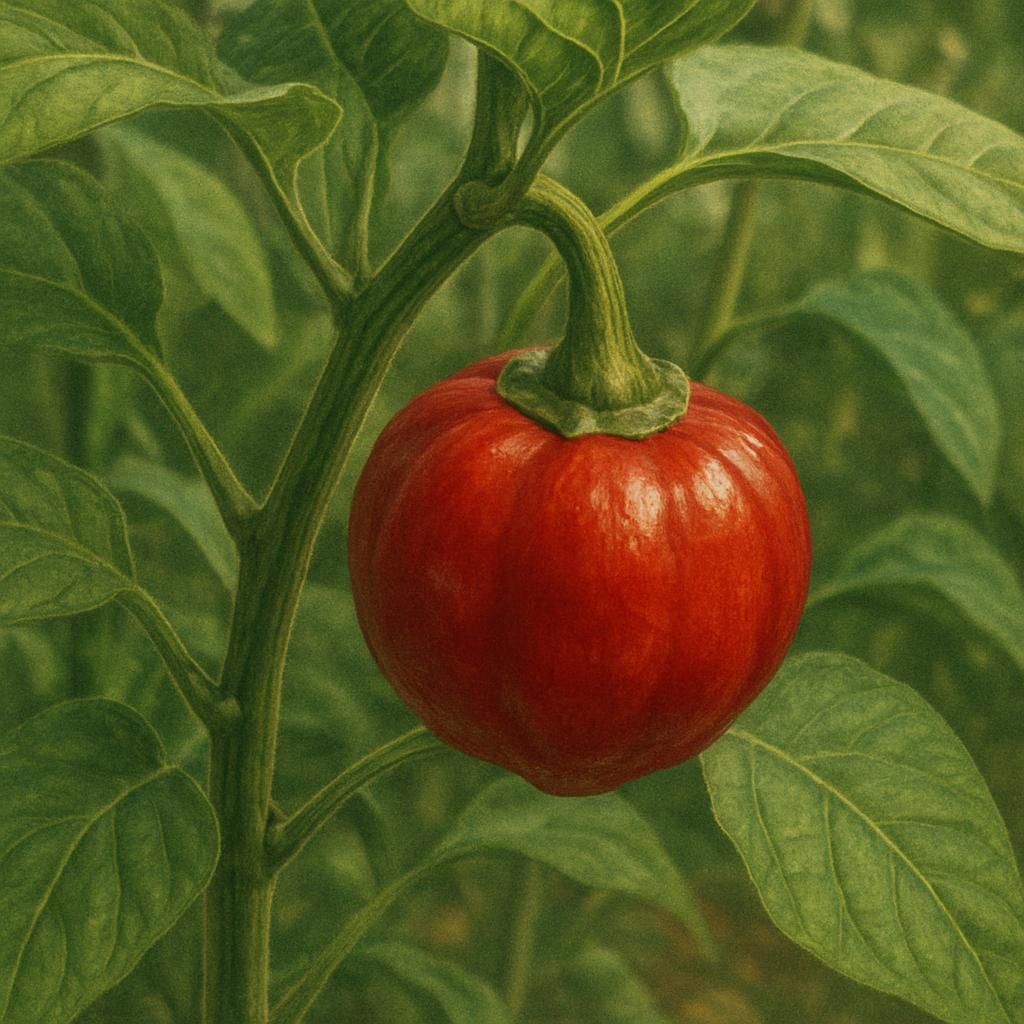
Cherry Bomb Pepper
The Cherry Bomb Pepper is a medium-sized, moderately hot pepper known for its vibrant red color and rounded shape. Ideal for pickling and salads, it thrives in warm climates and rich, well-drained soil to produce abundant, fiery fruits.
View Guide
Cherry of the Rio Grande
Cherry of the Rio Grande is a hardy, subtropical shrub producing clusters of bright red, vitamin C-rich fruits resembling cherries. Thriving in warm climates with minimal care, it offers prolific yields for home gardeners and small farms. This guide provides expert cultivation techniques for optimal growth and harvest.
View Guide
Cherry Tomato
Cherry Tomatoes are compact, prolific producers of small, sweet fruits ideal for home gardens and small farms. This guide provides expert-level details on cultivation, from soil prep to harvest. Achieve bountiful yields with precise care tailored to Cherry Tomato's unique needs.
View Guide
Cherry Tomato (Sungold)
Sungold is a famous hybrid cherry tomato prized for its vivid orange fruit, exceptionally high sugar content, and long, productive harvest window. It is vigorous, indeterminate, and notably reliable in home gardens and market gardens alike, but performs best when given rich soil, consistent moisture, sturdy support, and careful disease prevention.
View Guide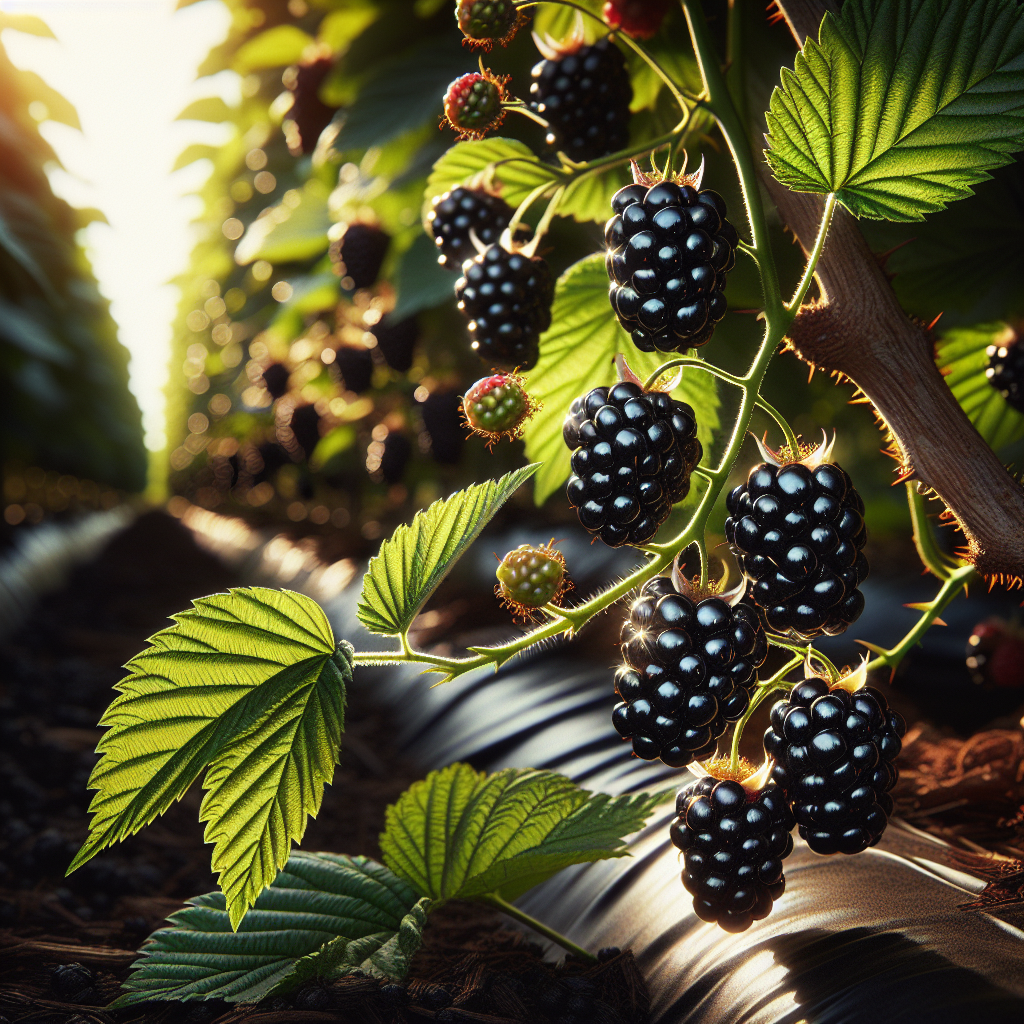
Chester Blackberry
Chester Blackberry is a thornless, semi-erect cultivar renowned for its exceptional productivity, large sweet berries, and adaptability to diverse climates. Released by the University of Arkansas in 1988, it offers two crops per year on primocane-bearing canes, making it ideal for home gardeners and commercial growers seeking high yields with minimal maintenance. This guide provides exhaustive details on cultivation for optimal results.
View Guide
Chestnut
Chestnut is a long-lived temperate nut tree valued for its sweet, starchy nuts, handsome timber, and ecological importance in mixed orchard systems. Successful chestnut production depends on choosing blight-tolerant cultivars, planting in well-drained acidic soil, ensuring cross-pollination, and managing moisture carefully during establishment.
View Guide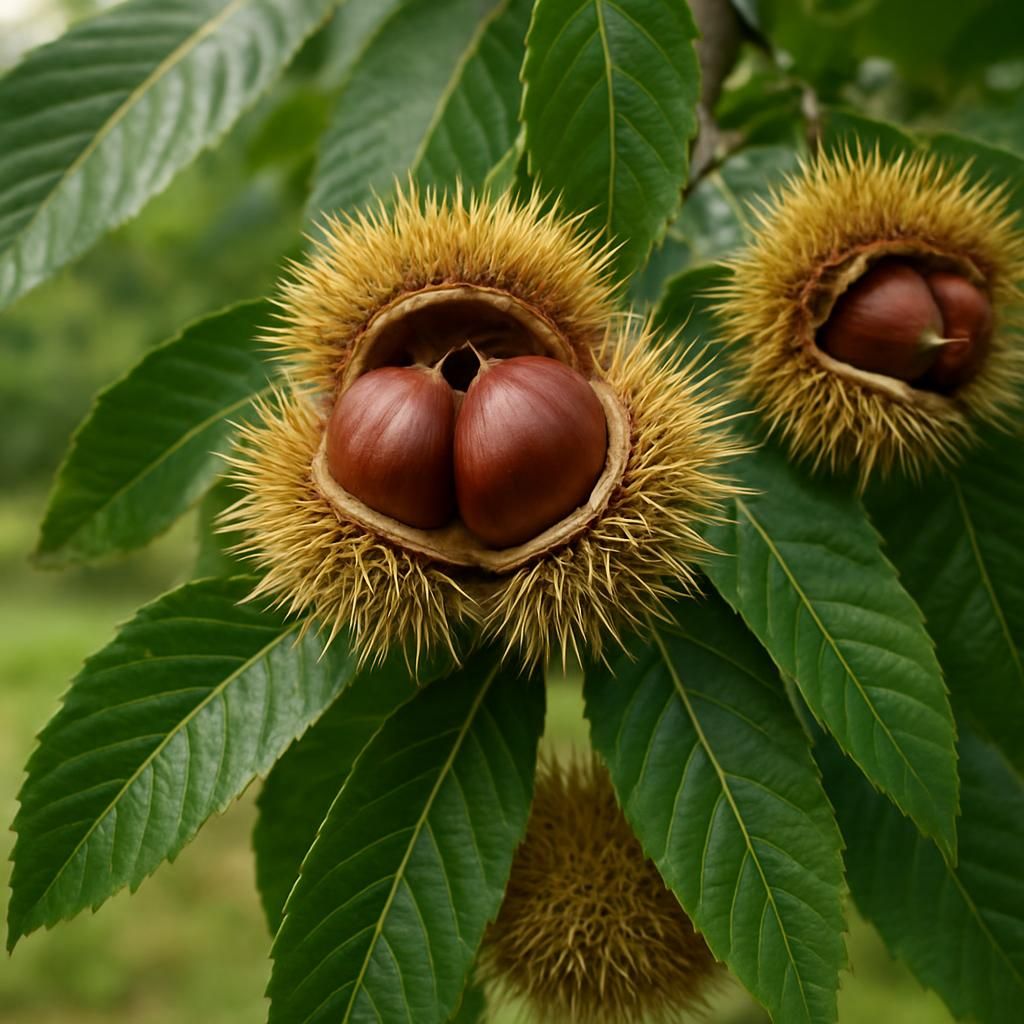
Chestnut (American - Castanea dentata)
The American chestnut was once a dominant canopy tree across eastern North America, producing abundant, sweet nuts until chestnut blight nearly eradicated it in the early 20th century. Today, restoration efforts focus on blight-resistant hybrids while preserving the species' ecological and agricultural value. This guide covers proven methods for successfully growing American chestnut in modern orchards and reforestation projects.
View Guide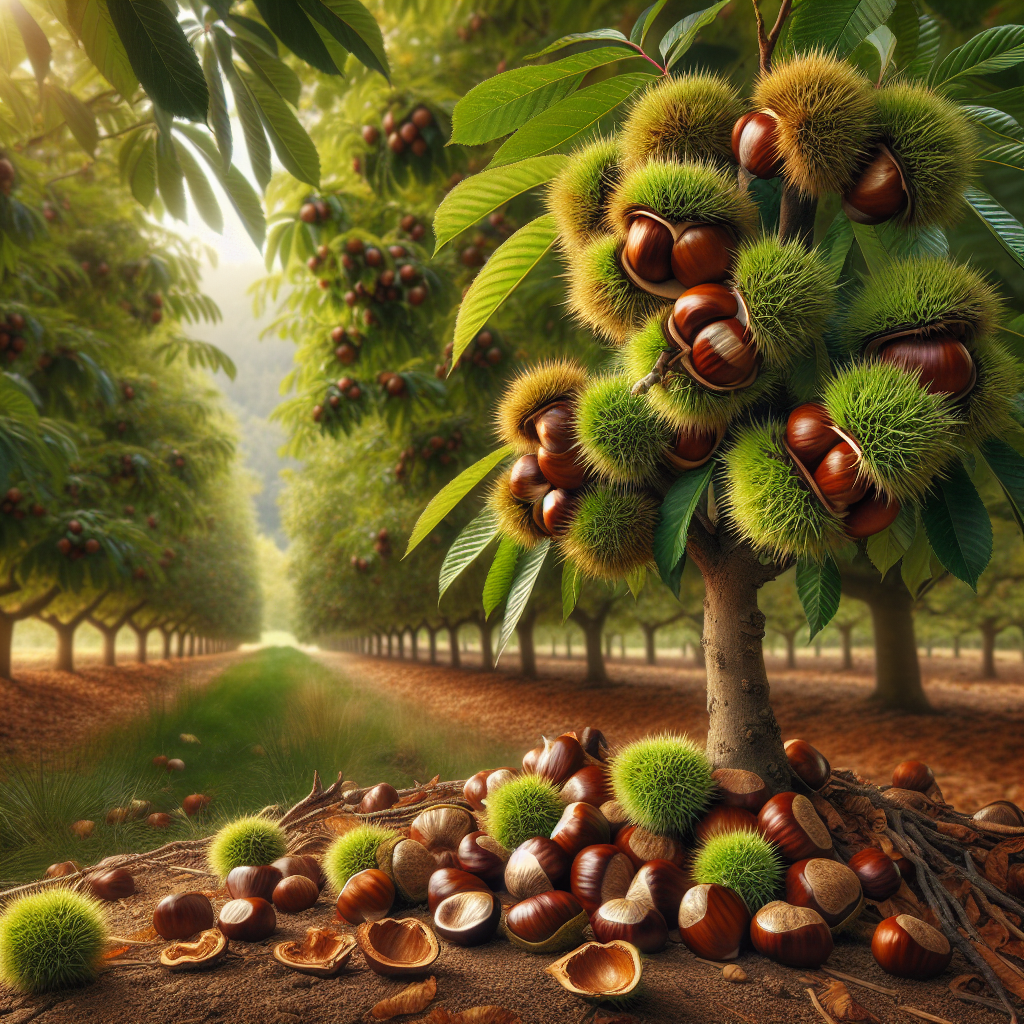
Chestnut (Bouche de Betizac)
Chestnut (Bouche de Betizac) is a widely planted European hybrid chestnut valued for its very large nuts, strong vigor, and useful resistance to chestnut blight. It is an excellent orchard choice for temperate regions with acidic, well-drained soils, but it requires careful site selection, compatible pollinizers, and disciplined moisture management to produce high-quality, marketable nuts consistently.
View Guide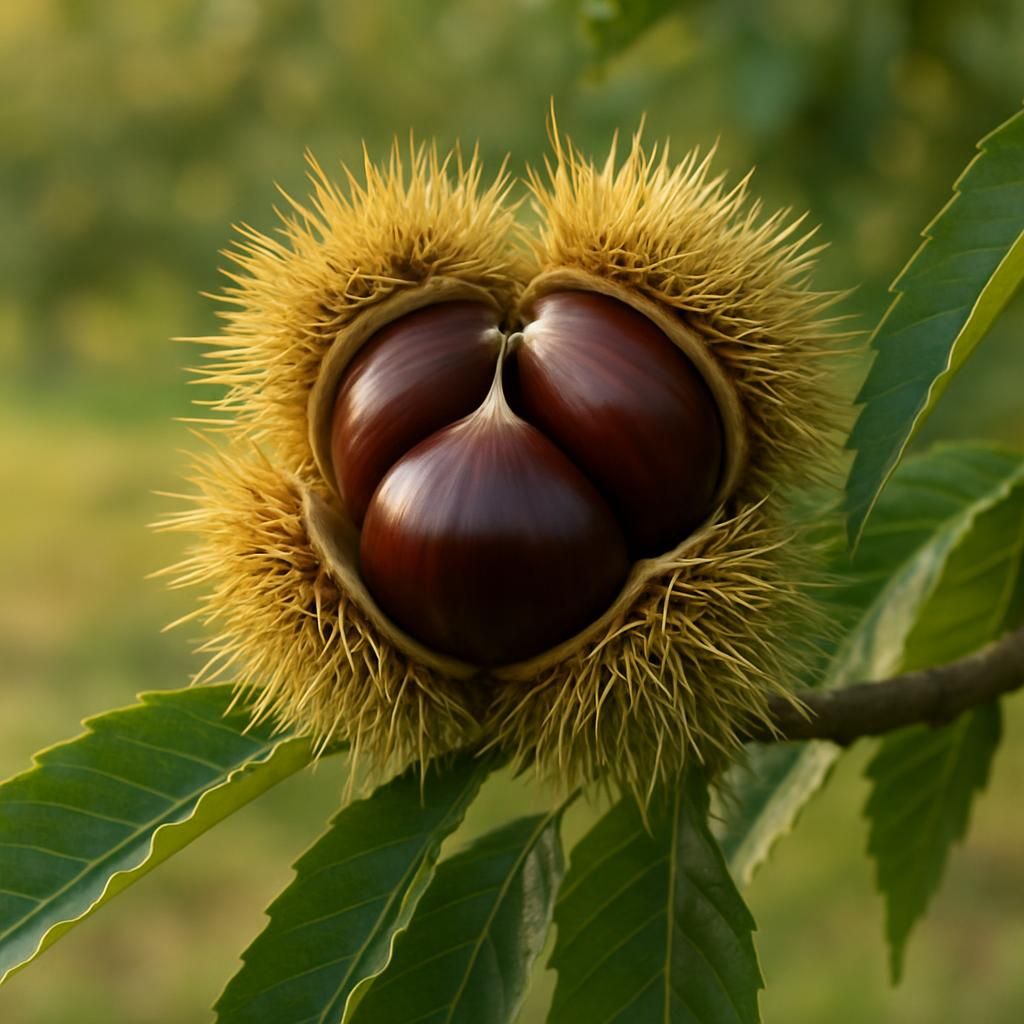
Chestnut (Chinese - Dunstan)
The Chinese-Dunstan chestnut is a blight-resistant hybrid prized for heavy nut production, cold hardiness, and adaptability to a wide range of soils. This guide delivers professional-grade cultivation advice covering soil preparation, planting, maintenance, organic pest control, and post-harvest handling for commercial and home growers alike.
View Guide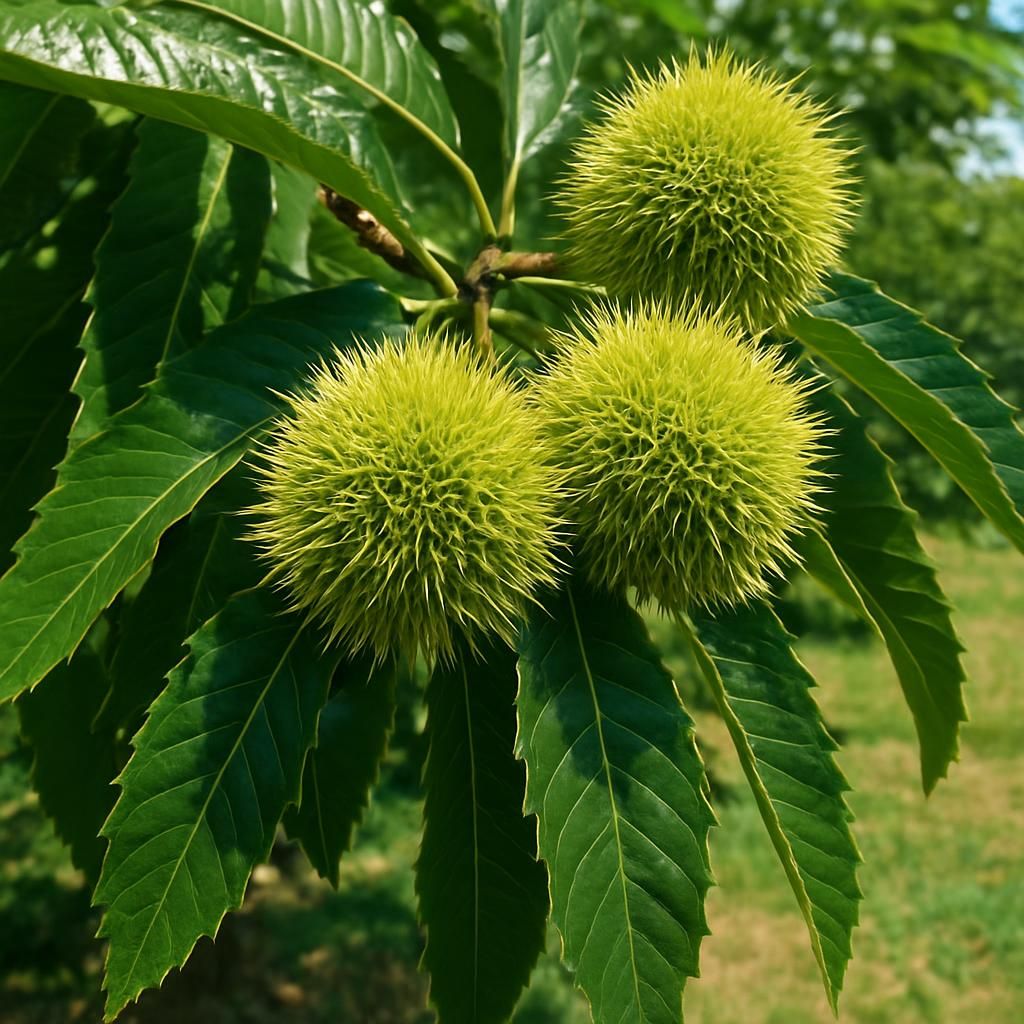
Chestnut (Colossal Hybrid)
The Colossal Hybrid chestnut is a high-yielding, blight-resistant cultivar prized for its large nuts and reliable production. This definitive growing guide covers soil preparation, planting, care schedules, organic pest management, and harvesting techniques for commercial and home growers.
View Guide
Chestnut (Colossal)
Chestnut (Colossal) is a large-fruited hybrid chestnut cultivar prized for its exceptionally big nuts, vigorous growth, and commercial potential in temperate orchard systems. It performs best where summers are warm, winters provide adequate chilling, and soils are deep, well-drained, and slightly acidic, but it requires thoughtful pollination planning and careful disease management for long-term productivity.
View Guide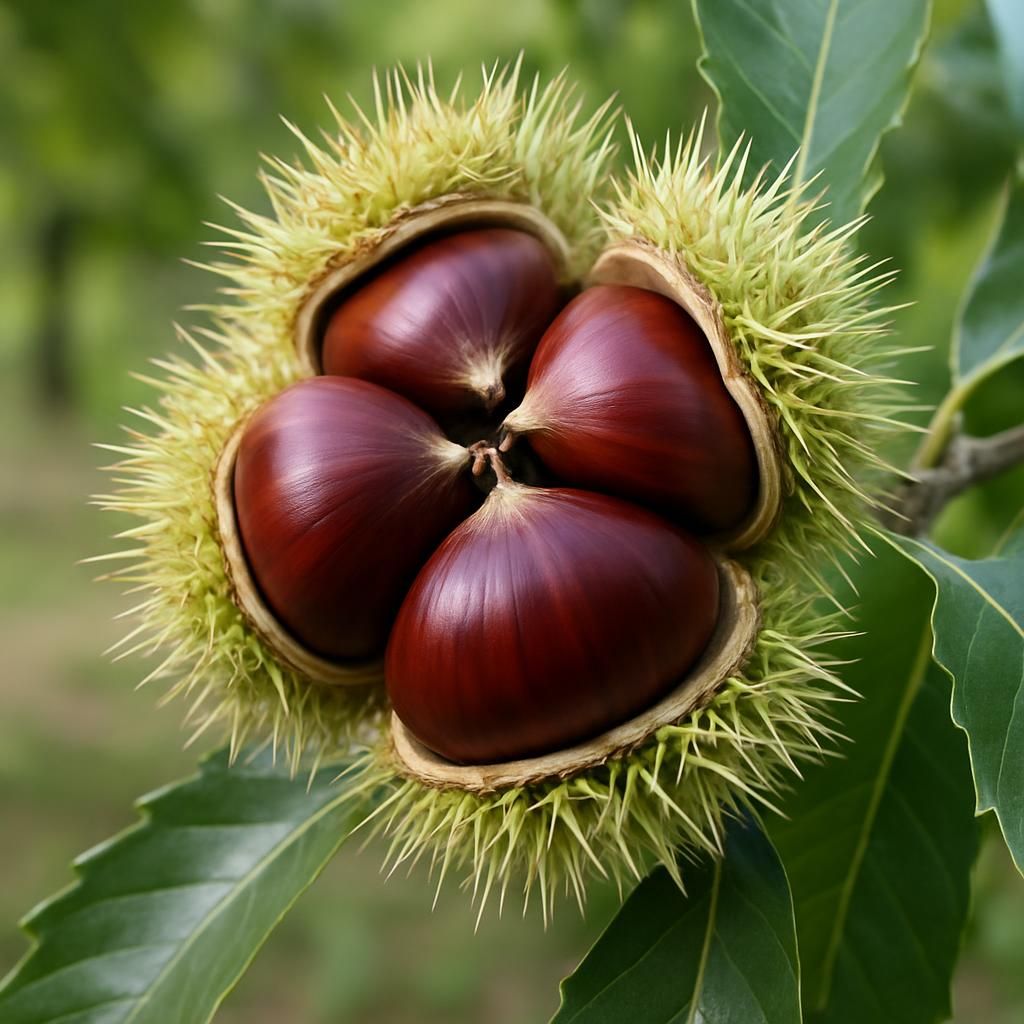
Chestnut (European - Marrone di Marradi)
Marrone di Marradi is a premium Italian European chestnut cultivar renowned for its large, sweet nuts and superior peelability. This guide delivers professional, research-backed advice on growing and managing Castanea sativa orchards for consistent commercial yields.
View Guide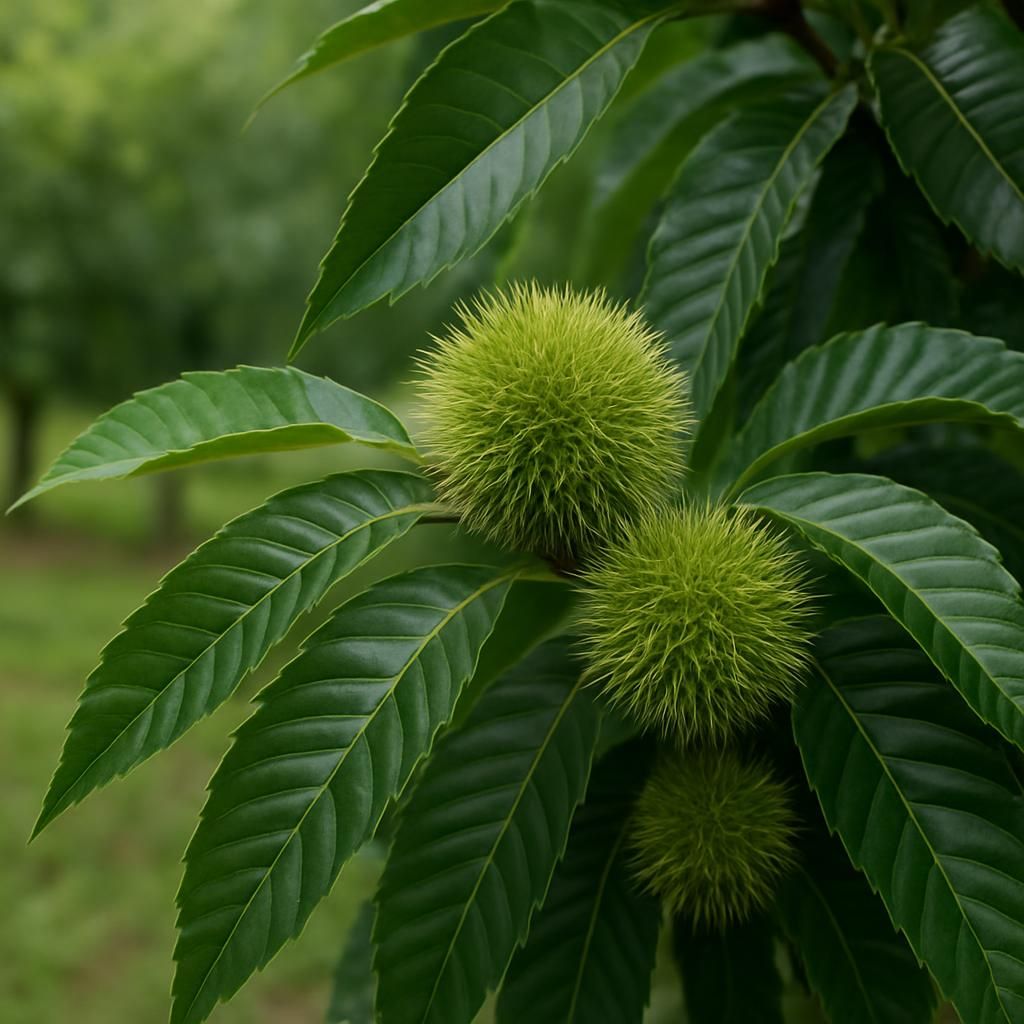
Chestnut (Japanese - Tanzawa)
The Japanese Chestnut cultivar Tanzawa is a compact, early-bearing nut tree prized for its large, sweet kernels and resistance to chestnut blight. It performs well in temperate climates and is favored by small-scale growers for reliable yields and manageable tree size.
View Guide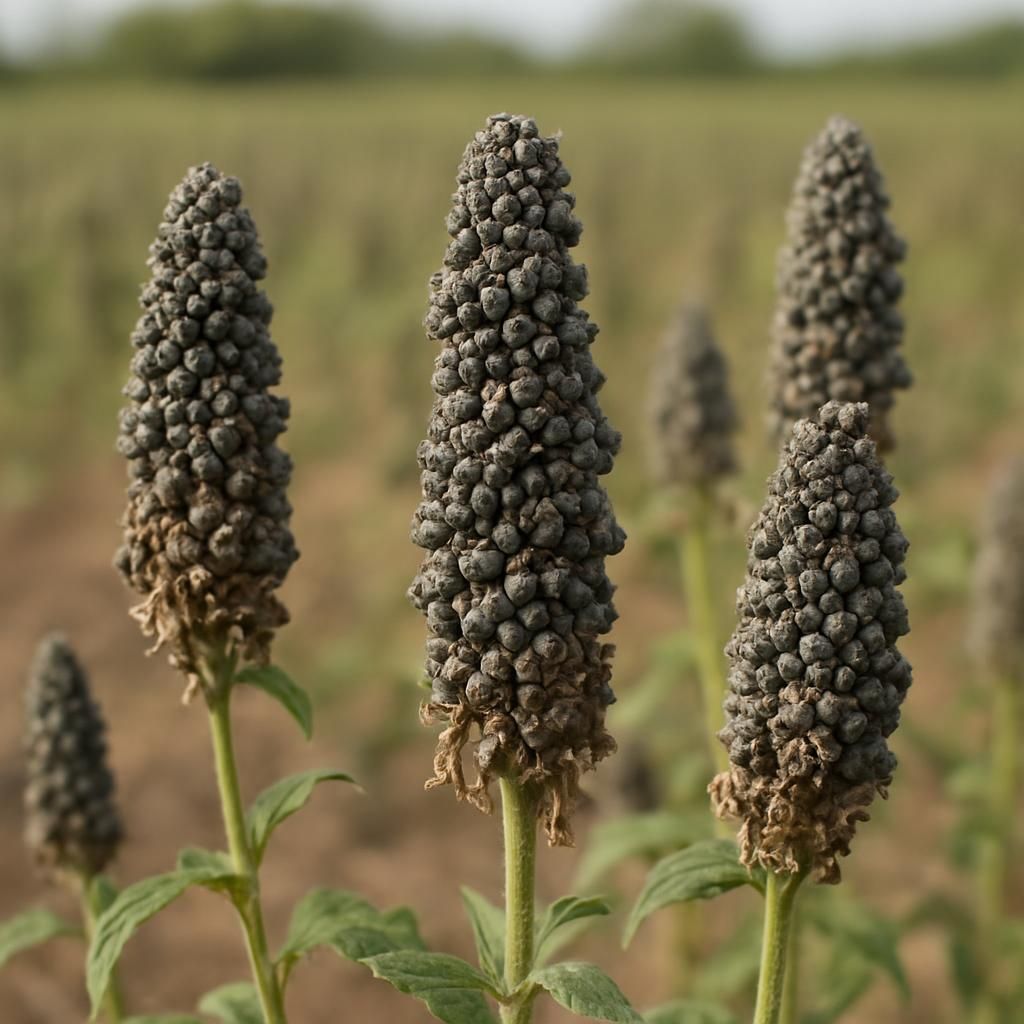
Chia Seed (Salvia hispanica)
Chia (Salvia hispanica) is a fast-growing annual herb in the mint family that produces nutrient-dense seeds prized for omega-3s, fiber, and protein. This comprehensive guide details soil, climate, planting, care, pest management, harvesting, and companion strategies for professional and small-scale growers.
View Guide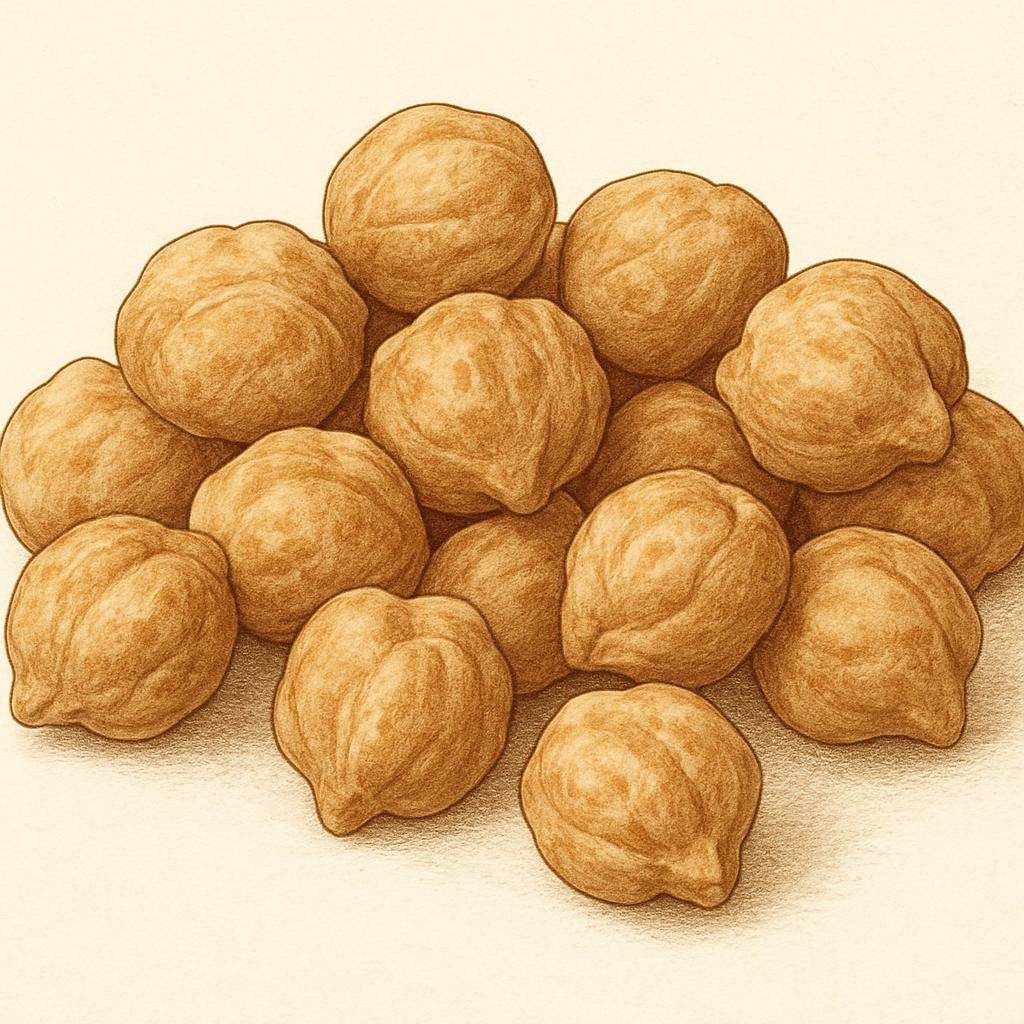
Chickpea (Desi)
Desi Chickpeas, a variety of Cicer arietinum, are robust legumes known for their adaptability to semi-arid climates, essential for improving soil fertility and providing protein-rich food.
View Guide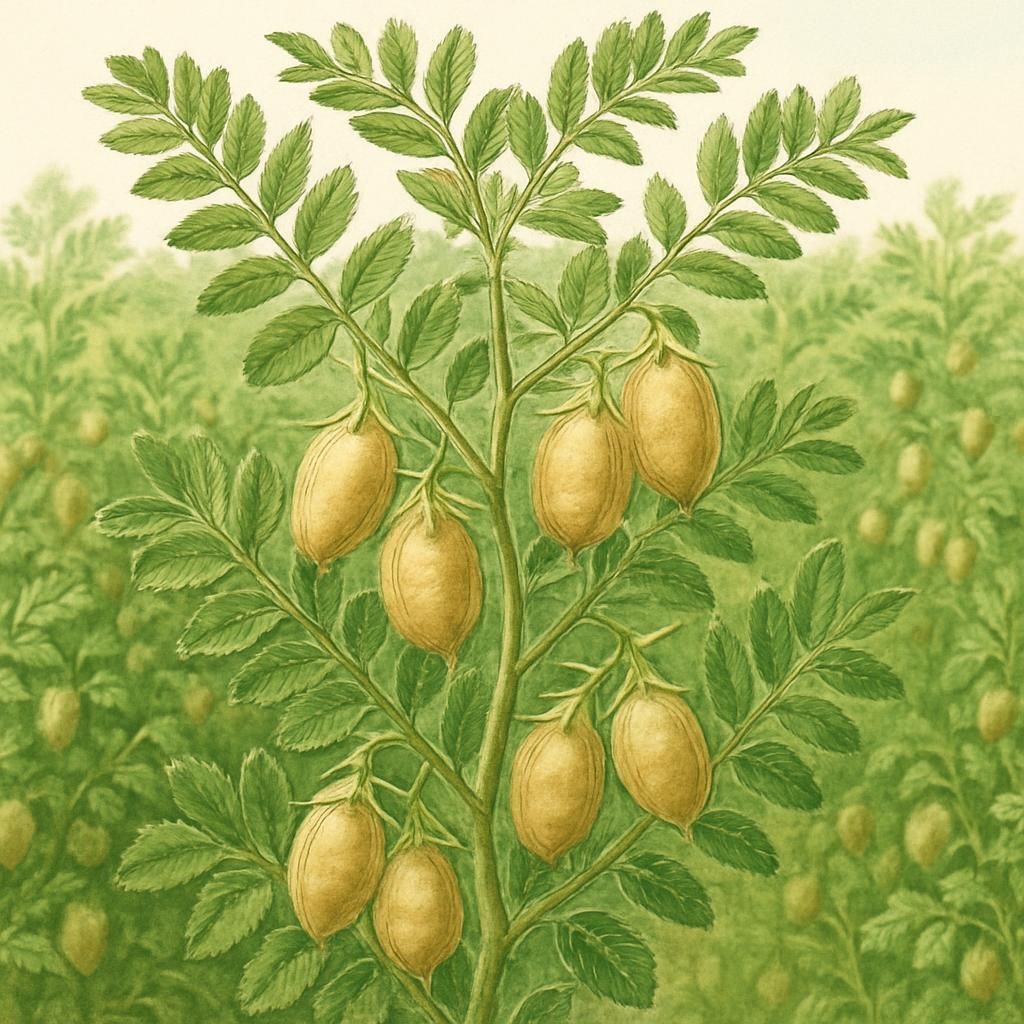
Chickpea (Kabuli)
Kabuli chickpeas are a type of chickpea known for their large size and smooth, creamy texture. They are a cool-season legume crop that thrives in semi-arid climates and is valued for its high nutritional content and versatility in culinary applications.
View Guide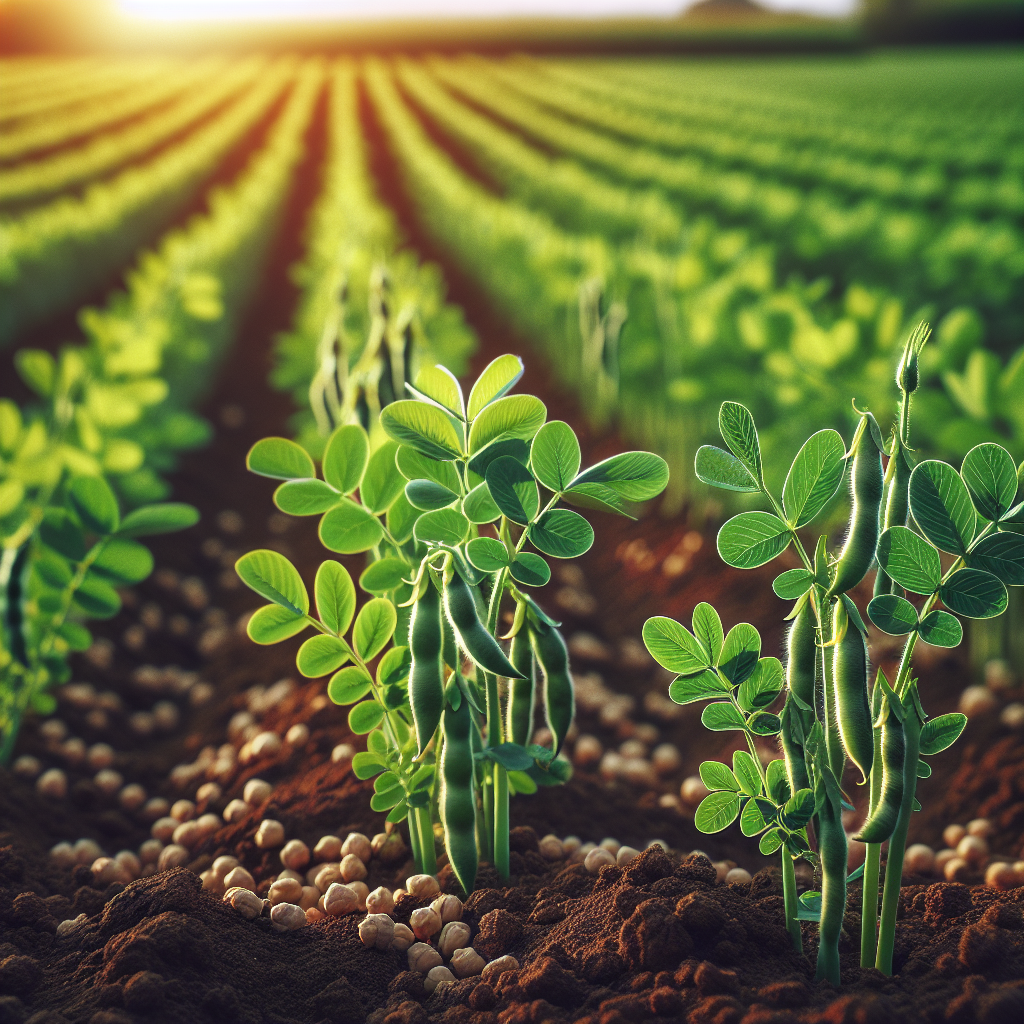
Chickpeas
Chickpeas are a cool-season pulse valued for their protein-rich seeds, drought tolerance, and ability to fix atmospheric nitrogen through symbiosis with Rhizobium bacteria. With the right drainage, moderate fertility, and careful disease prevention, chickpeas can be highly productive in both small farms and market gardens.
View Guide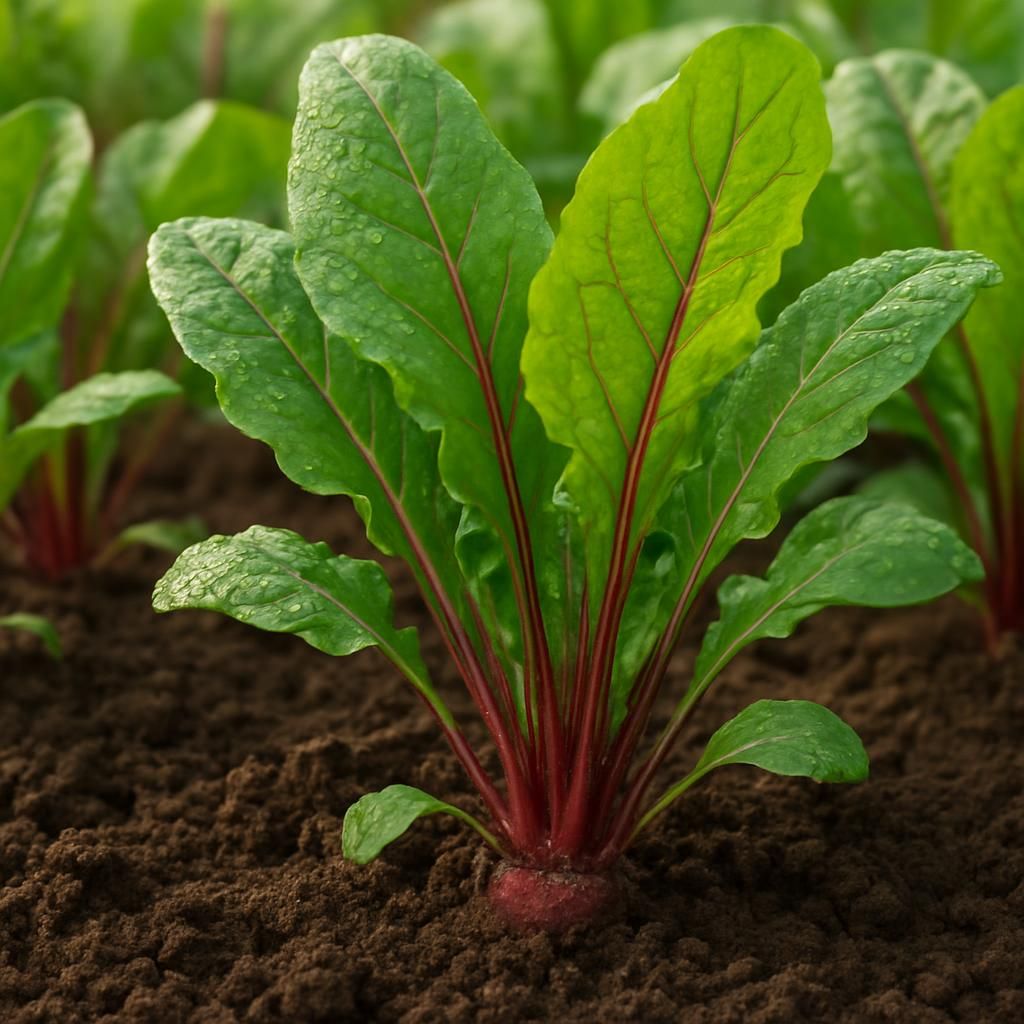
chicory
Chicory is a versatile cool-season crop valued for its bitter leaves used in salads and as a coffee substitute from its roasted roots. It thrives in temperate climates and offers multiple varieties for both leafy greens and root production.
View Guide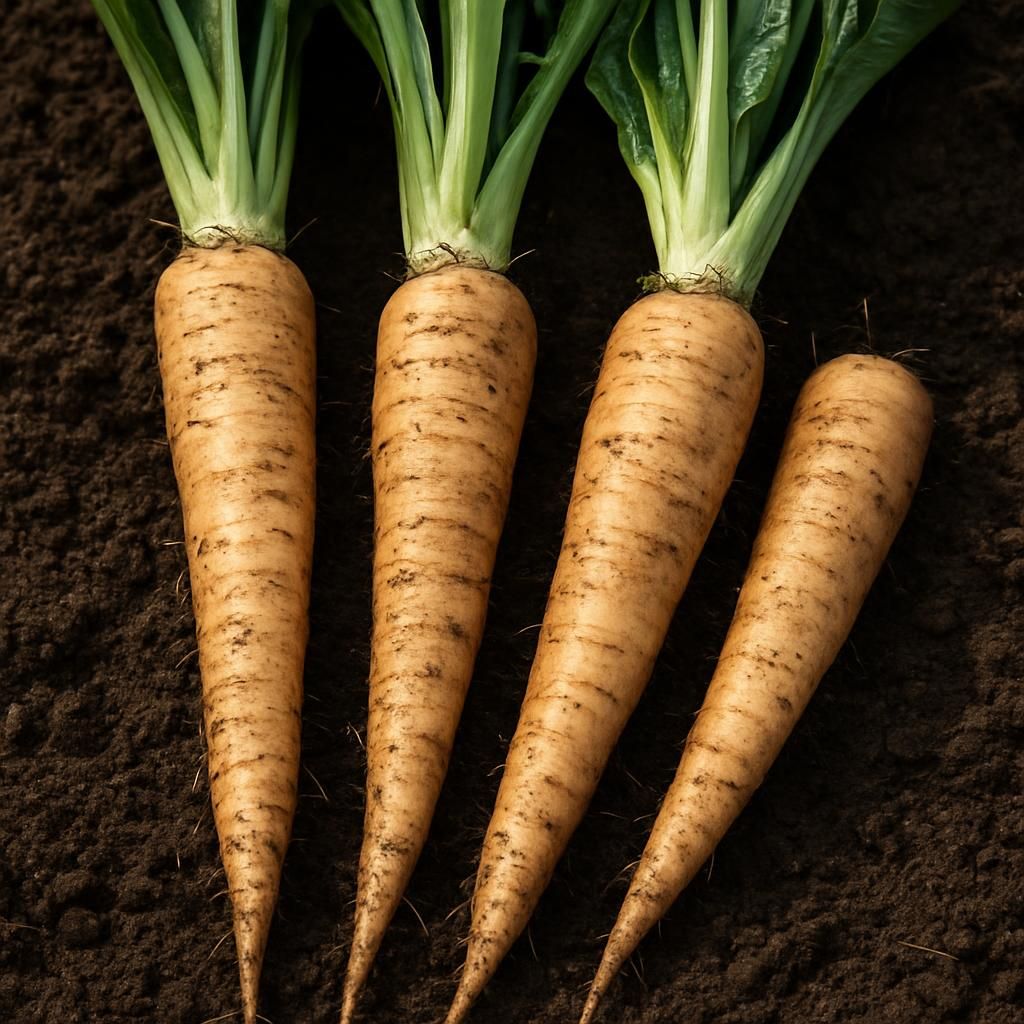
Chicory Root (Magdeburg)
Magdeburg chicory is a cold-hardy biennial grown primarily for its thick, fleshy taproots used in coffee substitutes, inulin extraction, and traditional European cuisine. This comprehensive guide covers every stage from soil preparation to post-harvest storage for reliable commercial and home-garden yields.
View Guide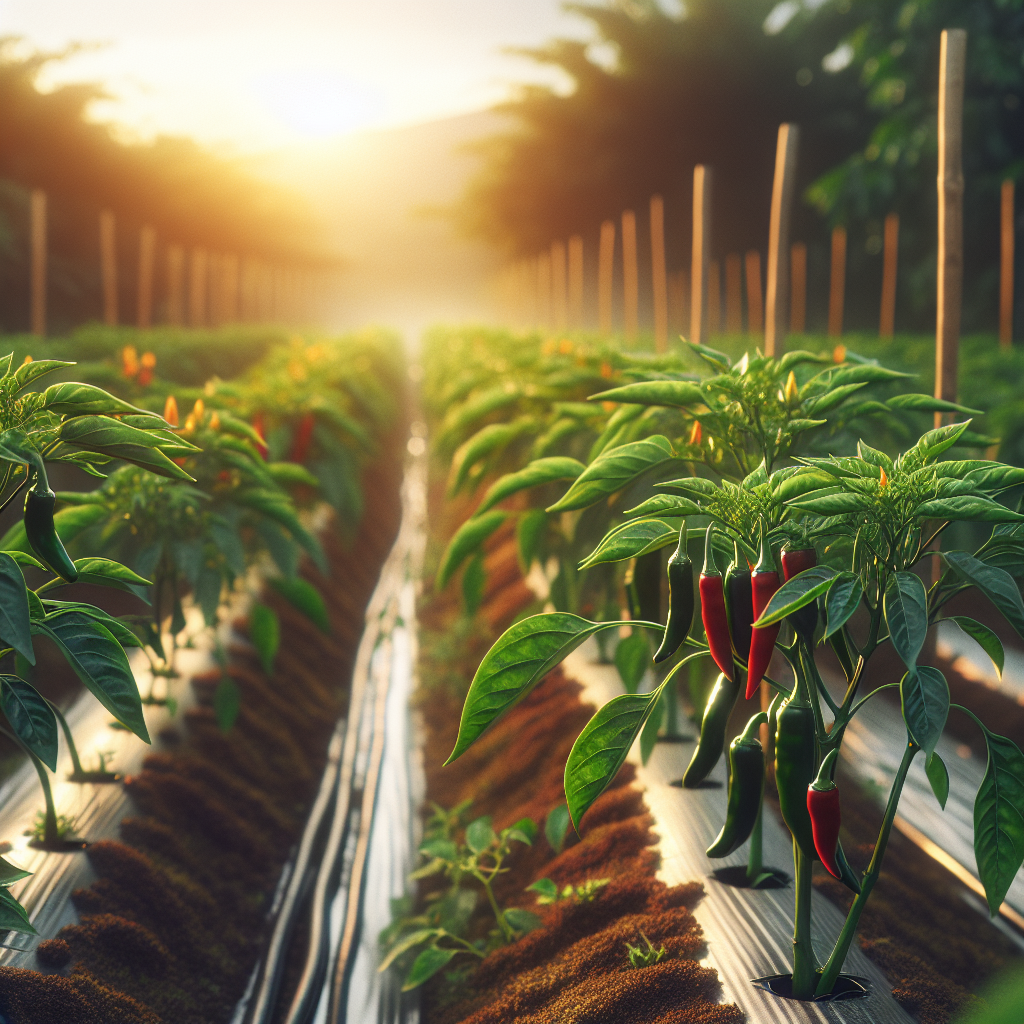
Chili Pepper
Chili pepper is one of the world’s most diverse and economically important spice and vegetable crops, valued for its heat, flavor, color, and nutritional content. Successful production depends on warm temperatures, free-draining fertile soil, balanced nutrition, careful moisture management, and strong prevention against pests and diseases that commonly affect Solanaceae crops.
View Guide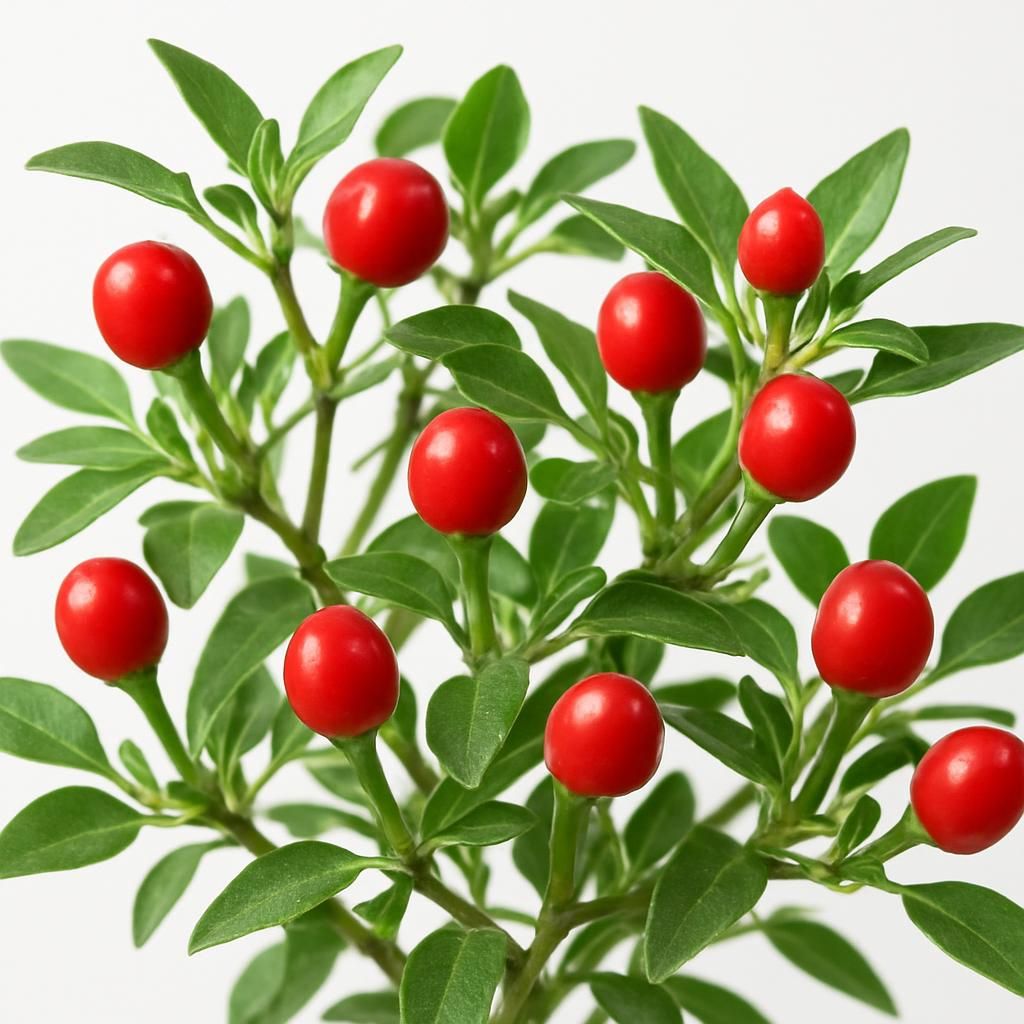
Chiltepin (Wild Chili)
Chiltepin is a perennial wild chili native to the Sonoran Desert and northern Mexico, prized for its intense heat and ecological resilience. This guide delivers professional-grade advice on soil, climate, propagation, organic pest management, harvesting, and companion planting for successful cultivation.
View Guide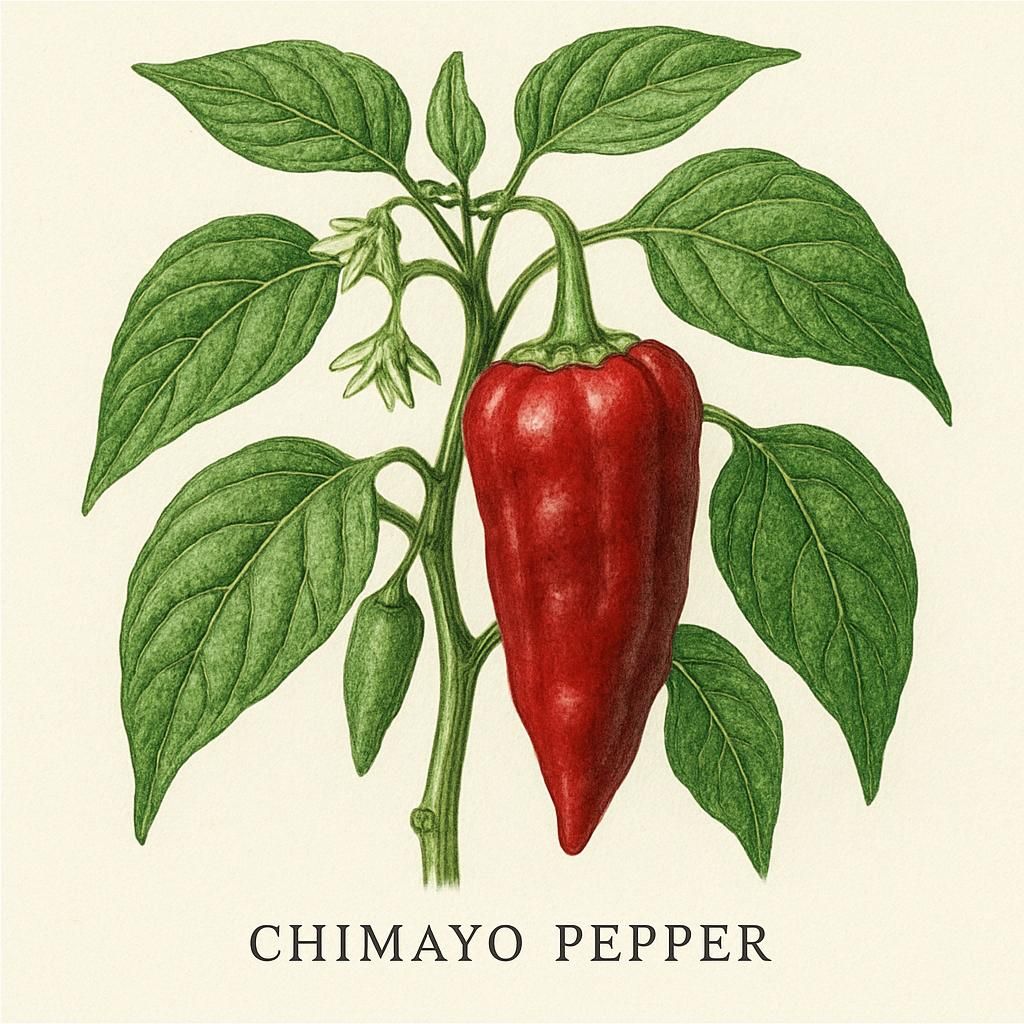
Chimayo Pepper
The Chimayo Pepper is a revered heirloom chili known for its complex flavor and moderate heat. Native to New Mexico, it is prized for its distinctive red pods often used in authentic dishes and traditional red chili powder.
View Guide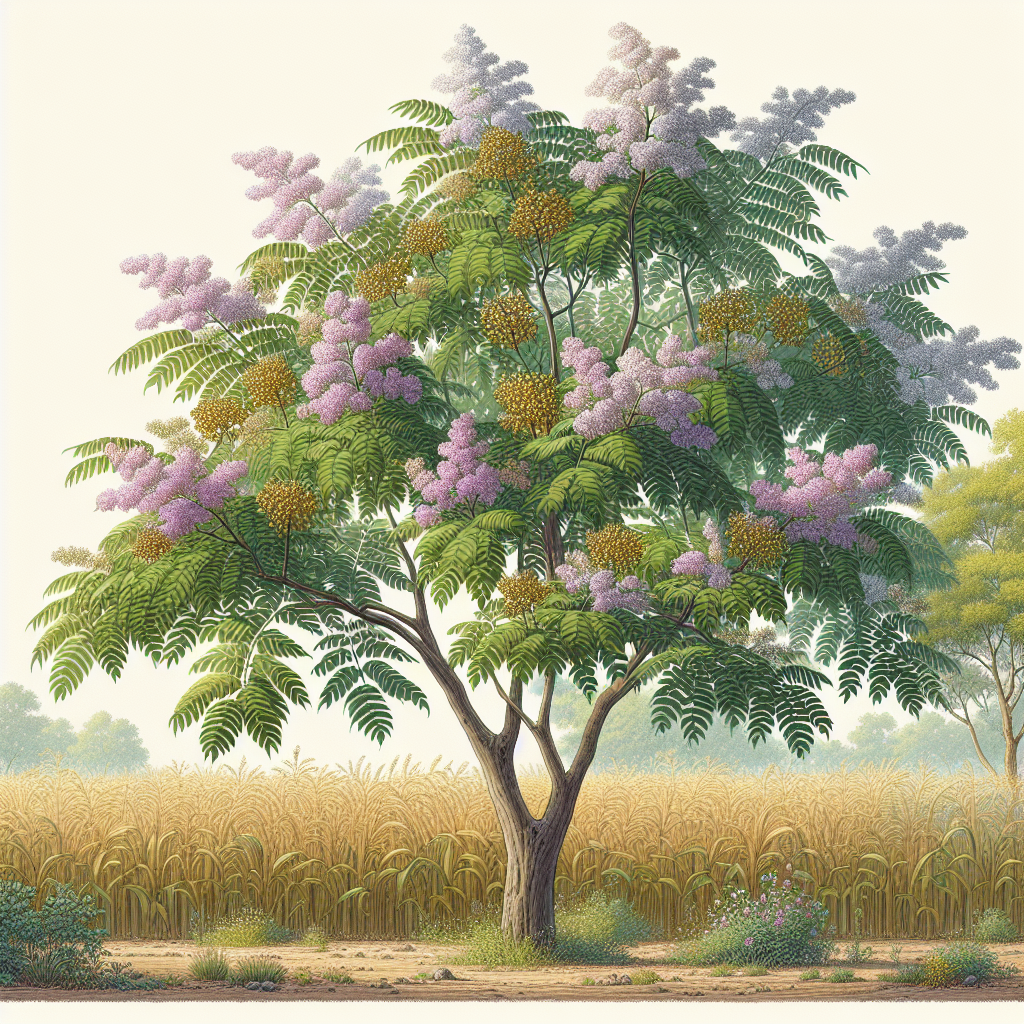
chinaberry
Chinaberry (Melia azedarach) is an invasive deciduous tree native to Asia, notorious for outcompeting native vegetation in agricultural fields, orchards, and natural areas across warm climates. This guide provides definitive diagnostic symptoms, lifecycle details, organic management strategies, and prevention tactics to protect crops from its aggressive spread. Farmers can effectively control chinaberry through integrated cultural, mechanical, and biological methods without synthetic herbicides.
View Guide