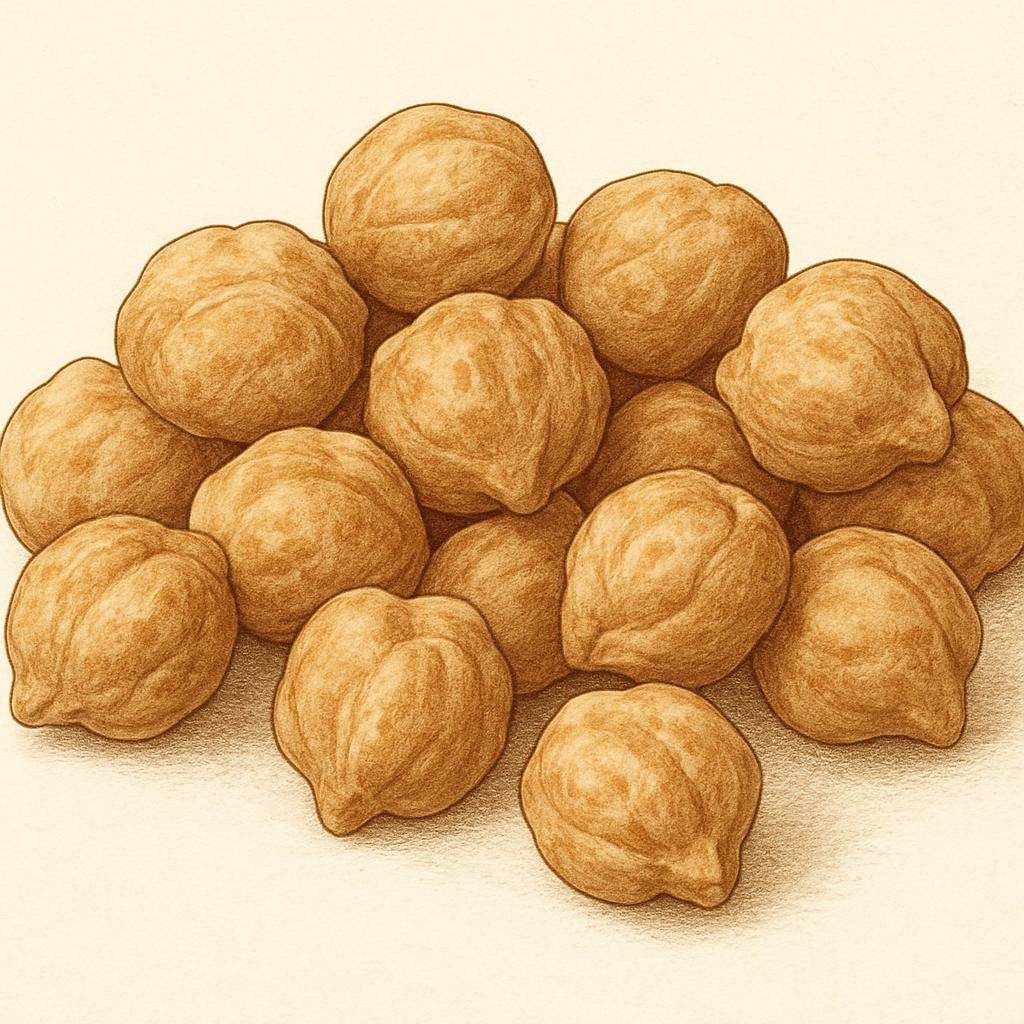
Introduction to Chickpea (Desi)
Chickpeas, scientifically known as Cicer arietinum, are one of the world's oldest and most widely consumed legumes, deeply rooted in culinary traditions across many cultures. The Desi variety, characterized by its small, dark seeds with a rough surface, is particularly well-suited to growing in less developed agricultural regions due to its drought resilience and nitrogen-fixing abilities.
Botanical Profile of Chickpea (Desi)
The Desi chickpea variety belongs to the family Fabaceae and is from the legume family. Unlike its light-colored counterpart, the Kabuli, the Desi chickpea has smaller, angular seeds with a thicker seed coat. Growth habits include:
- Type: Annual
- Height: 30-60 cm
- Leaf Type: Pinnate leaves
- Root System: Deep taproots
Soil, pH, and Climate Requirements for Chickpea (Desi)
Desi chickpeas thrive in diverse conditions but have specific requirements for optimal yield.
| Condition | Ideal Range |
|---|---|
| Soil Type | Loamy, sandy |
| Soil pH | 6.0-9.0 |
| Temperature | 21°C to 26°C |
| Rainfall | 400-600 mm |
| Sun Exposure | Full sun |
Step-by-Step Planting & Propagation
- Site Selection: Choose a site with well-drained soil and full sun exposure.
- Soil Preparation: Till the soil to a depth of 15-20 cm and incorporate organic matter to improve soil fertility.
- Seed Selection: Use certified Desi chickpea seeds for disease resistance and optimal yield.
- Sowing: Seed chickpeas at a depth of 3-5 cm, with a spacing of 30 cm between rows and 10 cm between plants.
- Watering: Ensure consistent moisture during germination but avoid waterlogging.
- Planting Season: Ideally plant after the last frost in spring.
Care & Maintenance Regimes for Chickpea (Desi)
Desi chickpeas are relatively low-maintenance but require careful attention to a few key areas:
| Aspect | Schedule/Guidelines |
|---|---|
| Watering | Moderate during growth, low at maturity |
| Fertilizer | Apply phosphorus at sowing |
| Pruning | Not necessary unless managing growth |
Pests, Diseases & Organic Management
Chickpeas, like many legumes, face pests and diseases that can impact yields. Common threats include:
- Pod Borers: Use neem oil spray for organic control.
- Fusarium Wilt: Crop rotation with non-legumes aids in preventing this disease.
- Ascochyta Blight: Manage with fungicide application and by avoiding overhead irrigation.
For more comprehensive organic strategies, visit our blog on Crop Diseases Under the Microscope: 9 Organic Fixes for Small Farm Resilience.
Harvesting, Curing & Optimal Storage
- Harvesting: Begin when pods are dry and brown, typically 3-4 months after planting.
- Curing: Post-harvest, chickpeas should be dried in the sun for a few days to reduce moisture content.
- Storage: Store in a cool, dry place in airtight containers to preserve quality and prevent weevils.
Companion Planting for Chickpea (Desi)
Desi chickpeas perform well when interplanted with:
- Coriander: Serves as a pest repellent.
- Mustard: Acts as a trap crop for nematodes.
- For strategic planting advice, explore our post on Summer Companion Planting: 10 Organic Pairings to Boost Small Farm Resilience.
Overall, with their robust adaptability and soil-enriching properties, Desi chickpeas are an excellent choice for sustainable farming ventures, improving both yields and soil health.