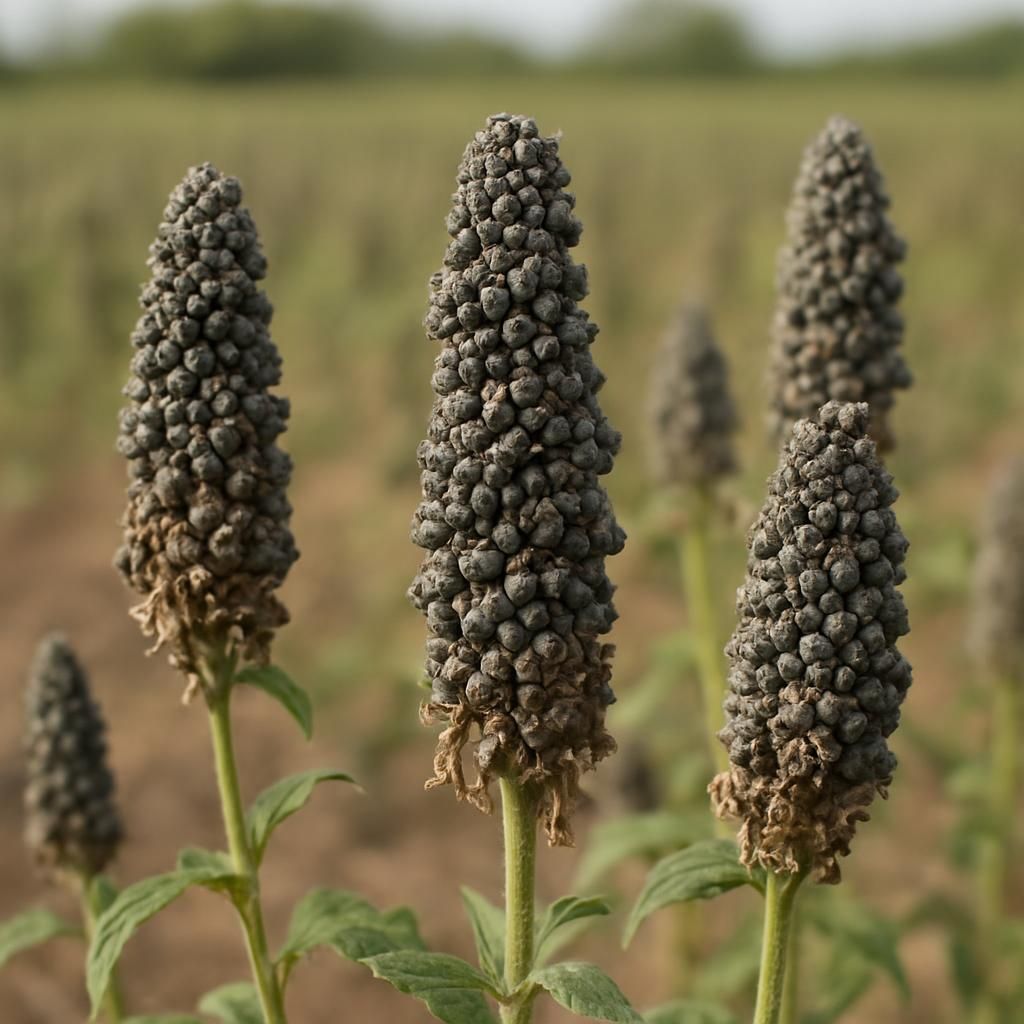
Introduction to Chia Seed (Salvia hispanica)
Chia (Salvia hispanica) is an annual herbaceous plant native to central Mexico and Guatemala that has become a globally important superfood crop. The tiny oval seeds are rich in alpha-linolenic acid, soluble fiber, and complete protein, making them valuable for both human nutrition and industrial applications. Commercial production has expanded rapidly in South America, Australia, and parts of the United States and Europe because the crop tolerates poor soils and requires relatively low inputs once established.
Modern growers value chia for its short 90–120 day cycle, drought tolerance, and ability to fit into double-cropping systems. The plant produces attractive blue or purple flowers that attract pollinators, while the seeds are harvested mechanically or by hand. Because chia is frost-sensitive, timing and site selection are critical for success.
Botanical Profile of Chia Seed (Salvia hispanica)
Chia belongs to the Lamiaceae family and grows 60–180 cm tall with square stems and opposite, serrated leaves. The inflorescence consists of terminal spikes bearing small, tubular flowers that range from white to deep violet. Each flower produces a schizocarp that splits into four nutlets—the familiar chia seeds. Seeds measure 1–2 mm and occur in white, brown, gray, and black color variants, with black and white being most common in commerce.
The plant exhibits an indeterminate growth habit, continuing to flower and set seed until moisture or temperature limits growth. Roots are fibrous and relatively shallow, making the crop susceptible to waterlogging but efficient at extracting surface nutrients. Chia is predominantly self-pollinating, although bees and other insects can increase seed set in some environments.
Soil, pH, and Climate Requirements for Chia Seed (Salvia hispanica)
Chia performs best on well-drained sandy loam to loam soils with good structure. Heavy clay soils should be amended with organic matter or grown on raised beds to prevent waterlogging. The crop tolerates a wide pH range but yields highest between 6.0 and 8.0.
| Parameter | Ideal Range | Notes |
|---|---|---|
| Soil Texture | Sandy loam to loam | Avoid compacted or waterlogged clays |
| Soil pH | 6.0–8.0 | Slightly acidic to mildly alkaline |
| Temperature (Day) | 20–30 °C | Optimal vegetative growth |
| Temperature (Night) | 10–18 °C | Below 5 °C causes chilling injury |
| Frost Tolerance | None | Killed by temperatures below 0 °C |
| Annual Rainfall | 300–600 mm | Supplemental irrigation needed in dry zones |
| Altitude | 0–2,200 m | Performs well from sea level to highlands |
Chia requires a frost-free period of at least 120 days. High humidity during flowering can promote fungal issues, while excessive wind at maturity increases shattering losses.
Step-by-Step Planting & Propagation
Site Selection & Preparation: Choose a sunny, well-drained field. Incorporate 5–10 t/ha well-rotted compost or aged manure two weeks before planting. Perform a soil test and correct deficiencies, especially phosphorus and potassium.
Seedbed Preparation: Create a fine, firm seedbed. Raised beds 20–30 cm high are recommended in regions with heavy rainfall or poor drainage.
Sowing Time: Plant after the last frost when soil temperature reaches a minimum of 15 °C. In subtropical regions, sow from late spring to early summer.
Seeding Rate & Depth: Broadcast or drill seed at 4–6 kg/ha at a depth of 0.5–1 cm. Row spacing of 30–45 cm allows mechanical cultivation and good airflow.
Germination & Thinning: Seeds germinate in 3–7 days. Thin seedlings to 10–15 cm within rows once they reach 5–7 cm height.
Transplant Option: In short-season areas, start seedlings indoors 4–6 weeks before the last frost and transplant at the two-true-leaf stage.
Care & Maintenance regimes for Chia Seed (Salvia hispanica)
Chia is relatively low-maintenance once established, but timely irrigation and balanced nutrition maximize seed yield and oil content.
| Growth Stage | Water Schedule | Fertilizer Application | Pruning / Other Care |
|---|---|---|---|
| Establishment (0–3 weeks) | Light irrigation every 2–3 days to keep top 5 cm moist | 20–30 kg N/ha at planting; 40 kg P₂O₅/ha basal | Weed control critical; no pruning |
| Vegetative (3–7 weeks) | 25–35 mm/week; allow top 2 cm to dry between irrigations | Side-dress 15–20 kg N/ha at 4 weeks | Cultivate between rows; mulch optional |
| Flowering (7–10 weeks) | Reduce to 20 mm/week; avoid water stress | Optional foliar K (1–2%) at early bloom | Monitor for lodging; stake if needed |
| Seed Fill & Maturity | Withhold irrigation 10–14 days before harvest | No additional fertilizer after flowering | Stop cultivation; prepare for harvest |
Mulching with straw or plastic reduces weed pressure and conserves moisture. Avoid over-fertilization, which promotes excessive vegetative growth and lodging.
Pests, Diseases & Organic Management
Chia is generally resistant to many common field pests, but several insects and pathogens can reduce yield if left unmanaged.
Major Pests
- Aphids can colonize tender shoots; control with insecticidal soap or neem oil.
- Spider mites appear under hot, dry conditions; increase humidity and release predatory mites.
- Thrips and whiteflies may transmit viruses; use reflective mulch and yellow sticky traps.
- Cutworms damage seedlings; apply Bacillus thuringiensis or use collars around plants.
Major Diseases
- Powdery mildew develops in humid conditions; improve airflow and apply sulfur-based sprays.
- Root rot caused by Pythium or Phytophthora occurs in poorly drained soils; use raised beds and avoid overwatering.
- Leaf spot diseases may appear late season; remove infected debris and rotate crops.
Organic management emphasizes crop rotation with non-host species such as Corn or Wheat, timely planting to avoid peak pest pressure, and regular scouting. Beneficial insect habitats along field borders support natural enemy populations.
Harvesting, Curing & Optimal Storage
Chia reaches physiological maturity 90–120 days after sowing when approximately 75 % of seed heads have turned brown. Harvest when seed moisture drops to 12–14 % to minimize shattering.
Mechanical Harvest: Use a combine with a low drum speed and wide concave clearance. Windrow if necessary to allow further drying.
Hand Harvest: Cut entire plants and lay on tarps or drying racks in a shaded, well-ventilated area for 5–7 days.
Threshing & Cleaning: Pass dried plants through a stationary thresher or flail gently. Clean seed with screens and air separation to remove chaff.
Storage: Store clean, dry seed (≤10 % moisture) in airtight containers or grain bins at 10–15 °C and <60 % relative humidity. Properly stored seed retains viability for 2–3 years and maintains oil quality for 12–18 months. Monitor regularly for Storage Beetles and Bruchids.
Companion Planting for Chia Seed (Salvia hispanica)
Chia integrates well into diverse cropping systems. Its open flowers attract pollinators that benefit neighboring crops.
Beneficial Companions
- Clover or Hairy vetch fix nitrogen and provide living mulch.
- Marigold and Nasturtium repel aphids and whiteflies.
- Sunflower provides vertical structure and attracts beneficial insects.
- Sesame shares similar water requirements and harvest timing.
Avoid Planting Near
Chia also serves as a beneficial preceding crop for Potato or Onion because it leaves the soil relatively clean and breaks certain disease cycles.
For more detailed climate resilience strategies, see The Truth About Weather Patterns and Small Farm Resilience.