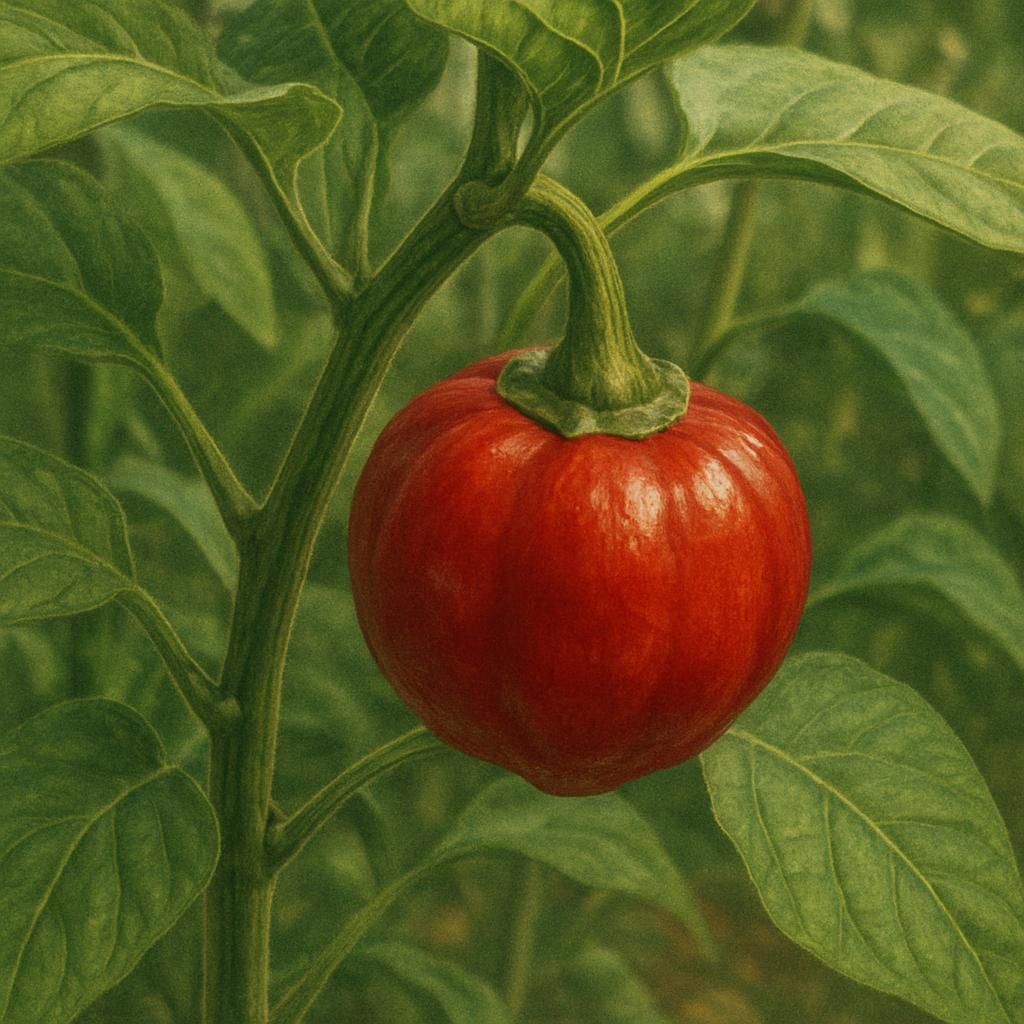
Introduction to Cherry Bomb Pepper
The Cherry Bomb Pepper, a member of the Capsicum family, is a delightful blend of sweet and heat that makes it a versatile addition to any garden or kitchen. With its bright red color and juicy, crisp texture, the pepper is perfect for pickling, salads, and adding a spicy punch to dishes. This guide will walk you through everything from planting to harvesting these fiery fruits, ensuring you get the most from your crop.
Botanical Profile of Cherry Bomb Pepper
The Cherry Bomb Pepper is scientifically classified as Capsicum annuum. This annual plant features a compact bush with glossy leaves and produces small, round, bright red peppers. Each pepper measures approximately 2 inches in diameter and packs a punch with a Scoville rating of 2,500 to 5,000, making it moderately hot. Originating from the Americas, this pepper has become a staple in gardens worldwide.
Soil, pH, and Climate Requirements for Cherry Bomb Pepper
To thrive, Cherry Bomb Peppers require warm weather, plenty of sunlight, and nutrient-rich soil. Here's a glance at the ideal conditions:
| Factor | Ideal Condition |
|---|---|
| Soil Type | Loamy, well-drained soil |
| Soil pH | 6.0 - 6.8 |
| Temperature | 70-85°F (21-29°C) |
| Sunlight | Full sun (at least 6-8 hours a day) |
| USDA Hardiness | Zones 9-11 |
Step-by-Step Planting & Propagation
Seed Selection: Start with high-quality seeds from a reliable source. Ensure they are disease-free and appropriate for your climate.
Germination: Begin indoors about 8-10 weeks before the last frost date. Sow seeds 1/4-inch deep in seed-starting mix. Maintain a temperature of 75-80°F for optimal germination.
Transplanting: Once seedlings are 4-6 inches tall and at least 6 weeks old, hardening off by gradually exposing them to outdoor conditions over a week. When nighttime temperatures consistently stay above 60°F, transplant them into your garden, spacing each plant 18-24 inches apart.
Soil Preparation: Amend the soil with compost and ensure it is well-draining. A soil test is beneficial for adjusting fertility levels appropriately.
Care & Maintenance Regimes for Cherry Bomb Pepper
Consistent care will ensure your Cherry Bomb Peppers are healthy and productive.
| Care Factor | Frequency/Details |
|---|---|
| Watering | 1-2 inches per week, deep watering to reach roots |
| Fertilizing | Apply balanced fertilizer every 4-6 weeks |
| Pruning | Regularly remove any diseased or damaged leaves to promote air circulation |
Pests, Diseases & Organic Management
Cherry Bomb Peppers can be affected by various pests and diseases but can be managed effectively with organic practices.
- Pests: Aphids, Spider Mites, and Fruit Borers are common culprits. Use neem oil or insecticidal soap as a control method.
- Diseases: Watch out for Anthracnose and Verticillium Wilt. Regular crop rotation and maintaining dry foliage can prevent these issues.
Harvesting, Curing & Optimal Storage
Peppers are typically ready for harvest 70-80 days after transplanting. For the best flavor and spice, harvest when peppers are fully red and firm. Use scissors or pruning shears to cut peppers to avoid damaging the plant. Store the fresh peppers in a refrigerator for up to two weeks. For longer storage, consider pickling or freezing.
Companion Planting for Cherry Bomb Pepper
Effective companion planting can enhance growth and deter pests. Basil and Nasturtiums are excellent companions as they deter aphids and attract beneficial insects. Avoid planting near Fuerte Avocado, which may compete for resources with peppers.
For more about managing soil health and ensuring robust plant growth, read our blog on The Forgotten Art of Fall Soil Revival: 8 Organic Strategies for Small Farm Resilience.