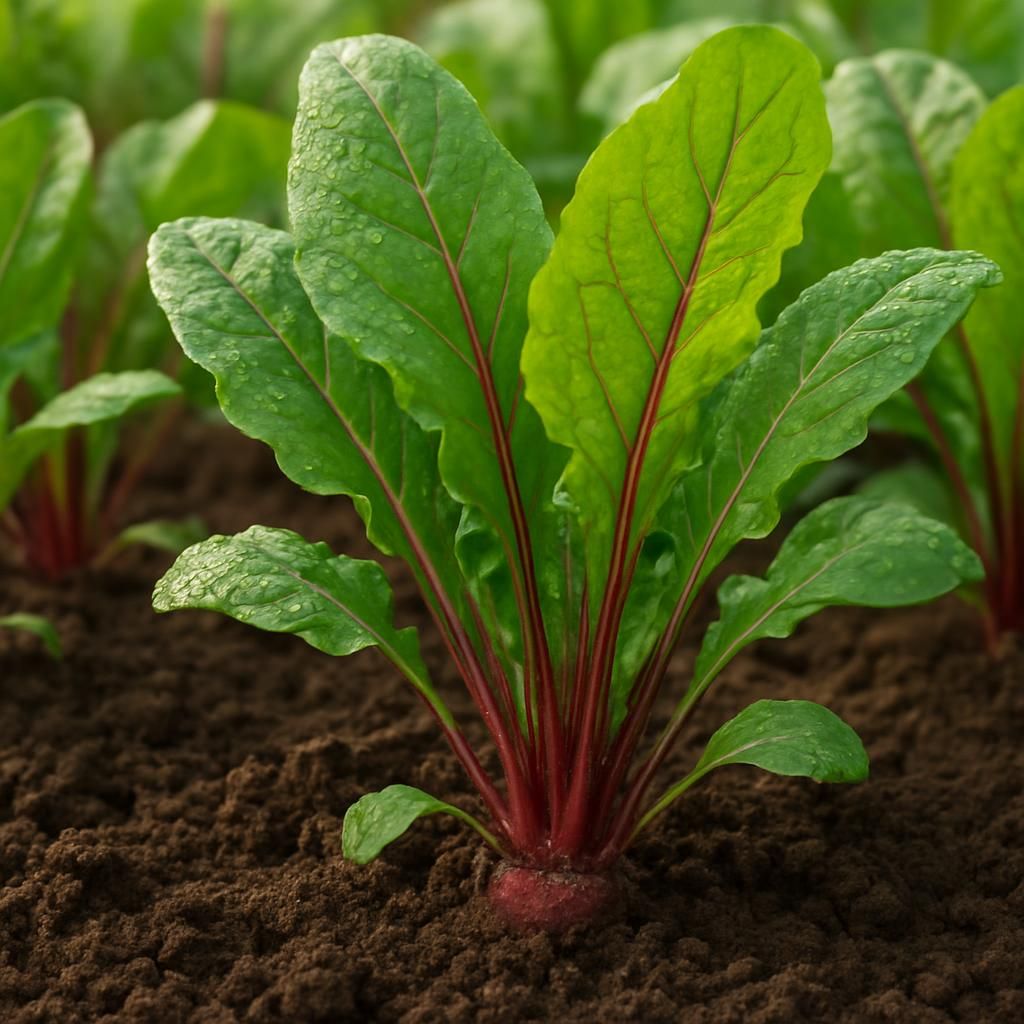
Introduction to chicory
Chicory (Cichorium intybus) is a hardy herbaceous perennial belonging to the Asteraceae family that has been cultivated for centuries across Europe and the Mediterranean for both its edible leaves and roots. The plant produces a deep taproot and rosettes of deeply lobed leaves that range from bright green to reddish-purple depending on the cultivar. Its slightly bitter flavor profile makes it a staple in European cuisine where the leaves are enjoyed raw in salads or cooked to mellow the taste. The roots can be harvested, dried, and roasted to produce a caffeine-free coffee substitute that has gained renewed popularity among health-conscious consumers. As a cool-season crop, chicory offers excellent nutritional value including high levels of inulin, vitamins A, C, and K, and important minerals such as potassium and calcium.
Botanical Profile of chicory
Chicory exhibits a biennial growth habit in the wild but is typically grown as an annual in agricultural settings. The plant develops a prominent taproot that can penetrate deeply into the soil, storing carbohydrates that support both leaf production and root harvest. Above ground, it forms a basal rosette of leaves that are deeply toothed or pinnatifid in shape. Flowering occurs in the second year under natural conditions, producing bright blue daisy-like flowers on tall stalks that attract pollinators. Several cultivated types exist including radicchio for compact heading varieties, Belgian endive for forced blanched shoots, and leaf chicory for loose-leaf salad production. The species is closely related to endive and shares similar cultural requirements with other members of the Asteraceae family such as lettuce.
Soil, pH, and Climate Requirements for chicory
Chicory performs best in well-drained, fertile soils that retain adequate moisture without becoming waterlogged. The plant prefers full sun exposure of at least six hours daily but can tolerate partial shade in warmer climates. It is notably cold-hardy and can withstand light frosts, making it suitable for both spring and fall plantings in temperate regions.
| Parameter | Ideal Range | Notes |
|---|---|---|
| Soil Type | Loamy, well-drained | Avoid heavy clay without amendment |
| Soil pH | 5.5 - 7.5 | Slightly acidic to neutral preferred |
| Temperature Range | 15-24°C (59-75°F) day; 7-13°C night | Cool season crop; bolt-resistant below 24°C |
| Sunlight | Full sun (6+ hours) | Tolerates light afternoon shade |
| Soil Moisture | Consistent, moderate | Avoid waterlogging; mulch helps retain moisture |
| Frost Tolerance | Down to -7°C (19°F) | Mature plants more tolerant than seedlings |
Step-by-Step Planting & Propagation
Chicory is primarily propagated from seed, which germinates readily when soil temperatures reach 10-15°C. Direct sowing is the preferred method to avoid root disturbance that can cause forking in taproot varieties. Begin by preparing a fine seedbed free of weeds and large clods, incorporating well-rotted compost to improve soil structure. Sow seeds 6-12 mm deep in rows spaced 30-45 cm apart, thinning seedlings to 15-25 cm within the row once they reach 5 cm in height. For radicchio types, closer spacing of 20-25 cm encourages compact head formation. Successive sowings every two to three weeks from early spring through late summer provide continuous harvests. In regions with mild winters, fall plantings can overwinter for early spring harvests. Indoor starting is possible four to six weeks before the last frost using biodegradable pots to minimize transplant shock.
Care & Maintenance regimes for chicory
Consistent moisture is critical during establishment, but once plants are established they become moderately drought tolerant. Fertilization should emphasize nitrogen for leafy growth while avoiding excess that promotes bitterness. Mulching with organic materials helps suppress weeds and maintain soil moisture. Regular monitoring for bolting is essential in warm weather; removing flower stalks encourages continued leaf production.
| Aspect | Schedule | Details |
|---|---|---|
| Watering | 2.5-4 cm per week | Deep watering 1-2 times weekly; increase during dry spells |
| Fertilizer | At planting and 4 weeks later | Balanced NPK 10-10-10 or side-dress with compost tea every 3-4 weeks |
| Pruning | As needed | Remove yellowing leaves and flower stalks to delay bolting |
Pests, Diseases & Organic Management
Chicory is relatively resistant to many common garden pests but can be affected by aphids, slugs and snails, and leaf miners. Fungal issues such as powdery mildew and downy mildew may occur in humid conditions. Organic management begins with cultural practices including proper spacing for air circulation, crop rotation, and removal of crop debris. Handpicking larger pests and using floating row covers during early growth stages provide effective barriers. Beneficial insects such as ladybugs and lacewings help control aphid populations naturally. For slug management, beer traps and diatomaceous earth applied around plant bases offer non-chemical solutions. Copper-based fungicides can be used as a last resort for severe fungal outbreaks while maintaining organic certification standards.
Harvesting, Curing & Optimal Storage
Leaf chicory can be harvested as baby greens 30-40 days after sowing or as mature leaves at 50-70 days. Cut outer leaves at the base, allowing the plant to continue producing. For radicchio varieties, harvest entire heads when they reach full size and color development, typically 70-90 days. Belgian endive production involves forcing harvested roots in darkness to produce blanched shoots. Roots intended for coffee substitute should be dug after the first frost when carbohydrate content peaks, washed thoroughly, sliced, and roasted at 180°C until dark brown. Fresh leaves store for 5-7 days in the refrigerator in perforated plastic bags. Roasted chicory root maintains quality for up to six months when stored in airtight containers away from moisture and light.
Companion Planting for chicory
Chicory benefits from strategic companion planting that enhances growth, deters pests, and improves soil health. Compatible companions include aromatic herbs such as thyme and rosemary that repel aphids and other soft-bodied insects. Nasturtium serves as a trap crop for aphids while adding edible flowers to the garden. Marigold plantings nearby help suppress nematodes and attract beneficial insects. Avoid planting near fennel which can inhibit growth through allelopathy. Chicory also pairs well with onion and garlic families that provide additional pest deterrence. Following chicory with nitrogen-fixing legumes such as peas or beans helps restore soil fertility for subsequent crops.