Encyclopedia
Definitive guides for crops, pests, and agricultural diseases.
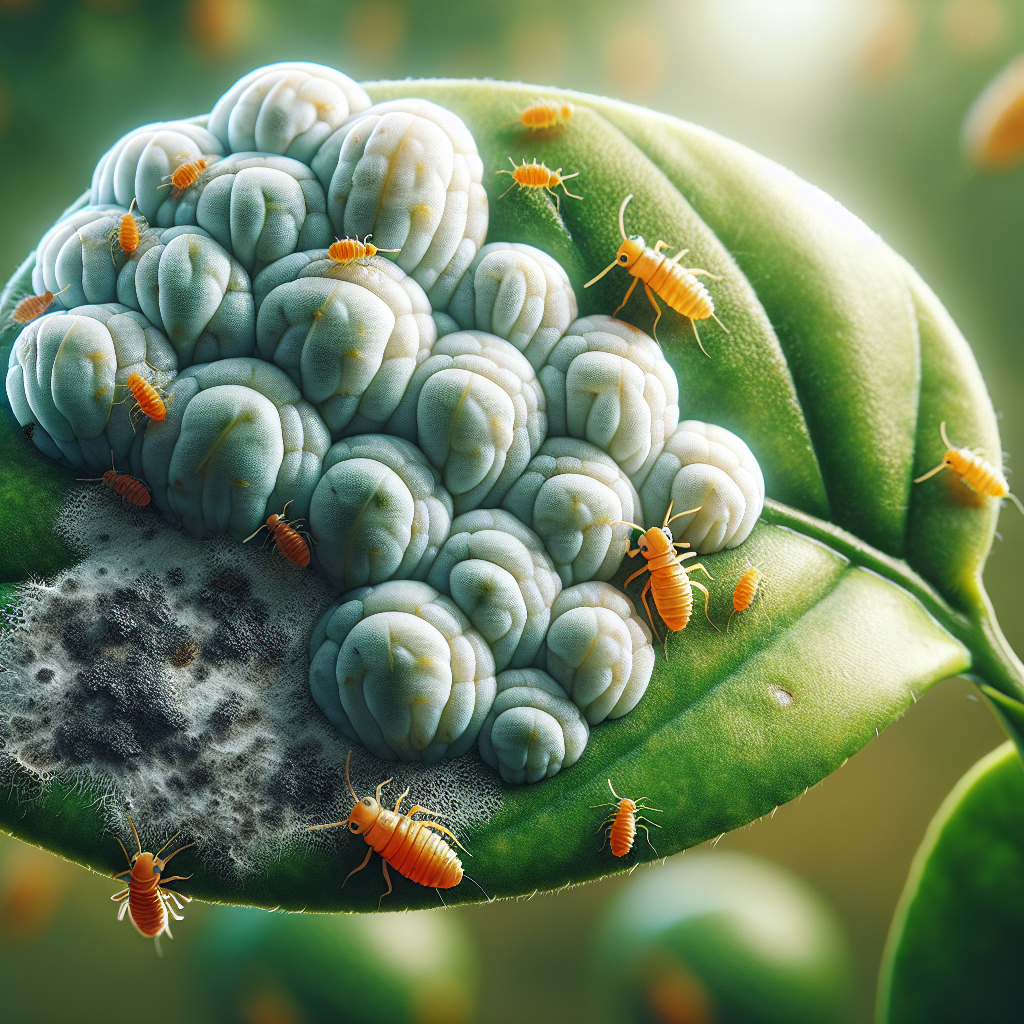
scale
Scale insects are small, sap-sucking pests that form protective waxy covers on plant stems, leaves, and fruits, weakening crops by draining vital juices and promoting sooty mold. Common in orchards, greenhouses, and gardens, they affect a wide range of plants including citrus, avocados, and ornamentals. Effective management combines organic controls like horticultural oils, biological agents, and cultural practices for long-term prevention.
View Profile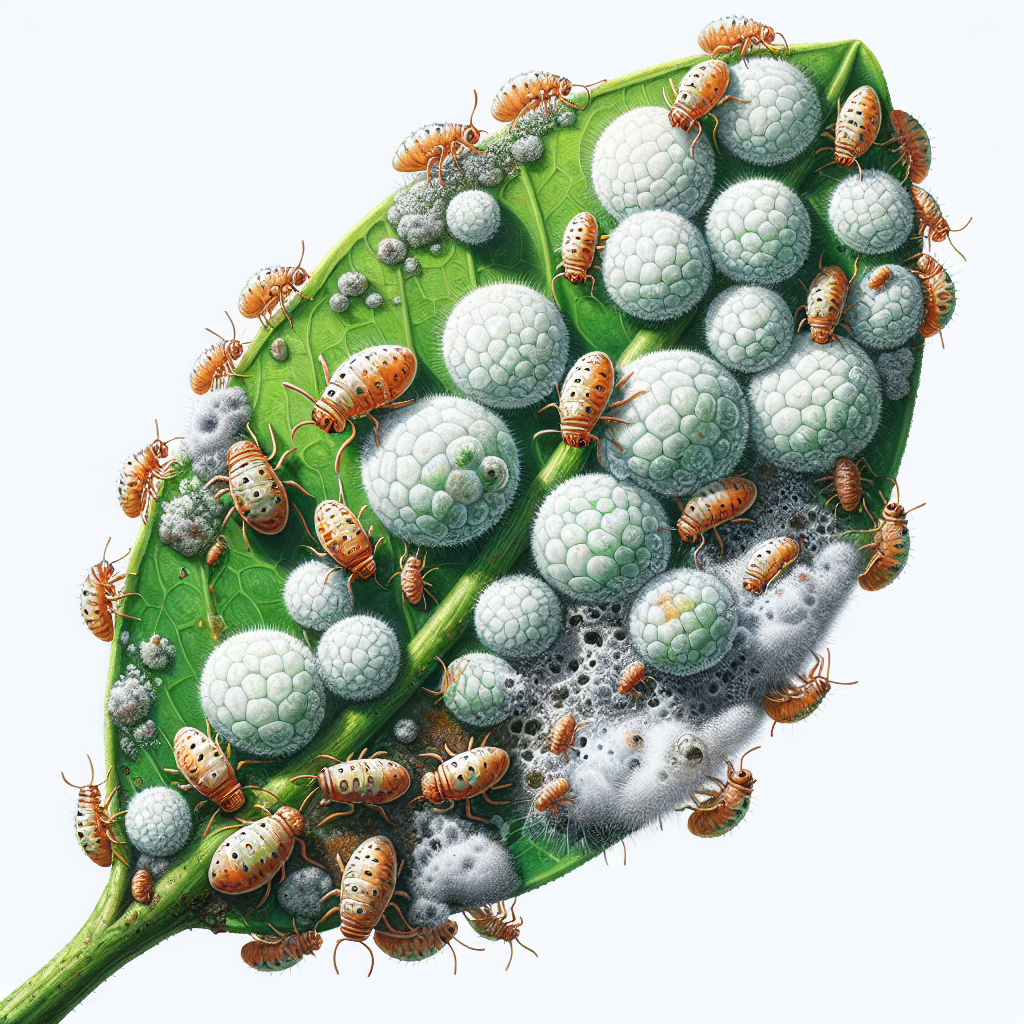
Scale insects
Scale insects are small, sap-sucking pests that attach to plant stems, leaves, and fruits, weakening crops by draining vital nutrients and promoting sooty mold growth. This guide provides professional diagnostics, lifecycle insights, organic management strategies, and prevention tips for farmers tackling infestations effectively. Protect high-value crops like citrus and ornamentals with proven agricultural techniques.
View Profile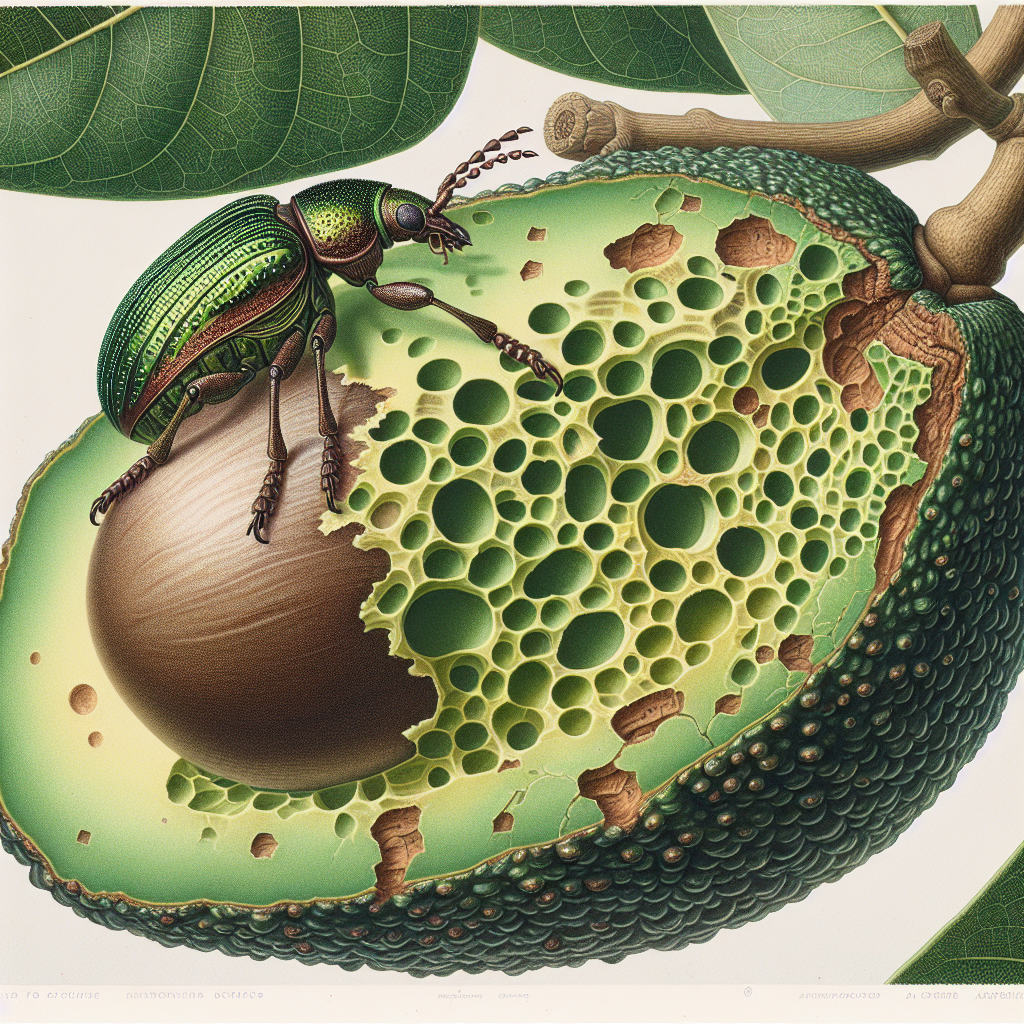
Scarring Beetles
Scarring beetles are notorious fruit and leaf pests that chew irregular patterns into crop surfaces, causing cosmetic scarring that drastically reduces market value. Primarily active during warm seasons, these beetles target a wide range of fruits and vegetables, leading to significant yield losses if unmanaged. This guide provides comprehensive diagnostics, lifecycle insights, and organic management strategies for effective control.
View Profile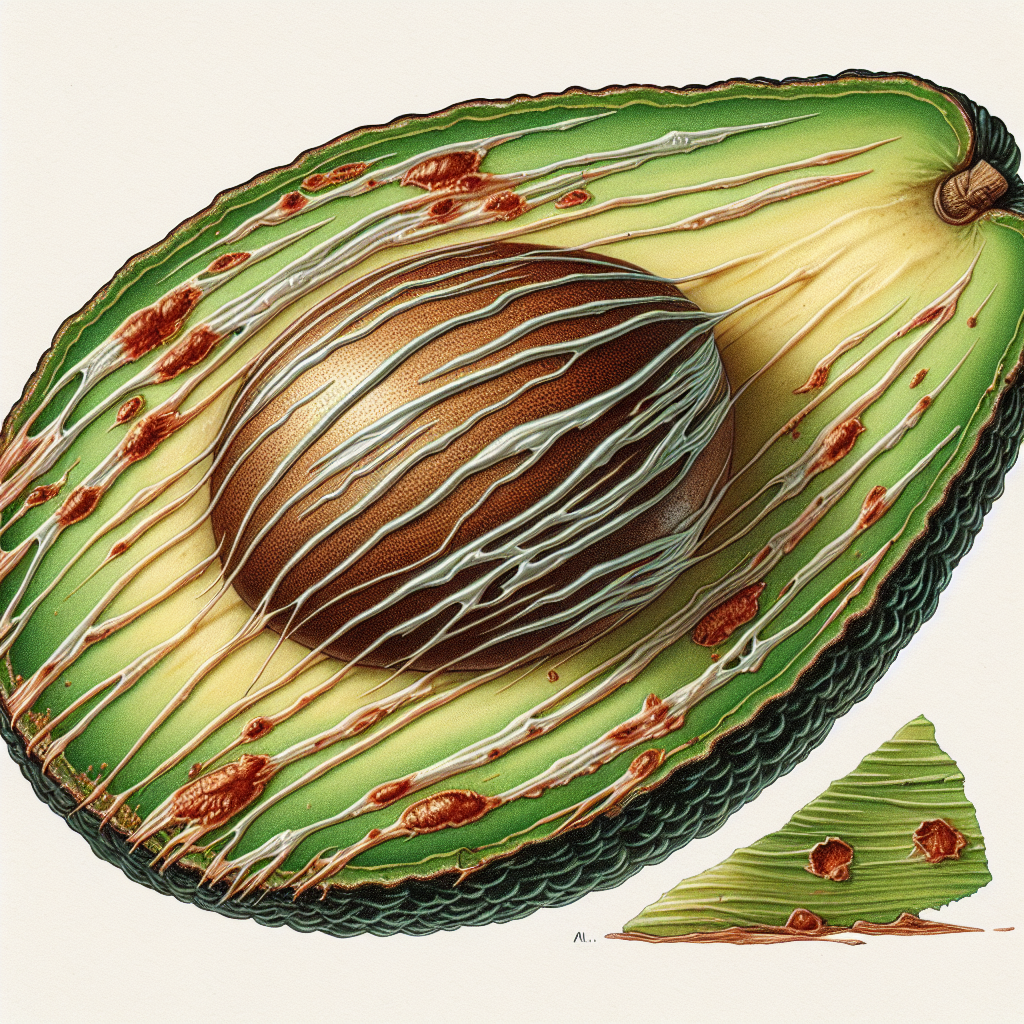
Scarring insects
Scarring insects are a diverse group of pests including thrips, mites, and certain caterpillars that feed on fruit surfaces, causing unsightly scars that reduce market value and quality. These pests target developing fruits on high-value crops like avocados, mangoes, and citrus, leading to significant economic losses. Effective management combines monitoring, organic controls, and cultural practices for sustainable control.
View Profile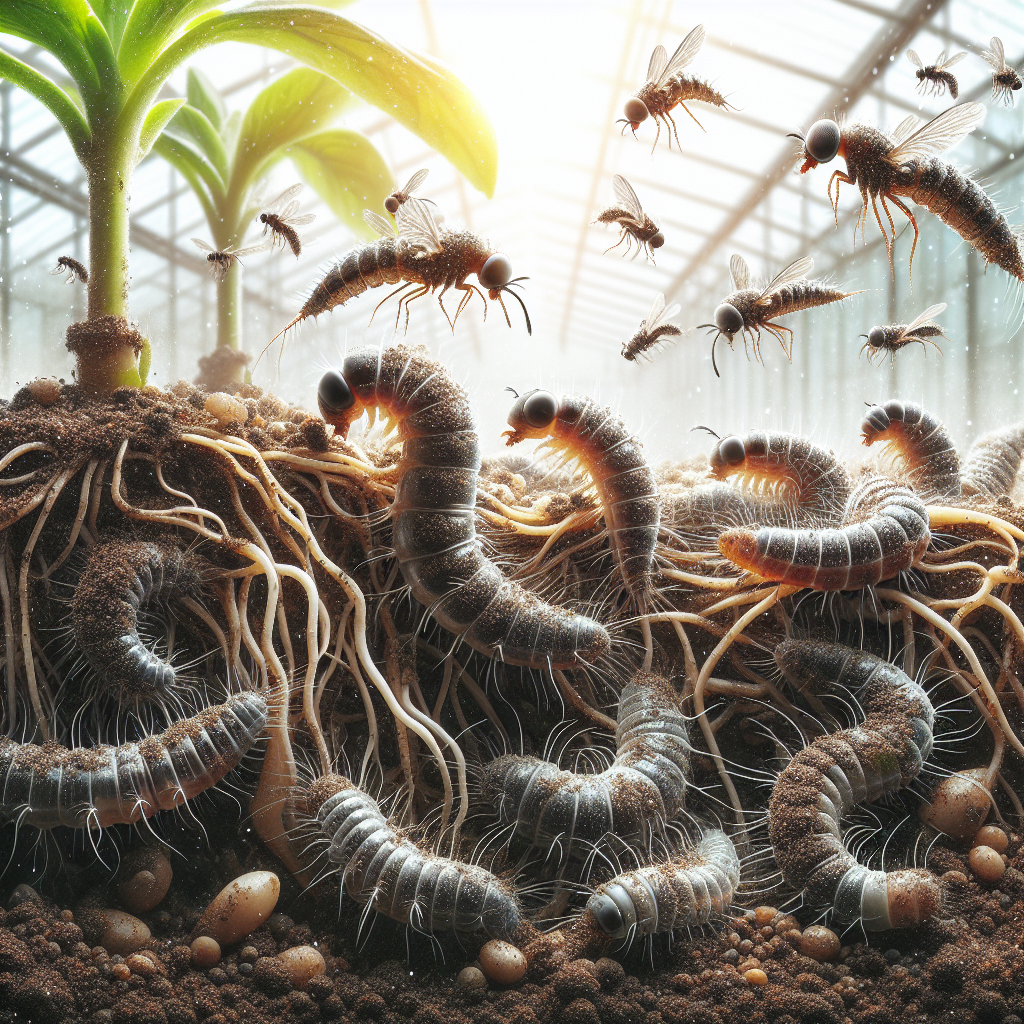
Sciarid flies
Sciarid flies, also known as fungus gnats, are small black flies that thrive in moist, organic-rich soils, primarily targeting seedlings and young plants by feeding on roots. Their larvae cause significant damage in greenhouses and indoor setups, leading to stunted growth and plant death if unmanaged. Effective organic control focuses on moisture management, biological agents, and cultural practices for long-term prevention.
View Profile
Scutellonema bradys
Scutellonema bradys, known as the sting nematode, is a microscopic parasitic worm that infests root systems of yams and sweet potatoes, causing top rot and significant yield losses in tropical agriculture. This guide provides comprehensive diagnostics, lifecycle details, organic management strategies, and prevention tactics for farmers battling this persistent soil pest. Effective control relies on integrated cultural practices, biofumigation, and resistant varieties to safeguard tuber crops.
View Profile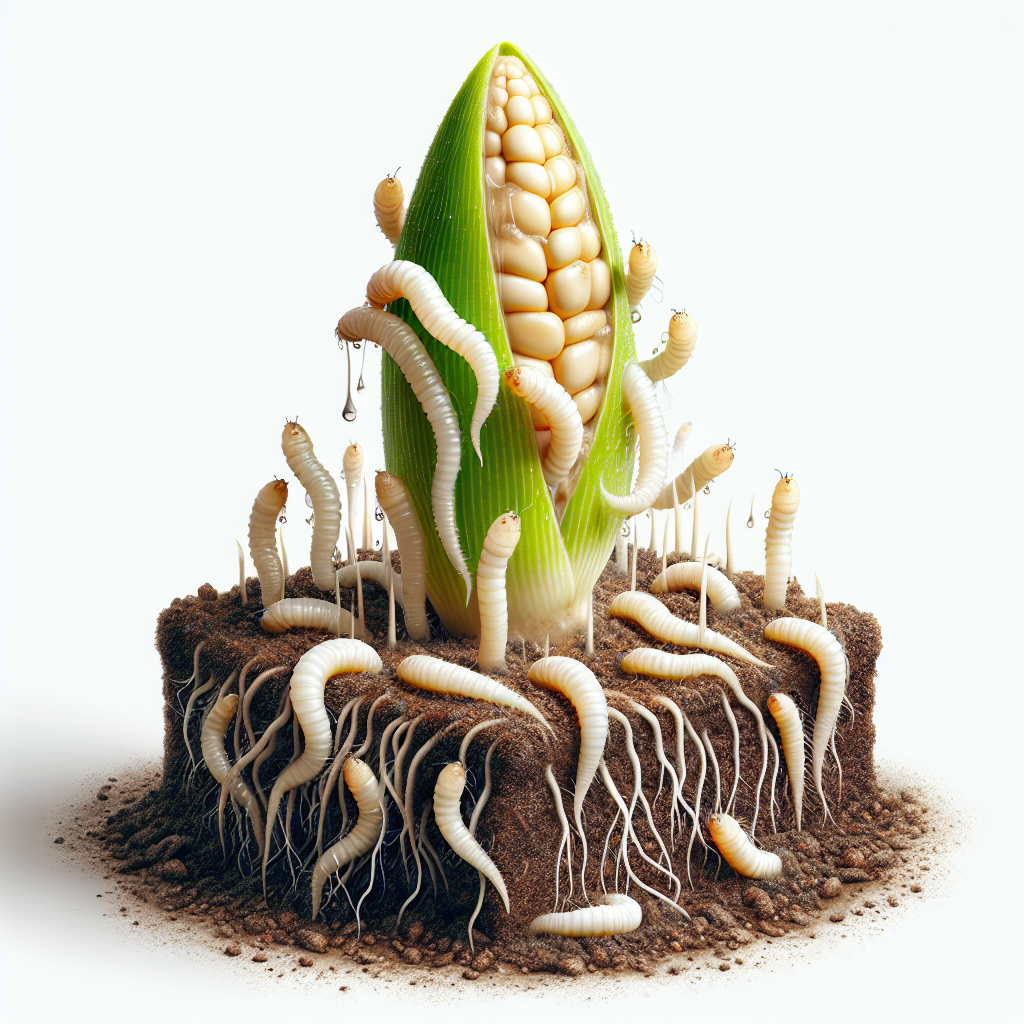
seed corn maggots
Seed corn maggots are small, white fly larvae that attack germinating seeds and young seedlings, causing severe stand loss in cool, wet soils. Primarily affecting corn, beans, and other vegetables, they thrive in decaying organic matter and early-season plantings. Effective management relies on cultural practices, resistant varieties, and timely planting to minimize damage.
View Profile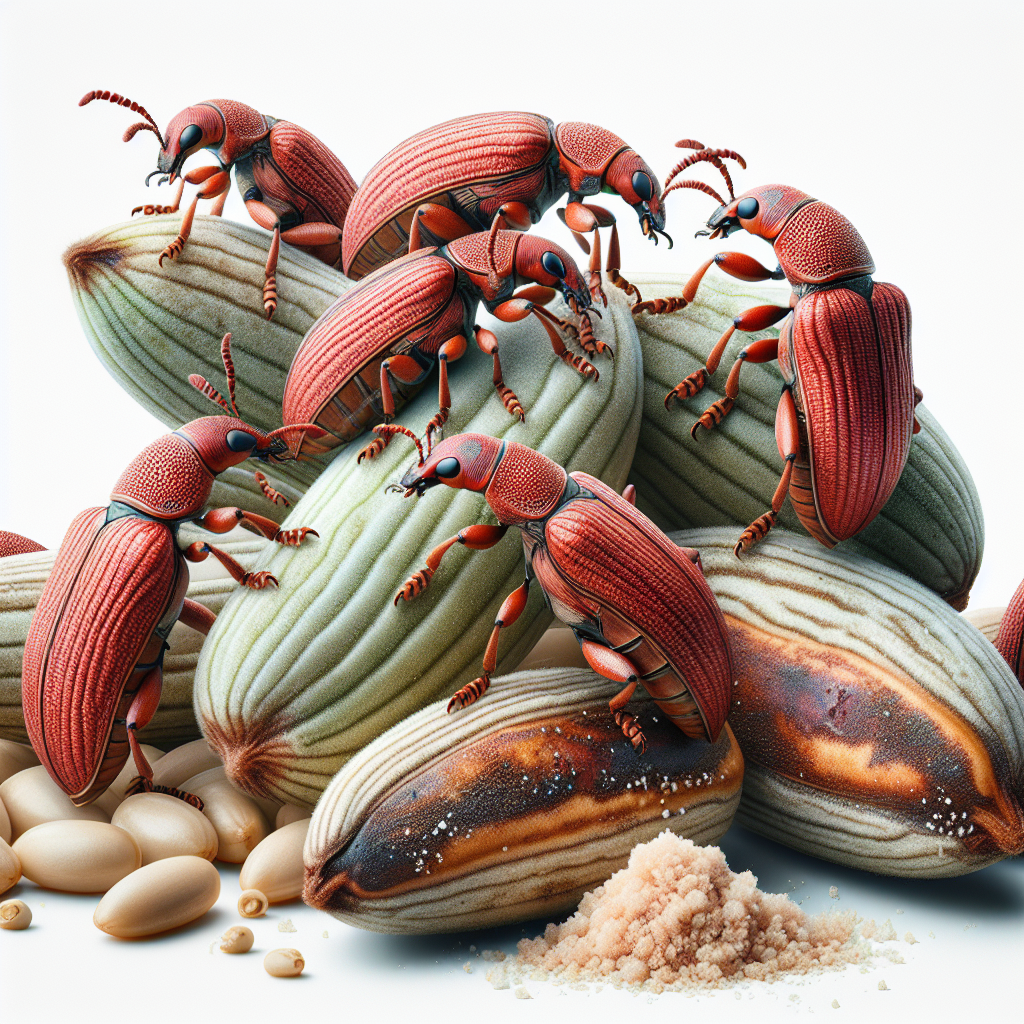
Seed Weevils
Seed weevils are destructive beetles that infest and destroy seeds of legumes and grains, leading to significant yield losses in storage and fields. This guide provides comprehensive diagnostics, lifecycle insights, organic management strategies, and prevention tips for affected crops. Protect your harvest with proven agricultural practices tailored for farmers and growers.
View Profile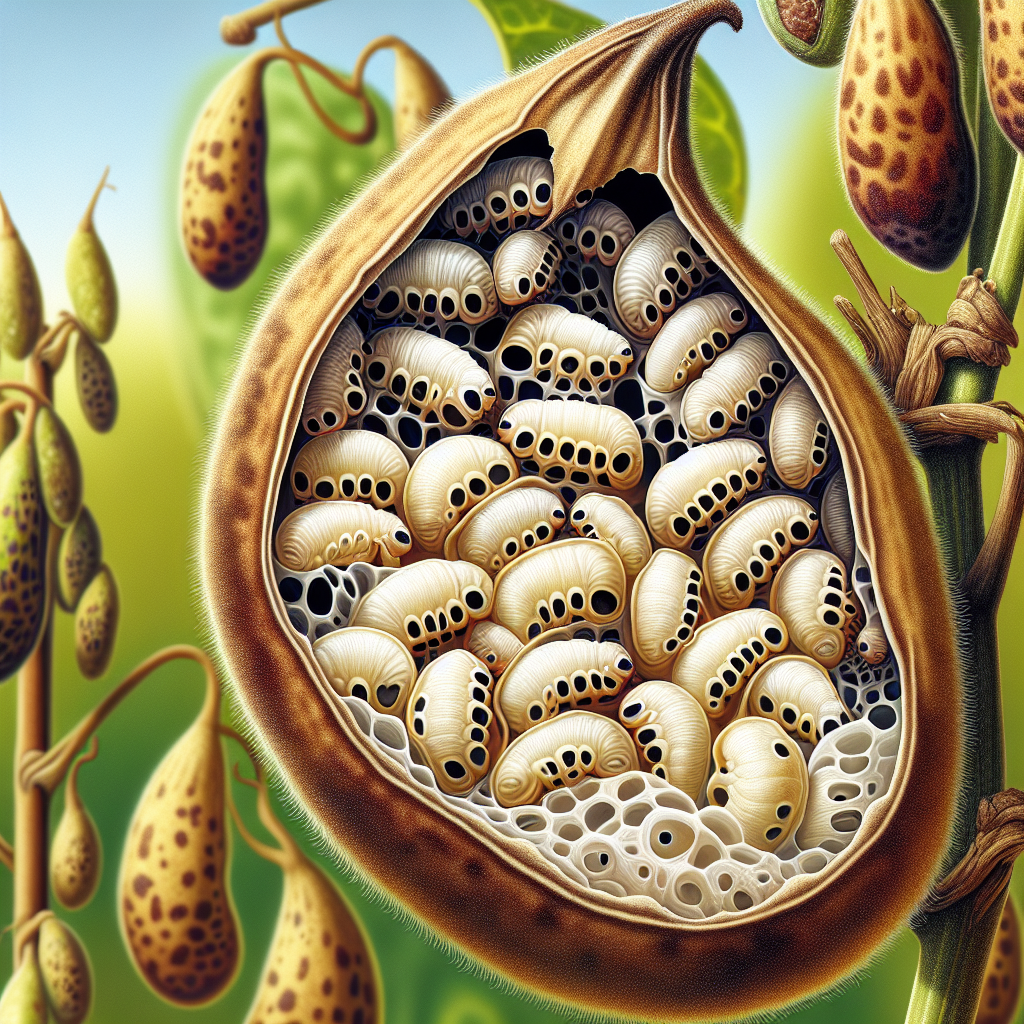
Seed-eating insects
Seed-eating insects are a diverse group of beetles and moths that infest and destroy seeds of legumes, grains, and vegetables, causing significant yield losses in agriculture. These pests target developing pods, grains, and stored seeds, leading to hollowed-out seeds and reduced germination rates. Effective management combines cultural practices, biological controls, and vigilant monitoring for sustainable crop protection.
View Profile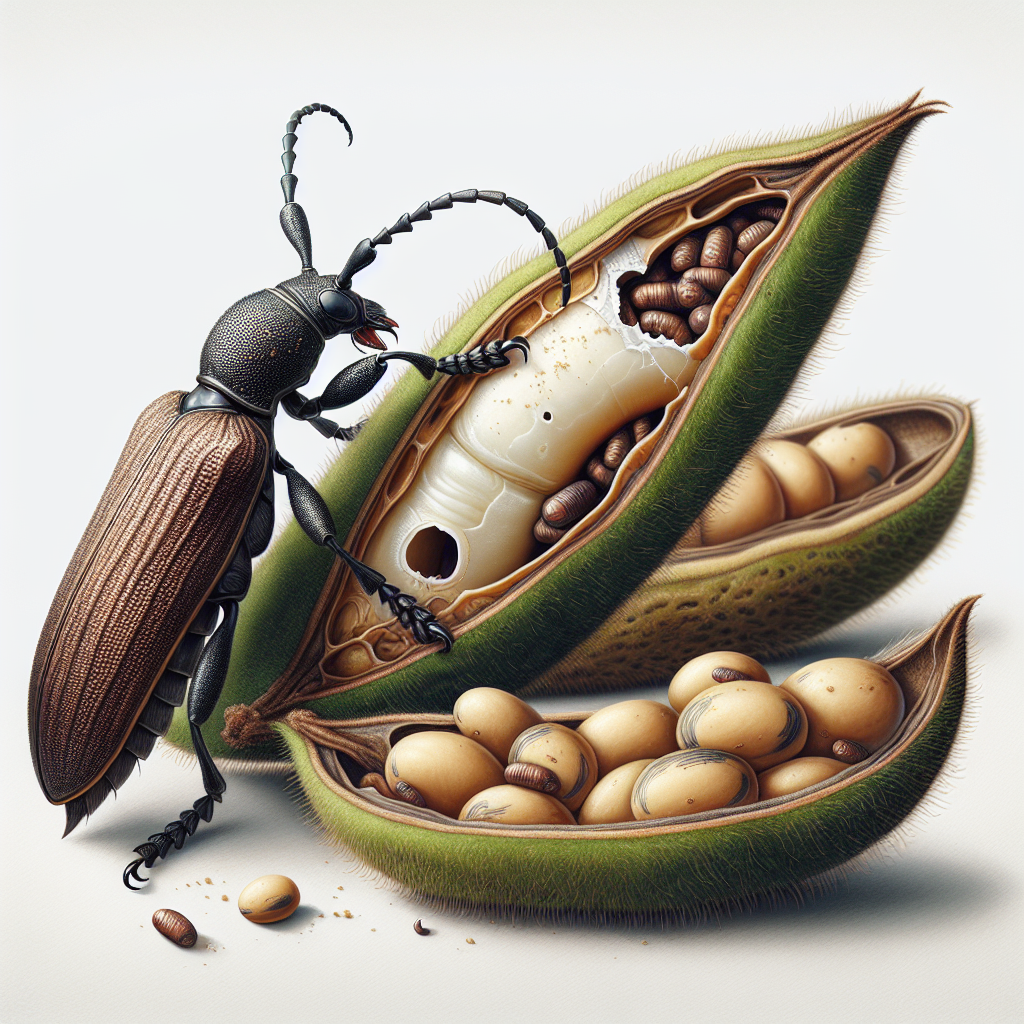
Seed-feeding beetles
Seed-feeding beetles, primarily from the Bruchidae family, are destructive pests that target developing seeds in legumes and grains, causing significant yield losses. These small beetles lay eggs on pods or seeds, with larvae burrowing inside to feed and destroy the seed contents. Effective management combines cultural practices, biological controls, and vigilant monitoring for sustainable agriculture.
View Profile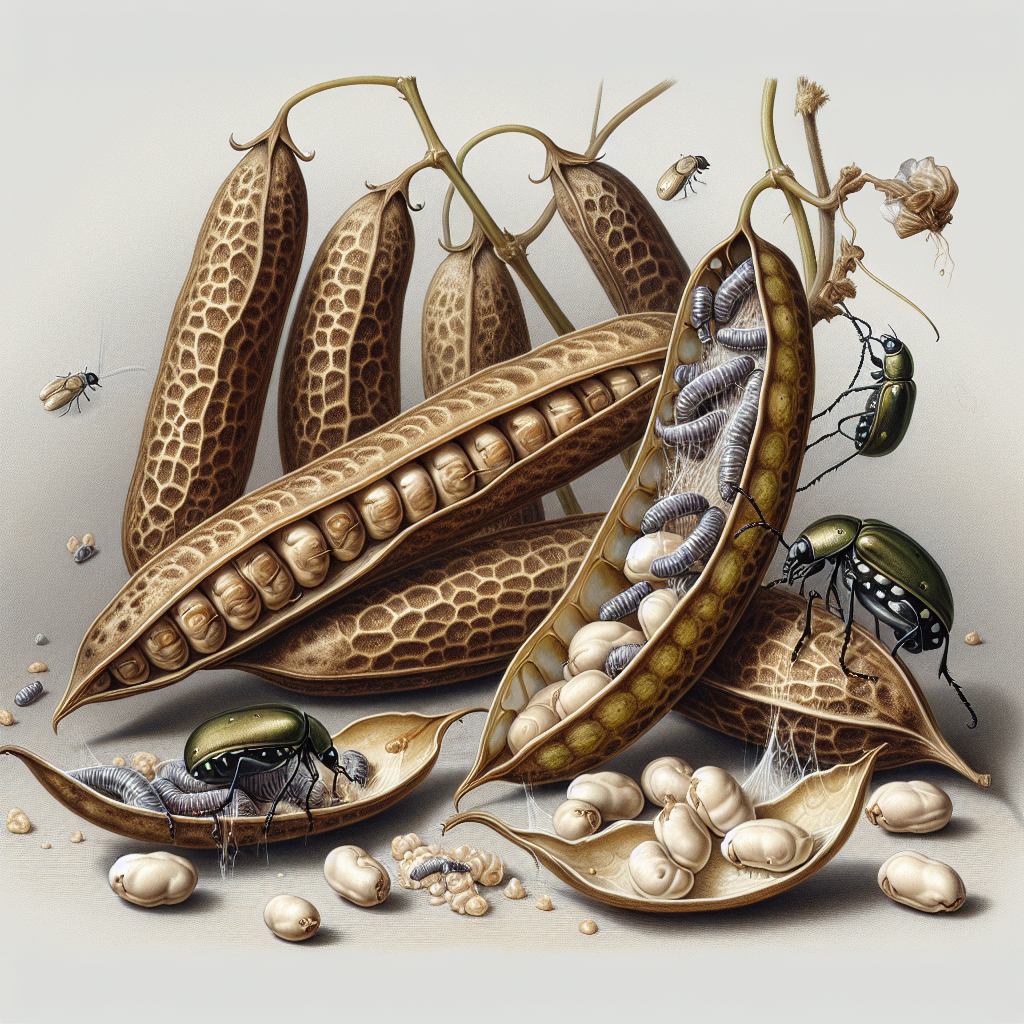
seed-feeding pests
Seed-feeding pests are insects that target seeds of crops, causing significant yield losses by consuming or damaging embryos during development or storage. Common culprits include weevils, bruchids, and seed maggots, affecting legumes, grains, and vegetables. Effective management combines cultural practices, biological controls, and monitoring for sustainable agriculture.
View Profile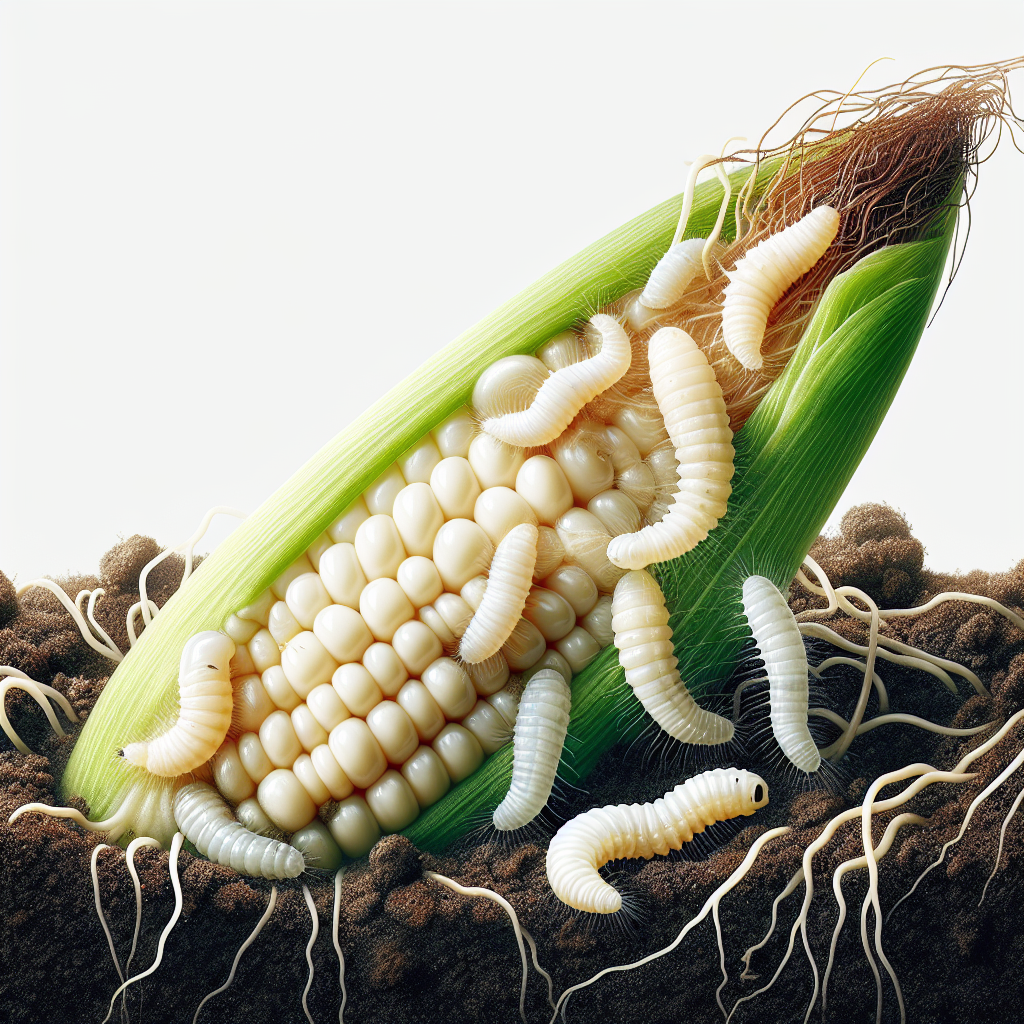
Seedcorn Maggot
The seedcorn maggot is a notorious soil-dwelling pest that targets germinating seeds and young seedlings of corn, beans, and other crops, causing severe stand losses in cool, wet springs. Larvae tunnel into seeds and roots, leading to rotting and plant death. Effective management relies on cultural practices, timing, and organic controls to protect vulnerable early-season plantings.
View Profile
Seedling pests
Seedling pests are a diverse group of soil-dwelling insects that target young plants, causing severe stand loss and reduced yields in early growth stages. Common culprits include cutworms, wireworms, seedcorn maggots, and flea beetles, thriving in moist, organic-rich soils. Effective management combines cultural practices, biological controls, and precise timing to protect vulnerable seedlings.
View Profile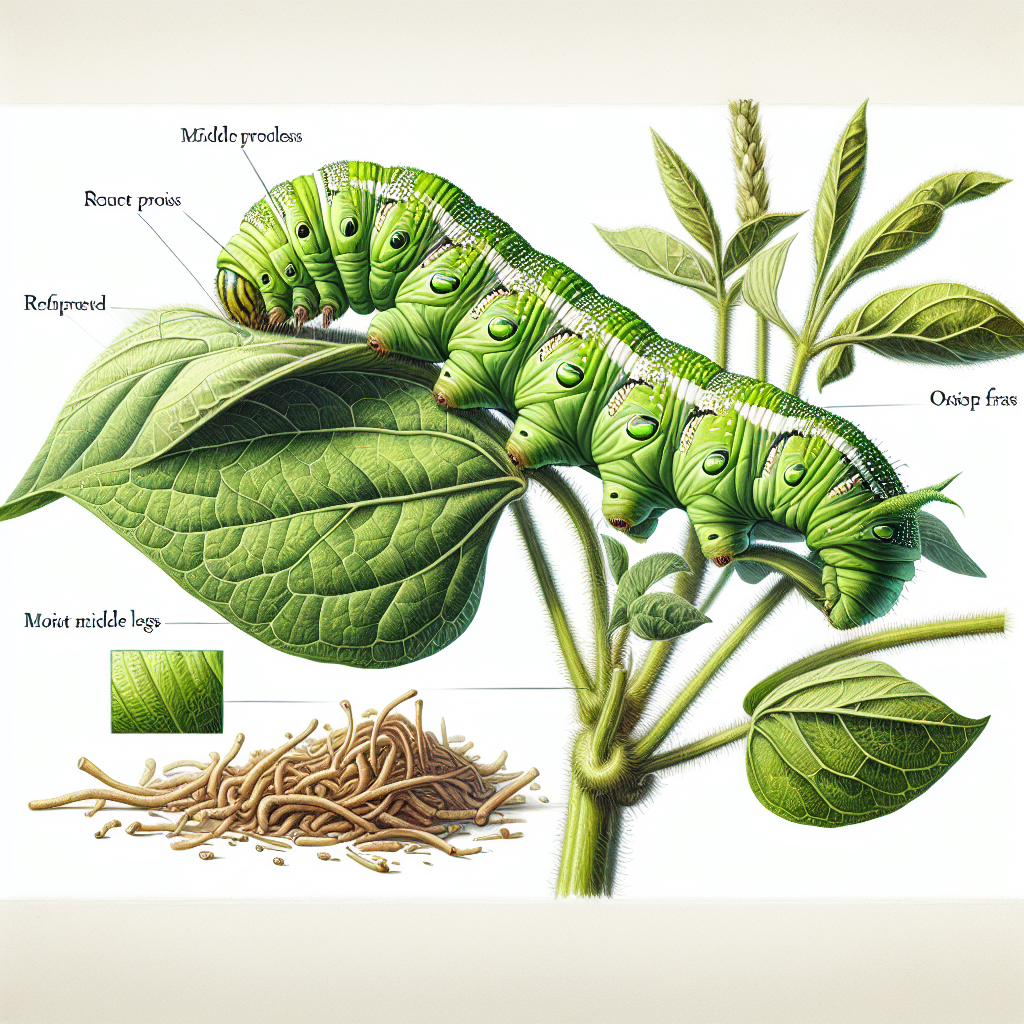
semiloopers
Semiloopers are destructive caterpillar pests notorious for their looping locomotion and defoliation of vegetable crops, particularly soybeans, tomatoes, and cabbage. These larvae cause severe economic losses by skeletonizing leaves and damaging pods or fruits. Effective management combines organic controls like BT sprays, neem oil, and beneficial insects with cultural practices for long-term prevention.
View Profile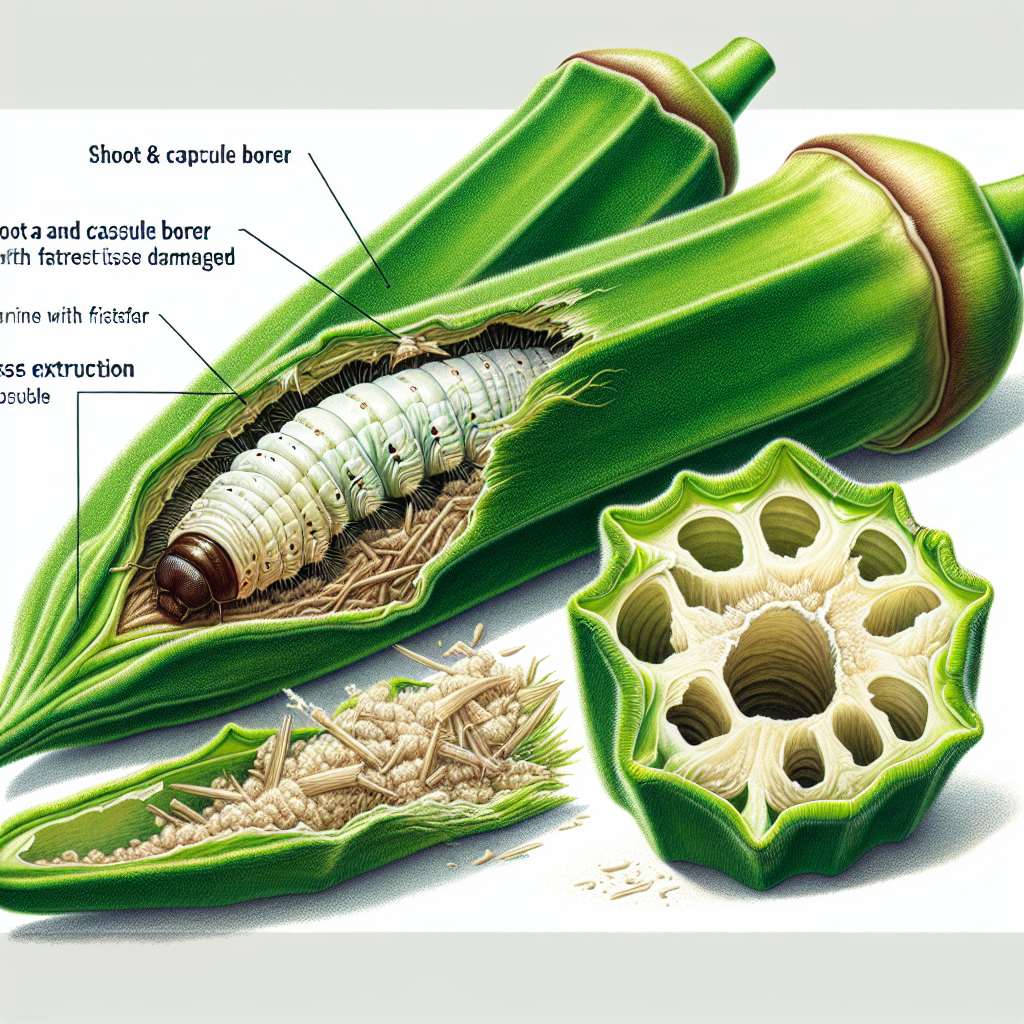
Shoot and capsule borers
Shoot and capsule borers are destructive moth larvae that tunnel into tender shoots, flower buds, and fruit capsules of various crops, causing wilting, dieback, and significant yield losses. Primarily affecting solanaceous and malvaceous plants, these pests are prevalent in tropical and subtropical regions. Effective management combines cultural practices, biological controls, and timely monitoring for sustainable agriculture.
View Profile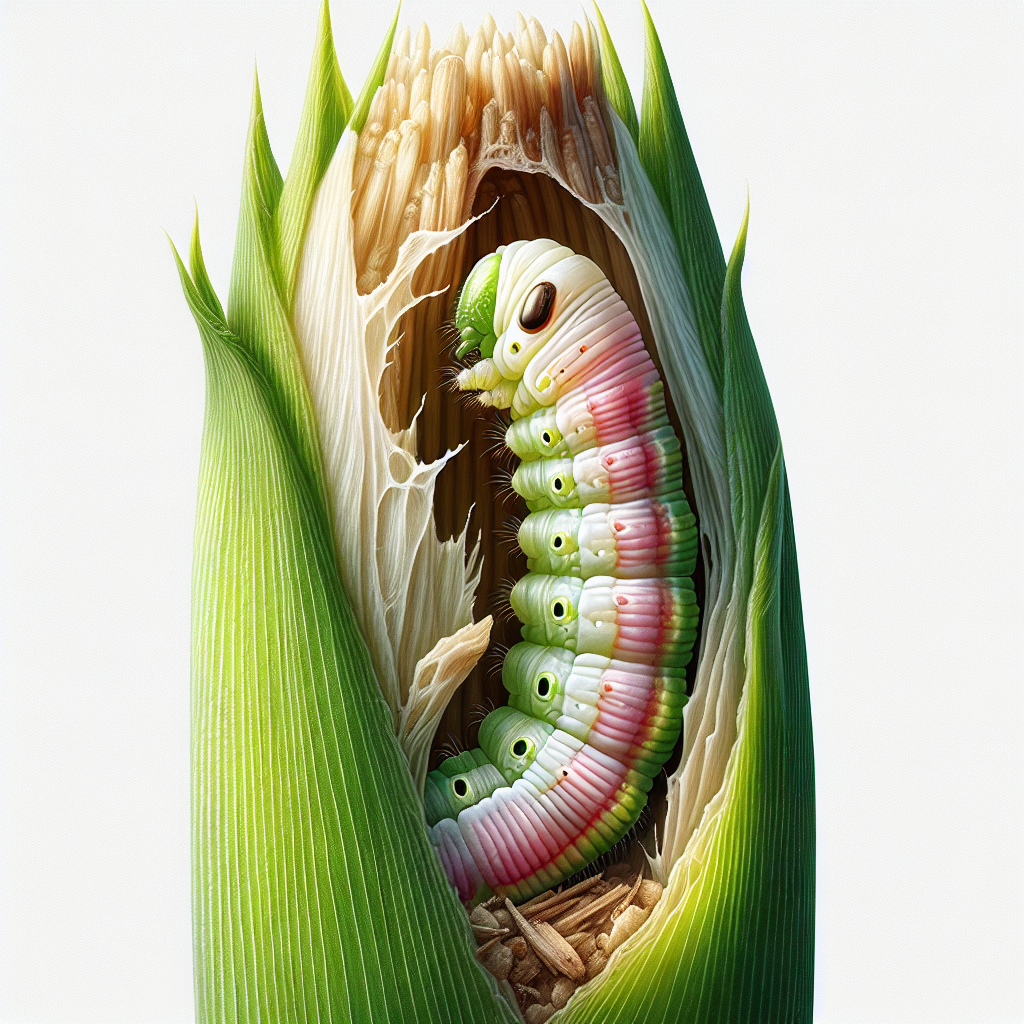
Shoot borers
Shoot borers are destructive insect larvae that tunnel into plant shoots, stems, and young growth, causing wilting, stunting, and significant yield losses in staple crops. This guide provides comprehensive diagnostics, lifecycle insights, organic management strategies, and prevention tips for farmers. Effective control combines cultural practices, biological agents, and timely monitoring to protect vulnerable crops.
View Profile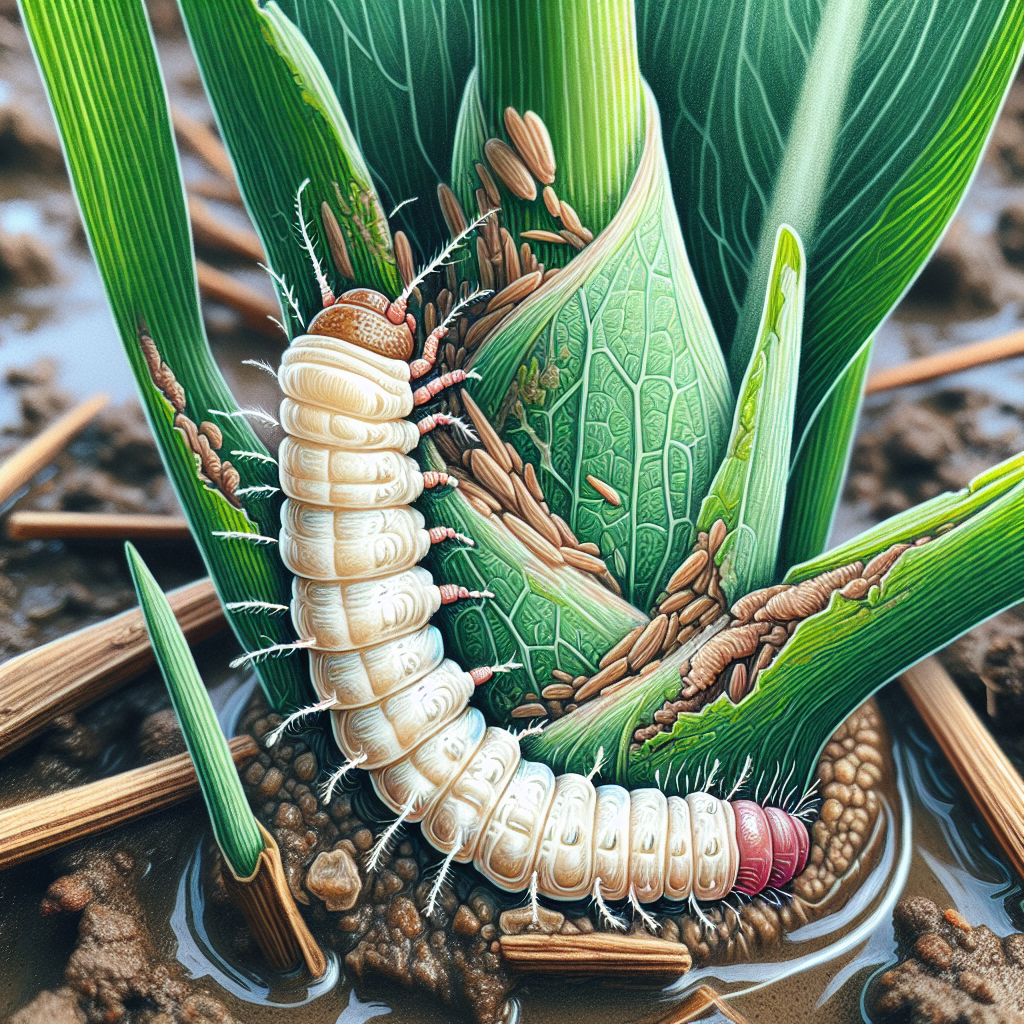
Shoot flies
Shoot flies are small, destructive pests targeting cereal crops like rice, wheat, and sorghum, with larvae boring into young shoots causing 'dead hearts' and significant yield losses. This guide provides definitive diagnostics, lifecycle insights, organic management strategies, and prevention tactics for farmers. Effective control hinges on early detection and integrated organic practices to protect vulnerable seedlings.
View Profile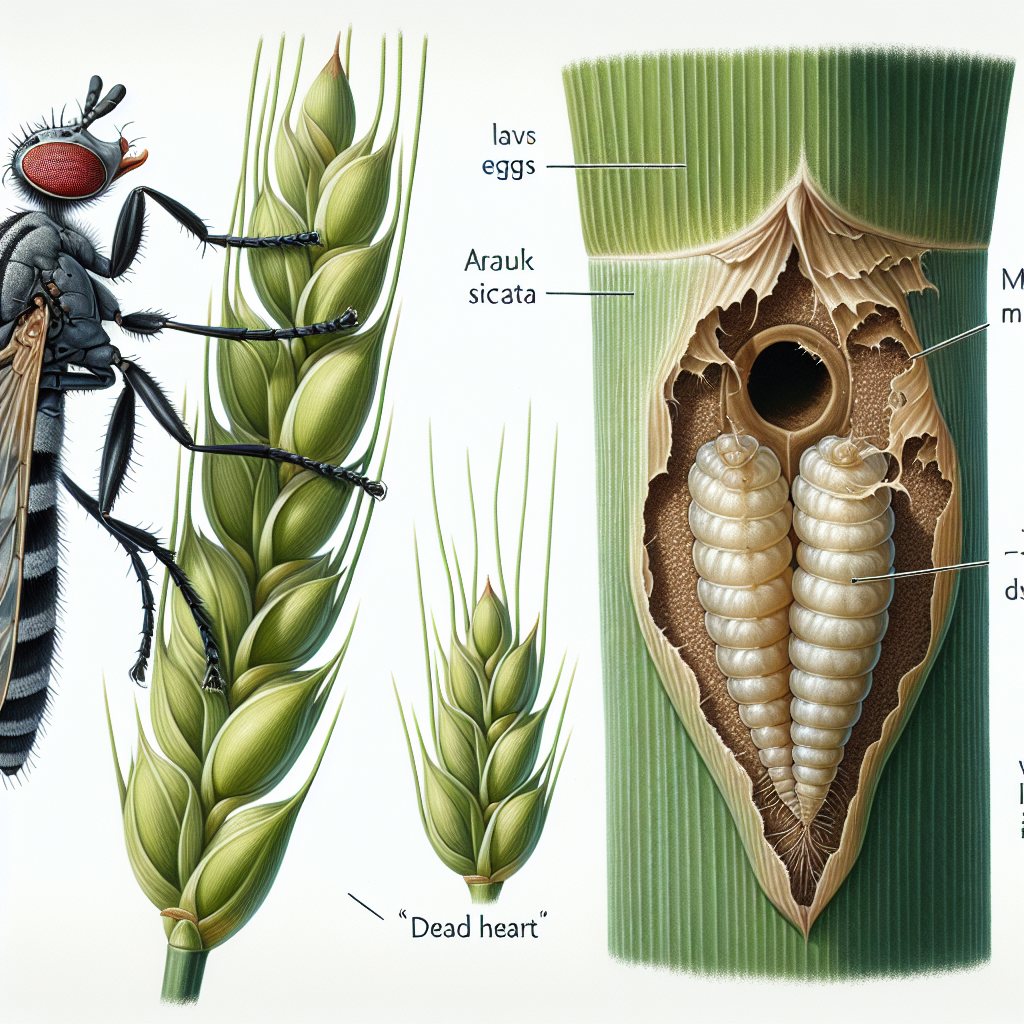
shoot fly
Shoot flies are small, destructive pests targeting cereal crops like wheat, rice, and sorghum, where their maggots bore into young shoots causing 'dead hearts' and significant yield losses. This guide provides comprehensive diagnostics, lifecycle insights, organic management strategies, and prevention tactics for farmers. Effective control hinges on early detection, cultural practices, and biological interventions to protect vulnerable seedlings.
View Profile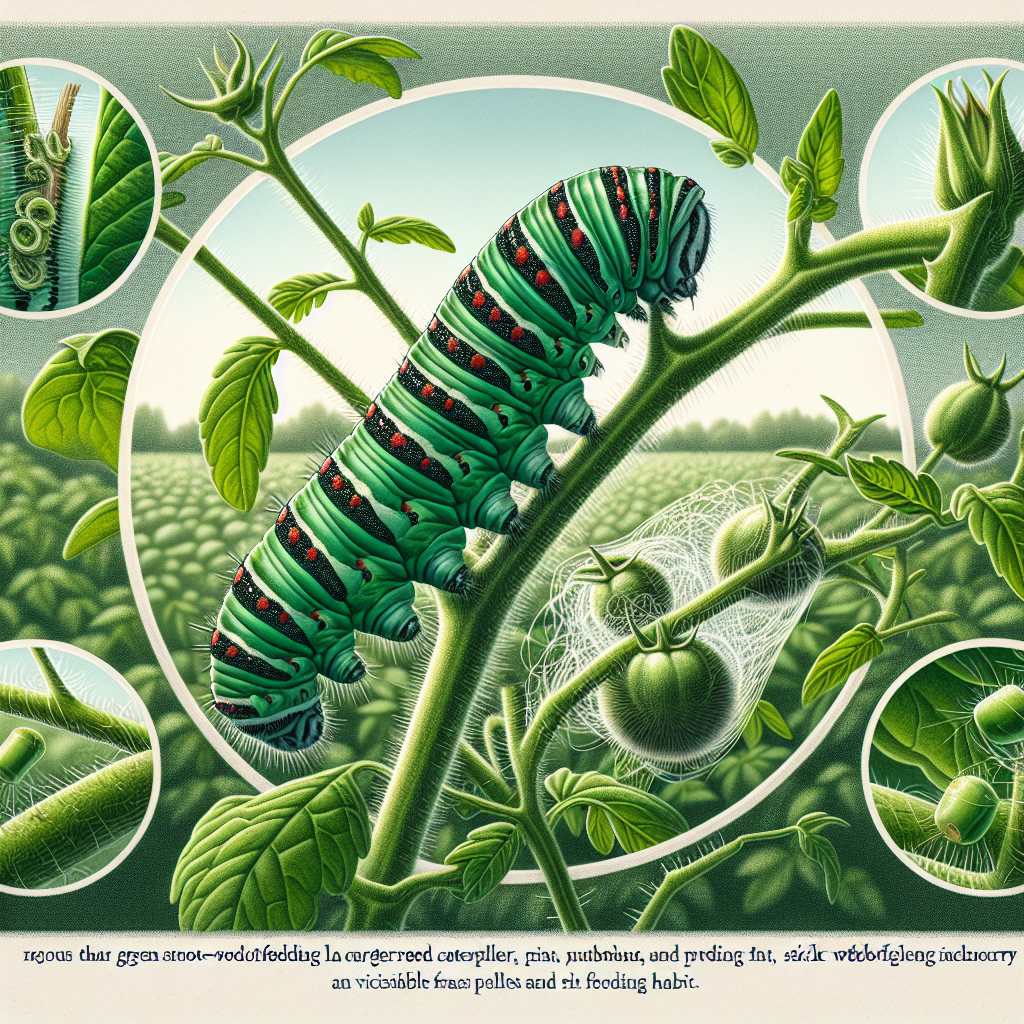
Shoot-feeding caterpillars
Shoot-feeding caterpillars are larval stages of moths that target tender new growth on crops, causing significant damage to shoots, buds, and young leaves. These pests can devastate yields in vegetables, fruits, and field crops by skeletonizing foliage and boring into stems. Effective management combines monitoring, organic controls like BT, and cultural practices for long-term prevention.
View Profile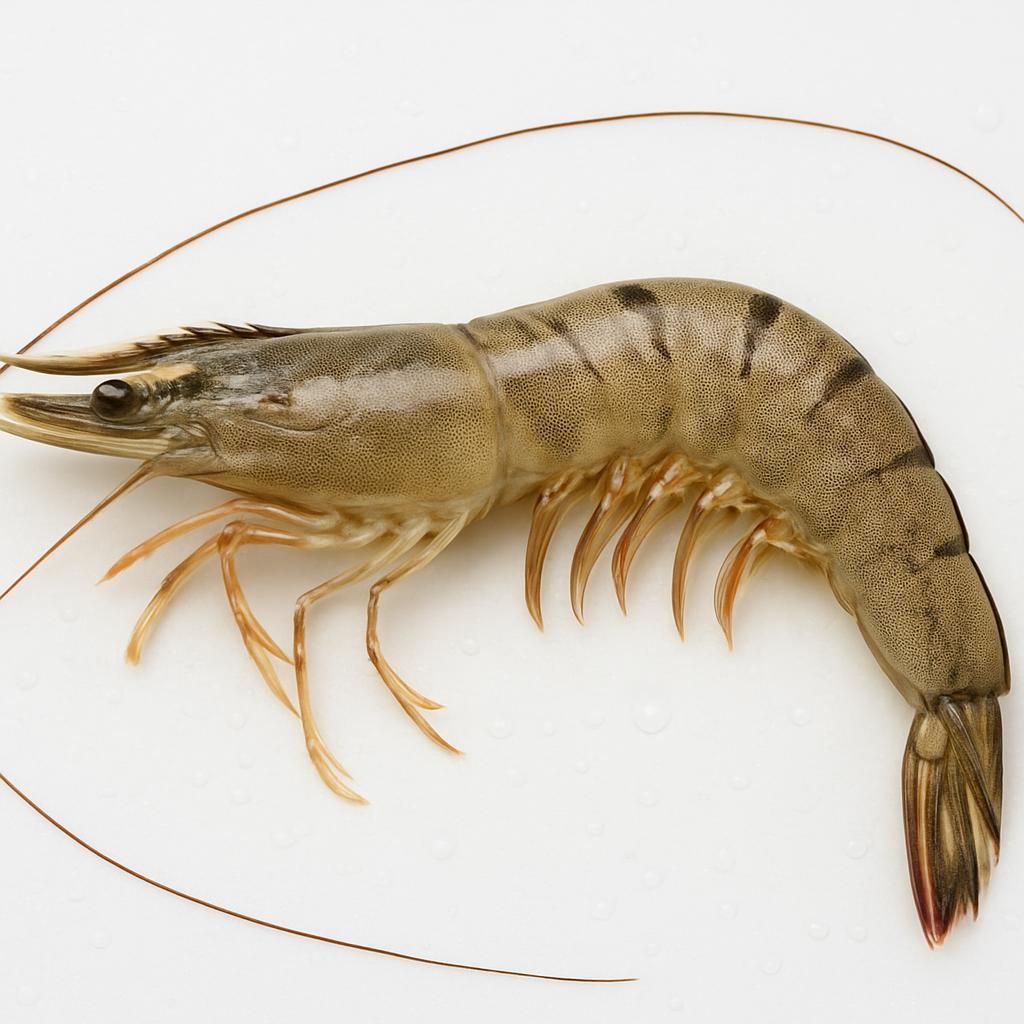
shrimp
Shrimp infestations in agriculture refer to the accidental introduction of marine shrimp into freshwater irrigation systems, hydroponic setups, and coastal-adjacent fields where they can damage young seedlings and alter water quality. This guide provides professional diagnostic criteria, lifecycle details, and integrated management strategies for growers facing this unusual but disruptive pest. Emphasis is placed on practical, organic-compatible methods that protect crop health while minimizing environmental impact.
View Profile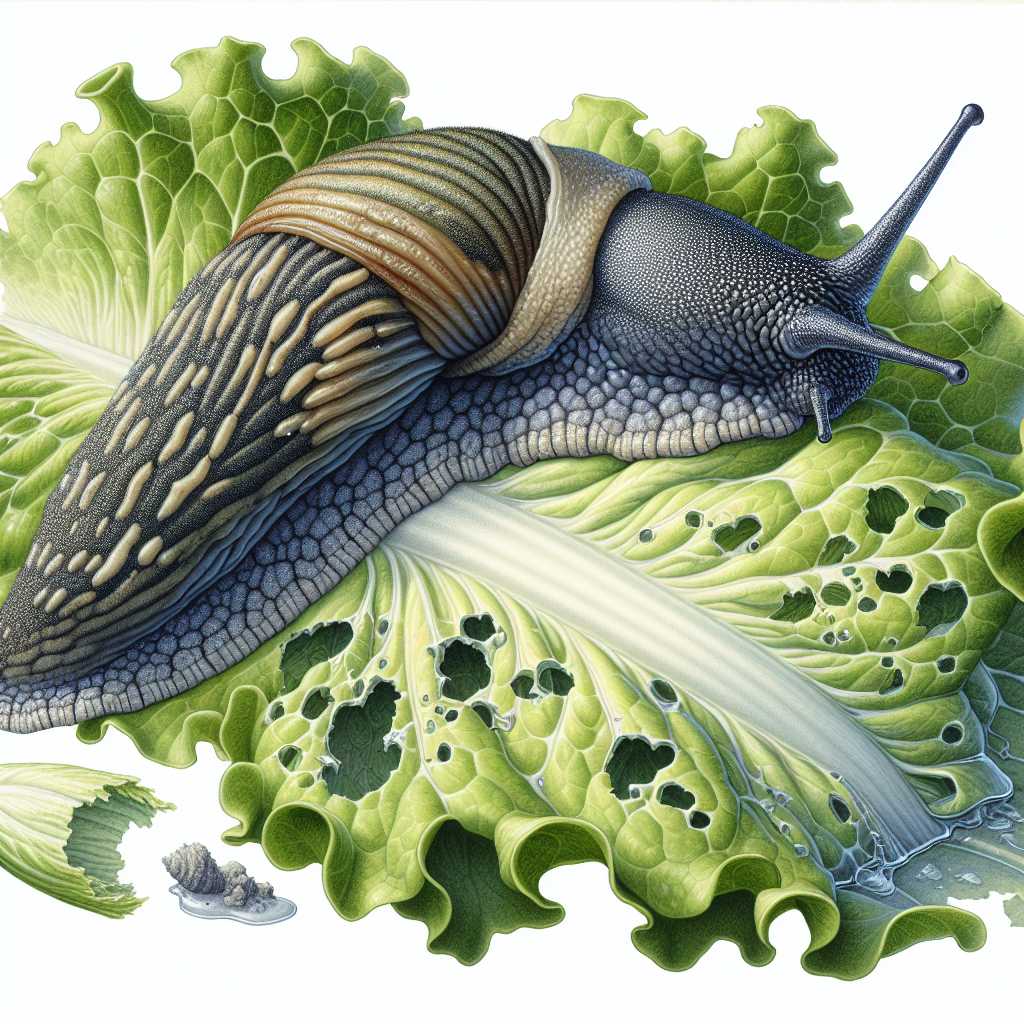
Slugs
Slugs are soft-bodied mollusks that devastate crops by chewing irregular holes in leaves, stems, and fruits, thriving in moist environments worldwide. This guide provides definitive diagnostics, lifecycle insights, organic management strategies, and prevention tactics for farmers battling slug infestations. Protect your yields with proven agricultural expertise tailored for small farms and gardens.
View Profile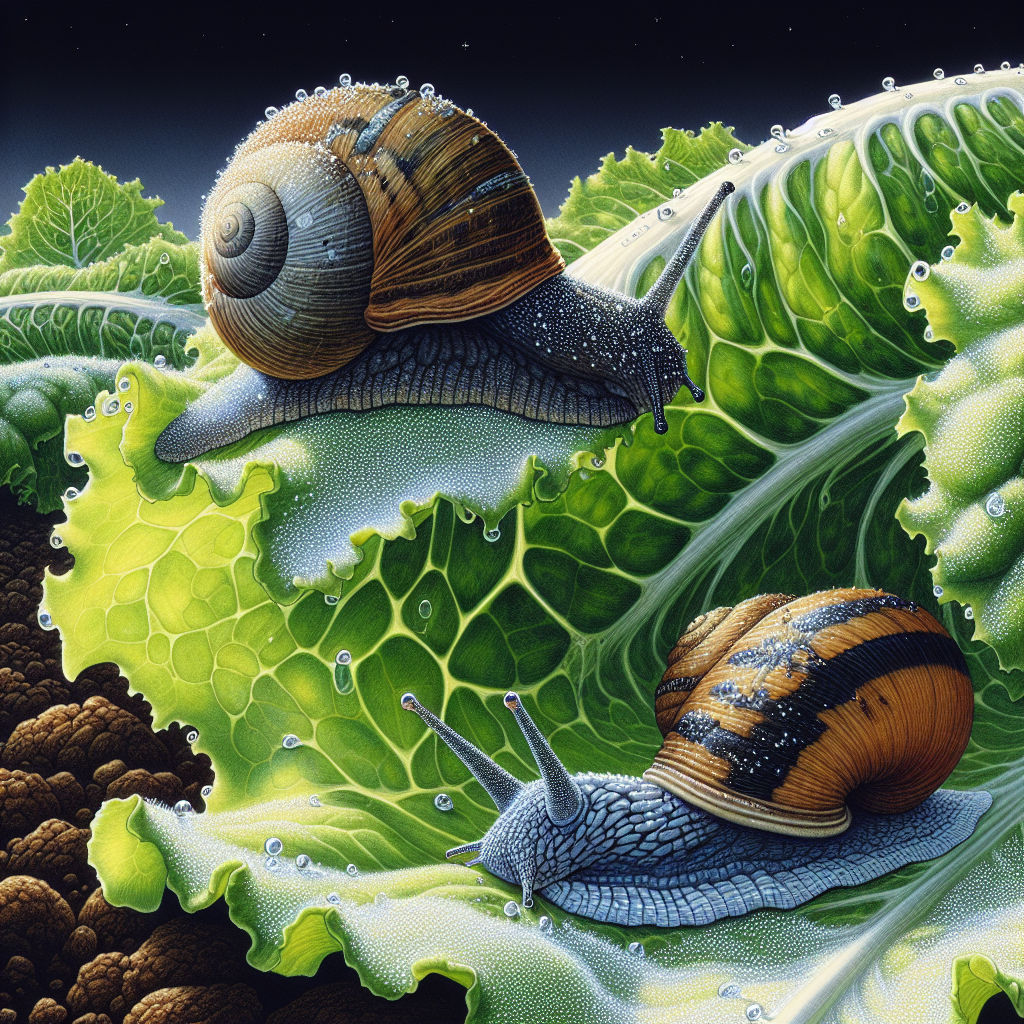
Slugs and snails
Slugs and snails are voracious mollusks that devastate seedlings, leaves, and fruits in moist environments, leaving characteristic slime trails and irregular holes. This guide provides definitive identification, lifecycle insights, organic controls, and prevention strategies for farmers and gardeners. Effective management combines cultural practices, barriers, and natural predators to protect crops year-round.
View Profile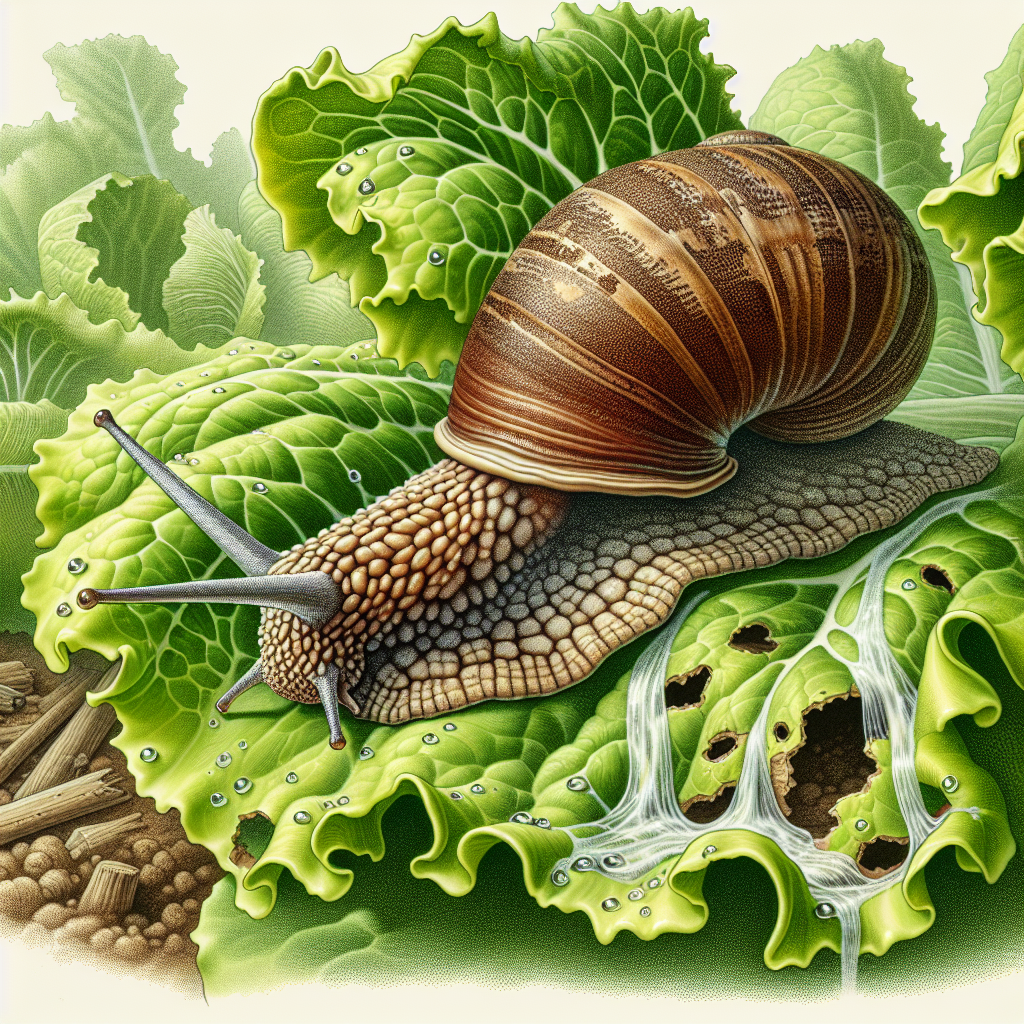
Snails
Snails are soft-bodied mollusks that devastate gardens and crops by rasping away foliage, seedlings, and fruits, thriving in moist conditions worldwide. This guide provides professional diagnostics, lifecycle insights, organic management strategies, and prevention tactics for farmers and gardeners. Effective control combines cultural practices, barriers, and natural predators to protect yields without chemicals.
View Profile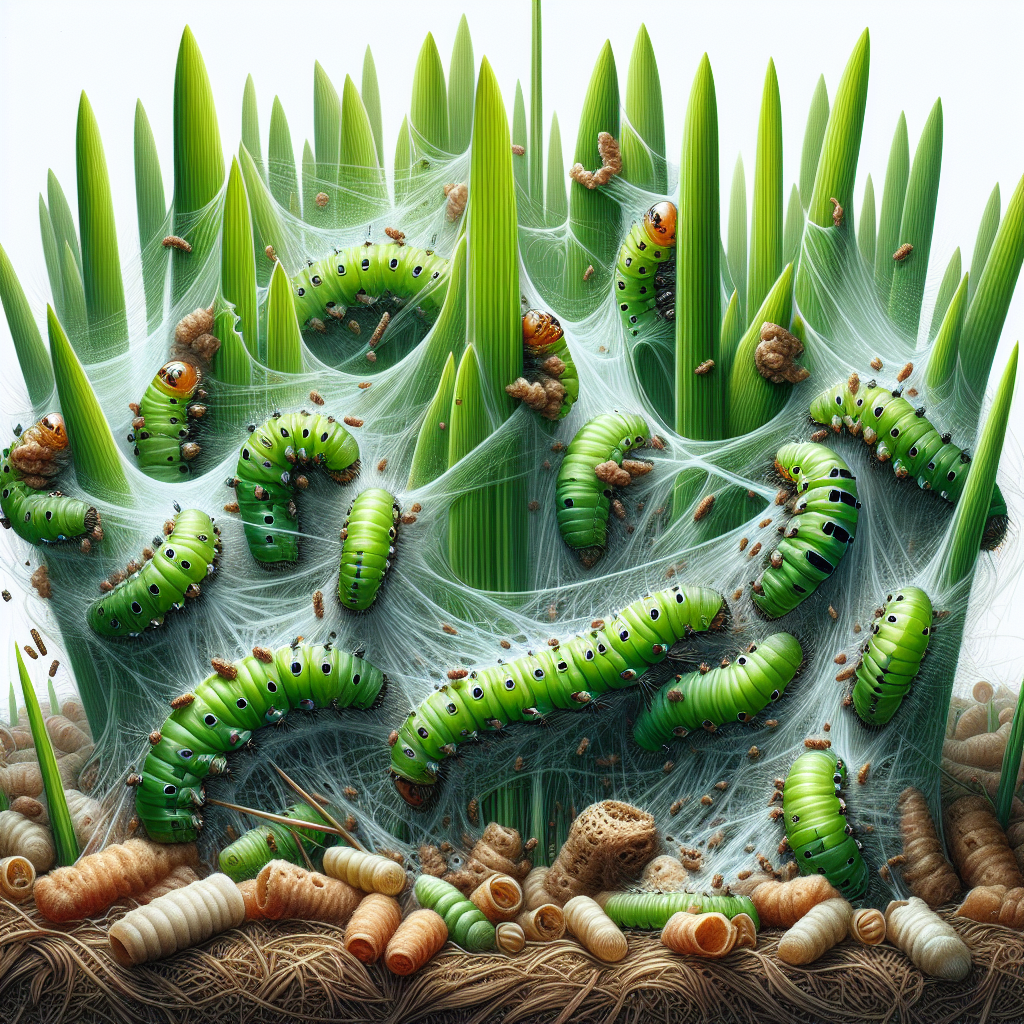
Sod webworms
Sod webworms are the larvae of small moths that devastate lawns and turf grasses by feeding on blades and crowns, causing widespread browning and thinning. This guide provides comprehensive diagnostics, lifecycle insights, organic management strategies, and prevention tactics for agricultural and turf settings. Effective control hinges on early detection and integrated organic approaches to protect [corn](/wiki/corn) and other susceptible crops.
View Profile