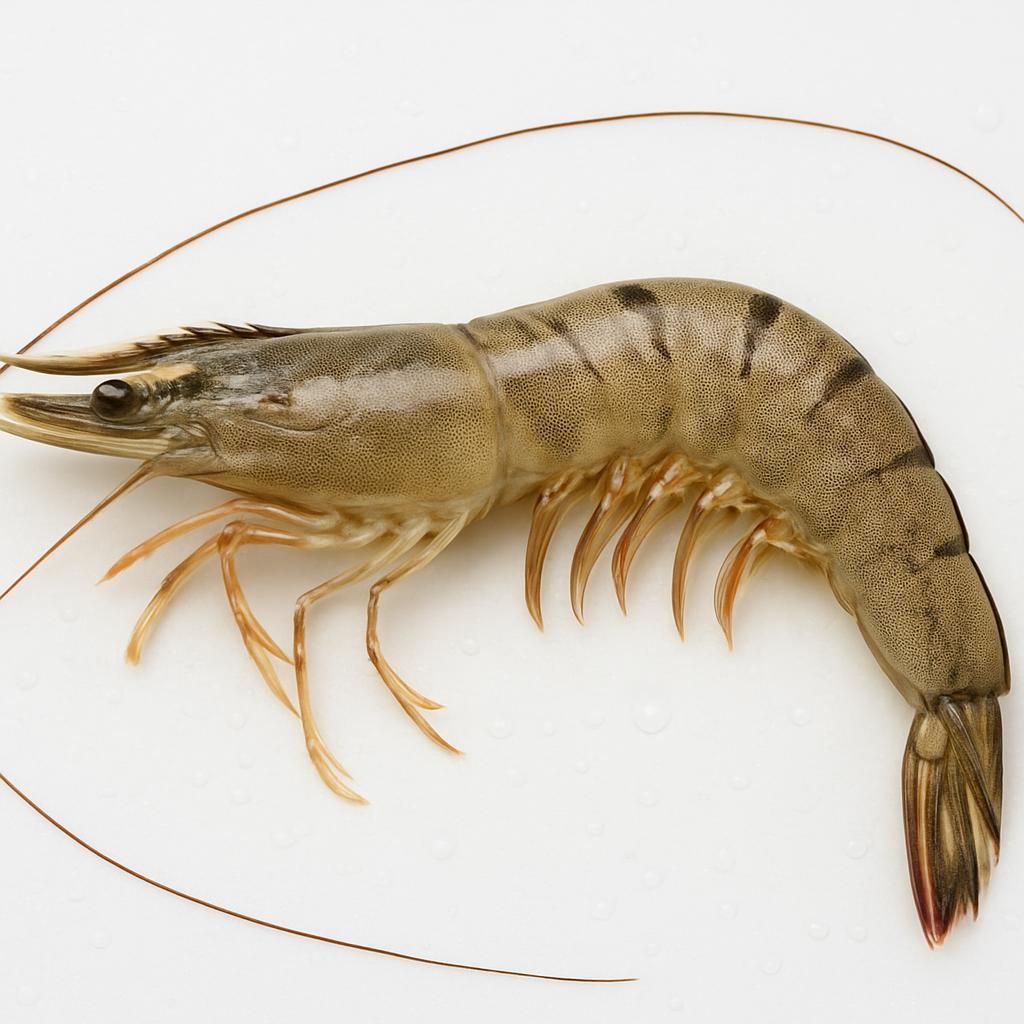
Introduction to shrimp
Shrimp, primarily marine species such as Penaeus monodon, occasionally become agricultural pests when introduced through brackish irrigation water, contaminated equipment, or flooding events near coastal farms. While not a traditional field pest, their presence in rice paddies, hydroponic channels, and greenhouse water systems can lead to seedling destruction and nutrient imbalances. Early recognition and decisive action are essential to prevent widespread crop losses.
Identifying Symptoms & Damage
Shrimp damage manifests primarily in aquatic or semi-aquatic growing systems. Seedlings exhibit ragged chewing on stems and leaves at the waterline, with visible bite marks and missing tissue. Water becomes cloudy due to suspended sediment stirred by shrimp activity, and dissolved oxygen levels drop, stressing plant roots. In severe cases, entire seedling trays or young rice stands may collapse as shrimp consume tender shoots.
Lifecycle and Progression of shrimp
The lifecycle of shrimp in agricultural settings follows distinct stages influenced by salinity, temperature, and food availability.
| Stage | Duration | Key Characteristics | Agricultural Impact |
|---|---|---|---|
| Nauplius | 1-3 days | Free-swimming larvae, microscopic | Minimal direct damage; high numbers indicate infestation source |
| Zoea | 3-7 days | Filter-feeding stage, sensitive to salinity | Introduction via irrigation water; early water quality decline |
| Mysis | 3-5 days | Active swimming, begins consuming organic matter and seedlings | Visible water disturbance and initial seedling grazing |
| Postlarva | 7-14 days | Transition to benthic lifestyle, rapid growth | Peak damage period; heavy feeding on young crops |
| Juvenile/Adult | 30+ days | Full size, reproductive capability | Sustained crop damage and potential reproduction in suitable conditions |
Environmental Triggers & Risk Factors
Shrimp establishment is favored by specific environmental conditions that growers can monitor.
| Factor | Optimal Range for Shrimp | Risk Level |
|---|---|---|
| Water Salinity | 15-35 ppt | High |
| Temperature | 25-32°C | High |
| pH | 7.5-8.5 | Moderate |
| Dissolved Oxygen | >4 mg/L | Low |
| Organic Matter | Abundant detritus | High |
Coastal proximity, use of estuarine water sources, and poor filtration increase risk significantly.
Organic Control & Treatment Plans
Effective management combines physical exclusion, biological agents, and cultural practices.
| Treatment Option | Application Method | Frequency | Notes |
|---|---|---|---|
| Fine-mesh screens (200 micron) | Install at all water inlets | Permanent | Prevents postlarvae entry; inspect weekly |
| Predatory fish (e.g., tilapia) | Stock at 2-3 fish per 10 m² | One-time introduction, monitor | Consume shrimp postlarvae and juveniles |
| Neem-based water treatments | Dilute 1:1000 and circulate | Every 7-10 days during risk periods | Disrupts molting; safe for most crops |
| Manual removal | Hand netting or traps | Daily during outbreaks | Effective for small systems; labor intensive |
| Salt flushing (temporary) | Raise salinity to 10 ppt for 48 hours | As needed | Kills marine shrimp while many crops tolerate brief exposure |
Preventing shrimp in the Future
Prevention focuses on source control and system design. Use only freshwater or properly treated sources for irrigation. Install and maintain fine filtration at all intakes. Design growing systems with elevated beds or hydroponic channels that minimize standing water accessible to shrimp. Regular monitoring of water quality parameters allows early detection before populations establish. Crop rotation away from water-intensive species during high-risk seasons further reduces vulnerability.
Crops Most Affected by shrimp
Crops grown in flooded or recirculating water systems suffer the greatest impact. Rice and Basmati Rice are particularly susceptible in paddy environments. Tomato and Cherry Tomato seedlings in hydroponic systems can be rapidly defoliated. Lettuce and Cucumber in NFT channels experience root damage and stunted growth. Coastal farms growing Coconut and Banana near brackish sources should also monitor irrigation systems closely.
For additional context on water management challenges, see The Truth About Weather Patterns and Small Farm Resilience.