Encyclopedia
Definitive guides for crops, pests, and agricultural diseases.
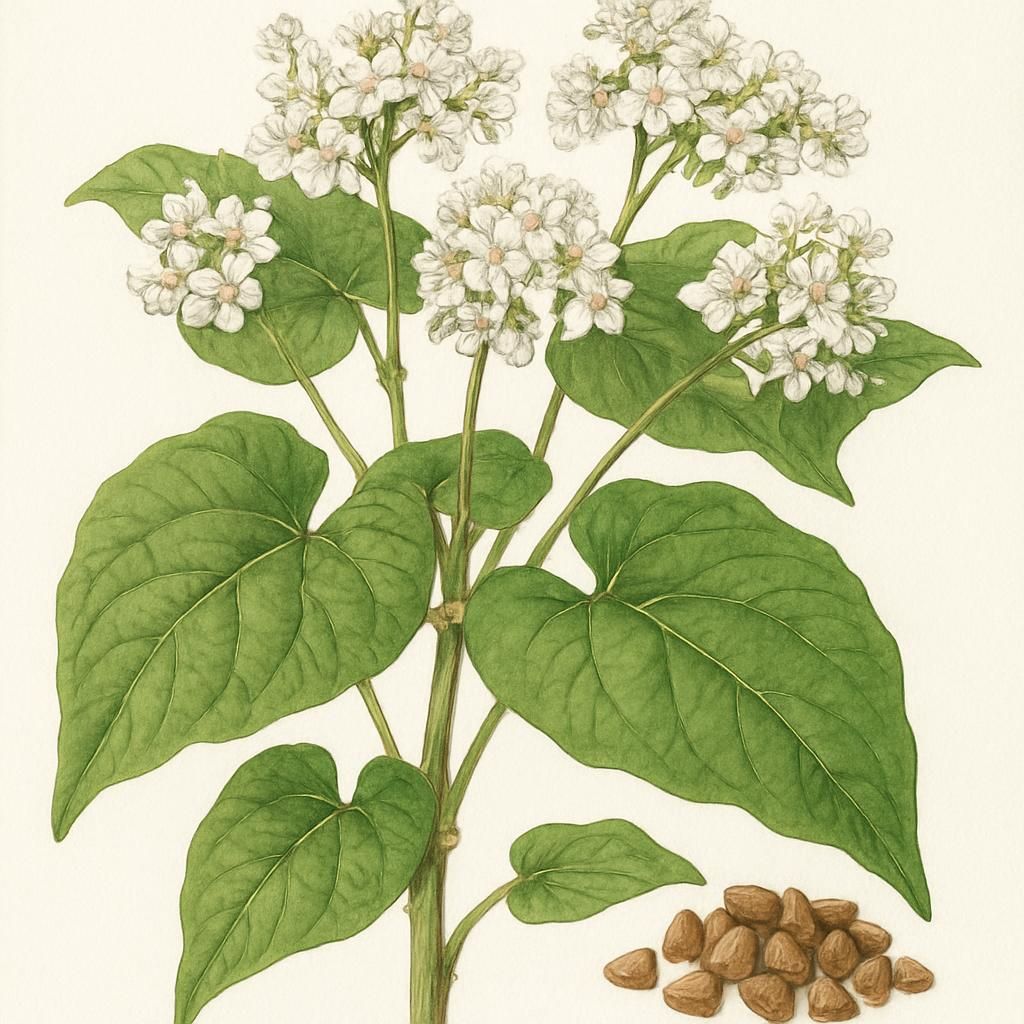
Buckwheat (Manisoba)
Buckwheat, known scientifically as Fagopyrum esculentum, is a fast-growing pseudocereal valued for its nutrient-rich seeds and versatility in crop rotation. Popular in sustainable and organic farming, it thrives in diverse climates and improves soil health.
View Guide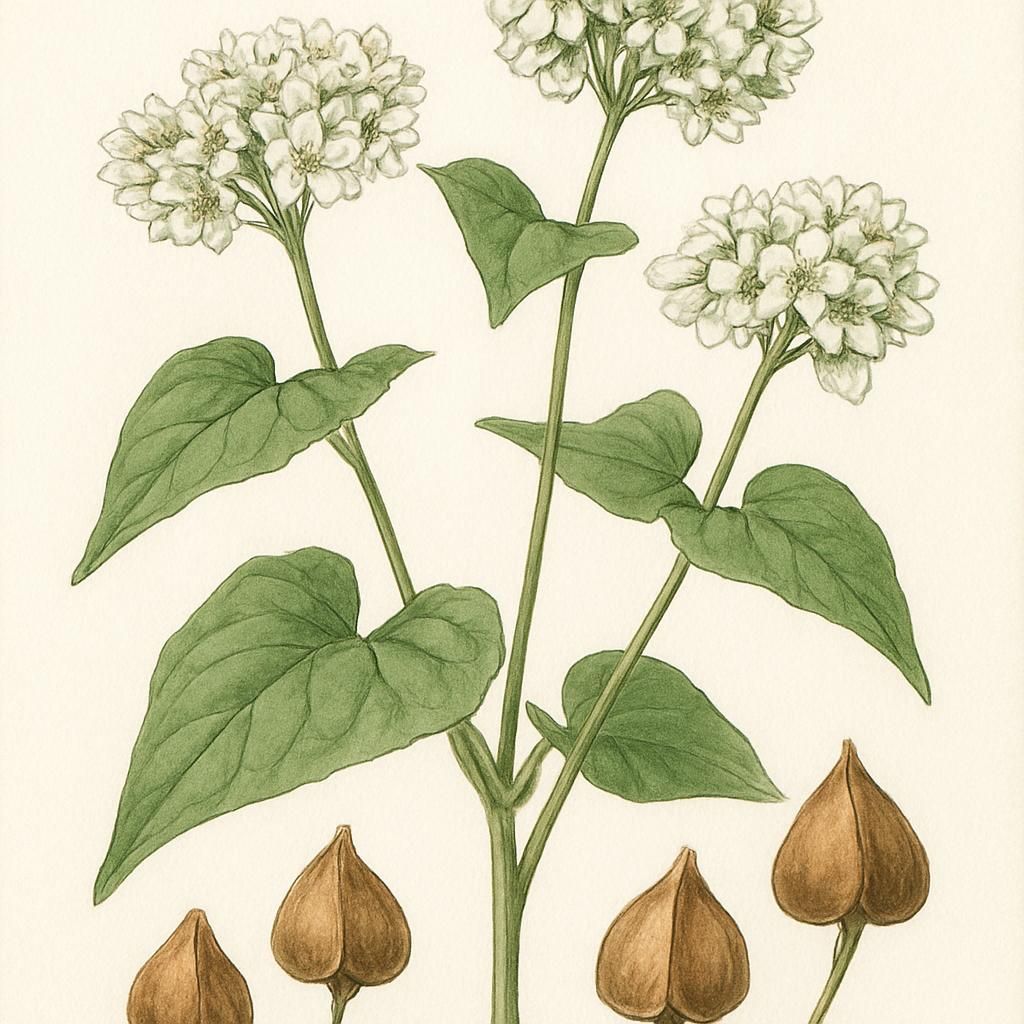
Buckwheat (Silverhull)
Buckwheat (Silverhull) is a fast-growing pseudocereal notable for its ability to thrive in challenging soils. Known for its rapid maturation and usefulness as a cover crop, it is an excellent choice for soil conservation and organic pest management.
View Guide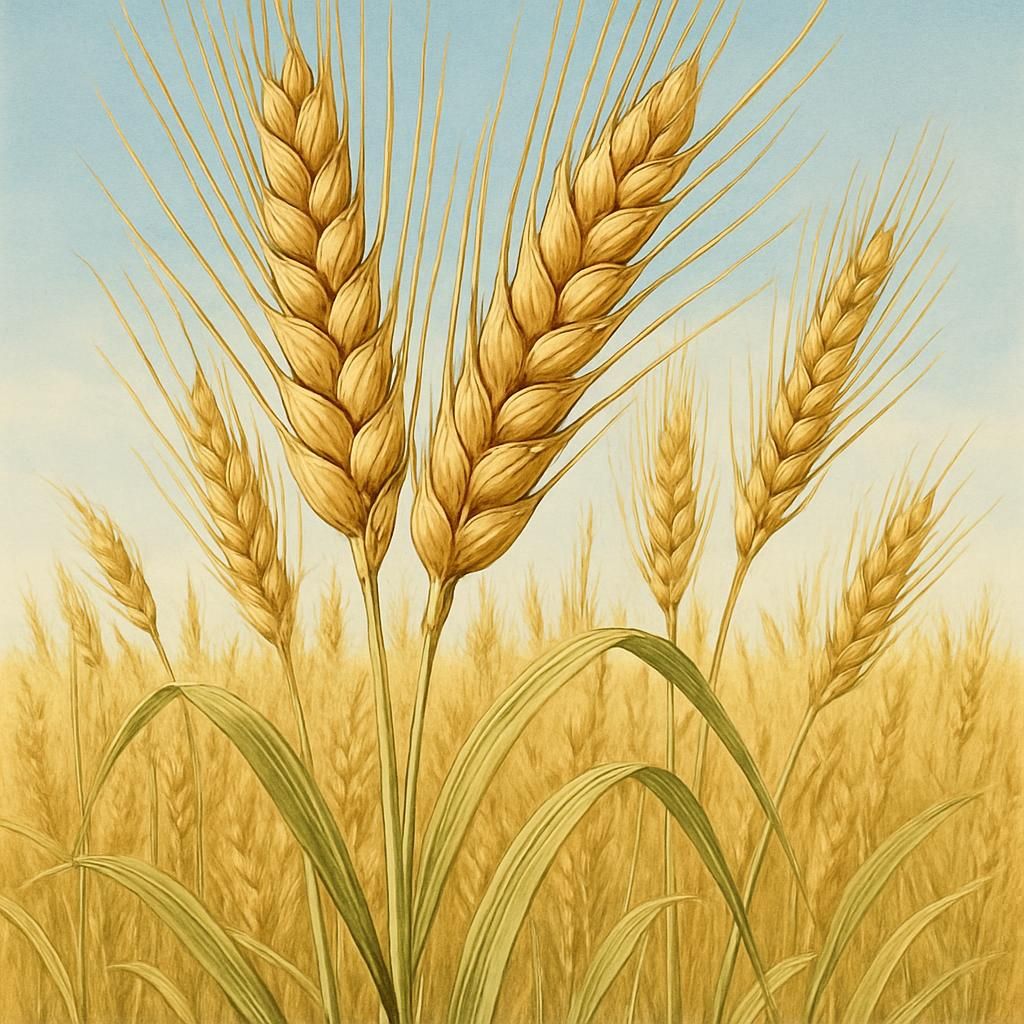
Bulgur (Coarse)
Bulgur (coarse) is a type of whole grain made from cracked wheat, primarily from wheat species like Triticum durum. Known for its nutty flavor and quick cooking time, it is a staple in Middle Eastern cuisine.
View Guide
Bulrush
Bulrush (Typha latifolia) is a versatile wetland perennial valued for its edible rhizomes, pollen, and fiber, thriving in saturated soils and serving as a sustainable crop for marginal lands.
View Guide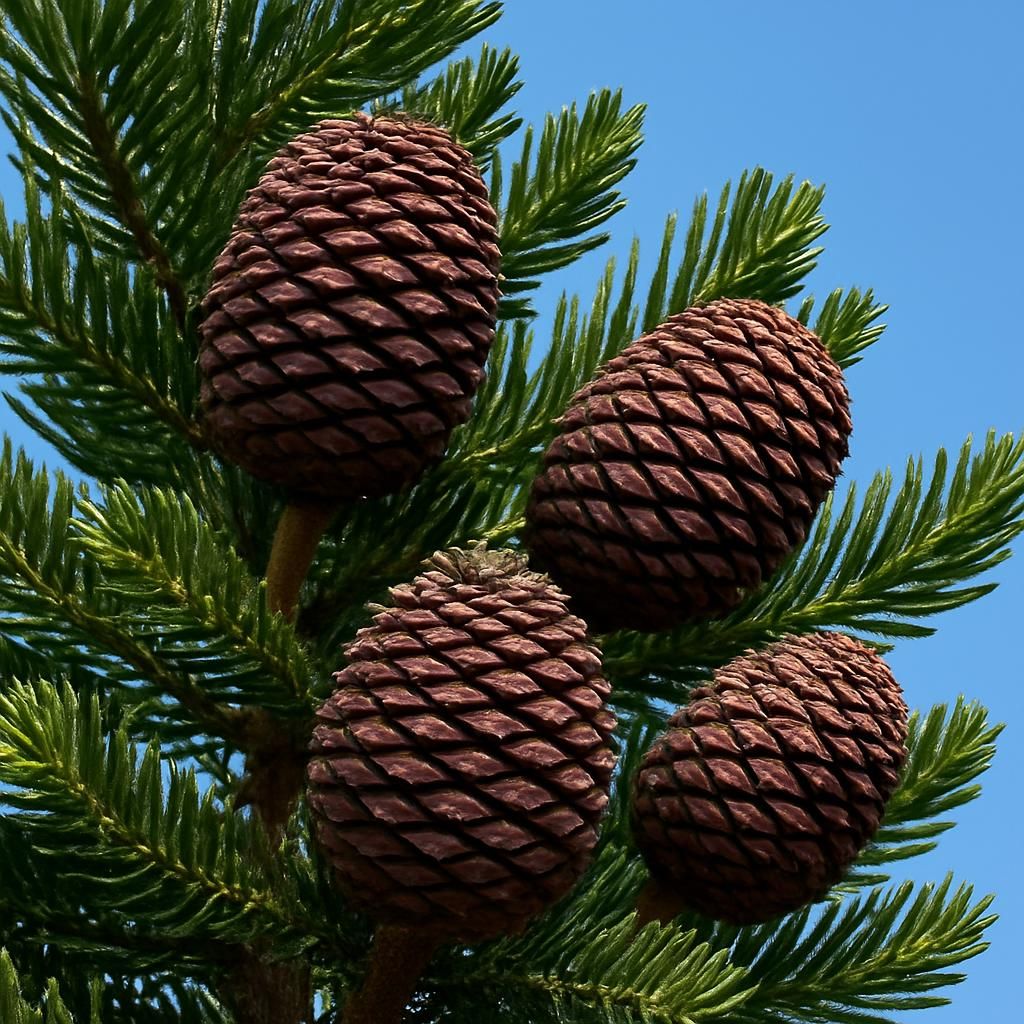
Bunya Nut (Araucaria bidwillii)
Bunya Nut is a majestic, ancient conifer native to subtropical Australia, prized for its massive edible seeds and valuable timber. This long-lived tree requires patience but rewards growers with nutritious nuts and a striking landscape specimen. Successful cultivation demands well-drained soils, ample space, and decades of consistent care.
View Guide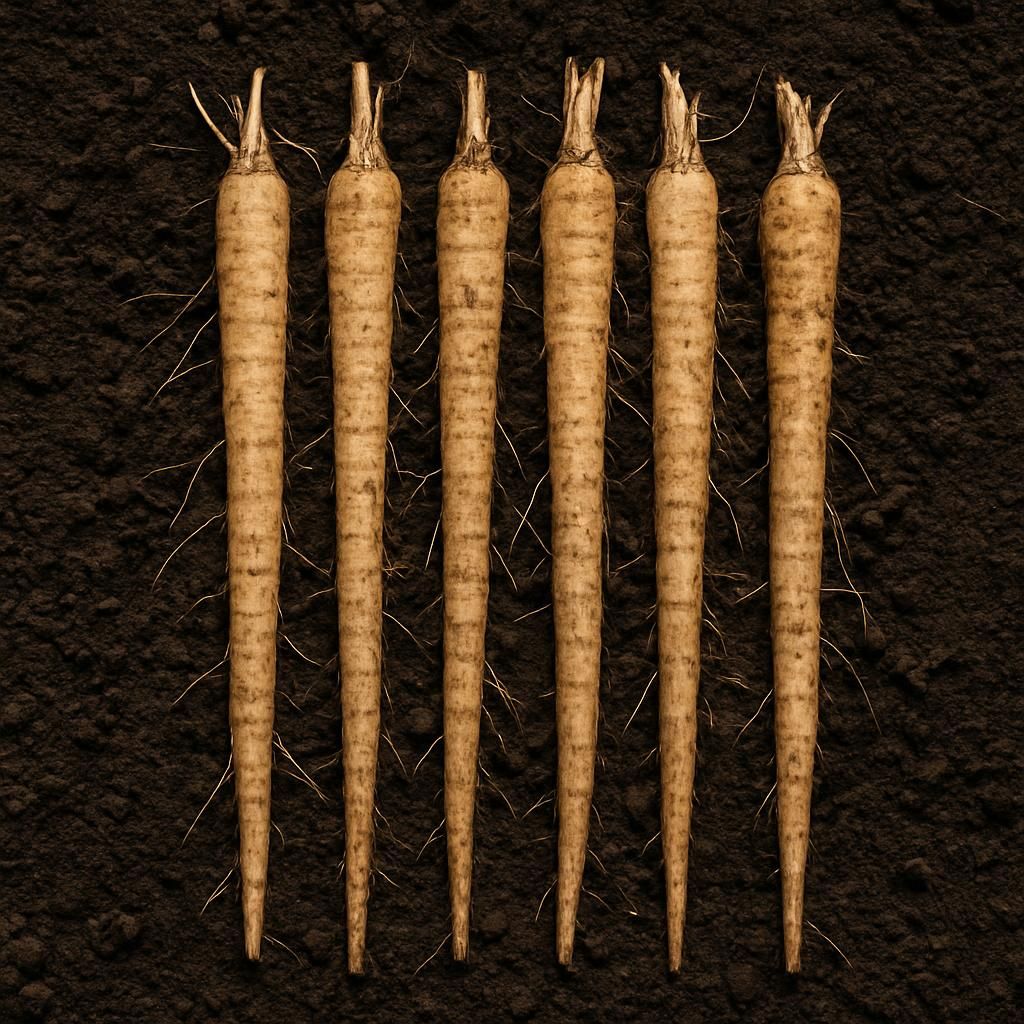
Burdock (Gobo - Takinogawa)
Burdock (Gobo - Takinogawa) is a long-rooted biennial grown primarily for its edible taproot, prized in Japanese cuisine for its crisp texture and earthy flavor. This comprehensive guide covers soil preparation, planting, care, pest management, harvesting, and storage techniques for high-quality commercial and home production.
View Guide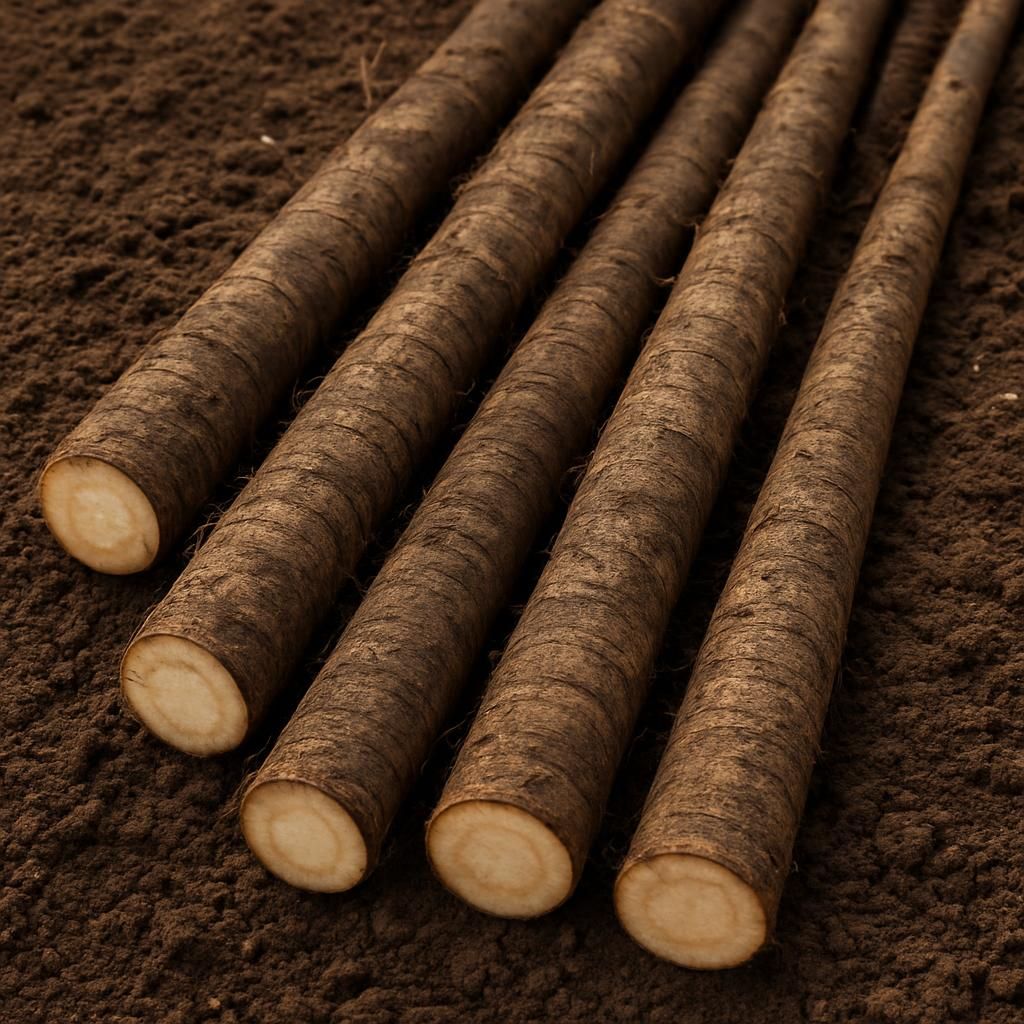
Burdock (Gobo - Watanabe Early)
Watanabe Early is a fast-maturing Japanese burdock cultivar prized for its long, straight, tender roots used in stir-fries, soups, and pickles. This cool-season root crop requires deep, loose soil and consistent moisture for optimal root quality and length.
View Guide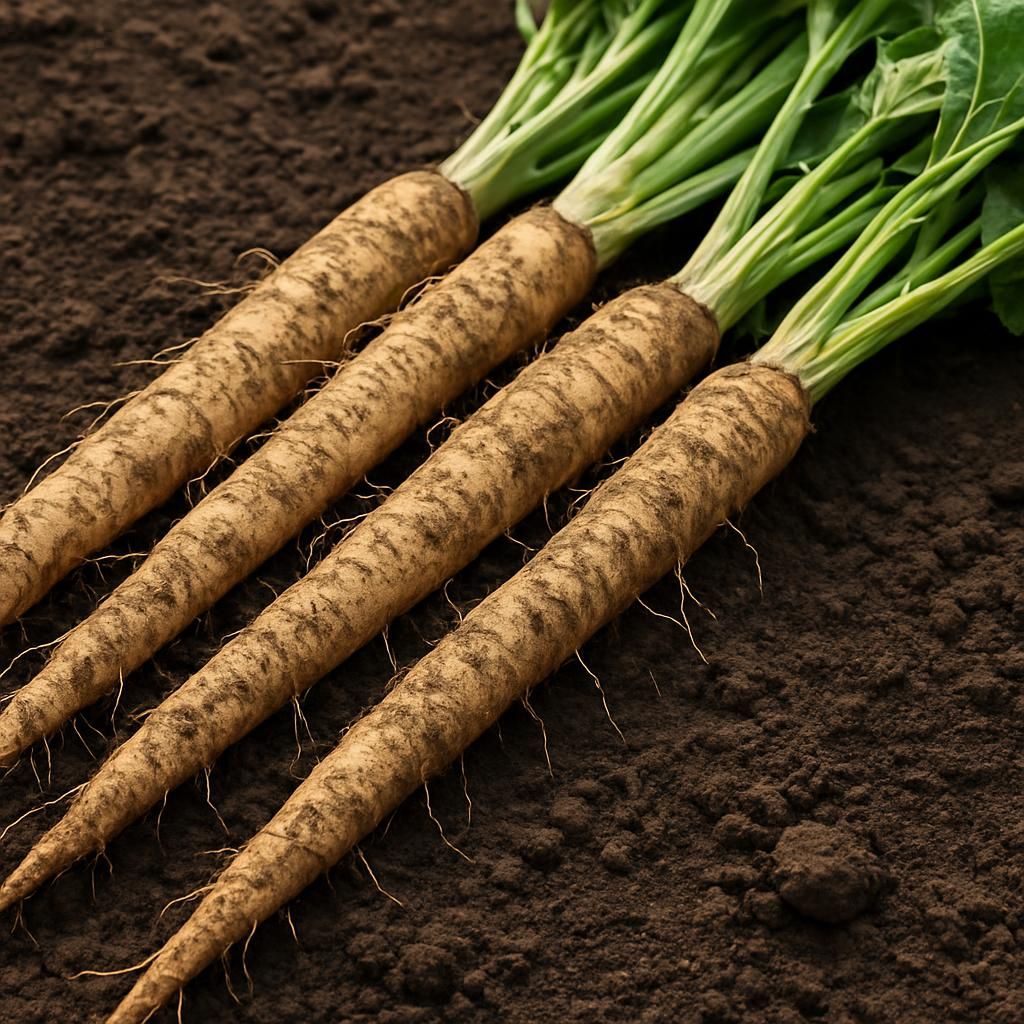
Burdock Root (Dried)
Burdock root (Arctium lappa) is a deep-taprooted biennial valued for its long, slender roots that are harvested, sliced, and dried for culinary and medicinal markets. This professional growing guide covers complete soil, climate, planting, care, pest, harvest, and companion strategies for commercial and serious home production of dried burdock root.
View Guide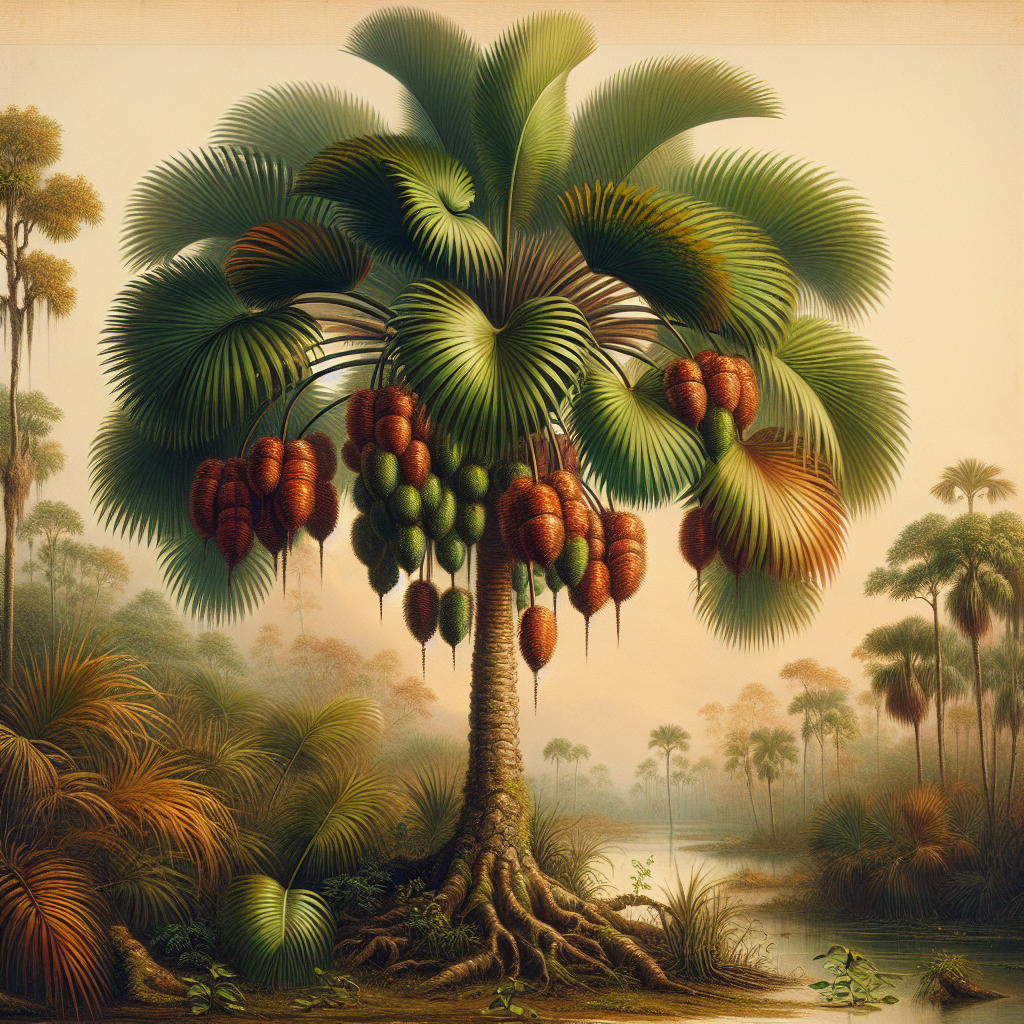
Buriti (Mauritia flexuosa)
Buriti, also known as Mauritia flexuosa, is a majestic palm tree native to the Amazon rainforest, prized for its versatile fruit and ecological importance. This towering palm thrives in wetland environments and offers a wealth of resources, from edible pulp to materials for crafts. Growing Buriti requires specific tropical conditions, but it can be a rewarding endeavor for sustainable agriculture in suitable regions.
View Guide
Burmese Grape (Mafai)
Burmese Grape, known as Mafai, is a tropical evergreen tree prized for its juicy, sweet-sour fruits that thrive in humid, monsoon climates. This comprehensive guide covers everything from propagation to pest management, helping growers achieve bountiful harvests of this underutilized Southeast Asian gem. Ideal for home orchards and small farms seeking exotic, high-value crops.
View Guide
Burro Banana
Burro banana is a stout, angular dessert-cooking banana valued for its firm texture, distinctive lemony sweetness, and excellent versatility at different ripeness stages. Compared with softer Cavendish types, Burro plants produce shorter, thicker fruits and can tolerate brief cool spells better, though they still require frost-free tropical to subtropical conditions for reliable production.
View Guide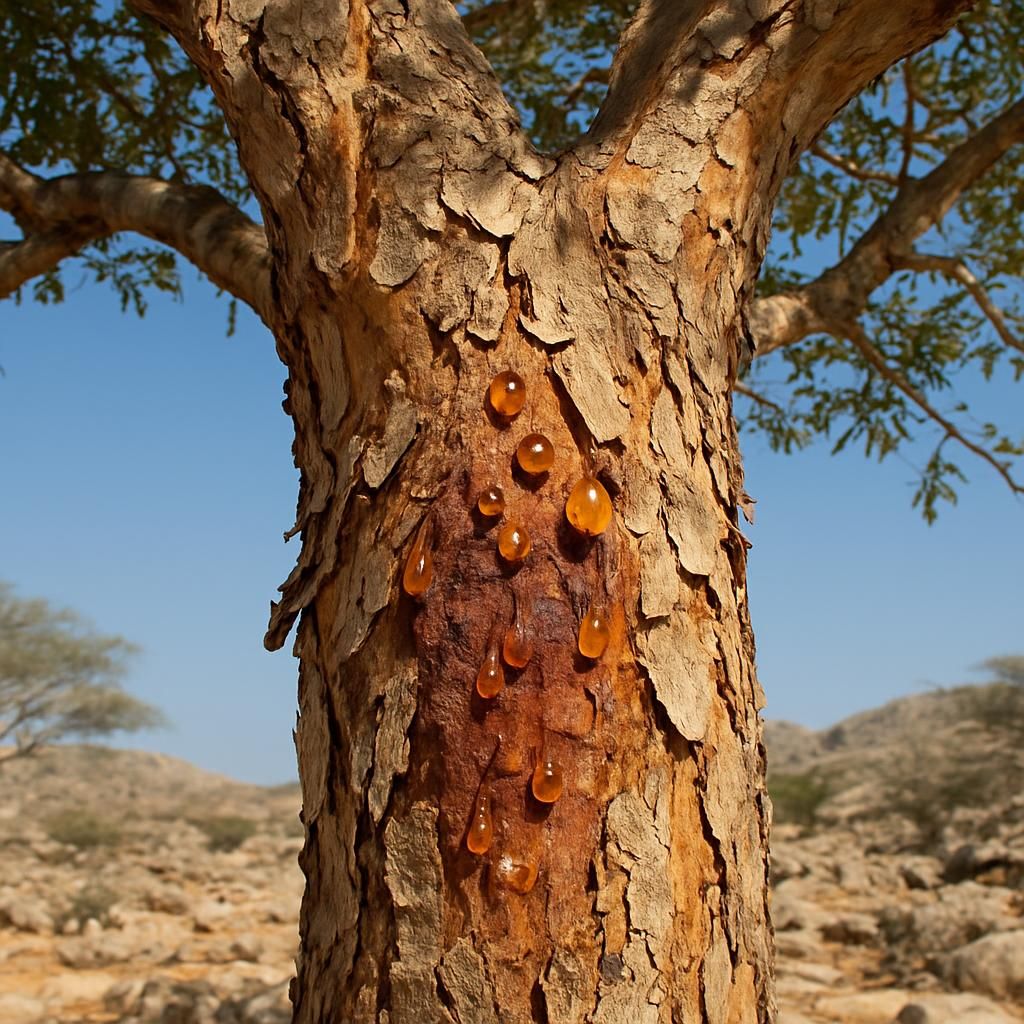
Burseraceae
Burseraceae is a tropical family of resinous trees and shrubs that includes frankincense, myrrh, and several economically important species prized for aromatic resins, timber, and medicinal uses. This comprehensive guide covers all aspects of cultivation from soil and climate to harvesting and storage.
View Guide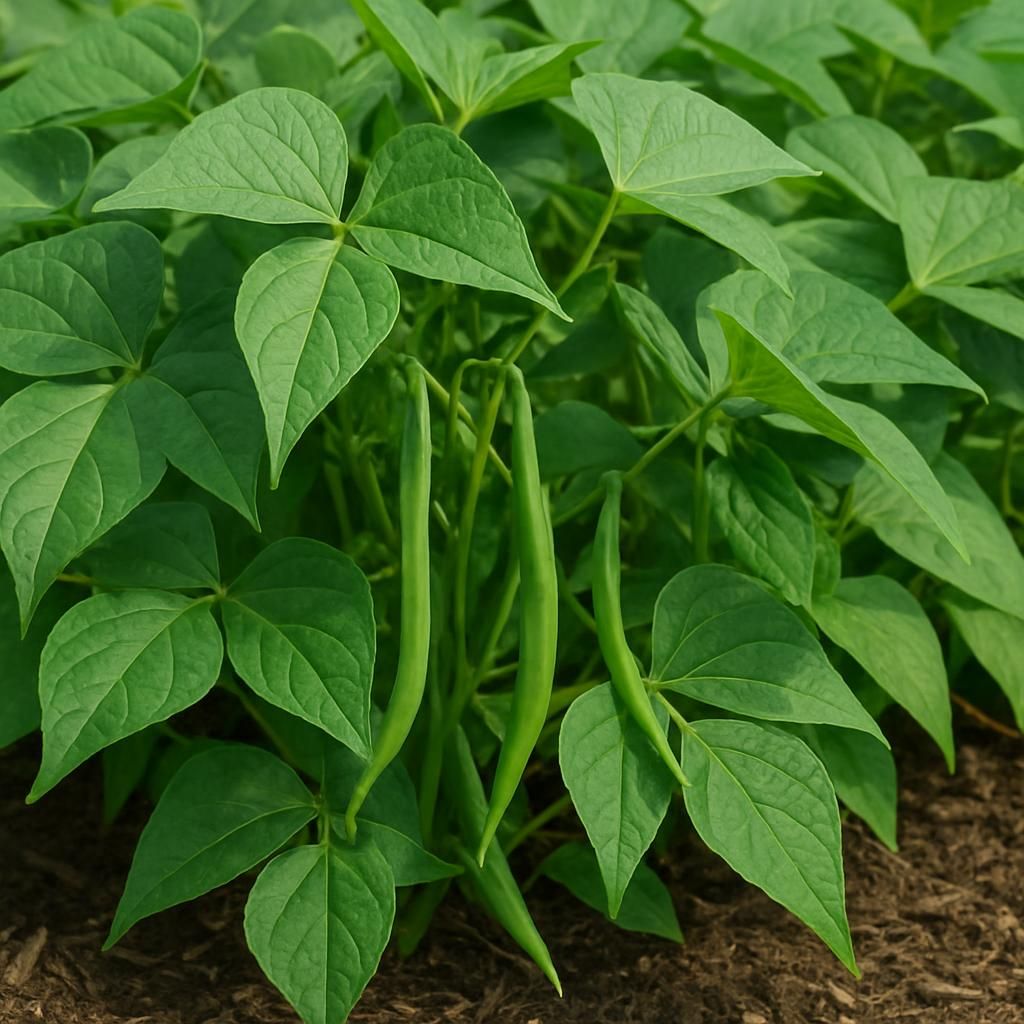
Bush Bean
Bush beans are compact, determinate legumes prized for their rapid maturation and high yields in home and commercial gardens. They fix atmospheric nitrogen, improving soil fertility while producing crisp, edible pods in 50–65 days. This guide covers every stage from soil preparation through harvest and storage for reliable, flavorful crops.
View Guide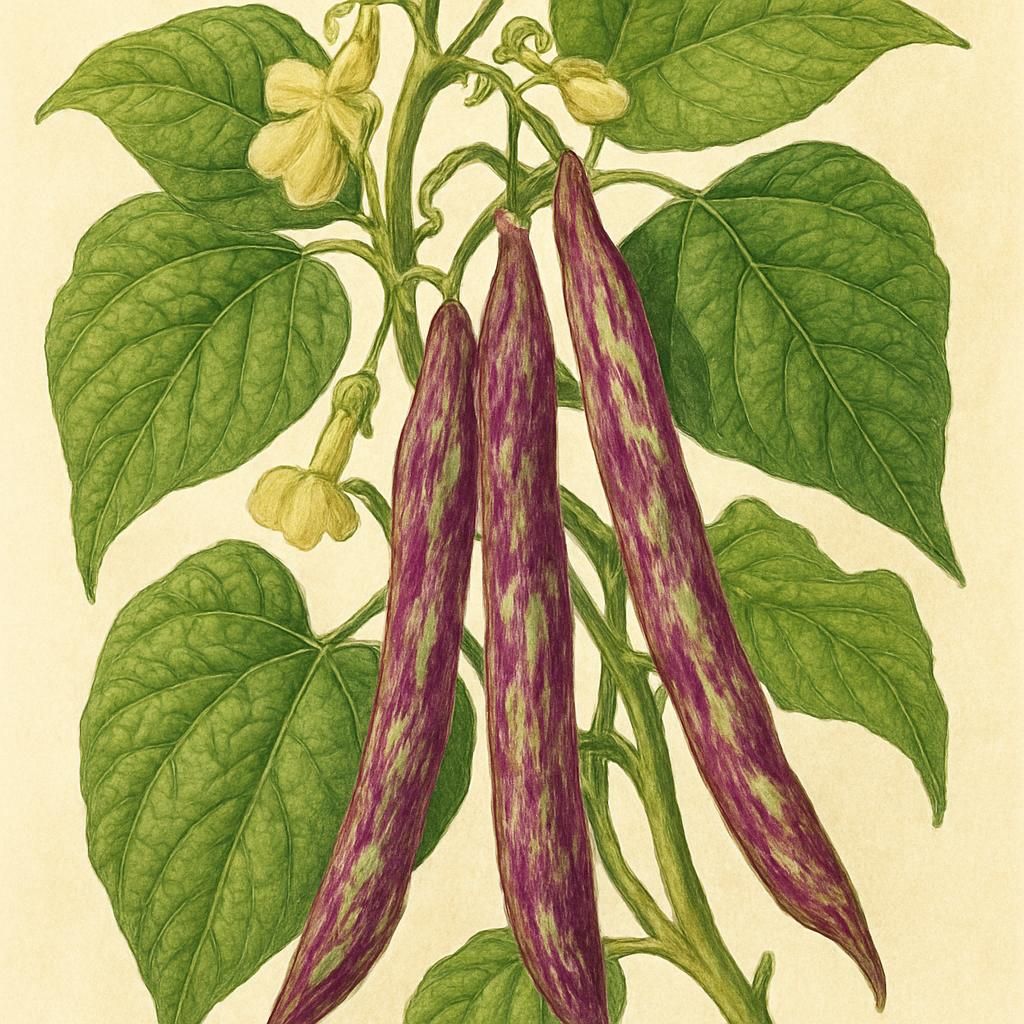
Bush Bean (Dragon’s Tongue)
Bush Bean (Dragon’s Tongue) is a unique and colorful heirloom bean variety known for its striking purple-streaked pods. Highly valued for its visual appeal and nutritional benefits, it is a productive and easy-to-grow addition to any vegetable garden.
View Guide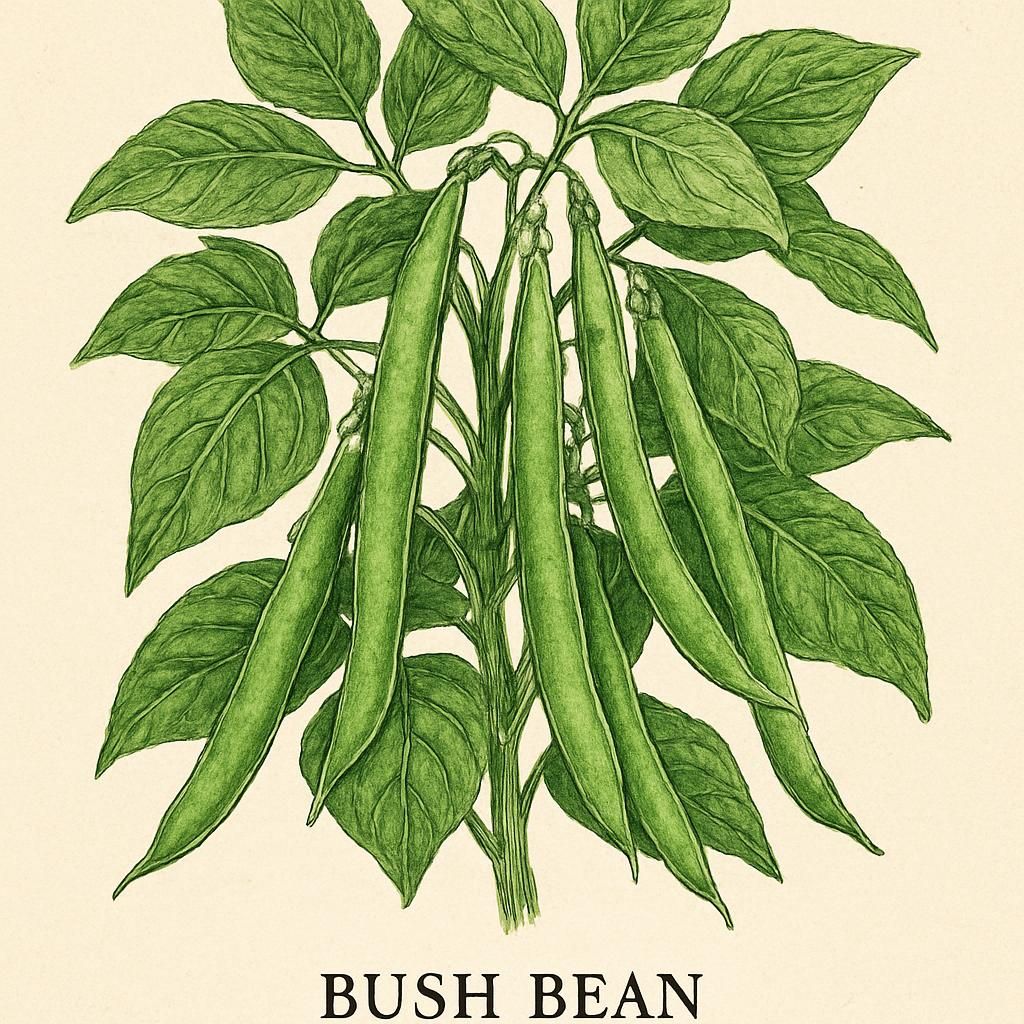
Bush Bean (Provider)
Bush Bean (Provider) is a popular, easy-to-grow bean variety known for its quick maturation and high yield. Ideal for both novice and experienced gardeners, this resilient variety performs well in various climates and soil types, making it a staple in home gardens and small farms.
View Guide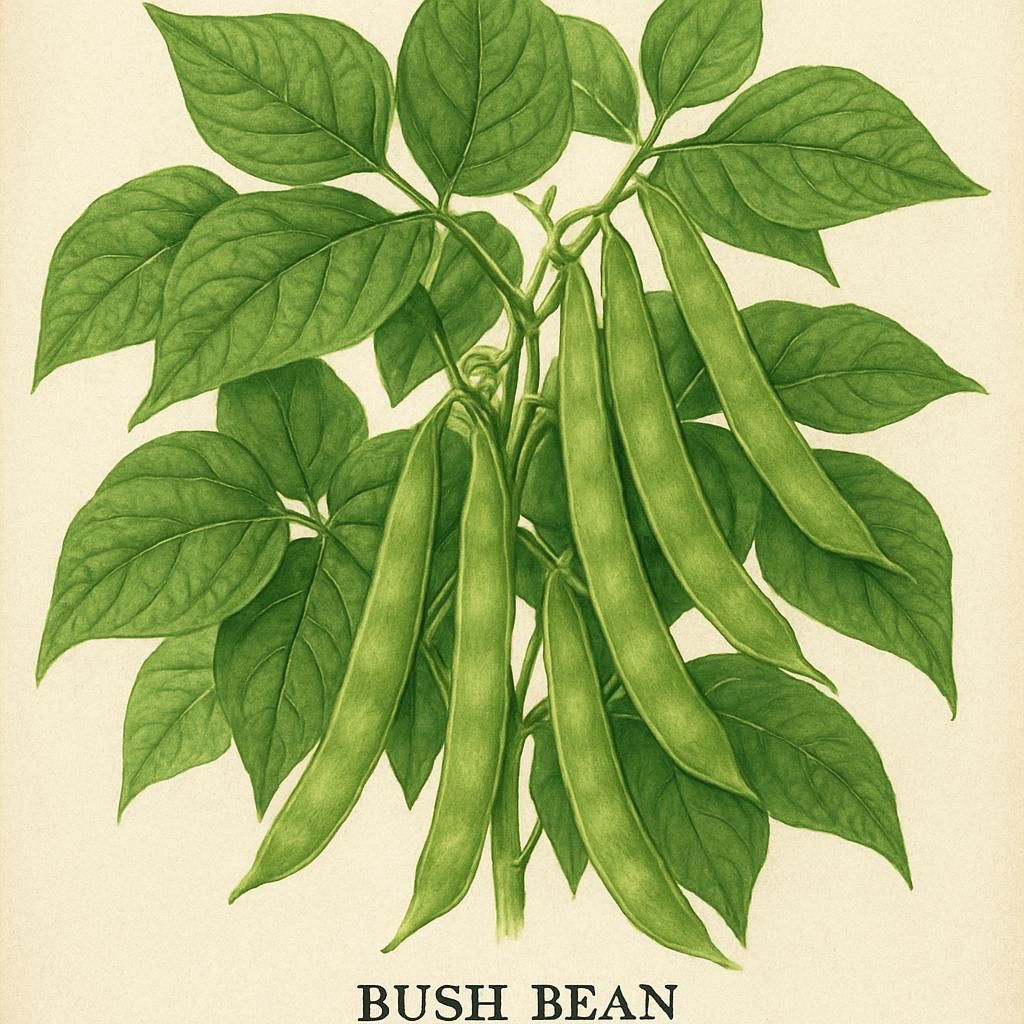
Bush Bean (Roma II)
Bush Bean (Roma II) is a flat podded, stringless bean known for its sweet, crisp flavor. It thrives in well-drained soil under full sun, making it an excellent choice for home gardens and small farms.
View Guide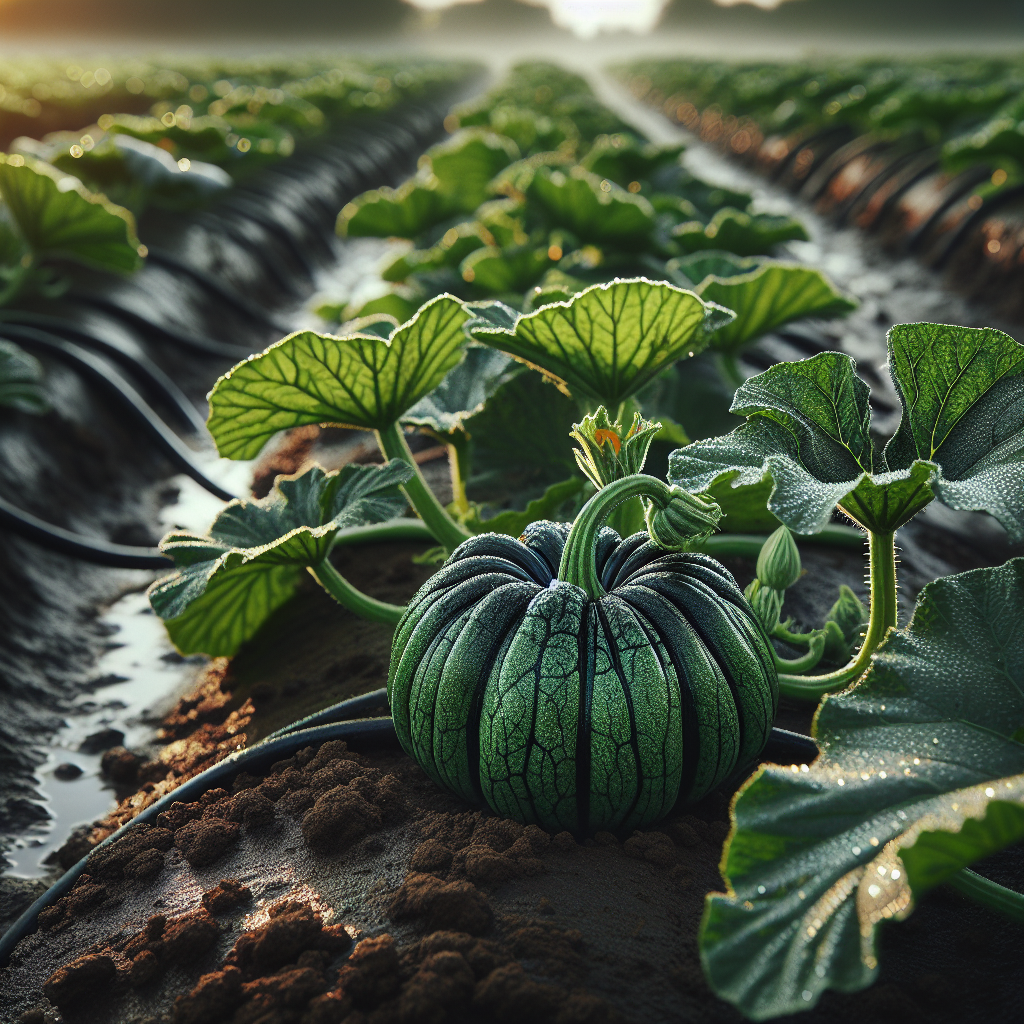
Buttercup Squash
Buttercup squash is a dense-fleshed winter squash prized for its dark green rind, flattened turban-shaped fruit, and exceptionally sweet, dry orange flesh. It is a warm-season, frost-tender cucurbit that rewards good fertility, steady moisture, and strong disease prevention with high-quality storage fruit for autumn and winter use.
View Guide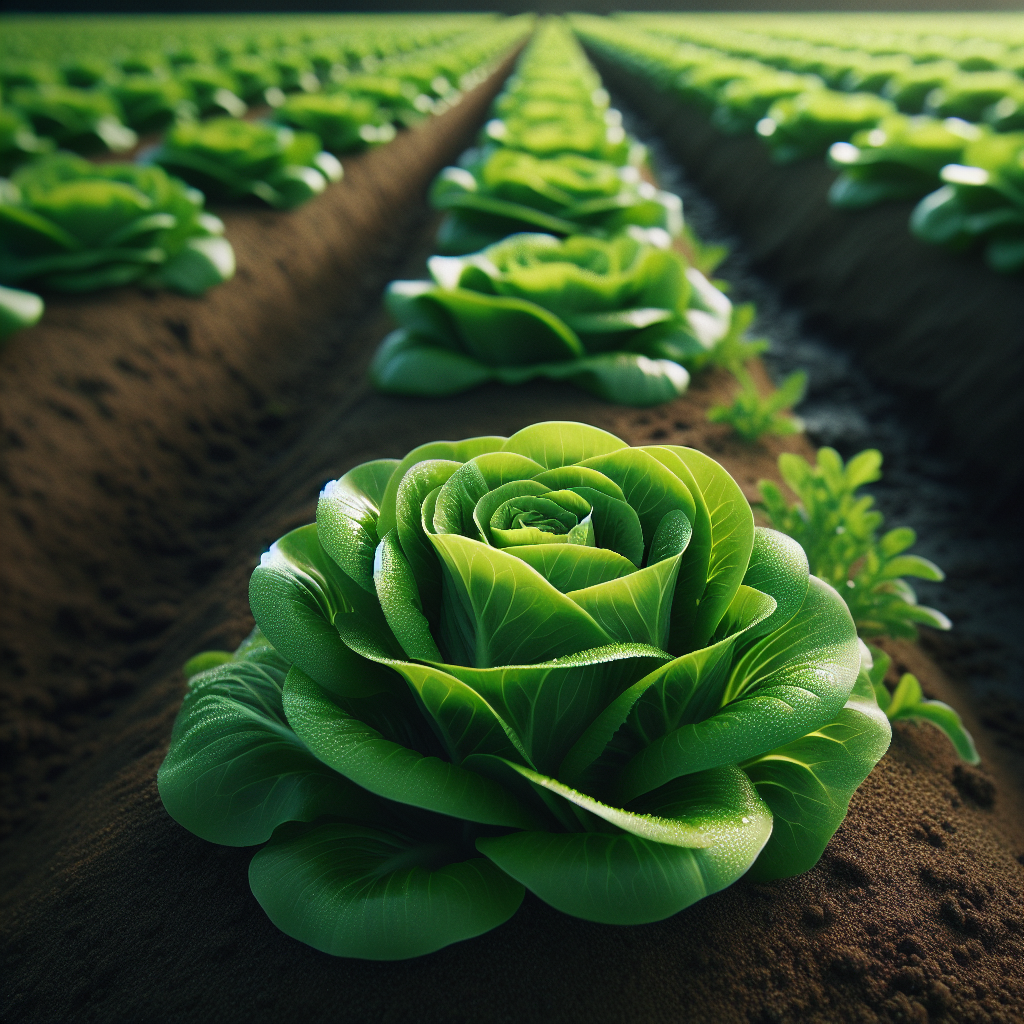
Butterhead Lettuce (Bibb)
Butterhead lettuce, especially the Bibb type, is a tender, cool-season lettuce prized for its soft, cup-shaped leaves, mild sweetness, and loose yet compact head. It performs best in fertile, moisture-retentive soil and mild temperatures, where careful water, fertility, and harvest timing produce high-quality heads with exceptional texture.
View Guide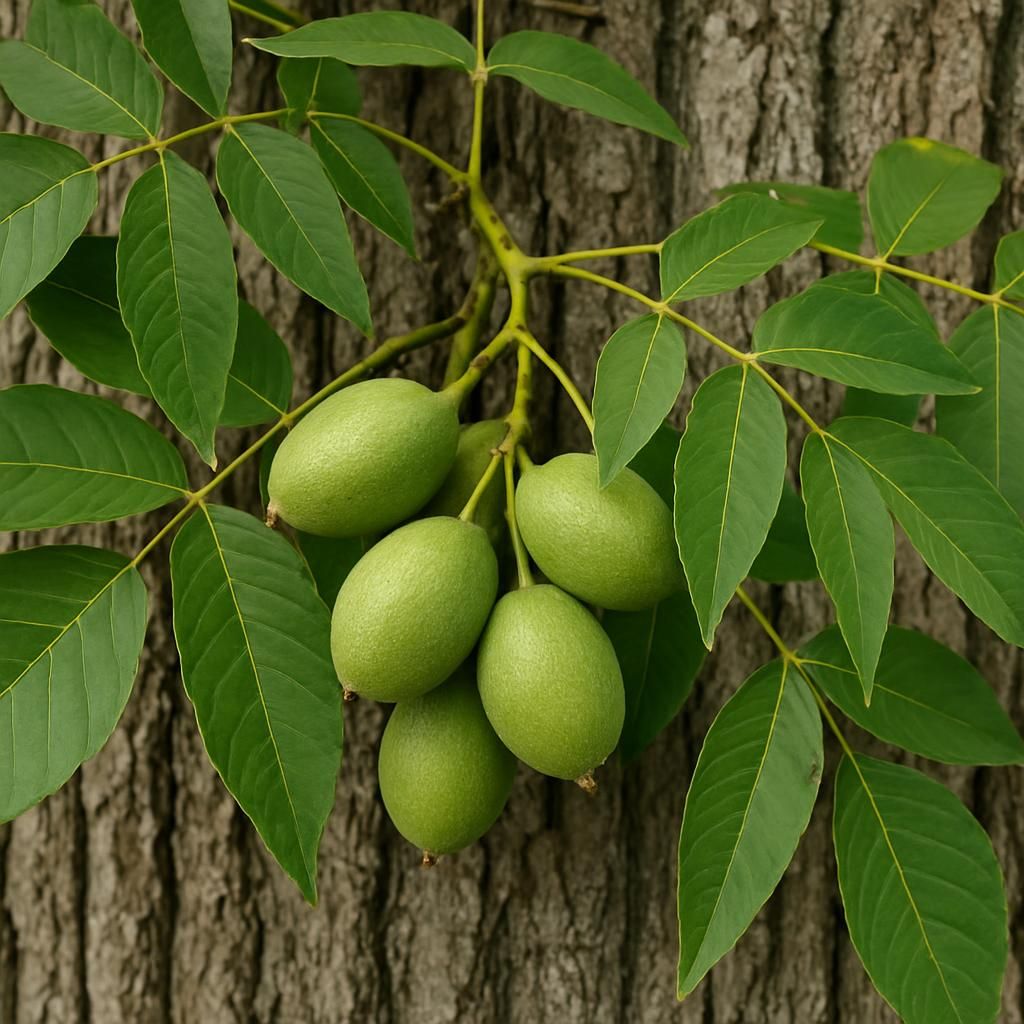
Butternut (Juglans cinerea)
Butternut (Juglans cinerea) is a native North American hardwood tree valued for its edible nuts, high-quality wood, and role in agroforestry systems. This guide covers botanical traits, ideal growing conditions, planting methods, care schedules, organic pest and disease control, harvesting protocols, and companion planting strategies for professional growers.
View Guide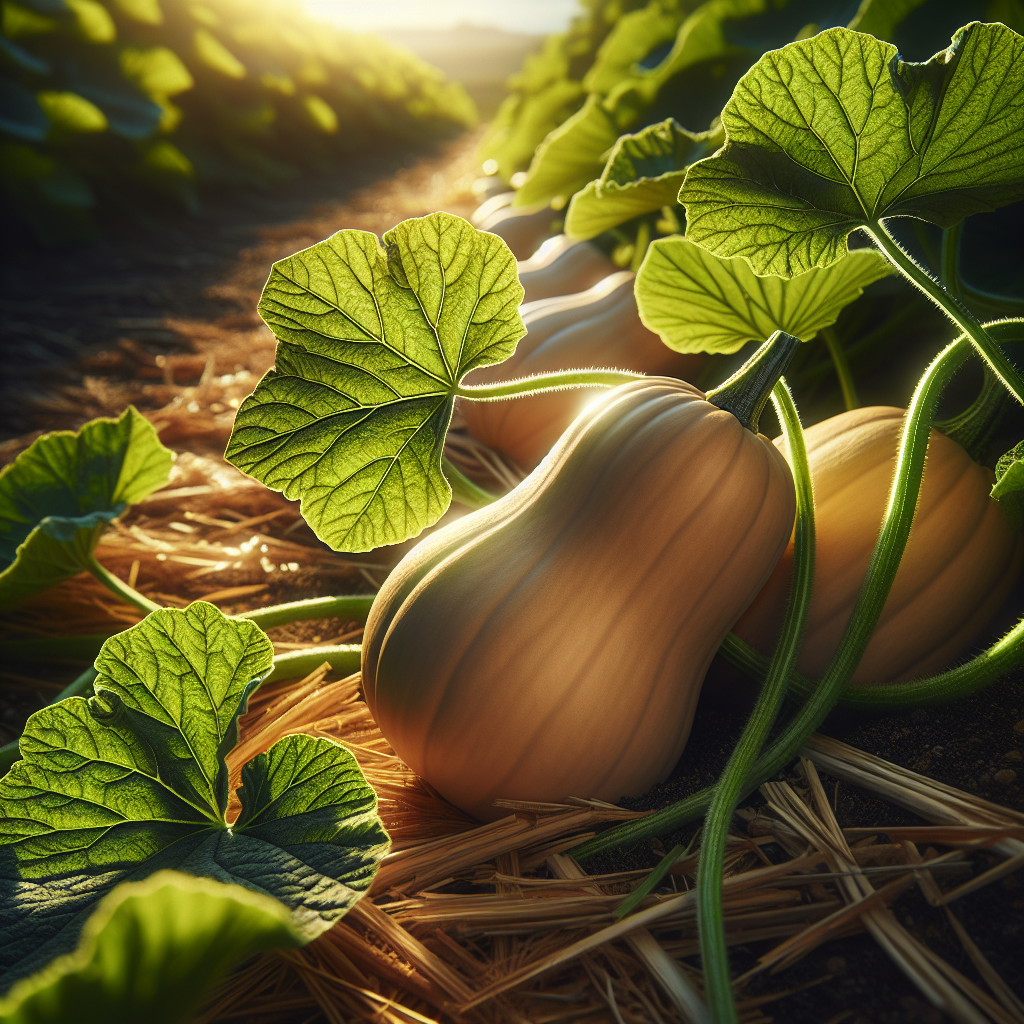
Butternut Squash
Butternut squash is a warm-season winter squash prized for its tan skin, long storage life, and dense, sweet orange flesh. It is one of the most reliable squash species in hot, humid regions because Cucurbita moschata generally shows better tolerance to vine borers, heat, and foliar disease pressure than many other squash types.
View Guide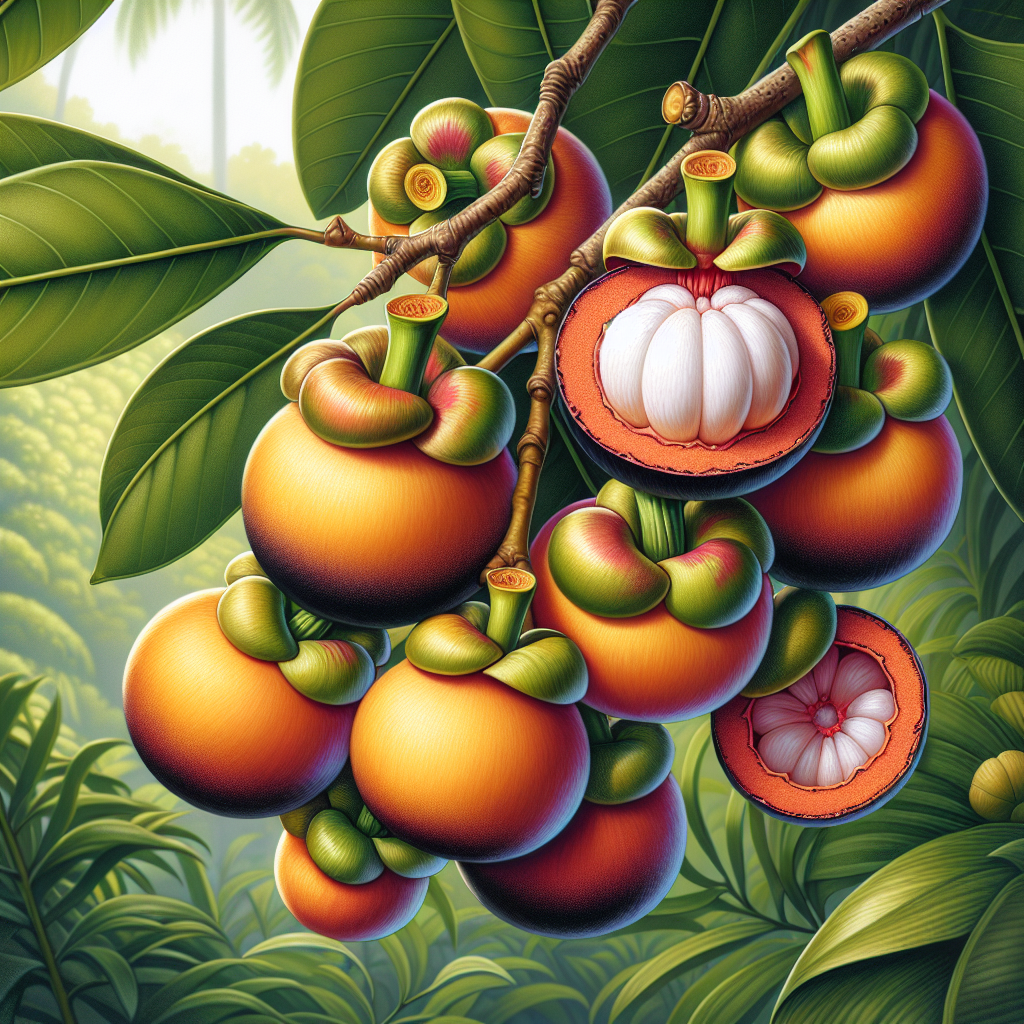
Button Mangosteen (Garcinia prainiana)
Button Mangosteen (Garcinia prainiana) is a rare tropical evergreen tree prized for its small, button-like fruits with sweet-tart flavor and high nutritional value. Native to Southeast Asia, it thrives in humid, shaded environments and offers potential for niche markets in gourmet cuisine and herbal medicine. This guide provides expert cultivation techniques for optimal yields.
View Guide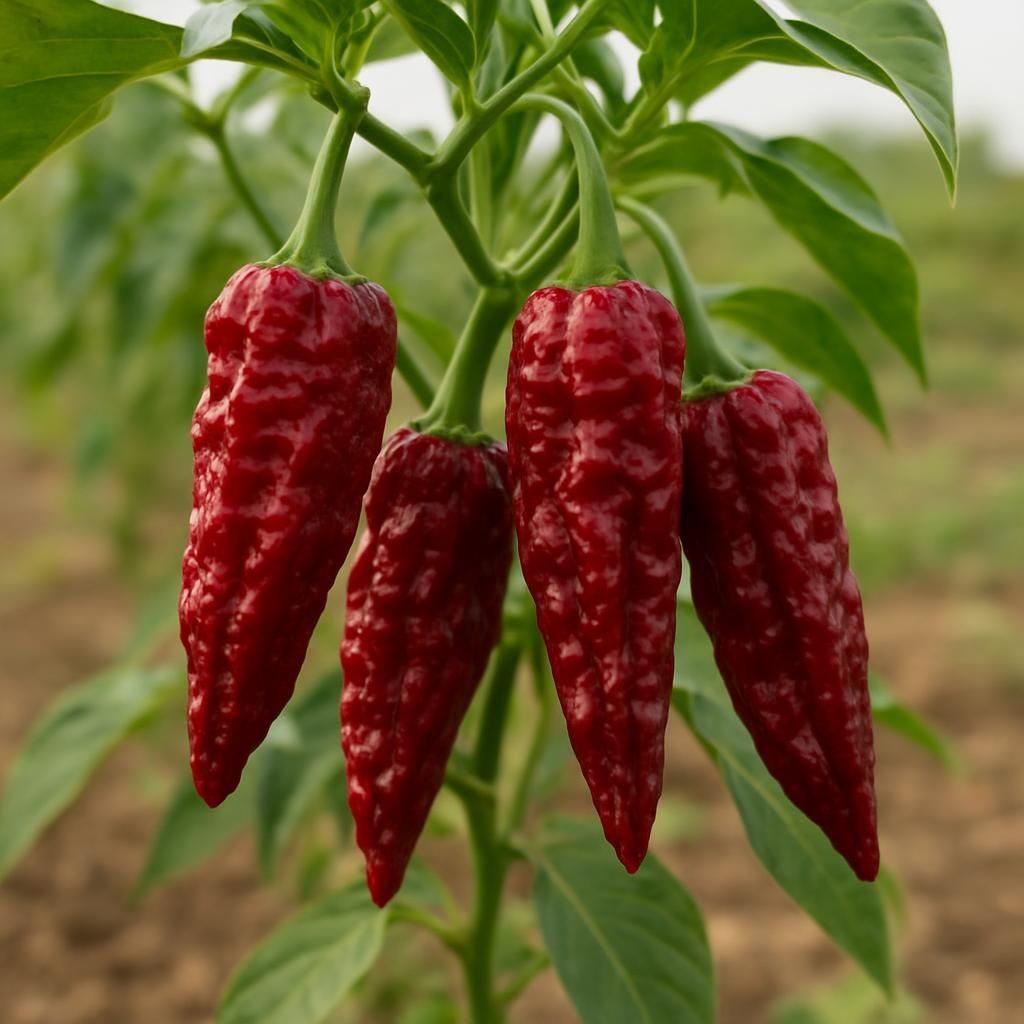
Byadgi Chili
Byadgi Chili is a mild, thin-skinned Indian chili prized for its deep red color and low pungency, making it the preferred variety for premium spice powders and natural food coloring. It thrives in Karnataka’s red and black soils under warm, semi-arid conditions and is harvested twice a year for both fresh and dried markets. This guide covers every stage from soil preparation to post-harvest curing for commercial and small-farm success.
View Guide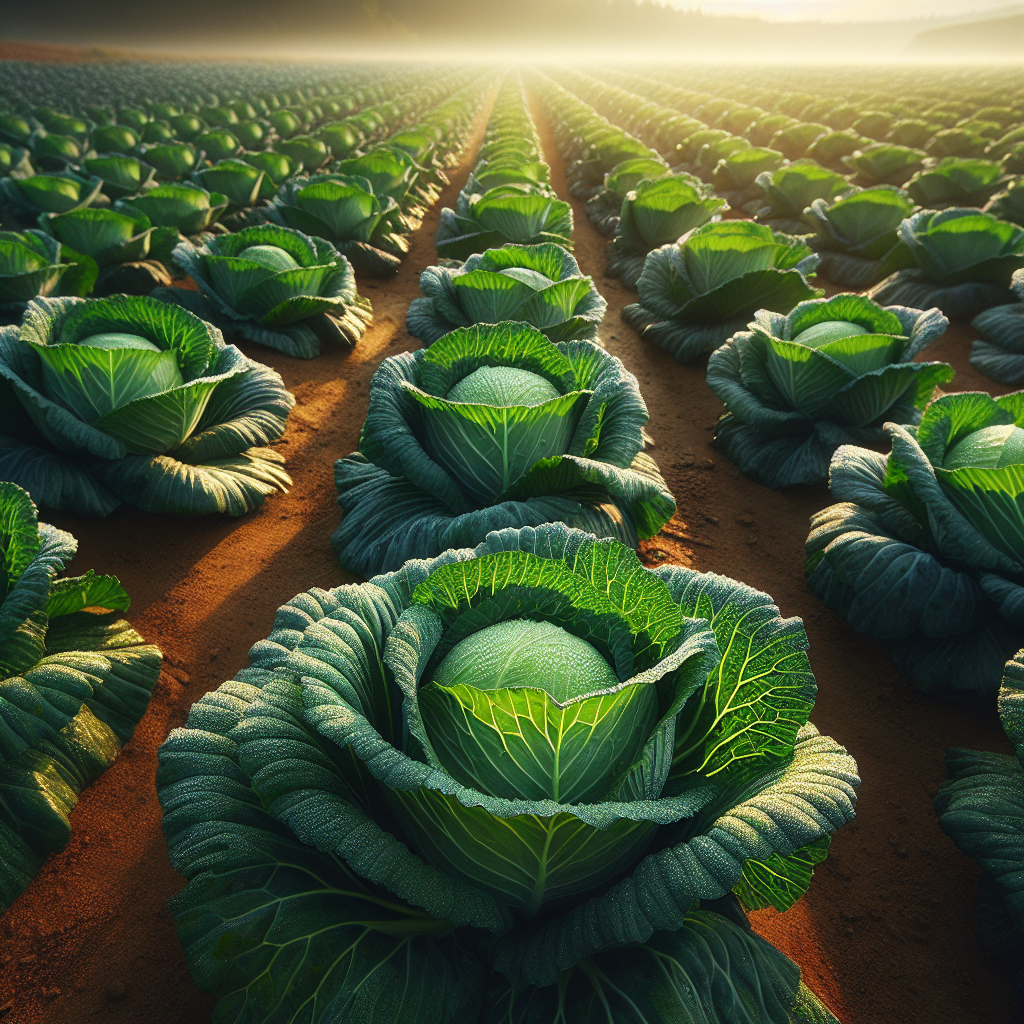
Cabbage
Cabbage is a cool-season leafy vegetable prized for its dense heads and versatility in culinary uses, from fresh salads to fermented sauerkraut. Thriving in temperate climates with well-drained, fertile soil, it offers high yields for home gardeners and commercial growers alike. This guide provides expert techniques for optimal growth, pest management, and storage to maximize your harvest.
View Guide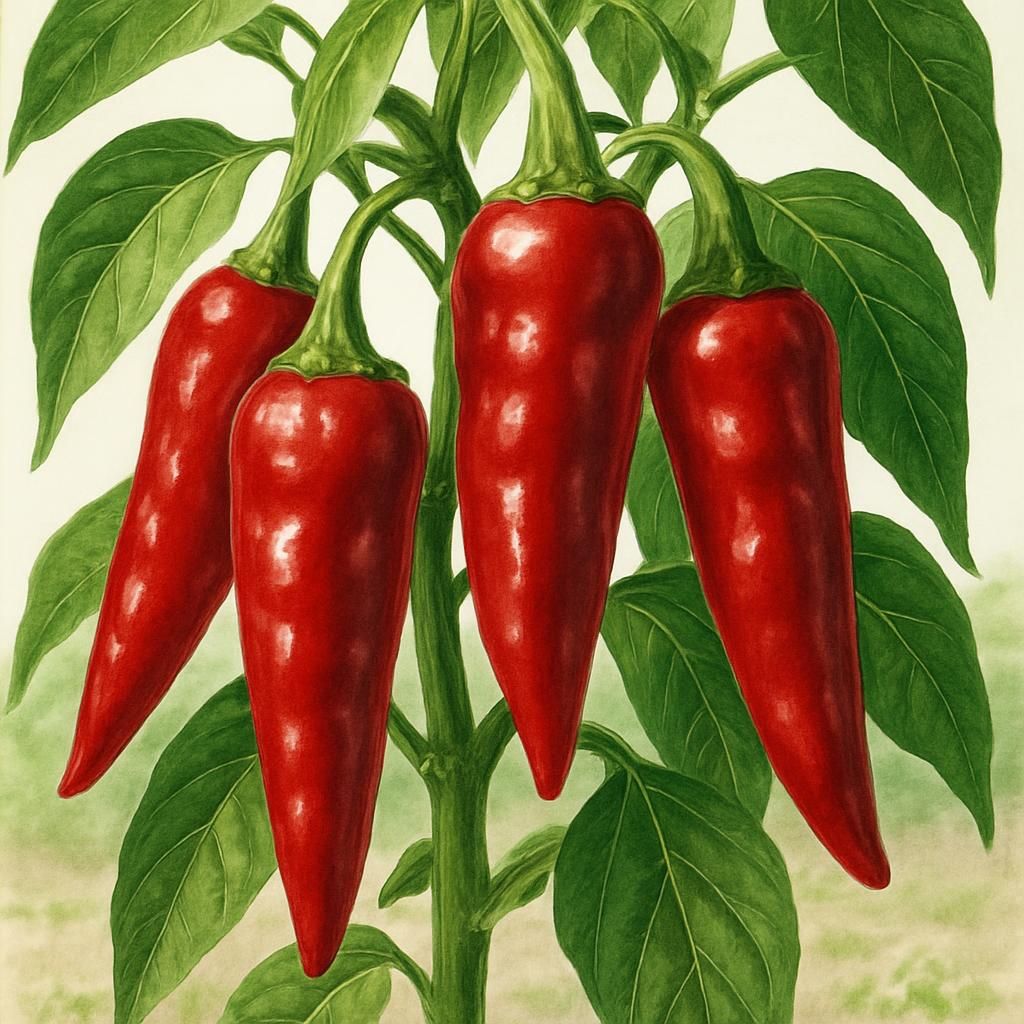
Cabe Besar
Cabe Besar is a large-fruited chili pepper variety prized across Southeast Asia for its mild heat, thick walls, and versatility in fresh and processed markets. It thrives in tropical and subtropical climates with consistent warmth and well-drained soils. This guide covers every stage from seed to post-harvest storage with professional-grade practices.
View Guide