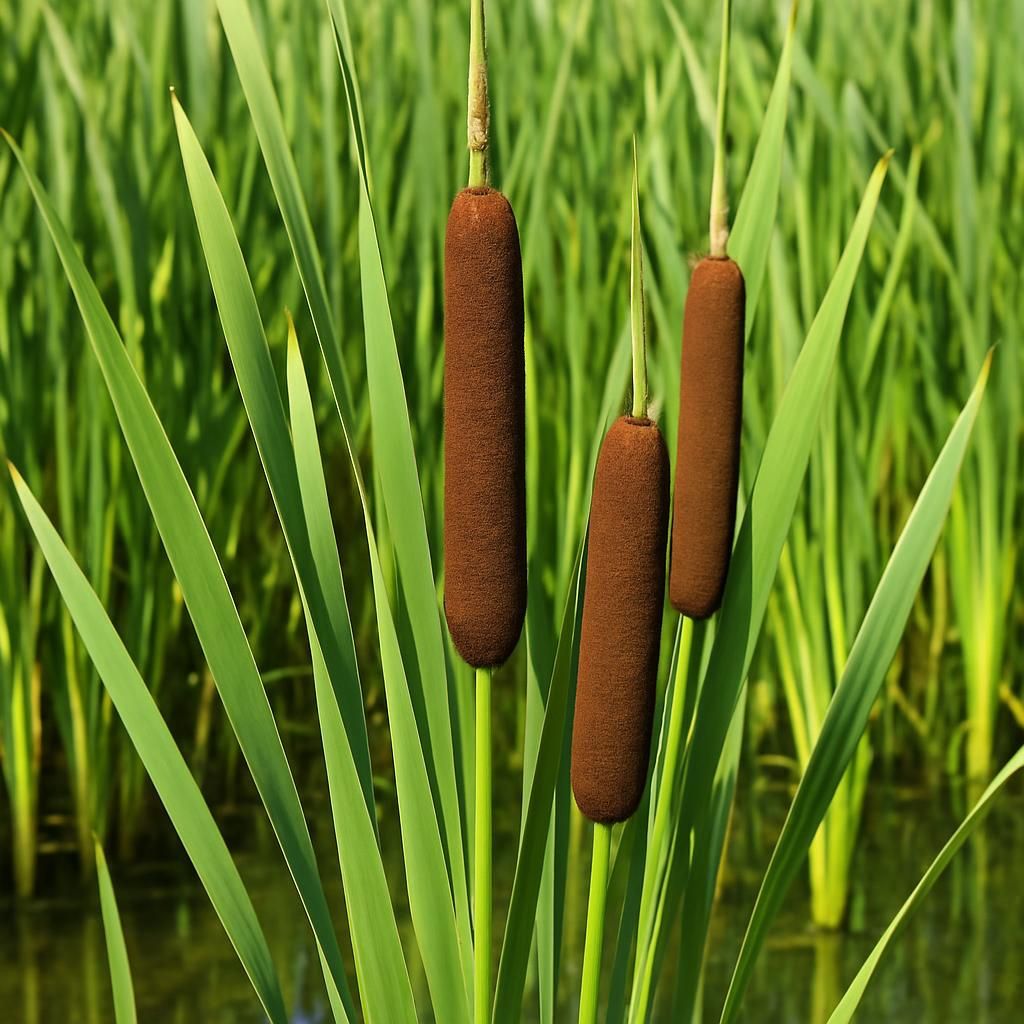
Introduction to Bulrush
Bulrush, scientifically known as Typha latifolia, is a robust wetland perennial belonging to the Typhaceae family. Native to temperate and subtropical regions worldwide, this tall, reed-like plant has been utilized for centuries for food, fiber, and ecological restoration. Its ability to thrive in waterlogged conditions makes it an exceptional choice for growers seeking productive crops on marginal or poorly drained land.
Beyond its practical uses, bulrush plays a vital role in wetland ecosystems by filtering pollutants, stabilizing shorelines, and providing habitat for wildlife. Commercial and small-scale growers alike appreciate its resilience, rapid growth, and multiple harvestable parts including rhizomes, pollen, shoots, and seed heads. With increasing interest in sustainable agriculture and wetland crops, bulrush offers both economic and environmental benefits.
Botanical Profile of Bulrush
Bulrush features erect, cylindrical stems that can reach 1.5–3 meters in height. Long, linear leaves emerge from the base, while dense, cylindrical flower spikes (catkins) appear at the stem tips. The plant spreads aggressively via extensive underground rhizomes, forming dense stands in shallow water or saturated soils.
The rhizomes are starchy and edible, while the pollen is protein-rich and can be harvested for flour. Young shoots are tender and asparagus-like, and the seed heads provide fluffy material historically used for insulation and tinder. Bulrush is a perennial that regrows each season from its rhizome network, allowing multi-year cultivation with minimal replanting.
Soil, pH, and Climate Requirements for Bulrush
Bulrush thrives in consistently saturated or shallow-water environments. It tolerates a wide range of soil types but performs best in organic-rich, silty or loamy substrates. The plant prefers full sun exposure and can tolerate seasonal flooding as well as brief dry periods once established.
| Parameter | Ideal Range | Notes |
|---|---|---|
| Soil Type | Silty loam, clay loam, organic muck | High organic matter improves yields |
| Soil pH | 5.5–7.5 | Tolerates slightly acidic to neutral soils |
| Water Depth | 0–30 cm standing water | Can survive deeper seasonal flooding |
| Temperature Range | 15–30 °C daytime | Frost hardy to -15 °C once dormant |
| Annual Rainfall | 600–2000 mm | Supplemental irrigation needed in dry zones |
| Sun Exposure | Full sun (minimum 6 hours) | Reduced growth in partial shade |
Step-by-Step Planting & Propagation
Bulrush is primarily propagated vegetatively through rhizome divisions, though seed propagation is possible. Select healthy rhizomes with visible buds in early spring. Divide rhizomes into 10–15 cm sections, each containing at least one growing point.
Plant divisions 5–10 cm deep in saturated soil or shallow water, spacing them 30–45 cm apart in rows 60–90 cm wide. For larger wetland plantings, broadcast rhizome pieces over prepared mudflats and lightly cover with soil. Maintain consistent moisture during the first 4–6 weeks until new shoots emerge.
Seed propagation involves collecting mature seed heads in late summer, cleaning seeds, and sowing in trays of wet peat-based medium. Germination occurs within 7–14 days at 20–25 °C. Transplant seedlings when they reach 10–15 cm height into final wetland positions.
Care & Maintenance regimes for Bulrush
Once established, bulrush requires minimal intervention beyond water level management and occasional nutrient supplementation in nutrient-poor sites. Monitor for invasive spread into adjacent dryland areas and contain stands with berms or barriers if necessary.
| Task | Frequency | Details |
|---|---|---|
| Water Management | Continuous | Maintain 5–30 cm standing water; lower levels during winter dormancy |
| Fertilizer | Early spring & mid-summer | Apply 20–30 kg N/ha as organic compost or fish emulsion; avoid excess |
| Pruning | Late winter | Cut dead stems to 10 cm above water line to promote new growth |
| Weed Control | As needed | Hand-pull aggressive competitors during establishment year |
| Mulching | Optional | Apply 5 cm organic mulch on exposed banks to reduce erosion |
Pests, Diseases & Organic Management
Bulrush is relatively pest-resistant but can be affected by Aphids, Spider Mites, and occasional fungal leaf spots. Regular monitoring and strong plant vigor are the best defenses.
Organic control options include introducing beneficial insects such as lady beetles for aphids and maintaining proper water depth to discourage spider mite outbreaks. Remove and destroy heavily infected foliage. Avoid chemical pesticides to preserve wetland biodiversity.
Harvesting, Curing & Optimal Storage
Harvest young shoots in early spring when 15–30 cm tall for fresh eating. Rhizomes are best collected in late autumn or early winter after foliage has died back. Use a digging fork to lift sections carefully, washing thoroughly before use.
Pollen is harvested by shaking mature male flower spikes into collection bags during peak bloom. Dry pollen on screens in a well-ventilated area, then store in airtight containers in a cool, dark place for up to one year.
Rhizomes may be stored in moist sand or submerged in water at 1–4 °C for several months. For longer storage, slice and dehydrate rhizomes or process into flour.
Companion Planting for Bulrush
Bulrush pairs well with other wetland species that share similar moisture requirements. Consider planting alongside Rice or Taro for diversified wetland production systems. These combinations enhance biodiversity, improve nutrient cycling, and reduce pest pressure through habitat complexity.
Avoid pairing with upland crops that cannot tolerate saturated soils. Strategic companion planting also supports beneficial insects and wildlife while maximizing land productivity in marginal areas.