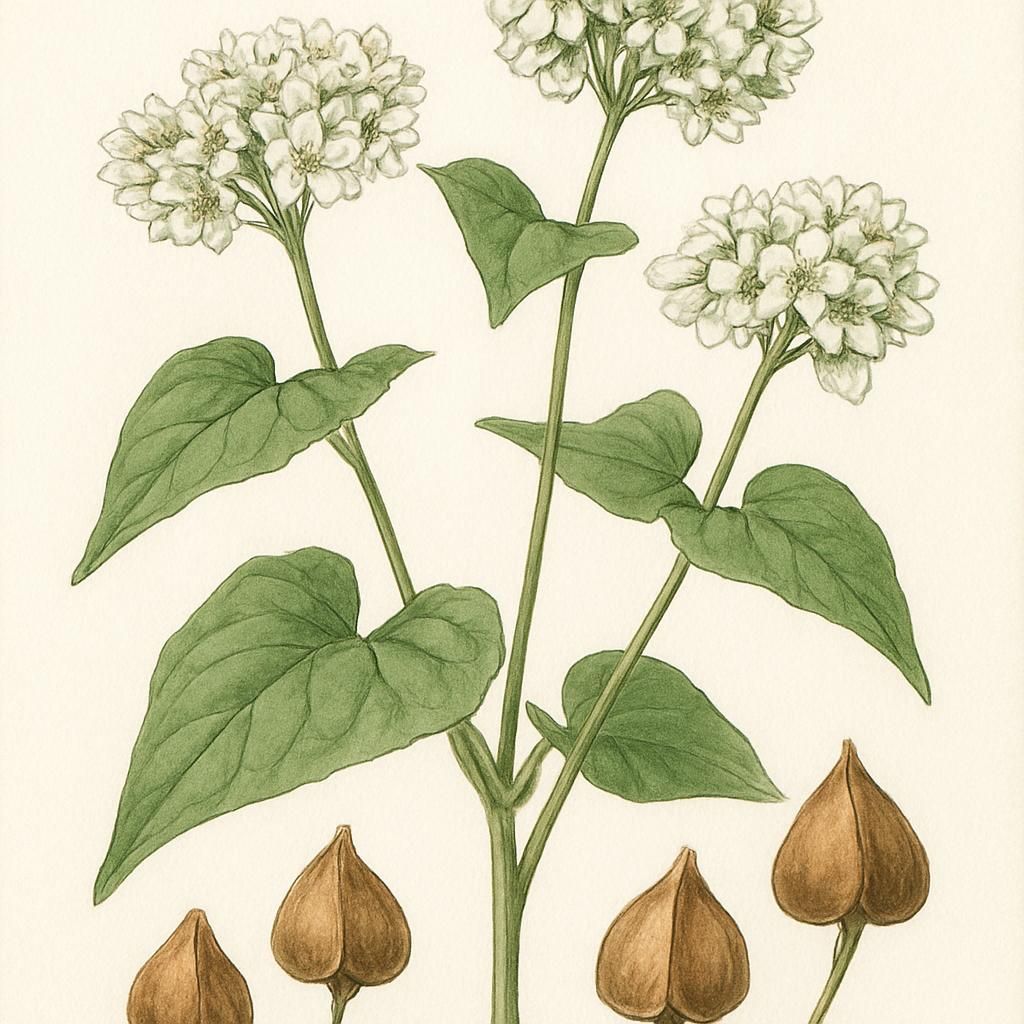
Introduction to Buckwheat (Silverhull)
Buckwheat (Silverhull) is a versatile crop that has gained popularity due to its unique growing characteristics and nutritional benefits. Although often mistaken for a cereal, buckwheat is a pseudocereal, closely related to rhubarb and sorrel, with grains used similarly to wheat. Silverhull buckwheat is primarily grown for its seeds, which can be milled into flour or used as a nutritious component in animal feed.
Botanical Profile of Buckwheat (Silverhull)
Buckwheat belongs to the family Polygonaceae and is scientifically known as Fagopyrum esculentum. It is a fast-growing, broad-leaved plant with a short biological cycle—typically reaching maturity within 10 weeks of planting. Buckwheat flowers are small, white, and form in clusters, providing vital nectar sources for pollinators.
Soil, pH, and Climate Requirements for Buckwheat (Silverhull)
Despite its ability to grow in poor soil conditions, buckwheat prefers well-drained, loamy soils with moderate fertility. It is not a heavy feeder and can enrich soil structure due to its rapidly decomposable plant matter when used as a green manure.
| Requirement | Ideal Condition |
|---|---|
| Soil Type | Loamy, well-drained |
| Soil pH | 5.5 to 6.5 |
| Temperature | 15°C to 25°C |
| Rainfall | Moderate, 20-30 cm during the growing period |
Step-by-Step Planting & Propagation
- Site Selection: Choose a location with full sun and moderately fertile soil.
- Soil Preparation: Ensure soil is well-drained. If necessary, amend with organic matter to improve structure.
- Sowing: Sow the seeds directly into the field once the risk of frost has passed. Space rows 15-20 cm apart.
- Depth and Rate: Plant seeds 2-3 cm deep at a rate of 50-70 kg per hectare.
- Watering: Provide initial watering if the soil is dry to kickstart germination.
- Growth Period: Buckwheat grows rapidly, with flowering in 4-6 weeks and harvesting within 10-12 weeks.
Care & Maintenance Regimes for Buckwheat (Silverhull)
Buckwheat is low maintenance, often grown without the need for synthetic fertilizers or extensive irrigation.
| Regime | Details |
|---|---|
| Watering | Minimal, only required if prolonged dry periods occur |
| Fertilizer | None needed; consider a light application of organic compost initially |
| Pruning | Not required |
Pests, Diseases & Organic Management
Buckwheat is generally resistant to many pests and diseases, but it can be susceptible to Spider Mites and aphids. Organic management includes promoting predators and using neem oil or insecticidal soap for control.
Harvesting, Curing & Optimal Storage
- Harvesting: Harvest when 75% of seeds have turned brown. Cut plants close to the ground.
- Curing: Allow plants to dry in the field if weather conditions permit. Alternatively, use drying racks.
- Threshing: Utilize a thresher to separate seeds from the hull.
- Storage: Store dried seeds in a cool, dry place within airtight containers to prevent pest infestation.
Companion Planting for Buckwheat (Silverhull)
Buckwheat is a definitive companion plant due to its ability to suppress weeds and attract beneficial insects. It pairs well with Corn, Cucumbers, and Radishes. Avoid planting with Soybeans as buckwheat can compete aggressively for nutrients.
For additional insights on buckwheat's role in sustainable farming, check this resource on Crop Rotation Realities: 6 Organic Patterns That Deliver for Small Farms.