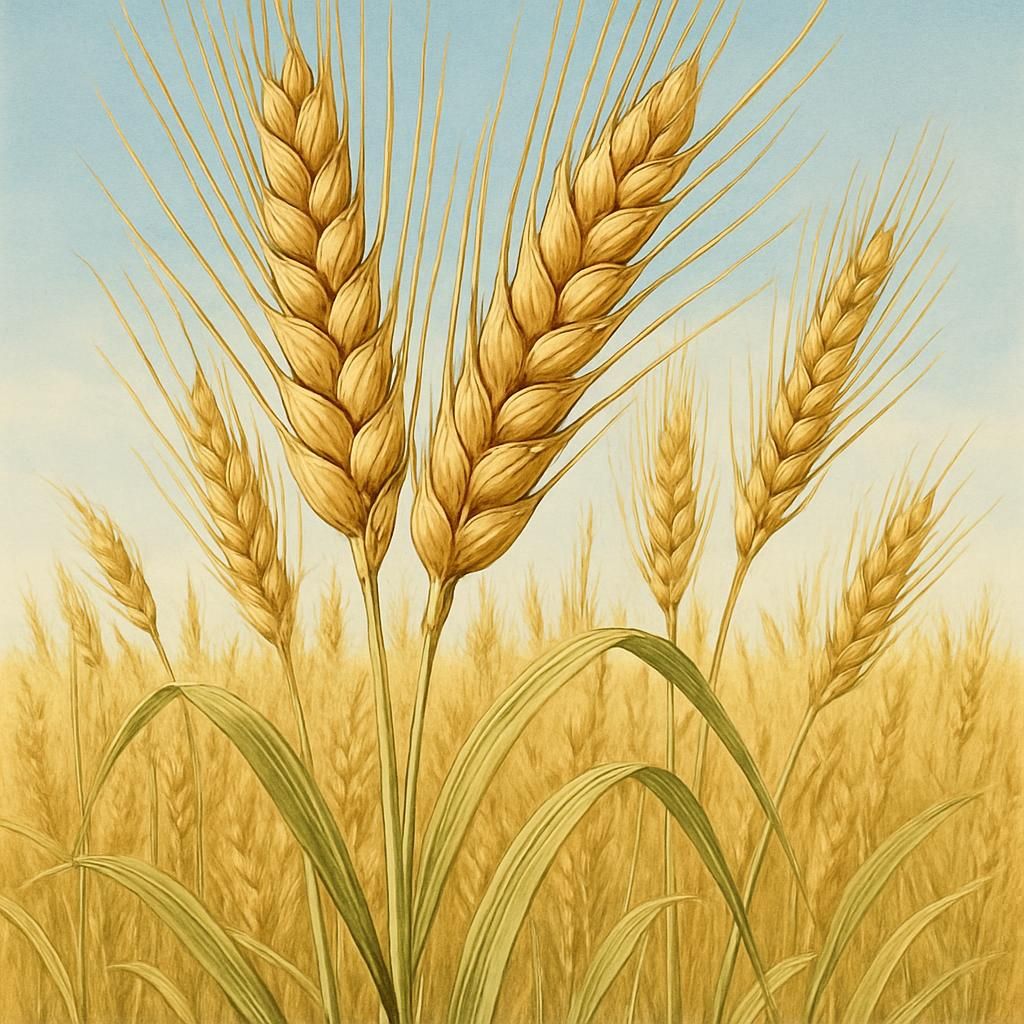
Introduction to Bulgur (Coarse)
Bulgur, a whole grain made from cracked wheat, is a versatile and nutritious food that has been a staple in Middle Eastern and Mediterranean diets for centuries. Coarse bulgur, a particular variety, is known for its larger grain size, making it an excellent choice for hearty dishes like pilafs and salads. Its quick cooking time and high nutritional value, rich in fiber and protein, makes it a favorable option for health-conscious individuals.
Botanical Profile of Bulgur (Coarse)
Bulgur is derived from the grains of wheat species, predominantly Triticum durum, a member of the Poaceae family. The process of making bulgur involves parboiling mature wheat kernels, drying them, and then cracking them into pieces. This processing method preserves the wheat's bran, germ, and endosperm, maintaining its nutritional integrity.
Soil, pH, and Climate Requirements for Bulgur (Coarse)
Growing wheat for bulgur requires specific environmental conditions to ensure a healthy, robust crop. Here are the ideal conditions:
| Requirement | Ideal Condition |
|---|---|
| Soil Type | Loamy, well-drained |
| Soil pH | 6.0 - 7.0 |
| Temperature | 10°C - 24°C (50°F - 75°F) |
| Rainfall | 30-40 cm annually |
Step-by-Step Planting & Propagation
- Seed Selection: Choose high-quality, disease-resistant wheat seeds, such as Triticum durum.
- Soil Preparation: Till the soil to a depth of 15-20 cm to ensure good root penetration. Incorporate organic matter to enhance soil fertility.
- Planting: Sow seeds in early spring or late fall, depending on climatic conditions. Install seeds at a depth of 2.5 to 3 cm, spacing them 5-7 cm apart.
- Irrigation: Water lightly immediately after planting to settle the soil. Ensure consistent watering during germination and early growth stages.
Care & Maintenance Regimes for Bulgur (Coarse)
Bulgur wheat requires careful attention throughout the growing season to maximize yield and quality.
| Activity | Frequency | Notes |
|---|---|---|
| Watering | Weekly | Increase during dry spells |
| Fertilizing | Bi-monthly | Use balanced NPK fertilizers |
| Pruning | Not applicable | Wheat does not require pruning |
Pests, Diseases & Organic Management
Bulgur wheat can be susceptible to various pests and diseases, such as Aphids and powdery mildew. Effective organic management practices include crop rotation, introducing beneficial insects like ladybugs to control spider mites, and using neem oil as an antifungal treatment.
Harvesting, Curing & Optimal Storage
- Harvesting: Harvest when the wheat grains are golden brown, typically in late spring or early summer, using a combine harvester.
- Curing: Allow grains to dry in the field for several days before threshing.
- Storage: Store in a cool, dry place in airtight containers to preserve freshness and prevent pest infestation.
Companion Planting for Bulgur (Coarse)
Companion planting can enhance wheat yield and reduce pests organically. Consider planting clover or Legumes alongside wheat to improve soil nitrogen levels, or Sunflower to attract beneficial insects.
For more companion planting tips, refer to this Summer Companion Planting: 10 Organic Pairings to Boost Small Farm Resilience.