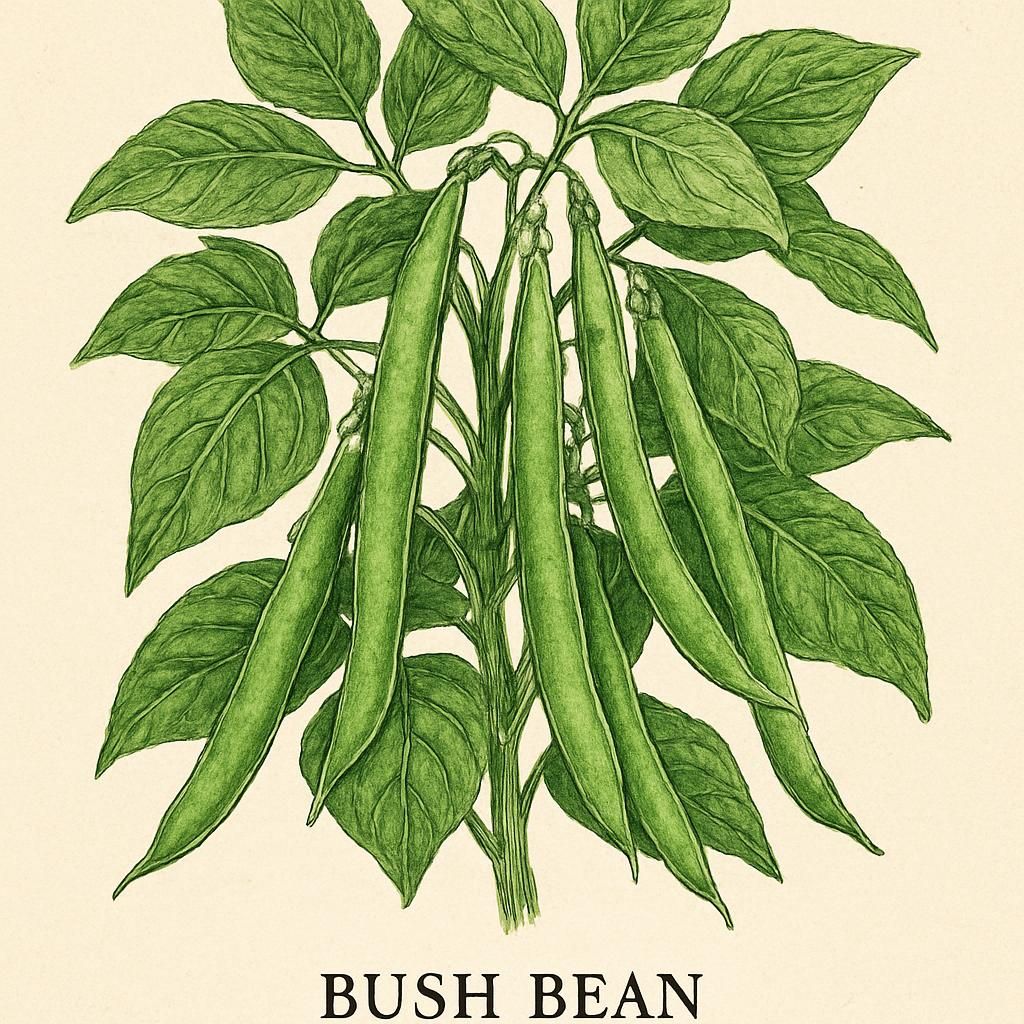
Introduction to Bush Bean (Provider)
Bush Bean (Provider) is a compact, robust variety of Phaseolus vulgaris, prized for its reliable yield and adaptability. With rich green pods and a quick 50-55 day growth cycle, this variety is celebrated for its disease resistance and excellent flavor, making it a top choice for gardeners aiming for a bountiful harvest.
Botanical Profile of Bush Bean (Provider)
Considered a member of the legume family, Bush Bean (Provider) is characterized by its bush-like growth habit that eliminates the need for staking, as seen in pole varieties. Its scientific classification is:
- Kingdom: Plantae
- Order: Fabales
- Family: Fabaceae
- Genus: Phaseolus
- Species: P. vulgaris
- Cultivar: 'Provider'
This variety's bush habit, paired with disease resistance to common blight and bean mosaic virus, contributes to its popularity among home gardeners and farmers alike.
Soil, pH, and Climate Requirements for Bush Bean (Provider)
Ideal soil and climate conditions are critical for maximizing growth and yield. Below are the optimal conditions for cultivating Bush Bean (Provider):
| Condition | Ideal Range |
|---|---|
| Soil Type | Well-drained, sandy loam |
| pH Level | 6.0 - 7.0 |
| Temperature | 70°F - 85°F (21°C - 29°C) |
| Sunlight | Full sun |
Bush Beans thrive in warm conditions, and while they are tolerant of various soil types, well-drained and fertile soils result in the best yields. Regular sunlight is crucial for successful growth.
Step-by-Step Planting & Propagation
- Prepare the soil: Prior to sowing, ensure the soil is loose, well-drained, and enriched with compost.
- Sow seeds directly: Plant seeds 1 inch deep and 2 inches apart in rows spaced 18 inches apart. This spacing allows adequate airflow to prevent disease.
- Water effectively: Initial watering should keep the soil consistently moist until germination occurs within 7-10 days.
- Thin out seedlings: Once the seedlings emerge, thin them to provide each plant with optimal space and resources.
- Monitor and adjust: Check for nutrient deficiencies and amend soil with appropriate organic fertilizers as needed.
Care & Maintenance Regimes for Bush Bean (Provider)
Bush Beans require a moderate maintenance regimen to ensure healthy growth and yield. Below is a care schedule:
| Task | Schedule/Interval |
|---|---|
| Watering | 1 inch per week; increase in dry periods |
| Fertilization | Side-dress with compost every 3-4 weeks |
| Pruning | Remove damaged leaves as needed to promote airflow |
Bush Beans benefit from consistent watering but are sensitive to waterlogging. Regularly assess soil moisture levels to prevent fungal issues.
Pests, Diseases & Organic Management
Bush Beans can be affected by pests like Bean Aphid, Spider Mites, and diseases such as Common Bacterial Blight. Implement the following organic strategies:
- Companion planting: Introduce marigolds or garlic to repel pests naturally.
- Neem oil: Use as a foliar spray to manage aphid and mite infestations.
- Copper fungicides: Apply to control bacterial blight effectively.
- Regular crop rotation helps prevent soil-borne diseases.
Harvesting, Curing & Optimal Storage
Harvest Bush Beans once the pods are firm, roughly 55 days after sowing. Aim for young, tender pods for the best flavor. Follow these harvesting steps:
- Inspect regularly: Harvest beans every few days to encourage continuous production.
- Curing: Dry beans for a few days indoors before storing to preserve flavor.
- Storage: Store beans in a cool, dry place within a breathable container to maintain quality.
Companion Planting for Bush Bean (Provider)
Companion planting enhances growth and protects crops against pests. Consider planting with:
- Best companions: Corn, Cucumber, and thyme.
- Avoid: Planting with onions and garlic, as they may inhibit growth.
For additional insights into effective companion planting strategies, explore Summer Companion Planting: 10 Organic Pairings to Boost Small Farm Resilience.
Companion planting aids in pest management, promotes biodiversity, and improves crop yield, ensuring a robust garden ecosystem.