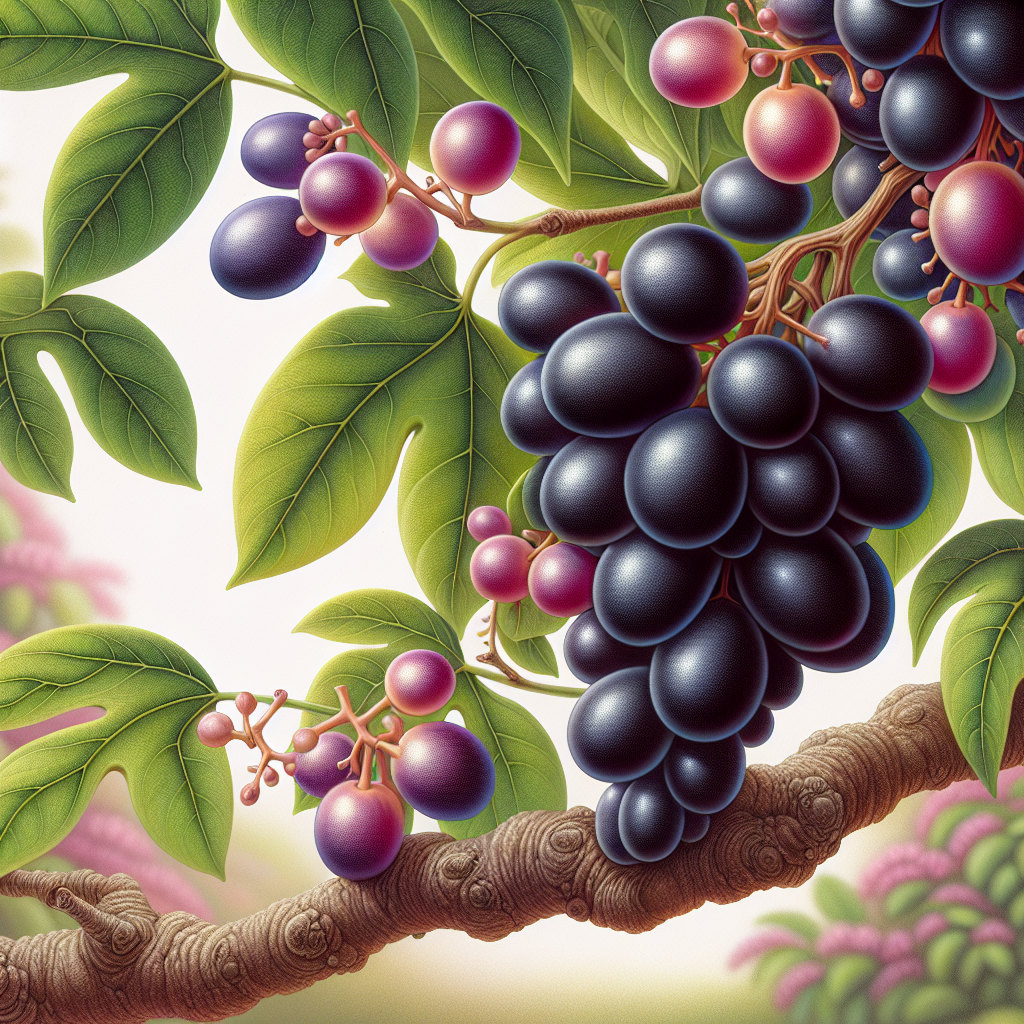
Introduction to Burmese Grape (Mafai)
Burmese Grape, scientifically known as Baccaurea motleyi and commonly called Mafai, is an exotic tropical fruit tree native to Southeast Asia, particularly Myanmar, Thailand, Malaysia, and Indonesia. This underappreciated crop produces clusters of small, grape-like fruits with a unique sweet-tart flavor, translucent flesh, and a crunchy texture that makes it a favorite in fresh salads, desserts, and beverages. Growing Mafai offers small-scale farmers and home gardeners a profitable niche crop, as demand for rare tropical fruits surges in international markets. With proper care, trees can yield 50-100 kg of fruit per season after 4-5 years, providing both nutritional benefits—rich in vitamin C, antioxidants, and fiber—and economic potential. This deep-dive guide equips you with professional-grade techniques for successful cultivation, from site selection to post-harvest handling. Dragon Fruit (crop) shares similar tropical requirements, making it a great companion for diversified orchards.
Mafai trees are dioecious, meaning separate male and female plants are needed for fruit production, a key consideration for planting. Their resilience to humid conditions and moderate shade tolerance positions them ideally for intercropping in coconut or rubber plantations. As climate change intensifies, Mafai's adaptability to wet tropics makes it a resilient choice for sustainable agriculture. Expect fruits in clusters of 20-50, ripening to purple-red hues, harvested year-round in optimal climates.
Botanical Profile of Burmese Grape (Mafai)
Baccaurea motleyi belongs to the Phyllanthaceae family, a genus of about 80 species of tropical trees and shrubs. Mafai is an evergreen tree growing 10-20 meters tall in the wild, though cultivated specimens are often pruned to 6-8 meters for easier harvesting. Leaves are alternate, elliptical to obovate, 10-25 cm long, glossy green above and paler beneath, turning reddish before new growth emerges. New flushes are strikingly pinkish-red, adding ornamental value.
Flowers are small, greenish-white, borne on branched panicles directly on older wood. Male flowers are more numerous on separate trees, while female trees produce fewer but larger blooms. Pollination occurs via insects like bees and flies. Fruits develop in dense clusters, each 1-2 cm in diameter, with thin, edible purple-black skin encasing juicy, translucent pulp surrounding 1-3 large seeds. The pulp has a grape-like appearance but a distinctive musky-sweet flavor with citrus undertones. Seeds are hard, bitter, and discarded, though viable for propagation. Trees are fast-growing, reaching fruiting size in 3-5 years from seed or cuttings. Root systems are shallow and spreading, sensitive to waterlogging but drought-tolerant once established. In cultivation, Mafai hybridizes easily with related species like Baccaurea macrocarpa, enhancing genetic diversity for breeding programs.
Soil, pH, and Climate Requirements for Burmese Grape (Mafai)
Mafai thrives in well-drained, fertile loamy soils rich in organic matter, with pH 5.5-7.0. Avoid heavy clays prone to waterlogging, which causes root rot. Incorporate 20-30% compost or aged manure during planting to boost microbial activity and nutrient retention. Sandy loams amended with lime suit acidic sites, while mulching with coconut husks or rice straw conserves moisture and suppresses weeds.
Ideal climate is tropical humid with annual rainfall 1500-3000 mm, evenly distributed or with a short dry season. Temperatures of 24-32°C (75-90°F) are optimal; it tolerates down to 15°C but suffers below 10°C. High humidity (70-90%) promotes growth, but strong winds damage brittle branches—plant windbreaks like banana trees. Full sun to partial shade (30% canopy) yields best; under dense shade, fruit quality declines. Elevations up to 800m are suitable. For subtropical growers, protect from frost with overhead cover. Soil testing every 6 months ensures balanced nutrition; deficiencies in nitrogen show as yellowing leaves, phosphorus as stunted growth.
Step-by-Step Planting & Propagation
Propagation Methods
Seeds are easiest but variable; viability drops after 2 weeks—sow fresh in 50% sand-peat mix, germinating in 10-20 days at 28°C. Scarify large seeds for uniformity. Air-layering or semi-hardwood cuttings (10-15 cm) root in 4-6 weeks under mist with IBA 2000 ppm. Grafting onto Baccaurea griffithii rootstock improves vigor. For dioecious reliability, propagate known male-female pairs.
Site Preparation
Select sites with 8-10m spacing (100-150 trees/ha). Dig 60x60x60 cm pits, fill with topsoil + 10 kg compost + 500g rock phosphate + 200g wood ash. Plant at monsoon onset; for dry areas, irrigate weekly first year.
Step-by-Step Planting
- Select seedlings: 30-50 cm tall, healthy females identified by prior fruiting.
- Planting hole: Place root ball at soil level, tamp firmly.
- Staking: Use bamboo for wind protection first 2 years.
- Mulch: 10 cm layer around base, refreshed annually.
- Initial fertilizer: 100g NPK 15-15-15 per tree at planting, then monthly. Water deeply post-planting. Prune to single leader at 1m height. Expect first fruits in 3-4 years. Read Why Companion Planting Feels Like Guesswork for Small Farms - And How AI Makes It Foolproof for intercropping tips.
Care & Maintenance regimes for Burmese Grape (Mafai)
Irrigation: Deep water weekly in dry spells; mature trees need 40-50L/tree/week. Drip systems optimize usage.
Fertilization: Annual regime: Jan-Feb (vegetative)—500g urea/tree; May-Jun (flowering)—1 kg superphosphate; post-harvest—2 kg compost + 500g potash. Foliar sprays of micronutrients (Zn, B) every 3 months prevent deficiencies.
Pruning: Annually after harvest, remove deadwood, watersprouts, and crowded branches for light penetration. Maintain vase shape for airflow.
Weeding & Mulching: Keep 1m radius weed-free; mulch suppresses competition.
Training: Espalier for small spaces or high-density planting (4x4m). Monitor growth; thin clusters to 20 fruits for size.
Integrated practices yield 20-30% more. Soil moisture meters guide irrigation.
Pests, Diseases & Organic Management
Pests: Aphids cluster on new growth—blast with water or neem oil (2ml/L). Fruit flies puncture skins—bagging clusters or pheromone traps. Mealybugs on branches—introduce ladybugs or alcohol sprays. Leafhoppers cause stippling—reflective mulches. Birds devour fruits—netting essential.
Diseases: Anthracnose (Colletotrichum) causes leaf spots and fruit rot—copper fungicide + prune for airflow. Powdery mildew—sulfur sprays in humid periods. Phytophthora—improve drainage, use biofungicides like Trichoderma. Root rot from overwatering—solarize soil.
Organic IPM: Scout weekly; release predatory mites/beetles. Companion marigold repels nematodes. Neem cake in soil deters borers. Avoid chemicals to preserve pollinators. Early detection halves losses. See Why 90% of Small Farms Fail at Pest Management - And 8 Organic Fixes That Actually Work for advanced strategies.
Harvesting, Curing & Optimal Storage
Harvest when 80% fruits purple-black, clusters intact with clippers to avoid sap. Peak season June-Oct; pick every 7-10 days. Yield peaks at 10-15 years.
Post-Harvest: Sort, wash gently in 50 ppm chlorine, air-dry. No curing needed; refrigerate at 10-12°C, 85-90% RH for 3-4 weeks. Market fresh or process into jams, wines. Export packs in ventilated crates. Losses minimized by ethylene avoidance. Dried fruits store 6 months at 15°C.
Companion Planting for Burmese Grape (Mafai)
Pair with nitrogen-fixers like pigeon pea for soil enrichment. Understory ginger or turmeric suppresses weeds, shades roots. Thai basil deters aphids. Avoid water-hungry crops like watermelon. Guava provides windbreak, similar pest resistance. Intercrop first 3 years boosts income. Diverse guilds enhance biodiversity, reduce pests 30%.