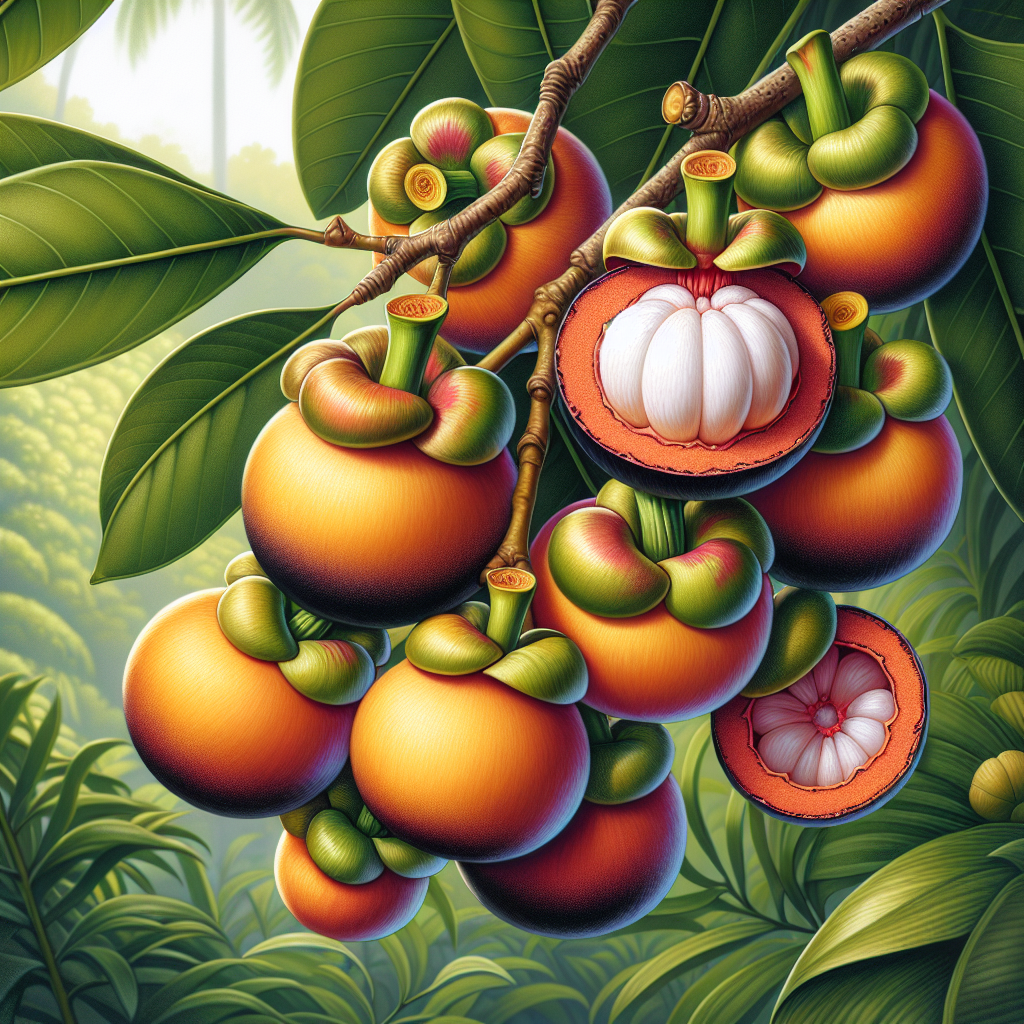
Introduction to Button Mangosteen (Garcinia prainiana)
Button Mangosteen, scientifically known as Garcinia prainiana, is an underappreciated tropical gem belonging to the Guttiferae family. Often overshadowed by its more famous relative, the Purple Mangosteen (Garcinia mangostana), this species produces small, button-shaped fruits that pack a punch of sweet-tart flavor, juicy pulp, and potent bioactive compounds. Native to the rainforests of Peninsular Malaysia, Thailand, and parts of Indonesia, Button Mangosteen has gained attention for its ornamental value, edible fruits, and potential medicinal properties, including anti-inflammatory and antioxidant benefits.
Growing Button Mangosteen presents unique opportunities for small-scale farmers and home gardeners in tropical or subtropical regions. The tree's compact size—typically reaching 5-10 meters—makes it suitable for backyard orchards, agroforestry systems, and even container cultivation in controlled environments. Fruits are borne in clusters, resembling tiny buttons (hence the name), with a diameter of 1-2 cm, white fleshy aril surrounding seeds that taste like a milder version of mangosteen crossed with citrus. Harvests can begin 4-6 years from seed, with peak productivity in mature trees yielding up to 50-100 kg per tree annually under optimal conditions.
This comprehensive guide draws from botanical research, field trials in Southeast Asia, and practical grower experiences to deliver professional-grade advice. Whether you're establishing a commercial plantation or experimenting in a home grove, mastering Button Mangosteen cultivation requires attention to its specific ecological needs, from shaded humidity to precise propagation techniques. For similar tropical fruit trees, explore cultivation of mango which shares some environmental preferences.
Botanical Profile of Button Mangosteen (Garcinia prainiana)
Garcinia prainiana is an evergreen dioecious tree (separate male and female plants) in the Clusiaceae family, closely related to mangosteens and gamboge trees. It features glossy, elliptical leaves (10-20 cm long) arranged oppositely, with a leathery texture and prominent midribs. Young branches are quadrangular, maturing to rounded, and the tree exudes a yellow latex when cut, characteristic of the genus.
Flowers are small (1 cm), borne in axillary clusters; males are yellowish with 15-20 stamens, females have a superior ovary with 4-5 stigma lobes. Pollination occurs via insects like bees and flies, emphasizing the need for diverse planting to ensure fruit set. Fruits are depressed-globose berries, green turning yellowish-orange at maturity, with a tough rind enclosing 4-8 white, juicy arils around large seeds. The aril is the edible portion, rich in vitamin C, xanthones, and garcinol—compounds studied for anticancer and antimicrobial properties.
Growth habit is slow to moderate, with a dense canopy providing excellent shade. Root system is shallow and spreading, sensitive to waterlogging. In native habitats, trees thrive under forest canopies at 100-800m elevation, indicating shade tolerance. Genetic diversity is high in wild populations, but cultivated strains from Malaysian selections show improved fruit size and yield. For deeper insights into tropical fruit propagation, check this Fall Companion Planting Guide.
Soil, pH, and Climate Requirements for Button Mangosteen (Garcinia prainiana)
Button Mangosteen demands well-drained, fertile soils rich in organic matter. Ideal texture is loamy or sandy loam with 20-30% organic content; heavy clays lead to root rot. Soil depth should exceed 1 meter for mature trees. pH range is narrowly 5.5-6.5—acidic conditions mimic rainforest soils. Test and amend with peat moss, pine bark, or sulfur if needed; avoid lime.
Climate is tropical humid: average temperatures 24-30°C (75-86°F), no frost tolerance below 10°C (50°F). Rainfall 2000-3000 mm/year, evenly distributed; dry spells over 2 months trigger dormancy. High humidity (70-90%) is essential; supplement with misting in greenhouses. Full sun scorches young plants—provide 50-70% shade cloth until established. Wind protection is critical due to brittle branches.
Elevational adaptability: sea level to 1000m. In marginal areas, use microclimates or high tunnels. Mulch heavily (10-15 cm) with leaf litter to retain moisture and suppress weeds. Soil salinity tolerance is low (<1 dS/m); test irrigation water. Companion crops like ginger or turmeric enhance microclimate. Monitor via soil probes for EC and moisture.
Step-by-Step Planting & Propagation
Propagation Methods
Primary method: seed propagation, as cuttings root poorly. Collect ripe fruits, extract seeds, wash off aril to prevent mold. Sow fresh seeds (viability 2-4 weeks) in 50:50 sand-peat mix, 1 cm deep, at 25-30°C. Germination 20-40 days; success 60-80%. Scarify hard seeds lightly.
Vegetative: air-layering on 2-3 year branches (success 40-60%). Girdle 3 cm wide, apply rooting hormone (IBA 5000 ppm), wrap sphagnum moss, seal plastic. Roots in 2-3 months. Grafting (veneer or cleft) onto G. mangostana rootstock possible but experimental.
Planting Steps
- Site Prep: Dig 60x60x60 cm pits, fill with topsoil + 20 kg compost + 500g rock phosphate. Space trees 6-8m apart (100-200/ha).
- Timing: Plant at rainy season start; avoid monsoons.
- Planting: Set graft/seeding at soil level, firm soil, water deeply. Stake if windy.
- Initial Care: Shade 70%, mulch 10 cm, irrigate 20-30L/week first year.
Transplant 1-2 year seedlings when 30-50 cm tall. Prune at planting to encourage bushiness.
Care & Maintenance regimes for Button Mangosteen (Garcinia prainiana)
Watering: Consistent moisture, never saturated. Drip irrigate mature trees 50-100L/week; reduce in wet seasons. Deficit irrigation boosts flavor but risks drop.
Fertilization: Balanced NPK 10-10-10, 1-2 kg/tree/year split 4 applications. Micronutrients: Zn, Fe, Mg via foliar. Organic: compost 10-20 kg/tree annually + chicken manure.
Pruning: Annual light pruning post-harvest: remove deadwood, watersprouts, improve airflow. Train to single leader for 3-5 years. Dwarfing via root pruning in pots.
Weed Control: Mulch + manual; avoid herbicides near roots.
Pollination: Plant 1 male:10 females; hand-pollinate if needed.
Pest scouting weekly; growth flushes demand extra vigilance.
Pests, Diseases & Organic Management
Pests: Aphids cluster on new growth—blast with water, neem oil (2ml/L). Mealybugs on stems: alcohol swabs, ladybugs. Fruit borers (rare): BT kurstaki sprays. Scale insects: horticultural oil.
Diseases: Root rot (Phytophthora) from poor drainage—improve soil, use biofungicides (Trichoderma). Anthracnose on fruits: copper sprays, prune for air flow. Leaf spots (Cercospora): remove infected leaves, potassium phosphite.
Organic IPM: Neem, spinosad, beneficials (predatory mites). Monitor with traps. Avoid overhead watering.
Harvesting, Curing & Optimal Storage
Harvest when fruits turn orange, 120-150 days post-bloom. Clip clusters with secateurs; yield 20-50 kg/tree at maturity. Handle gently—rinds bruise easily.
Curing: Ripen at 25°C, 85% RH 3-5 days; aril softens.
Storage: Fresh: 10-12°C, 90% RH, 2-3 weeks. Arils separate, freeze at -18°C up to 6 months. Market fresh, juiced, or dried.
Companion Planting for Button Mangosteen (Garcinia prainiana)
Shade-tolerant understory: Ginger, turmeric, pineapples suppress weeds, retain moisture. Nitrogen-fixers like pigeon pea improve soil. Avoid legumes competing for light. Marigolds deter nematodes. Intercrop young groves with shade-loving herbs for income.