Introduction to Burseraceae
The Burseraceae family comprises approximately 700 species across 18 genera of resin-producing trees and shrubs native primarily to tropical regions of Africa, Asia, and the Americas. Members such as Boswellia (frankincense) and Commiphora (myrrh) have been harvested for their aromatic resins for thousands of years, while other genera like Bursera and Canarium provide valuable timber, edible fruits, and oils. Professional growers cultivate these species for essential oils, incense, pharmaceuticals, and specialty timber markets.
Successful commercial production of Burseraceae species requires understanding their slow growth rates, specific resin-tapping techniques, and long-term management needs. Unlike fast-growing annual crops, most Burseraceae trees require 8–15 years to reach commercial resin yields. The family is valued for drought tolerance once established and its ability to thrive on marginal soils where other crops struggle.
Botanical Profile of Burseraceae
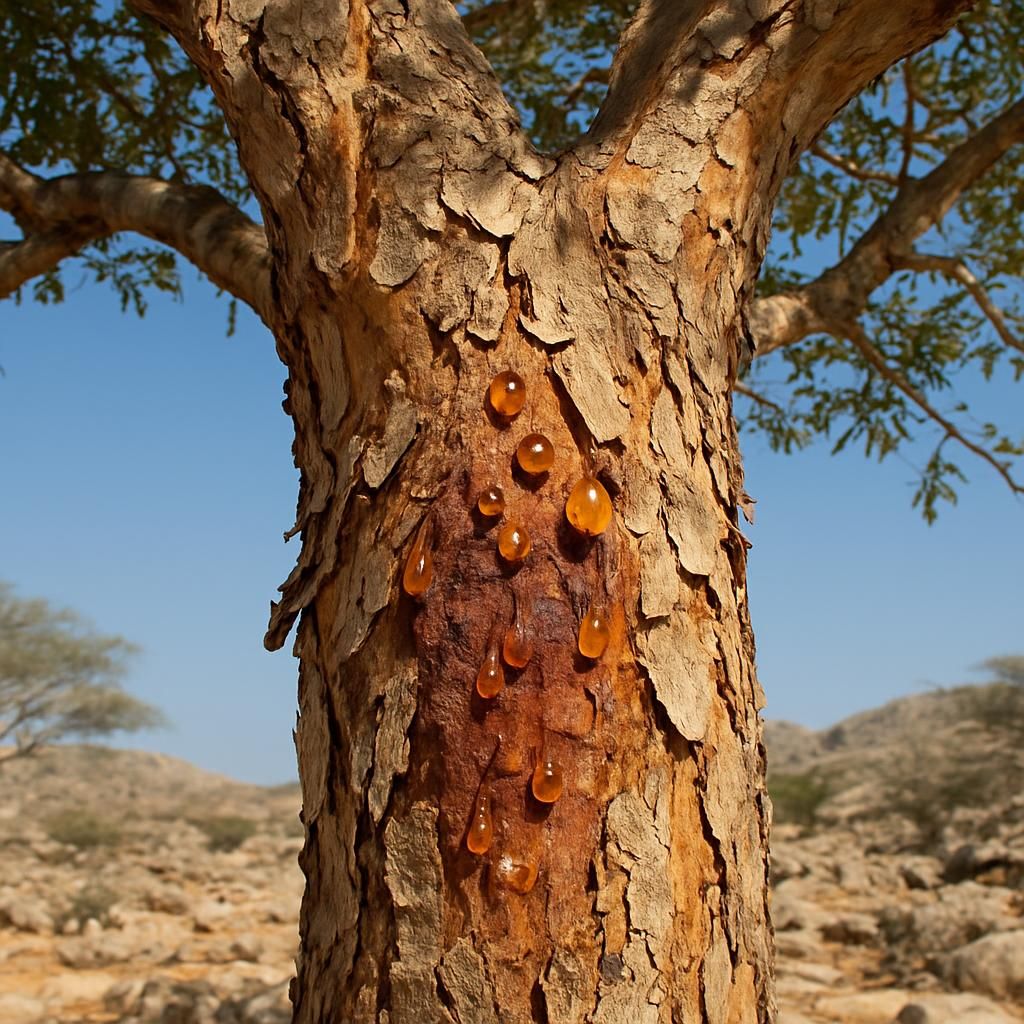
Burseraceae species are typically evergreen or deciduous trees reaching 5–25 meters in height with compound, alternate leaves and small, inconspicuous flowers. The defining characteristic is the presence of resin canals throughout the bark, wood, and leaves that produce fragrant oleoresins rich in terpenes and boswellic acids. Bark is often papery or peeling in species like Bursera simaruba, while Boswellia sacra develops thick, fissured bark suited to arid environments.
Reproductive biology varies by genus; many species are dioecious, requiring both male and female trees for seed production. Seeds are typically enclosed in drupes or capsules with hard coats that benefit from scarification. Resin chemistry differs significantly between species, with Boswellia producing pentacyclic triterpenes and Commiphora yielding sesquiterpenes used in traditional medicine.
Soil, pH, and Climate Requirements for Burseraceae
Burseraceae species generally prefer well-drained, rocky, or sandy soils with low fertility. Most commercial plantings occur on slopes or limestone-derived soils that prevent waterlogging. The following table outlines ideal growing conditions:
| Parameter | Ideal Range | Notes |
|---|---|---|
| Soil Type | Sandy loam, rocky, or limestone | Excellent drainage critical; avoid clay |
| Soil pH | 6.5–8.5 | Slightly alkaline preferred |
| Temperature Range | 20–35°C (68–95°F) daytime | Frost sensitive below 5°C |
| Annual Rainfall | 150–600 mm | Tolerates drought; supplemental irrigation improves resin yield |
| Elevation | 0–1500 m | Species-dependent; Boswellia often 300–1200 m |
| Sunlight | Full sun (6+ hours) | Partial shade reduces resin production |
Step-by-Step Planting & Propagation
Propagation of Burseraceae is achieved primarily through seed, though selected cultivars may be grafted. Fresh seeds should be scarified by soaking in warm water for 24 hours or lightly abrading the seed coat. Sow in well-drained seed trays using a 50:50 mix of coarse sand and perlite at 25–30°C. Germination typically occurs in 14–45 days depending on species.
Seedlings are transplanted at 20–30 cm height into individual containers or directly into field sites during the rainy season. Spacing for resin production is typically 4 × 4 m to 6 × 6 m, allowing adequate light and airflow. Grafting onto seedling rootstocks of the same species is used to propagate high-resin individuals, with success rates of 60–80% when performed during active growth periods.
Care & Maintenance regimes for Burseraceae
Young trees require regular weeding and protection from browsing animals for the first 3–5 years. Once established, Burseraceae species are highly drought-tolerant but benefit from supplemental irrigation during extended dry periods to maintain resin quality. Mulching with organic matter helps conserve moisture and suppress weeds.
The following table provides recommended water, fertilizer, and pruning schedules for commercial resin production:
| Growth Stage | Watering Schedule | Fertilizer Application | Pruning Schedule |
|---|---|---|---|
| Year 1–3 (Establishment) | 10–15 L per tree every 7–10 days during dry season | 50 g NPK 10-10-10 per tree at planting and 6 months | Remove lower branches at 1 m height to form single trunk |
| Year 4–7 (Juvenile) | Rainfed or 20 L every 14 days if rainfall <100 mm/month | 100 g NPK 15-15-15 split into 2 applications annually | Light structural pruning only |
| Year 8+ (Mature) | Minimal supplemental irrigation | 150–200 g balanced fertilizer post-harvest | Annual removal of dead wood; shape canopy for light penetration |
Pests, Diseases & Organic Management
Major pests include scale insects, mealybugs, and stem borers. Scale populations are managed through horticultural oil sprays applied during dormant periods and by encouraging natural predators such as lady beetles. Mealybugs are controlled using neem oil and insecticidal soaps.
Fungal diseases such as root rot and anthracnose occur primarily in poorly drained soils. Preventive measures include raised beds, strict irrigation scheduling, and removal of infected plant material. Organic growers apply compost tea and beneficial microbes to enhance soil suppressiveness.
Harvesting, Curing & Optimal Storage
Resin harvesting begins when trees reach 8–12 years of age. Tapping involves making shallow incisions in the bark during the dry season, allowing oleoresin to exude and harden over 2–4 weeks. Sustainable tapping limits cuts to 4–6 per tree per season to avoid long-term damage.
Collected resin is sorted by color and clarity, then cured in shaded, well-ventilated areas for 30–60 days. Properly cured resin is stored in airtight containers away from direct sunlight and moisture, maintaining quality for 2–3 years. Temperature should remain below 25°C with relative humidity under 60%.
Companion Planting for Burseraceae
Burseraceae trees integrate well with drought-tolerant legumes such as pigeon pea and gliricidia that fix nitrogen and provide light shade during establishment. Aromatic herbs like rosemary and thyme deter certain insect pests while occupying minimal space between rows.
Deep-rooted grasses such as vetiver can be planted on contours to reduce erosion on sloping resin plantations. Avoid planting with high-water-demand crops that compete for limited soil moisture in arid production zones.