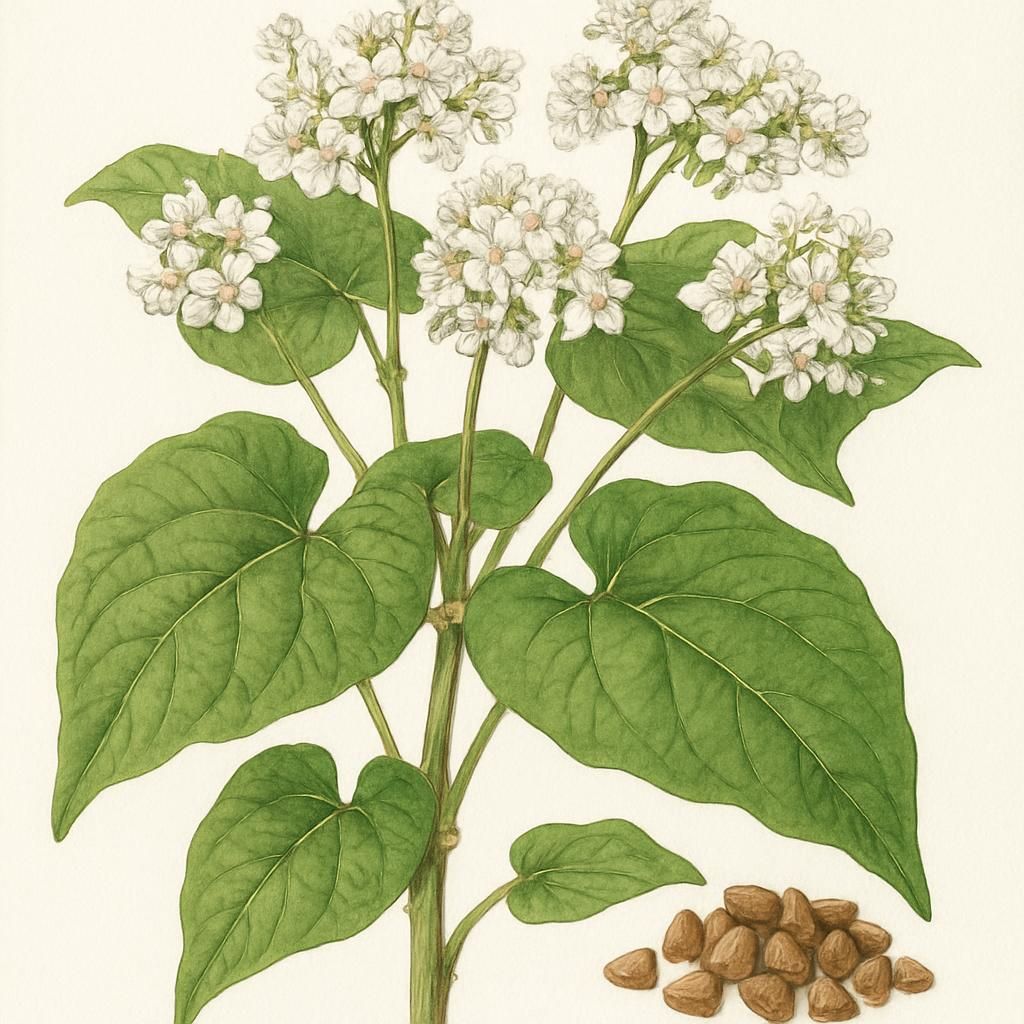
Introduction to Buckwheat (Manisoba)
Buckwheat, often referred to as Manisoba in certain regions, is a robust and adaptive pseudocereal. Unlike true cereals, buckwheat is not a grass, making it part of the Polygonaceae family. Famously quick-growing, this crop is prized for its nutrient abundance and soil-enriching qualities, marking its presence in both culinary and agricultural sectors.
Employed widely in crop rotation systems, buckwheat acts as a green manure, enhancing soil fertility and suppressing weed growth, thereby earning a reputable spot in sustainable farming practices. Additionally, its seeds are gluten-free, making them a preferred dietary alternative for individuals with gluten intolerance.
Botanical Profile of Buckwheat (Manisoba)
Buckwheat's rapid maturation and modest growth requirements make it a staple in many farming frameworks. Its white or pinkish flowers, which are insect-pollinated, eventually give way to triangular seeds that are consumed globally in various culinary forms.
- Family: Polygonaceae
- Genus: Fagopyrum
- Species: Fagopyrum esculentum
- Flowering Time: Spring to Summer
- Common Varieties: Common buckwheat, Tartary buckwheat
Soil, pH, and Climate Requirements for Buckwheat (Manisoba)
Buckwheat thrives in a variety of soils but shows optimal growth in well-drained, sandy loams. It tolerates poor soil conditions, enhancing its desirability for marginal lands. However, it is intolerant to waterlogged environments.
| Condition | Ideal Range |
|---|---|
| Soil Type | Sandy loam, well-drained |
| Soil pH | 5.0 to 6.5 |
| Temperature | 15°C to 25°C |
| Rainfall | 600mm to 1,200mm |
Step-by-Step Planting & Propagation
- Site Selection: Choose a location with full sun exposure. Ensure the soil is well-drained to prevent root rot.
- Soil Preparation: Test and adjust pH levels as necessary to align with ideal growing conditions. Loosen the soil with a tiller to improve root penetration.
- Sowing: Plant seeds directly in the field. Space seeds approximately 15-30 cm apart to ensure adequate air circulation and sunlight penetration. Cover seeds with a light layer of soil.
- Watering: Water soon after planting to help seeds germinate. Ensure consistent moisture, especially during dry spells.
- Germination: Buckwheat typically germinates within 3-4 days under ideal conditions.
Care & Maintenance Regimes for Buckwheat (Manisoba)
Buckwheat requires minimal maintenance but benefits from regular care to maximize yield.
| Activity | Frequency | Description |
|---|---|---|
| Watering | Weekly | Maintain consistent moisture; avoid waterlogged conditions |
| Fertilization | Initial | Incorporate compost before planting |
| Pruning | Not required | Buckwheat does not necessitate pruning |
Pests, Diseases & Organic Management
Buckwheat is relatively pest and disease-resistant but can experience issues like spider mites. Use organic pest control methods such as neem oil or insecticidal soap for management.
Common Pests:
- Aphids
- Grasshoppers
Diseases:
- Powdery mildew
- Leaf spot diseases
For detailed strategies on pest prevention, refer to the blog on Crop Diseases Under the Microscope: 9 Organic Fixes for Small Farm Resilience.
Harvesting, Curing & Optimal Storage
Buckwheat is harvested when the majority of seeds have matured but before they begin to shatter. This usually occurs about 10-12 weeks after sowing.
- Cutting: Use a scythe or mechanical harvester to cut the plants.
- Threshing: Once cut, plants should dry for several days in the field before threshing to separate the seeds.
- Storage: Store seeds in a cool, dry place to maintain seed viability. Airtight containers are recommended to prevent insect infestation.
Companion Planting for Buckwheat (Manisoba)
Buckwheat is an excellent companion plant, encouraging biodiversity and pest control in crops such as Soybeans and Corn. These combinations improve soil nitrogen levels and deter pests naturally through increased crop diversity.
For further insights into companion planting, explore our blog post on Summer Companion Planting: 10 Organic Pairings to Boost Small Farm Resilience.