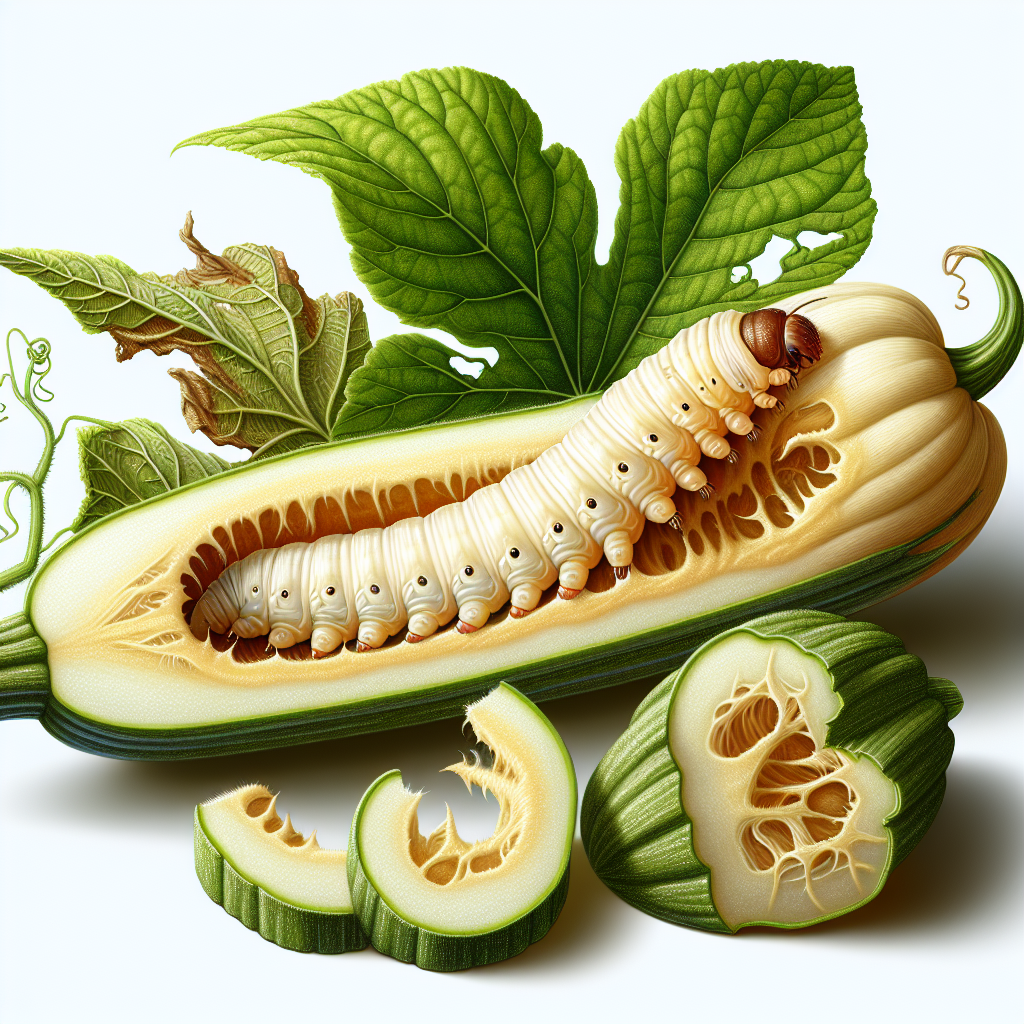
Introduction to Squash Vine Borer
The Squash Vine Borer, scientifically known as Melittia satyriniformis, stands out as one of the most devastating pests for cucurbit crops in North America. This moth's larvae tunnel into the stems of squash, pumpkins, and related plants, often leading to rapid plant collapse just as fruits begin to form. Unlike many pests that feed on leaves or fruits, the squash vine borer attacks the vascular tissue, severing the plant's ability to transport water and nutrients. Home gardeners and small-scale farmers frequently report total crop losses from this pest, making proactive management essential.
Recognizing the squash vine borer early is critical because damage appears suddenly—vines wilt during the day and fail to recover overnight. Adult moths resemble wasps with metallic green and orange bodies, but it's the white larvae inside the stem that cause the real harm. This guide equips you with diagnostic tools, lifecycle knowledge, organic treatments, and prevention tactics to protect your harvest. By understanding this pest's behavior, you can implement integrated pest management (IPM) strategies that minimize chemical use while maximizing yields. For more on vulnerable crops, see our detailed entry on Squash.
Identifying Symptoms & Damage
Squash vine borer damage is unmistakable once advanced, but early signs allow for intervention. The hallmark symptom is sudden wilting of the main vine, often starting at the base. Unlike drought stress, affected vines remain limp even after watering. Look for entry holes at the soil line or lower stem—small, round holes about the size of a pencil lead, often surrounded by frass (sawdust-like excrement) that resembles wet sawdust.
Examine stems closely: yellowing or browning at the base progresses upward. Sawdust piles accumulate near holes, and if you slit the stem lengthwise, you'll find creamy-white larvae up to 1 inch long with brown heads. Severely infested plants show rapid yellowing, leaf drop, and vine collapse within days. Secondary infections from caterpillars or powdery mildew can follow, complicating diagnosis.
Damage peaks mid-summer when fruits should swell, leading to stunted or aborted squash. Differentiate from squash bugs, which cause similar wilting but leave black eggs on leaf undersides and no frass. Use a knife to check for larvae; if present, confirm squash vine borer. For visual aids and AI-driven identification tips, check our Spring Pest Patrol blog post.
Lifecycle and Progression of Squash Vine Borer
Understanding the squash vine borer's lifecycle is key to timing controls. Adults emerge in early summer (June-July in most regions) from overwintering pupae in soil. These 1/2-inch moths have orange-red hind wings, metallic green forewings, and a wasp-like body, active during daylight. Females lay 100-200 flat, bronze eggs at stem bases over 1-2 weeks.
Eggs hatch in 7-10 days into tiny larvae that bore directly into vines. Larvae feed for 4-6 weeks, growing from 1/4 inch to 1 inch, molting five times. They produce tunnels filled with frass, girdling the vascular system. Mature larvae exit to pupate 1-2 inches deep in soil, overwintering as prepupae. There is typically one generation per year in northern areas, two in the South.
Monitor with yellow sticky traps or pheromone lures starting in late spring. Peak egg-laying coincides with summer solstice. Larvae are most vulnerable in first 7 days post-hatch before tunneling deep. Adults live 2-3 weeks; destroy crop residue to break the cycle.
Environmental Triggers & Risk Factors
Squash vine borers thrive in warm climates (70-90°F), with peak activity during hot, humid summers. They favor well-drained, sunny sites where cucurbits grow vigorously. Overly fertile soil promotes lush stems ideal for boring. Late-planted crops (post-June) escape early flights but face second generations.
Monocultures of susceptible varieties increase risk; intercropping with onion or garlic deters moths. Drought-stressed plants resist less, while excessive nitrogen leads to tender stems. Southern regions see higher pressure from multiple broods. Nearby wild cucurbits or last year's debris harbor pupae. Climate change extends ranges northward, hitting new areas.
Organic Control & Treatment Plans
Organic management combines cultural, physical, and biological tactics. Row covers: Drape lightweight fabric over plants until flowers appear (remove for pollination). This blocks moths entirely. Timing: Plant early (May) or late (July) to miss peak flights.
Manual removal: Check stems weekly from mid-June; slit above entry holes with a knife, extract larvae, and mound soil over wounds. Apply BT (Bacillus thuringiensis) kurstaki to bases at egg hatch (scout for adults). Trap crops: Plant Hubbard squash as borders; destroy infested vines.
Parasitoids: Encourage Trichogramma wasps via releases. Neem oil or spinosad sprays target young larvae. Soil solarization in off-season kills pupae. For severe cases, remove and bury infested plants. Rotate with non-cucurbits like beans for 2 years. Check out Cucumber Beetles for related IPM.
Preventing Squash Vine Borer in the Future
Prevention trumps cure. Select resistant varieties like 'Yellow Neck' butternut or 'Waltham' butternut—thicker stems deter boring. Use 3-4 inch stem collars of aluminum foil at planting. Crop rotation: Avoid cucurbits in same spot for 3 years.
Traps: Pheromone or yellow boards hung 5 feet high lure adults away. Till soil post-harvest to expose pupae to predators. Companion planting: Nasturtium or marigold repels moths. Mulch heavily to hinder egg-laying. Scout weekly with a hand lens. Clean tools to avoid spreading frass. Long-term, build soil health for resilient plants. For farm-scale prevention, explore AI pest forecasting in our Why Timing Kills Small Farm Profits blog—wait, no, stick to organic basics here.
Crops Most Affected by Squash Vine Borer
Primarily attacks Cucurbitaceae: squash (zucchini, yellow crookneck most vulnerable), pumpkin, cucumber. Least affected: butternut, some winter squashes with hard stems. Avoids melons mostly. Yellow summer squash suffers highest losses; blue hubbard resists better. Diversify with tomato or eggplant interplants.