Introduction to stem-boring pests
Stem-boring pests represent one of the most devastating groups of insects in agriculture, targeting the vascular tissues of plants and disrupting nutrient and water transport. These pests, primarily the larvae of moths (Lepidoptera), beetles (Coleoptera), and flies (Diptera), bore into stems, canes, and stalks, leading to lodging, reduced photosynthesis, and significant yield losses. Globally, they inflict billions in damages annually, particularly in staple crops like rice, wheat, corn, and sugarcane. Unlike foliar pests, stem borers are hidden, making early detection challenging and necessitating integrated pest management (IPM) strategies.
Understanding stem-boring pests is crucial for farmers, as their damage often manifests late in the season when corrective actions are limited. Key species include the European Corn Borer (Ostrinia nubilalis), maize stalk borer (Busseola fusca), rice stem borer (Chilo suppressalis), and sugarcane borer (Diatraea saccharalis). These pests thrive in warm, humid climates but can adapt to various regions. This guide provides diagnostic tools, lifecycle insights, organic controls, and prevention tactics to safeguard crops effectively. By recognizing entry points—small holes with frass (insect waste)—growers can intervene early, preserving crop integrity and profitability. For small farms, timely scouting paired with natural enemies like parasitic wasps can reduce populations by up to 50% without chemicals.
Identifying Symptoms & Damage
Diagnosing stem-boring pests requires keen observation of subtle initial signs progressing to severe damage. Early symptoms include small, round holes (1-3 mm diameter) at the base or mid-stem, often with sawdust-like frass and silk webbing. Affected plants show yellowing or wilting of upper leaves, 'dead heart' in young tillers (central leaf dies), and longitudinal cracks along stems. As larvae tunnel deeper, stems weaken, causing lodging—plants falling over, especially in wind or rain.
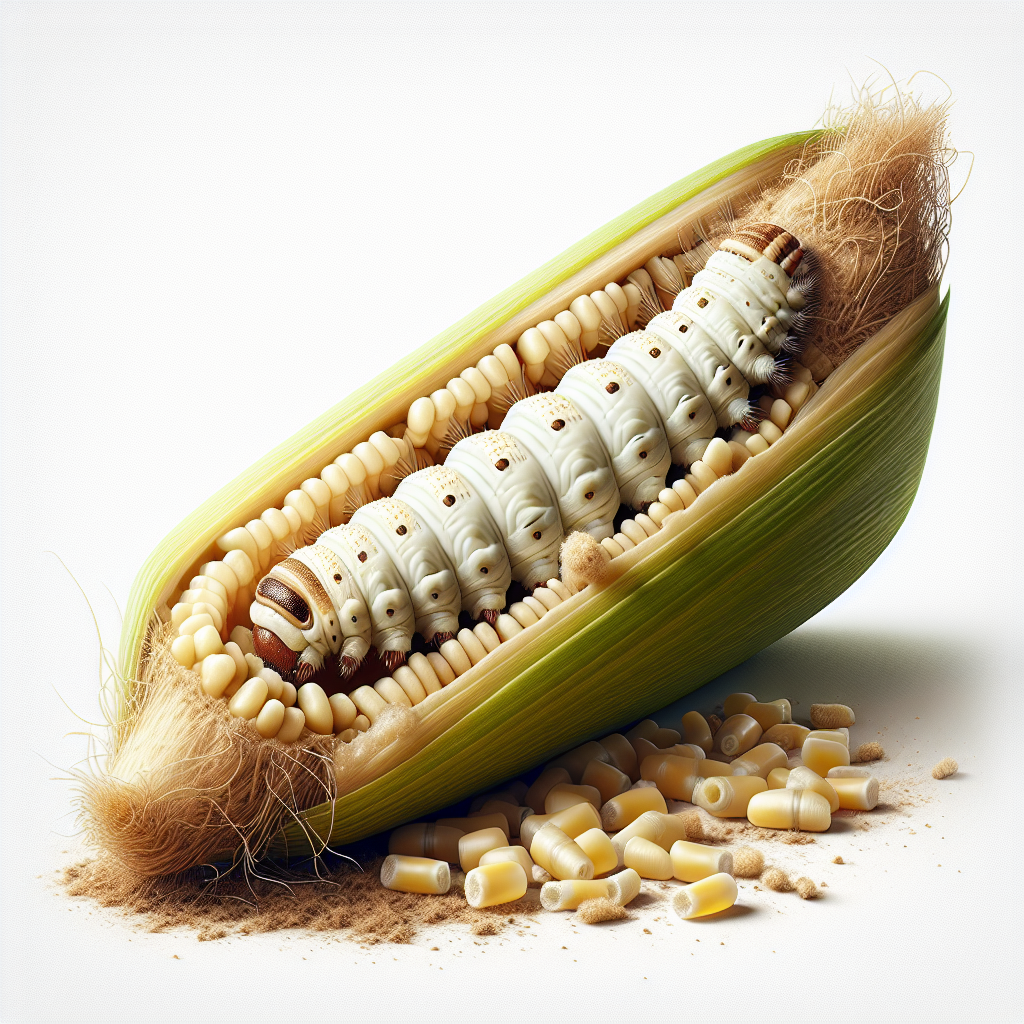
Cross-sectioning stems reveals the culprits: creamy-white caterpillars or pinkish larvae with brown heads, up to 25-40 mm long, feeding on pith. In advanced stages, tunnels fill with frass, sap oozes, and secondary infections by fungi like Fusarium or bacteria exacerbate damage. Yield impacts vary: in corn, ear development fails; in rice, panicles emerge white and empty; sugarcane shows reduced juice quality.
Differentiate from similar issues: unlike cutworms that sever stems at soil level, borers leave intact plants with internal galleries. Stalk rots cause soft, mushy stems without live larvae. Use a knife to split 10-20 stems per field; if >10% infested, action is needed. Monitor during tillering (grasses) or vegetative growth (canes). Tools like pheromone traps aid identification, confirming species like Corn borers. Document with photos for trends over seasons.
Lifecycle and Progression of stem-boring pests
Stem borers exhibit complete metamorphosis: egg, larva, pupa, adult. Females lay 100-500 eggs in clusters on leaf undersides or sheaths, hatching in 3-7 days into tiny larvae that mine leaves before boring stems. Larval stage (4-8 instars) lasts 3-6 weeks, with tunneling peaking during crop vegetative phase. Pupation occurs inside stems or debris, yielding moths/beetles in 7-14 days.
Multiple generations (2-5/year) align with crop cycles; e.g., rice stem borer has three in tropical Asia. Overwinter as diapausing larvae in stubble. Progression: eggs (1-2mm, flat, yellow); young larvae (web leaves); mature larvae (bore stems, exit to pupate); adults (moths 20-30mm wingspan, beige with zigzag patterns). Timing is critical—scout 20-30 days post-planting. In sorghum, peak boring coincides with booting stage, causing 30-70% loss if unchecked.
Environmental Triggers & Risk Factors
Warm temperatures (25-35°C), high humidity (>70%), and dense planting trigger outbreaks. Monocropping exhausts natural enemies; continuous rice-corn rotations amplify carryover. Poor drainage fosters fungal synergies, while nitrogen excess softens stems. Risk peaks in rainy seasons; irrigation mismanagement floods fields, aiding egg-laying. Weed hosts like bermuda grass harbor borers.
Climate change extends generations northward. Drought-stressed plants are vulnerable, as thin cell walls ease boring. Assess risk via field history: prior infestation doubles odds. Companion crops like marigold disrupt cycles. Read Spring Pest Patrol: Organic AI Strategies to Shield Your Crops from Common Invaders for predictive tools.
Organic Control & Treatment Plans
Organic management emphasizes prevention and biologicals. Cultural: Destroy stubble post-harvest (deep plow kills 80% larvae); rotate with non-hosts like legumes; time planting to miss peak moth flights (e.g., early rice). Biological: Release Trichogramma wasps (egg parasitoids, 1-2/week); conserve predators like ants, birds. Neem oil (azadirachtin) sprays on whorls deter egg-laying (apply 5% emulsion, 7-day intervals).
Mechanical: Pheromone traps (10/ha) monitor/ mass-trap males; split stems, remove/hand-crush larvae. Bt kurstaki (Bacillus thuringiensis) targets larvae (foliar spray at scouting). For sugarcane, trash mulching buries pupae. Integrated plan: Scout weekly, threshold 5% dead hearts; apply neem + Bt if exceeded. Success rates: 60-85% reduction. Avoid broad-spectrum; focus IPM. See Stem borers for species-specifics.
Preventing stem-boring pests in the Future
Long-term prevention builds resilient systems. Select resistant varieties (e.g., IR36 rice, DeKalb corn hybrids). Intercrop with thyme or nasturtium (repellents). Maintain field sanitation: remove volunteers, edge weeds. Use yellow sticky traps for adults. Push-pull: trap crops (Sudan grass) lure moths; push plants (desmodium) deter.
Monitor with apps for flight peaks. Enhance biodiversity: hedgerows with yarrow boost parasitoids. Soil health via cover crops (clover) strengthens stems. Annual audits: rotate, vary dates. This slashes populations 70% over years, cutting losses.
Crops Most Affected by stem-boring pests
Stem borers ravage cereals and canes. Top targets: rice (yellow stem borer), corn (European Corn Borer), wheat (Hessian fly), sorghum (maize stalk borer), sugarcane (top borer). Others: barley, millet, cassava. Losses: 10-60% in Asia/Africa. Grasses suffer most; diversify to mitigate.