Encyclopedia
Definitive guides for crops, pests, and agricultural diseases.
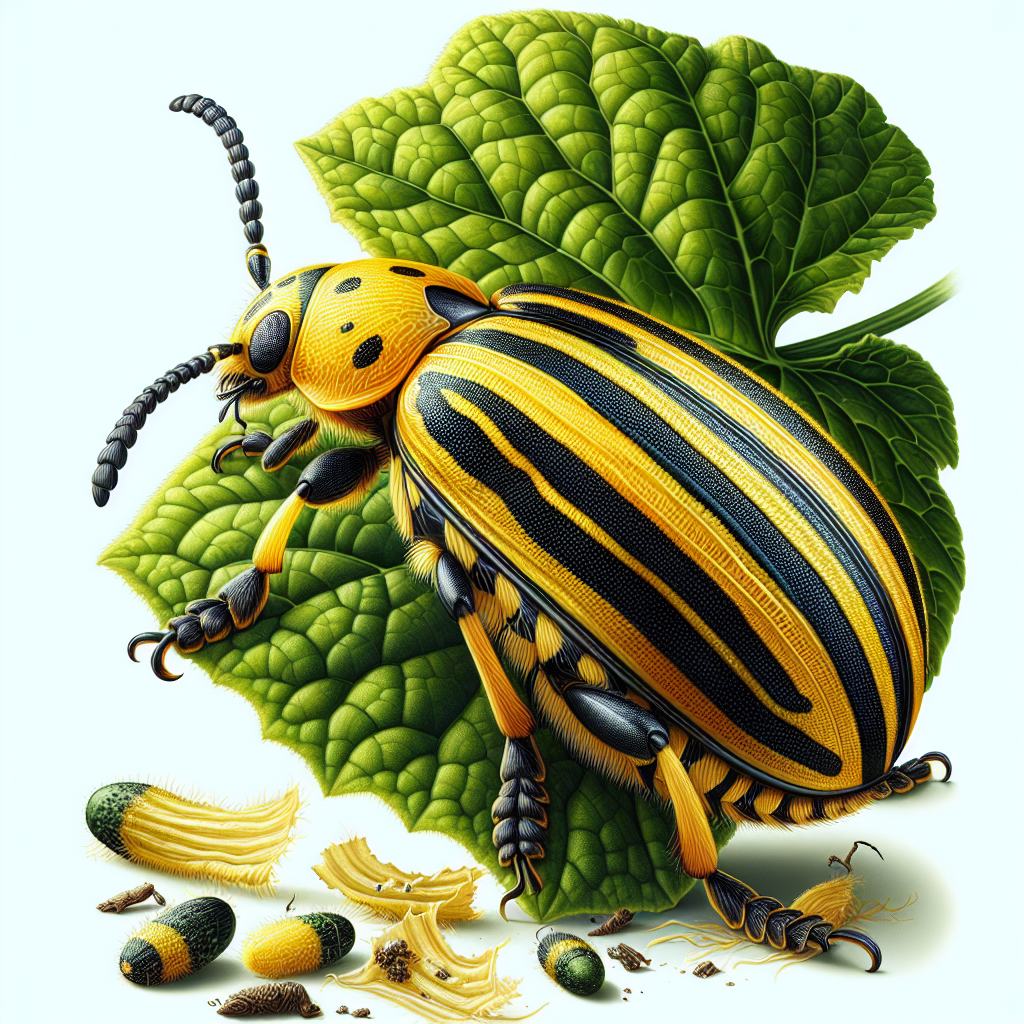
Striped Cucumber Beetle
The striped cucumber beetle (Acalymma vittatum) is a notorious pest of cucurbit crops, causing direct feeding damage to foliage, flowers, and fruits while vectoring bacterial wilt disease. Adults are easily identified by their yellow-black striped elytra, and larvae feed on roots. Effective management combines cultural practices, organic controls, and resistant varieties for sustainable protection.
View Profile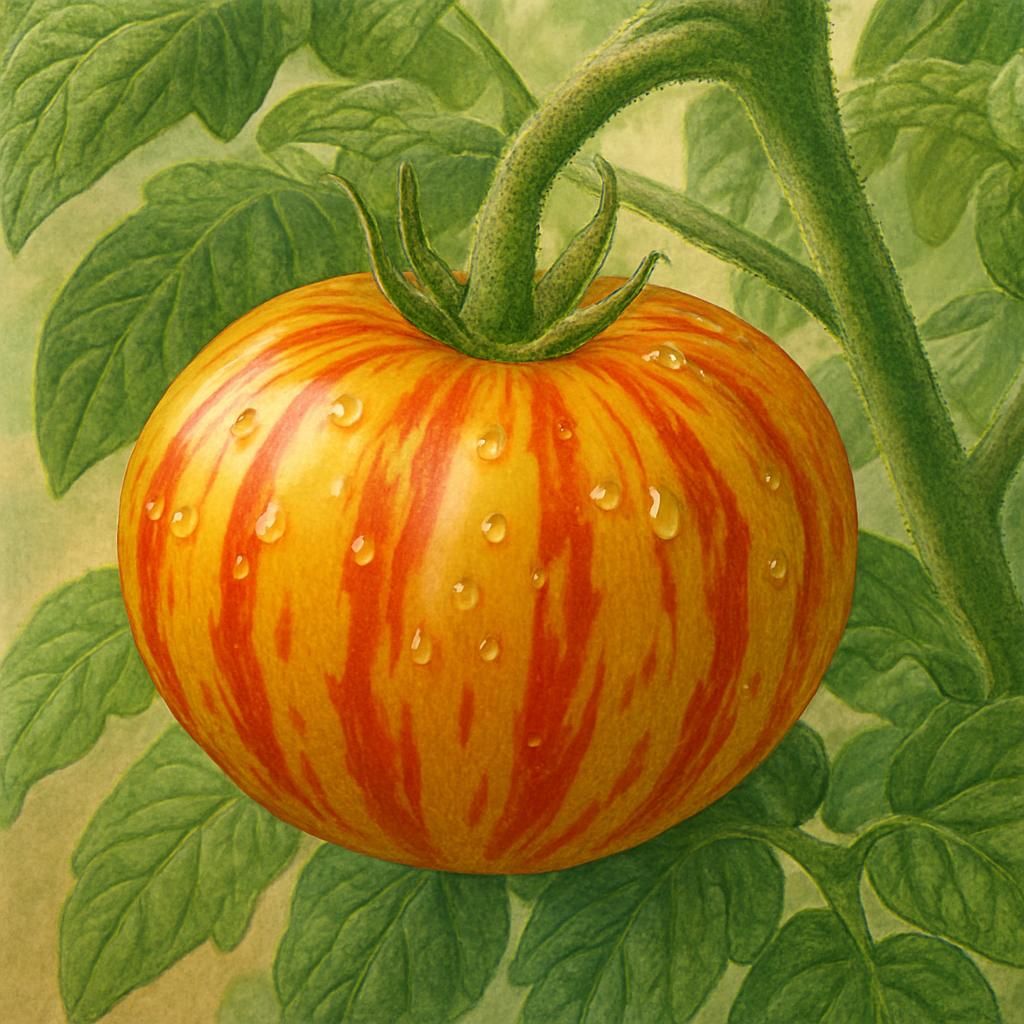
Striped German Tomato
Striped German is a large, heirloom beefsteak tomato prized for its striking yellow-orange fruits with deep red streaks and rich, sweet-tart flavor. This indeterminate variety offers high yields and excellent fresh-eating or canning qualities when grown with proper care.
View Guide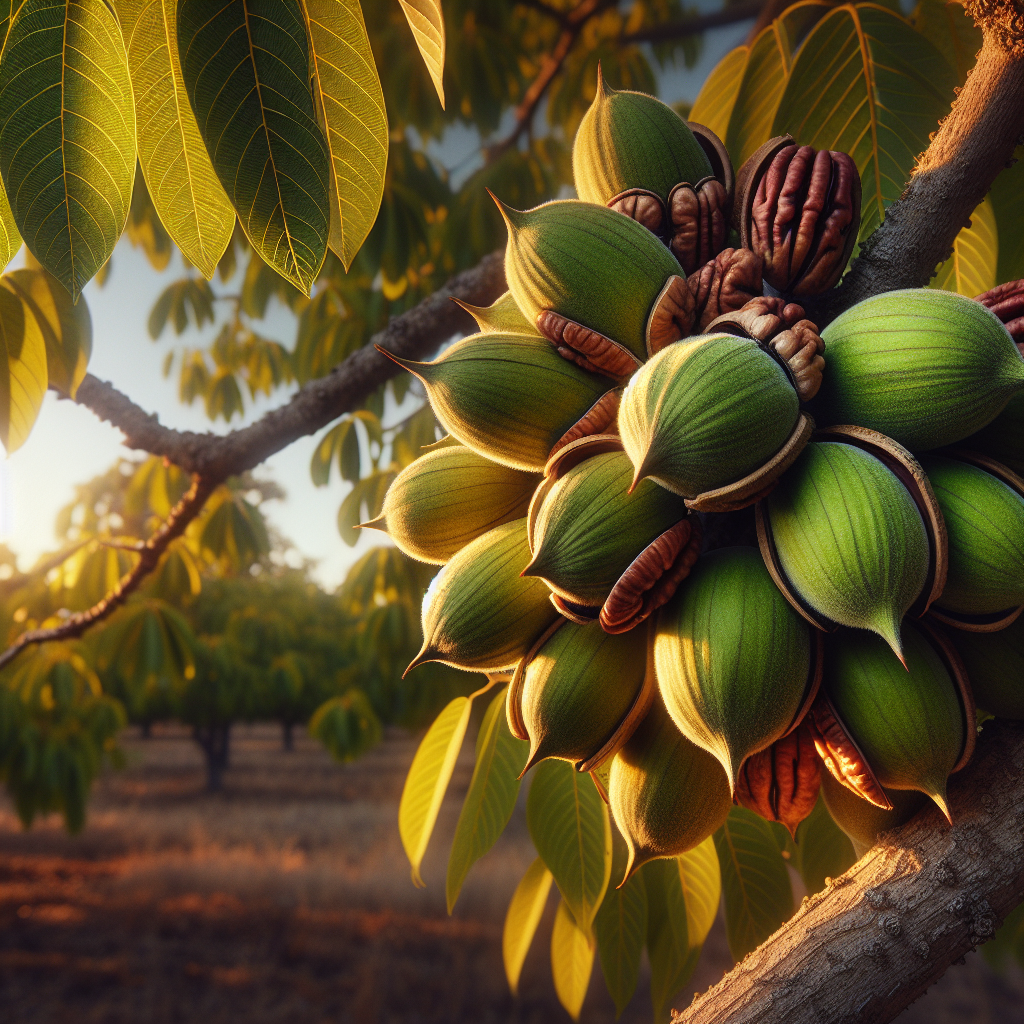
Stuart Pecan
Stuart Pecan is a historic, widely planted pecan cultivar valued for its dependable production, strong tree vigor, and good nut quality across much of the southeastern United States. It is especially known as a classic pollinizer and orchard tree, though modern growers must manage its disease susceptibility, long juvenile period, and large mature size carefully.
View Guide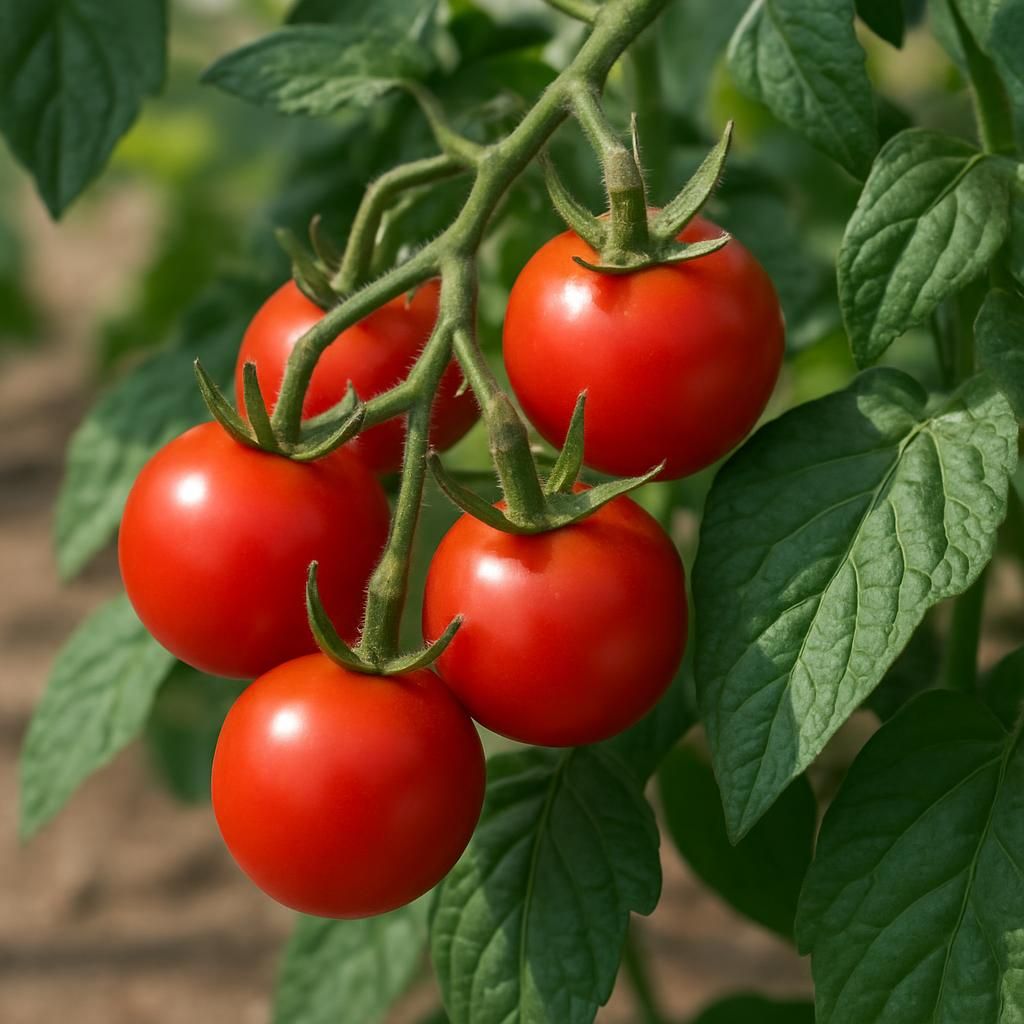
Stupice Tomato
Stupice is a cold-tolerant, early-maturing heirloom tomato variety prized for its sweet, tangy flavor and reliable performance in cool climates. This determinate-to-semi-indeterminate Czech cultivar produces abundant clusters of small, round red fruits with excellent taste and disease resistance.
View Guide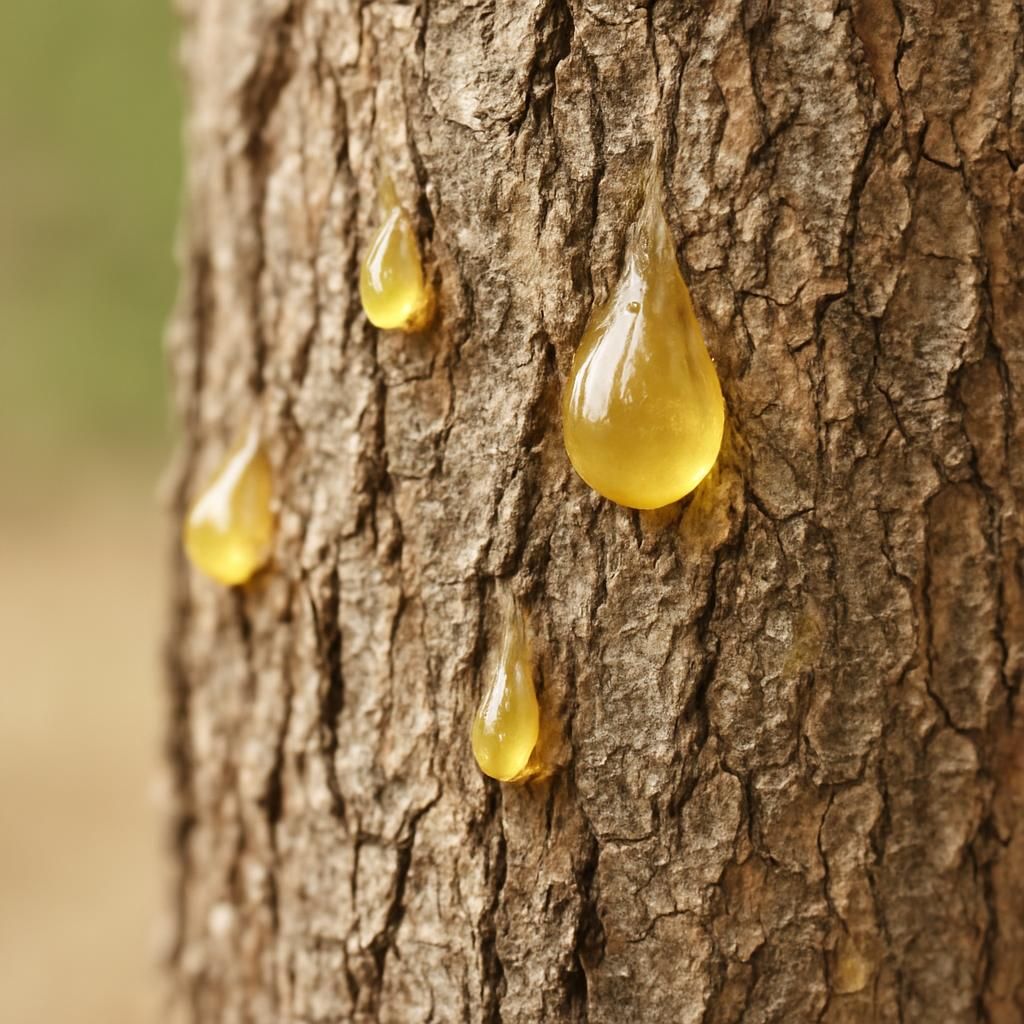
Styrax Resin
Styrax Resin is a resin-producing shrub or small tree valued for its aromatic benzoin resin used in perfumery, traditional medicine, and incense. This definitive guide covers all aspects of cultivation from soil and climate to harvesting and storage.
View Guide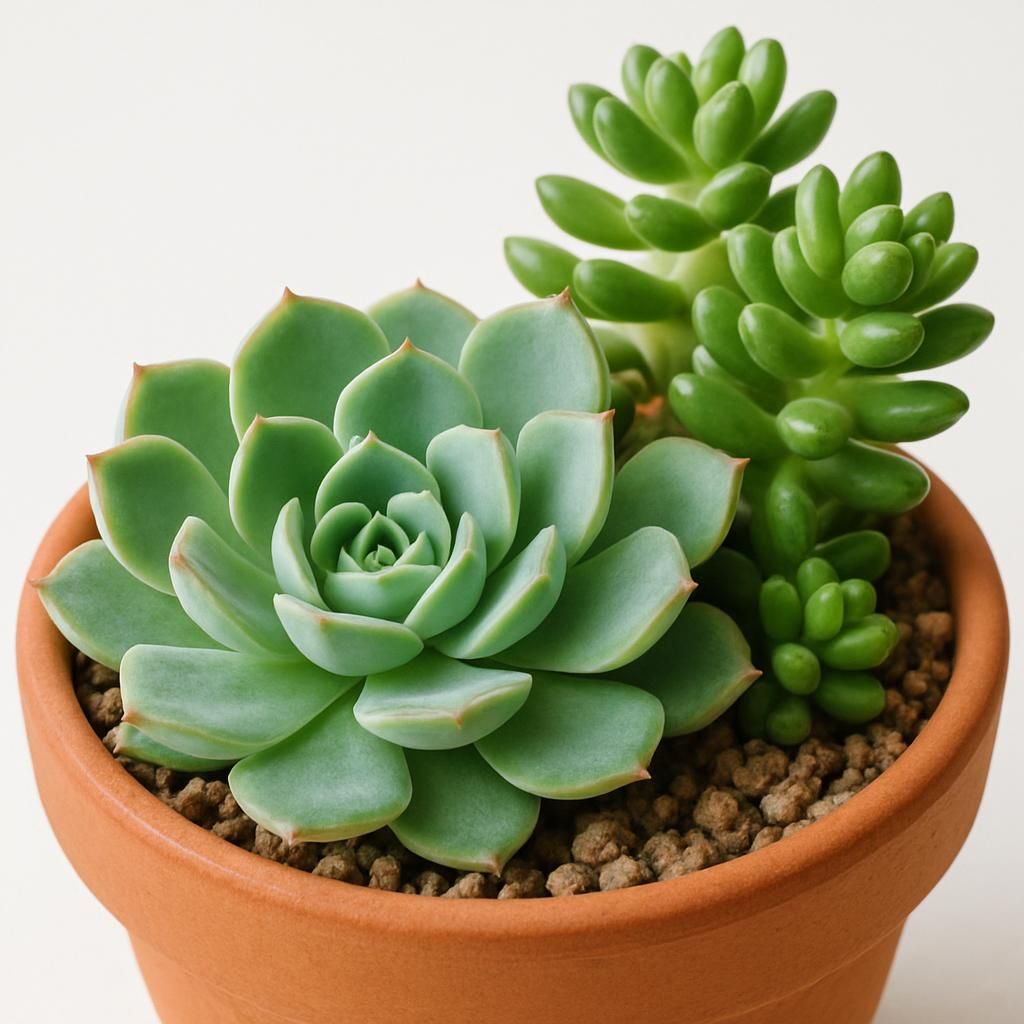
succulents
Succulents are water-storing plants prized for drought tolerance, low maintenance, and architectural form. This definitive guide covers botanical traits, ideal growing conditions, propagation, year-round care, organic pest management, and companion strategies for commercial and home growers.
View Guide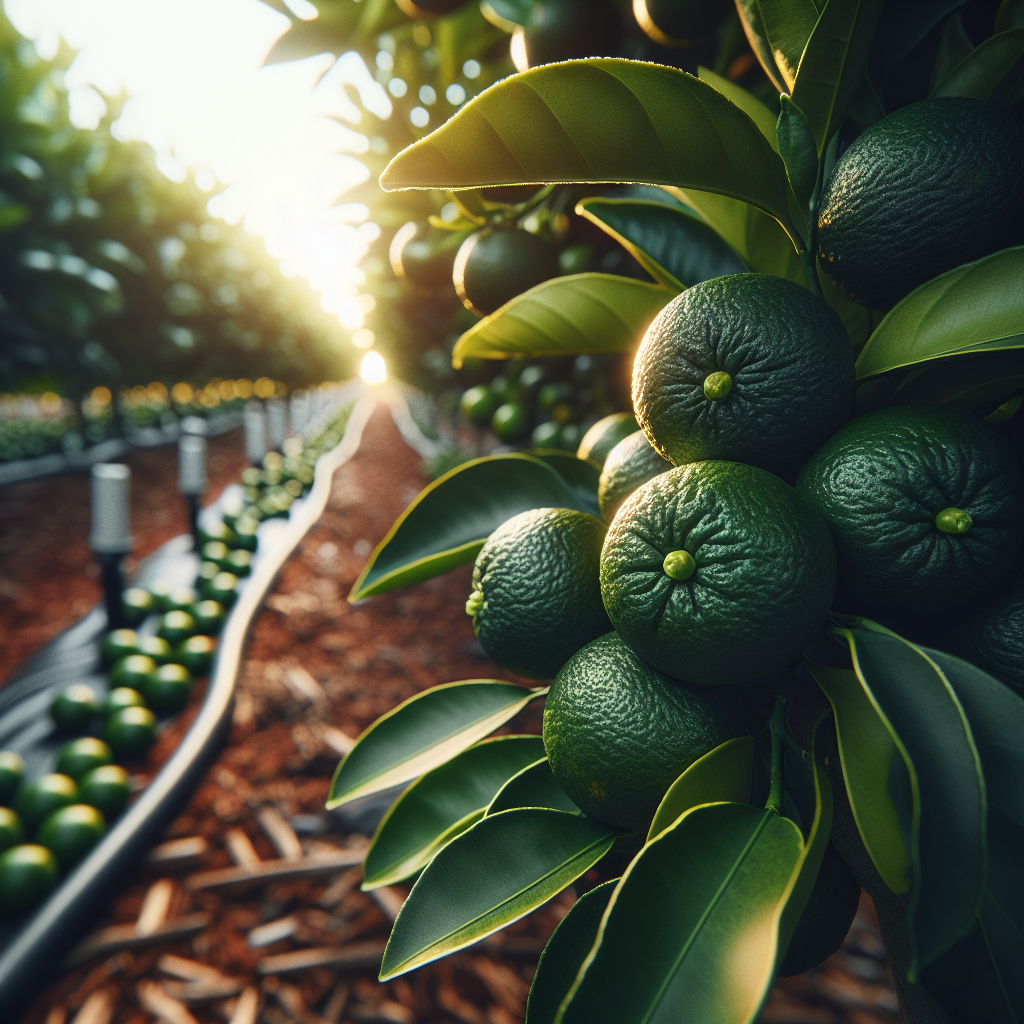
Sudachi
Sudachi is a small, highly aromatic Japanese citrus prized for its sharp acidity, green-harvested fruits, and exceptional culinary value rather than sweetness. Best suited to humid subtropical to warm temperate citrus regions, it rewards careful water, nutrition, and frost management with heavy crops of intensely fragrant fruit used like a premium seasoning lime.
View Guide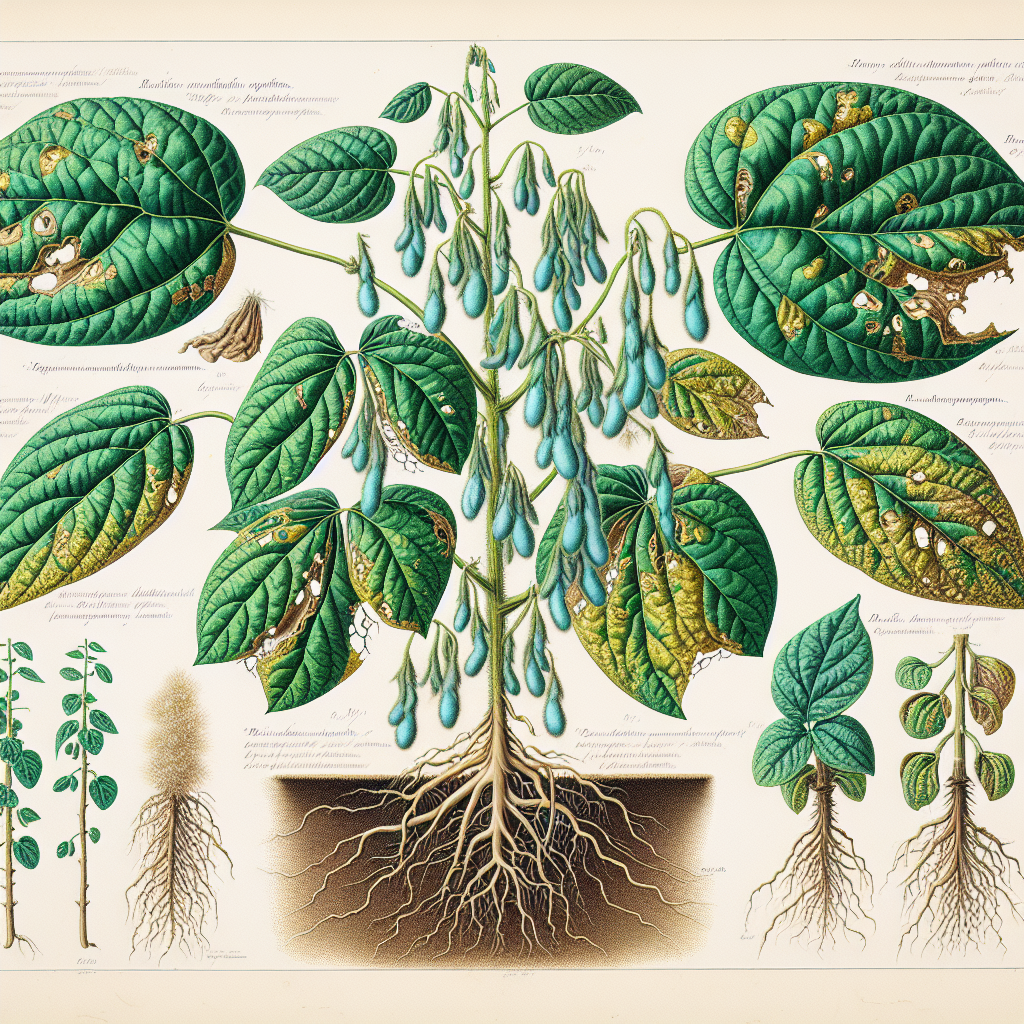
sudden death syndrome
Sudden Death Syndrome (SDS) is a devastating fungal root disease primarily affecting soybeans, caused by Fusarium virguliforme, leading to rapid plant wilting and death during reproductive stages. It manifests as yellowing leaves with interveinal chlorosis progressing to necrosis, often without prior visible symptoms. Effective management relies on resistant varieties, soil health practices, and timely interventions to minimize yield losses up to 80%.
View Profile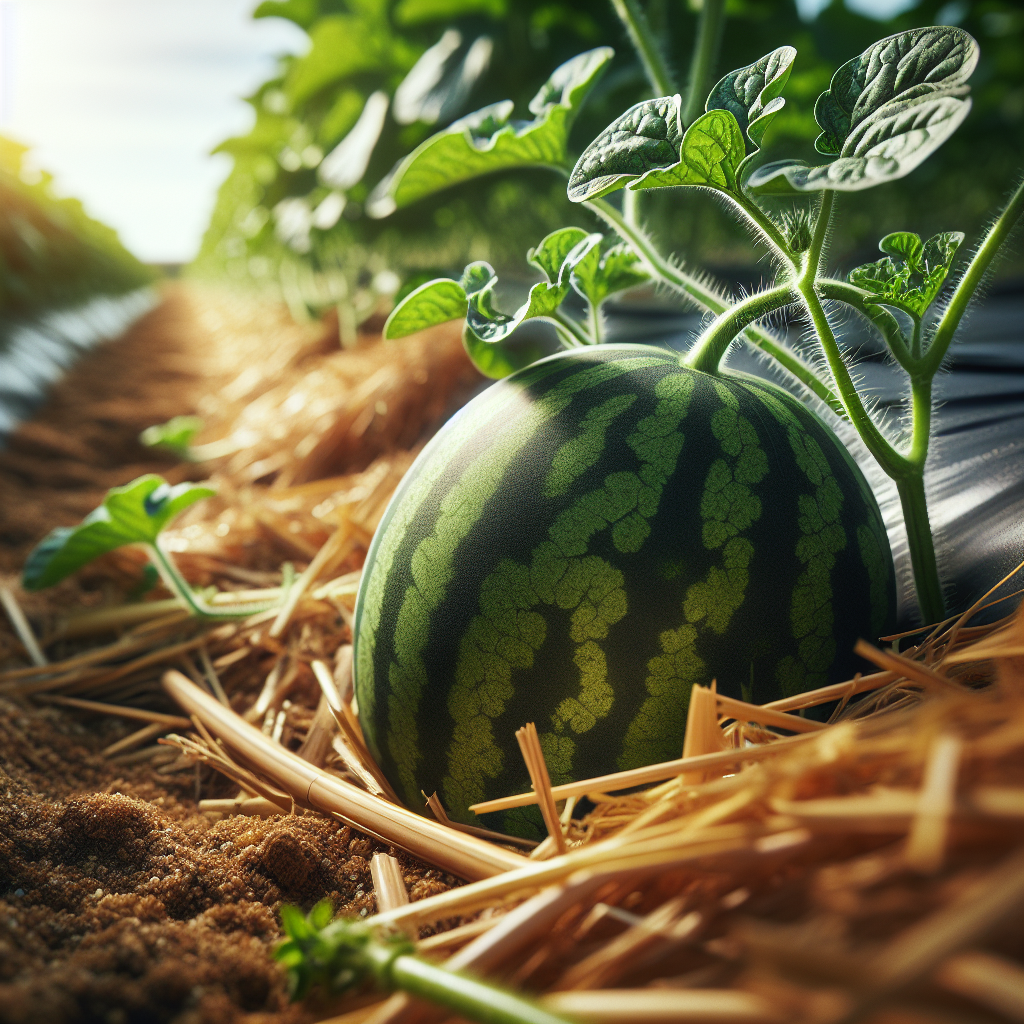
Sugar Baby Watermelon
Sugar Baby Watermelon is a classic early, compact icebox-type watermelon prized for its dark green rind, deep red flesh, and sweet flavor in relatively small fruits. It is especially valued by home growers and market gardeners who want dependable production, shorter days to maturity, and vines that fit better into modest garden spaces than many sprawling watermelon cultivars.
View Guide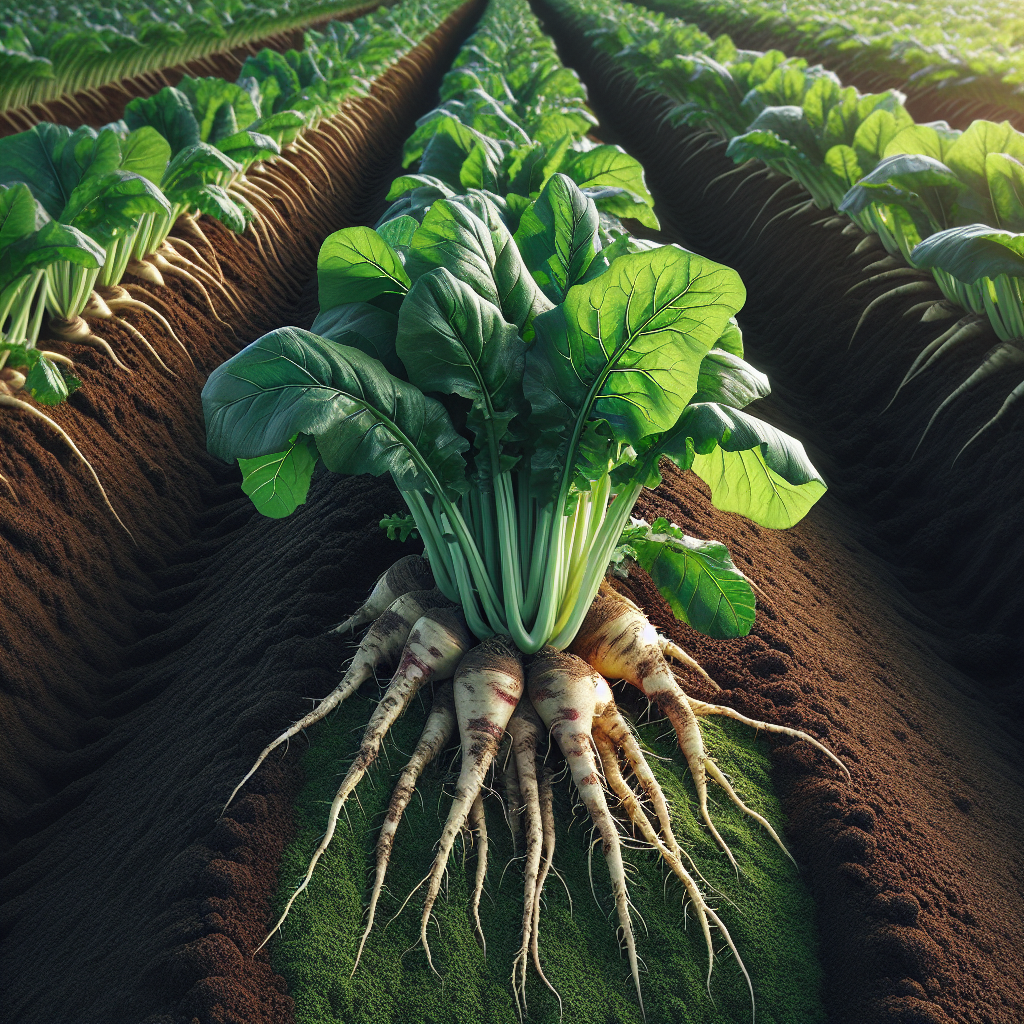
Sugar Beet
Sugar beet is a cool-season root crop bred specifically for high sucrose concentration in its swollen taproot, making it one of the world’s major sources of refined sugar. It is highly responsive to soil structure, fertility balance, irrigation timing, and pest management, so careful agronomy is essential for producing heavy, sugar-rich roots with good storability.
View Guide
Sugar Pie Pumpkin
Sugar Pie Pumpkin is a classic small pie pumpkin prized for dense, sweet flesh, manageable fruit size, and dependable productivity in home gardens and market plots. Compared with larger carving pumpkins, it matures relatively quickly, stores well when properly cured, and is especially valued for baking, roasting, purée, and soups.
View Guide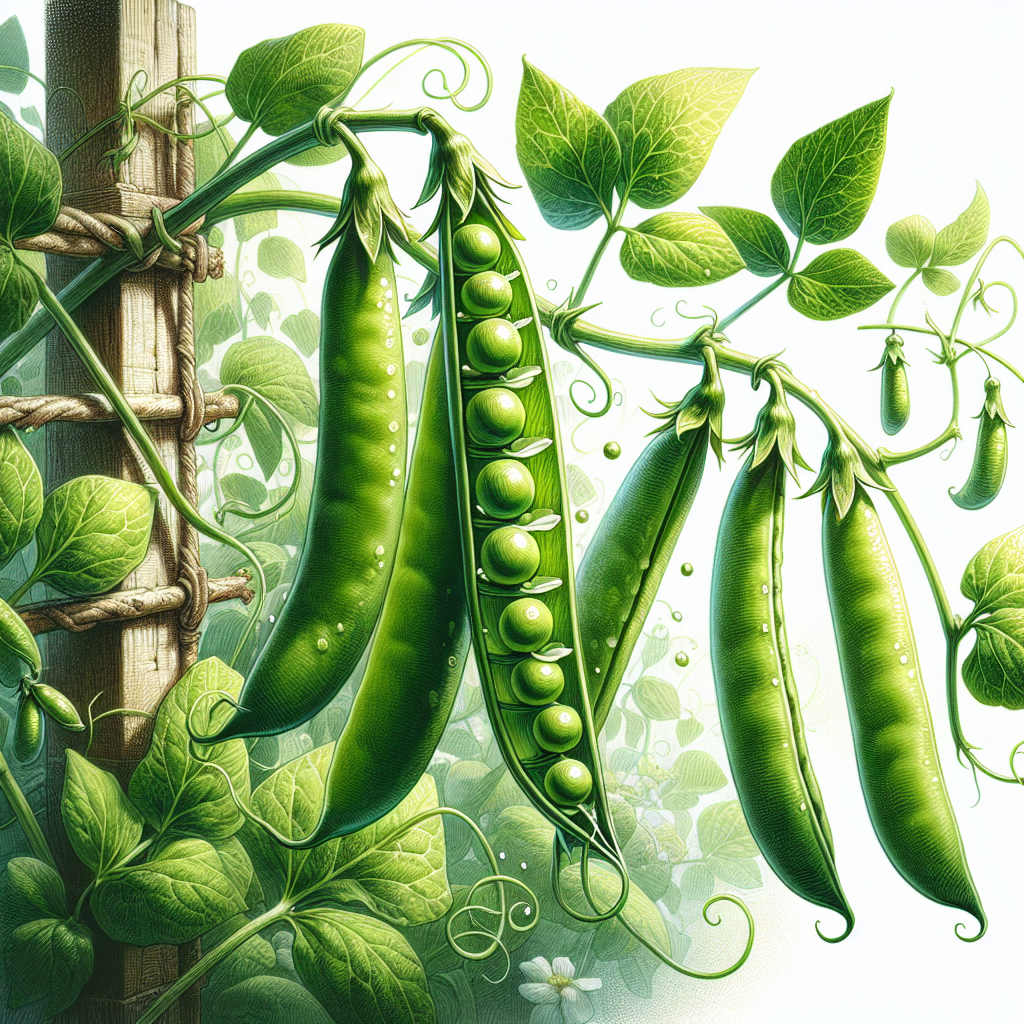
Sugar Snap Peas
Sugar snap peas are a delectable, crunchy variety of edible-pod peas prized for their sweet flavor and nutritional value, thriving as a cool-season crop in home gardens and small farms. This comprehensive guide covers everything from soil preparation and planting to pest management and harvesting, helping you achieve bountiful yields of these versatile legumes. With proper care, sugar snap peas deliver high returns in minimal space, making them ideal for beginners and seasoned growers alike.
View Guide
Sugarcane
Sugarcane is a tall, perennial tropical grass grown for its sweet, juice-rich stalks and as a major source of sugar, jaggery, syrup, ethanol, and animal fodder. Productive crops depend on warm temperatures, high light, fertile well-drained soils, and careful management of seed cane, water, nutrients, and ratoon cycles.
View Guide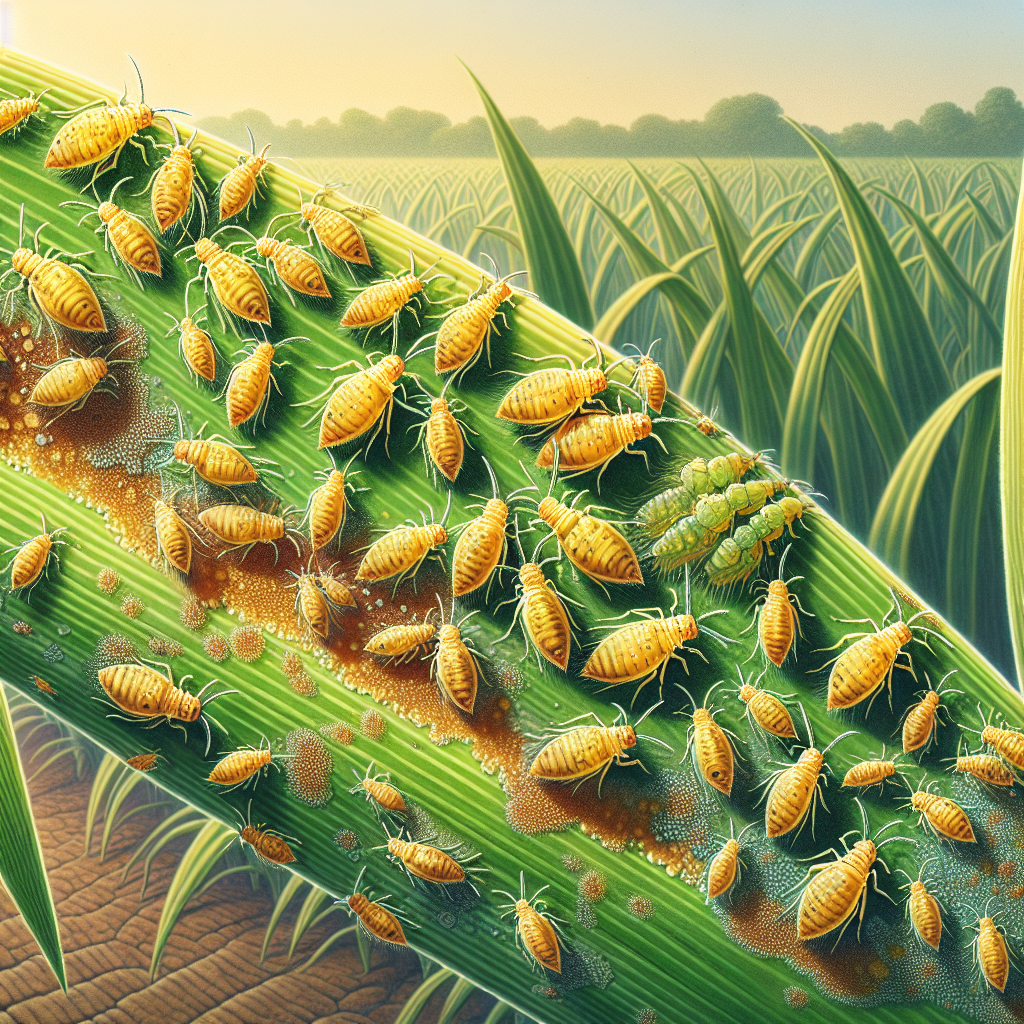
sugarcane aphid
The sugarcane aphid (Melanaphis sacchari) is a small, yellow-orange pest that rapidly colonizes sugarcane and grain crops, sucking sap and excreting honeydew that promotes sooty mold. It causes stunted growth, yellowing leaves, and significant yield losses, particularly in warm climates. Effective management combines resistant varieties, natural predators, and organic treatments for sustainable control.
View Profile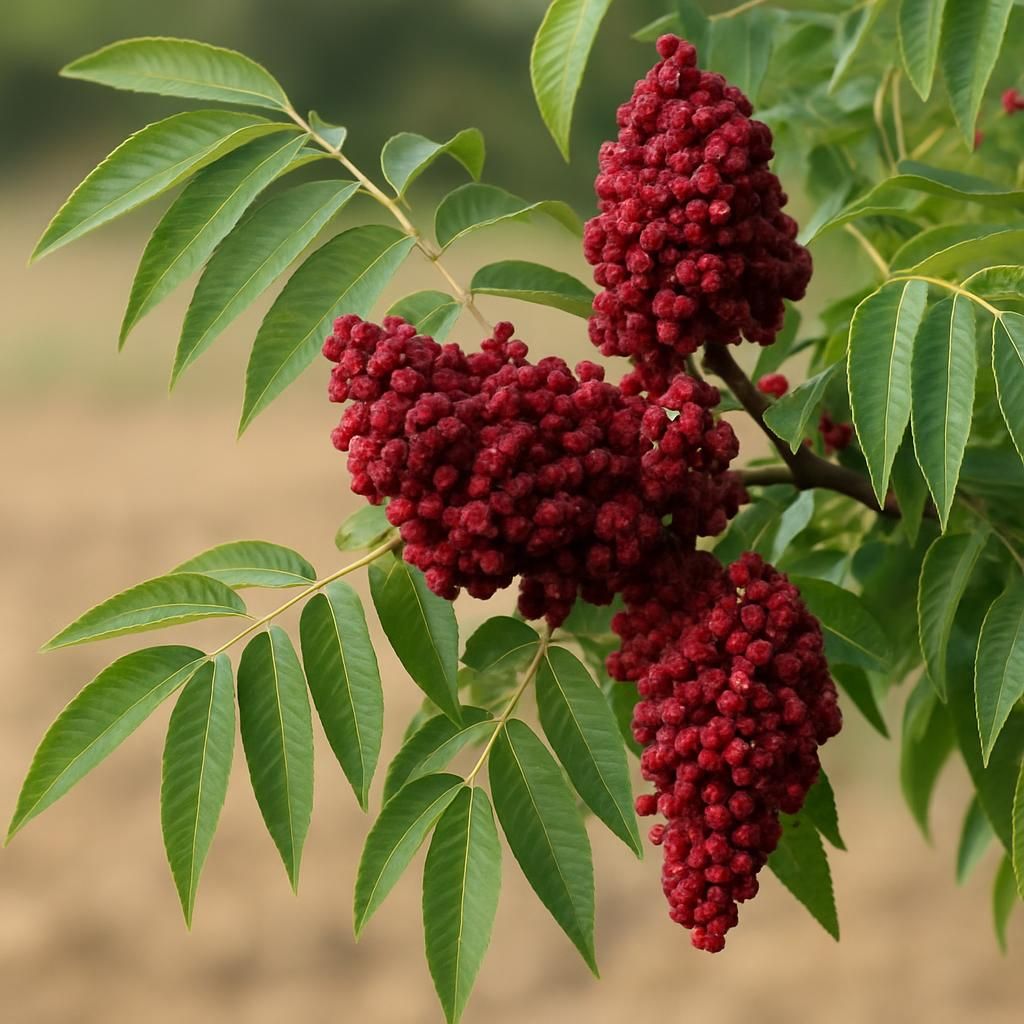
Sumac Berry (Rhus coriaria)
Rhus coriaria, commonly known as Sicilian or Tanner's sumac, is a drought-tolerant shrub cultivated for its tangy, crimson drupes used as a culinary spice and natural preservative. This definitive guide covers every stage of commercial and home-scale production from site selection through post-harvest curing.
View Guide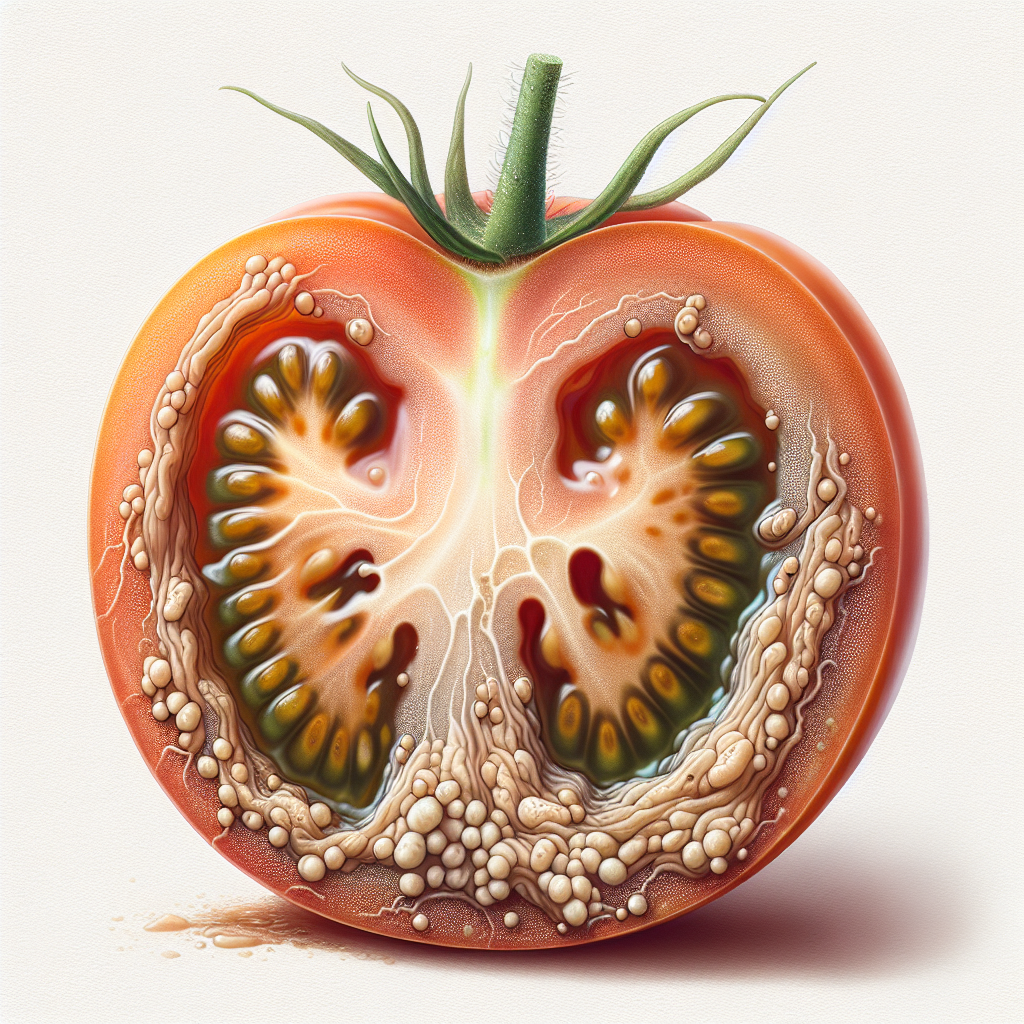
Summer rots
Summer rots are devastating fruit and stem diseases caused primarily by Phytophthora pathogens thriving in hot, humid conditions, leading to rapid tissue decay in susceptible crops. They manifest as soft, watery lesions that progress to complete rot, often exacerbated by poor drainage and overhead watering. Effective management relies on cultural practices, resistant varieties, and organic fungicides to minimize losses during peak summer heat.
View Profile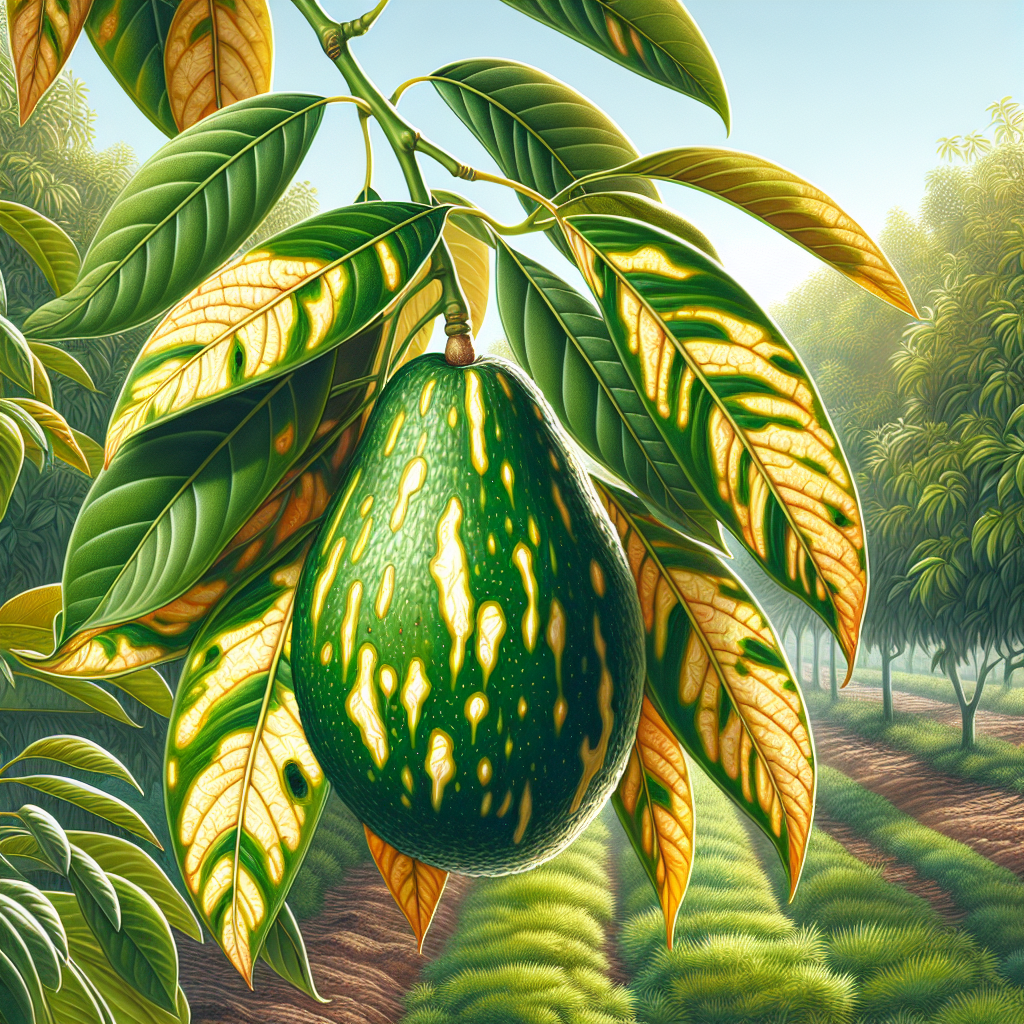
Sunblotch viroid
Sunblotch viroid is a highly contagious pathogen that primarily affects avocado trees, causing characteristic yellow or white blotches on leaves, stunted growth, and reduced fruit yield. This subviral agent spreads mechanically through contaminated tools, infected propagation material, and pollen. Effective management relies on certified disease-free planting stock and strict sanitation practices, as no curative treatments exist.
View Profile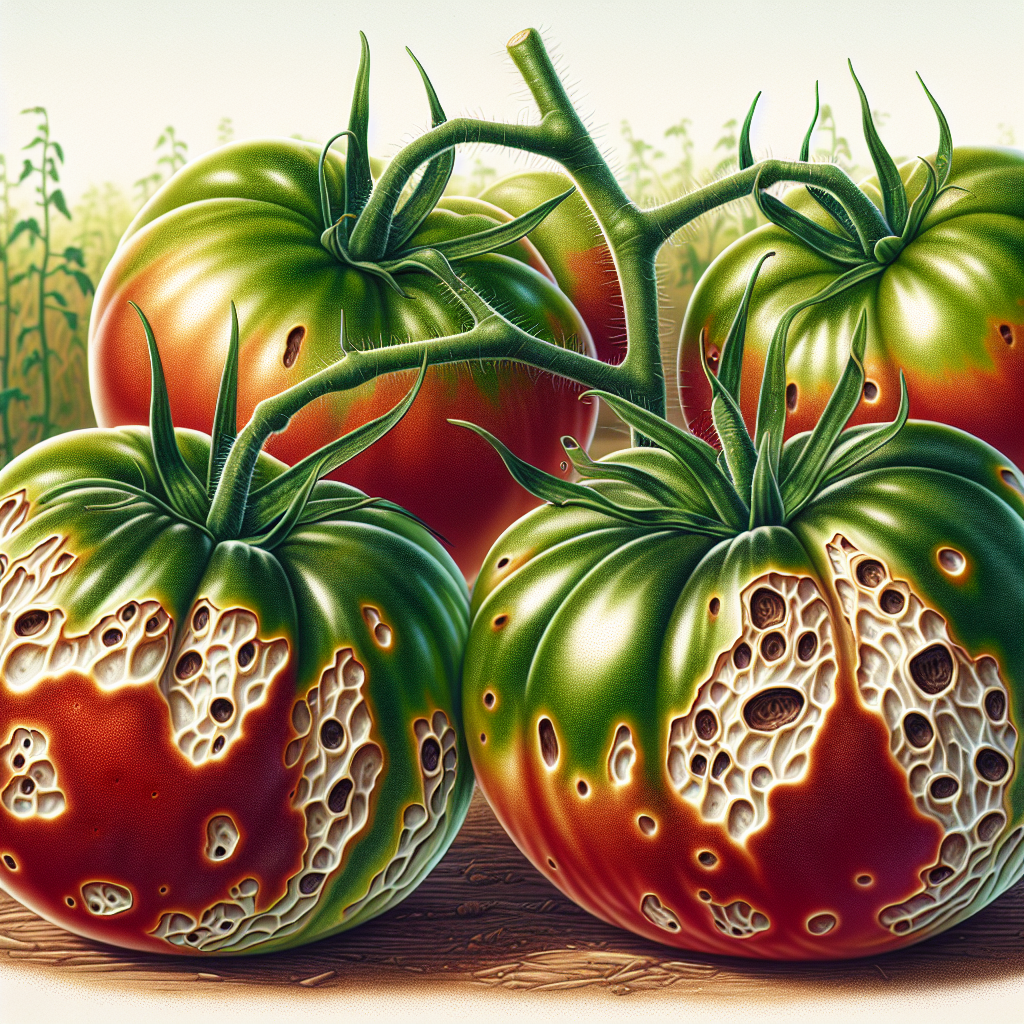
Sunburn
Sunburn in crops is a prevalent abiotic disorder triggered by intense solar radiation and high temperatures, causing cellular damage to leaves, fruits, and stems. This guide delivers expert diagnostics, organic management strategies, and prevention techniques to safeguard yields. Tailored for farmers tackling sunburn in tomatoes, peppers, and fruit crops.
View Profile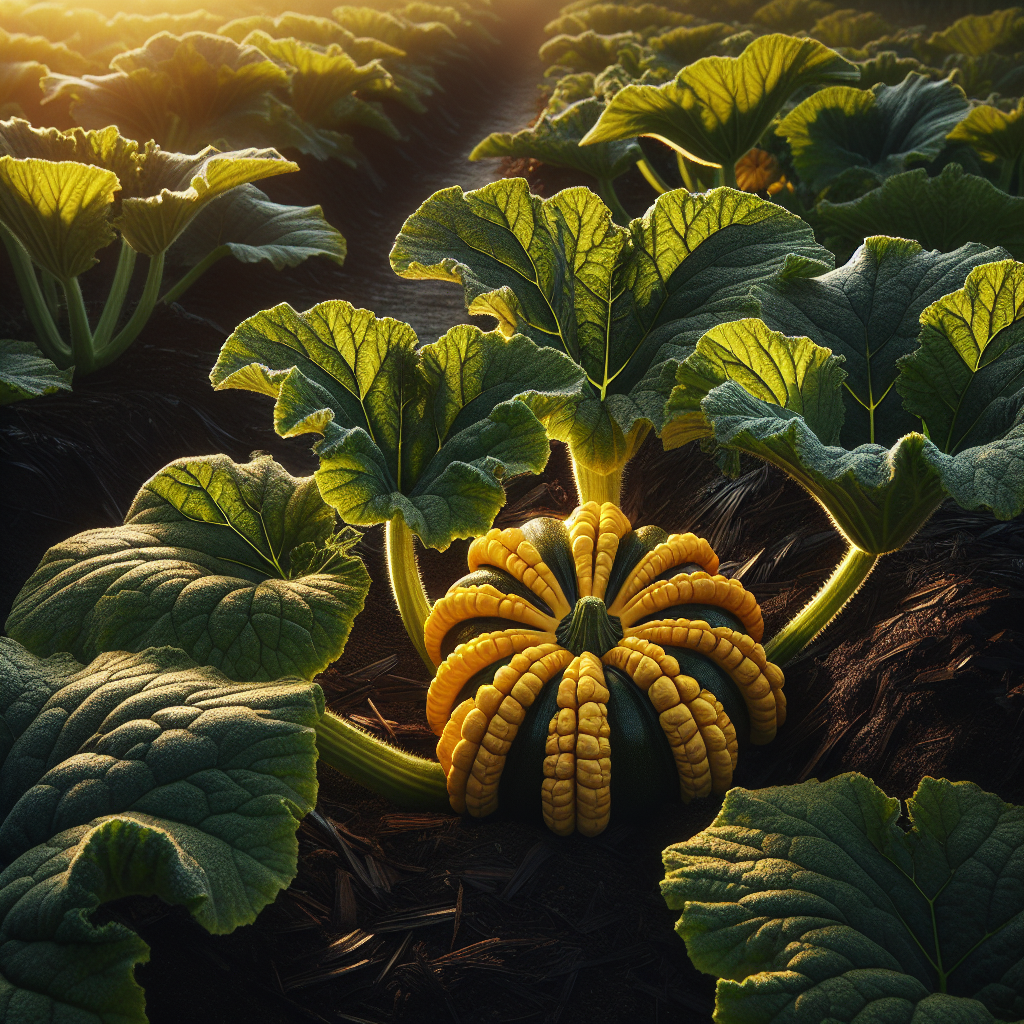
Sunburst Squash
Sunburst squash is a bright yellow pattypan-type summer squash prized for its scalloped shape, tender flesh, and high productivity in warm-season gardens. This hybrid cultivar matures quickly, performs best in fertile, well-drained soil, and rewards attentive growers with a steady harvest of glossy, marketable fruits.
View Guide
Sunflower
Sunflower is a fast-growing, warm-season annual prized for edible seeds, oil production, pollinator value, and ornamental impact. With proper soil preparation, precise moisture management, and timely harvest, it performs reliably from home gardens to commercial fields across many temperate and subtropical regions.
View Guide
sunflower beetles
Sunflower beetles are significant defoliating pests primarily targeting sunflower crops in North America, with both adults and larvae feeding voraciously on leaves. Effective management combines scouting, economic thresholds, and integrated strategies to minimize yield losses. This guide provides diagnostic, lifecycle, and organic control insights for farmers.
View Profile
Sunflower moth
The sunflower moth (Homoeosoma electellum) is a significant pest of sunflower crops, with larvae boring into developing seeds and causing substantial yield losses. This guide provides comprehensive diagnostics, lifecycle insights, organic management strategies, and prevention tactics for farmers targeting [Sunflower](/wiki/sunflower) production. Effective control hinges on timely scouting and integrated approaches to protect seed quality and maximize harvests.
View Profile
Sunflower Seed (Black Oil)
Black oil sunflower is a fast-growing annual oilseed crop prized for its high oil content, birdseed value, and soil-improving qualities. This comprehensive guide covers every stage from soil preparation through harvest and storage.
View Guide
Sunflower Seed (Mammoth Grey Stripe)
Mammoth Grey Stripe is a tall, high-yielding heirloom sunflower prized for large edible seeds and vigorous growth. This guide covers soil preparation, planting schedules, organic pest control, and harvest techniques for reliable commercial or home-scale production.
View Guide