Introduction to Stalk rots
Stalk rots represent a complex of destructive diseases primarily targeting the lower stalks and vascular systems of major field crops like corn, wheat, sorghum, and sugarcane. These diseases are caused by a range of soilborne fungal pathogens, including Fusarium species (e.g., Fusarium verticillioides, Fusarium graminearum), Rhizoctonia solani, Pythium spp., and Colletotrichum graminicola. Unlike foliar diseases, stalk rots attack from the inside out, disrupting nutrient and water transport, which leads to rapid plant collapse during grain fill.
Globally, stalk rots cause billions in annual losses, with epidemics often exacerbated by high-yield monocultures and changing climate patterns. In the U.S. Corn Belt, Fusarium stalk rot alone can reduce yields by 10-30% in severe years, while in tropical regions, it devastates sorghum and sugarcane production. Early detection is challenging due to hidden symptoms, making proactive management essential for sustainable agriculture. This guide provides farmers with diagnostic tools, lifecycle insights, and organic strategies to combat stalk rots effectively. For more on related issues in corn, check our detailed wiki on root and stalk rots. And discover practical prevention tips in Soil Health Mastery: 5 Proven Strategies for Small Farms to Build Fertile Ground Without Breaking the Bank.
Identifying Symptoms & Damage
Stalk rot symptoms often appear late in the growing season, but vigilant scouting reveals early signs. Initial indicators include small, water-soaked lesions at the base of stalks, often near soil line, progressing to brown, shredded vascular bundles. In corn, look for the 'pinch test': gently squeeze lower internodes—if they compress easily like a wet sponge, rot is advanced.
Key diagnostic features:
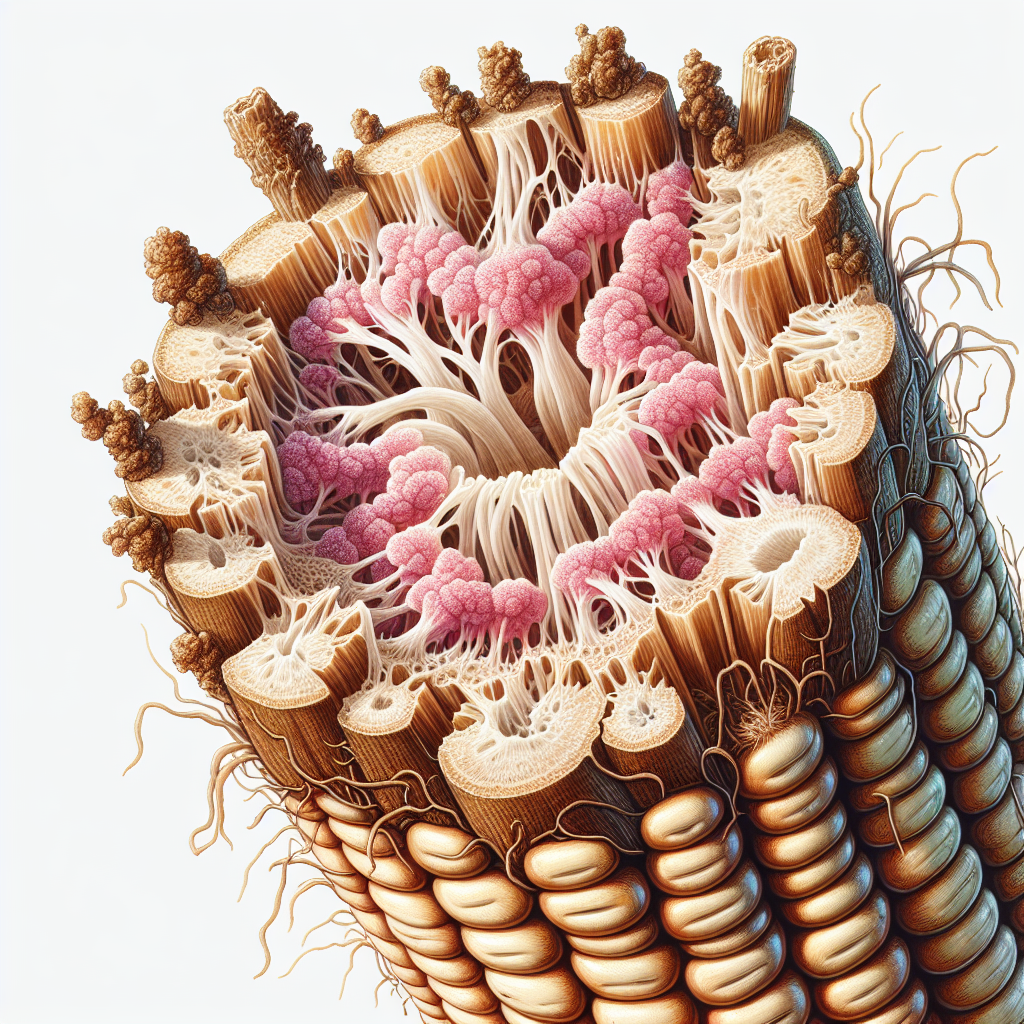
- Fusarium stalk rot: Pinkish-white mycelium inside stalk, node collapse, premature ripening ("gray ear"). Stalks break at nodes, causing lodging.
- Rhizoctonia stalk rot: Brown, dry rot with reddish-brown lesions; honey-brown sclerotia at base.
- Pythium stalk rot: Soft, water-soaked rot in cool, wet soils; rapid spread in flooded fields.
Damage manifests as 20-100% lodging, where stalks lean or fall, preventing harvest. Yield losses stem from poor grain fill, mycotoxin contamination (e.g., fumonisins in Fusarium-infected corn), and secondary pest invasion by stalk-boring caterpillars. In wheat, stalk rots mimic Fusarium head blight, with bleached heads and white chalky grain. Differentiate via lab tests or extension services for precise pathogen ID.
Lifecycle and Progression of Stalk rots
Stalk rot pathogens are soil inhabitants with complex lifecycles tied to crop debris. Fusarium spp. overwinter as chlamydospores or in infected residue, germinating in warm (25-30°C), moist soils. Infection occurs via roots or wounds, colonizing vascular tissue systemically. Progression: seedling infection leads to root rots, but stalk invasion peaks at tasseling/silking in corn or boot stage in wheat.
Rhizoctonia persists as sclerotia or dormant mycelium, infecting at soil line during prolonged wet periods. Pythium thrives in saturated soils, producing zoospores that swim to roots. Disease cycle completes with spore production on rotting stalks, splashing to nearby plants or persisting in soil for years. In sorghum, charcoal rot (Macrophomina phaseolina) dominates in drought stress, with microsclerotia surviving decades.
Progression timeline:
- Early season: Root infection, stunted growth.
- Mid-season: Vascular discoloration, reduced photosynthesis.
- Late season: Stalk weakening, lodging during storms.
Mycotoxins accumulate in grain, posing health risks. Understanding this cycle informs timely rotations and residue management.
Environmental Triggers & Risk Factors
Stalk rots flourish under specific conditions: high temperatures (28-35°C), relative humidity >90%, and waterlogged soils. Continuous corn-soybean rotations without tillage leave inoculum buildup. Risk factors include:
- Crop stress: Drought, nutrient deficiency (K, N), herbicide injury.
- Planting density: High populations increase humidity microclimates.
- Soil type: Poor drainage, compacted clays favor Pythium and Phytophthora.
- Previous crop: Residue from corn or sorghum harbors pathogens.
Climate change intensifies risks with erratic rains and heatwaves. In sugarcane, ratooning (repeated harvests from same stool) amplifies red rot (Colletotrichum falcatum). Monitor via weather apps; avoid planting into cool, wet soils.
Organic Control & Treatment Plans
Organic management emphasizes cultural practices over curative sprays, as fungicides offer limited efficacy post-infection.
Immediate Actions:
- Scout weekly from V8 growth stage; remove lodged plants to reduce inoculum.
- Improve drainage: ridge-till or bed plant in heavy soils.
Biological Controls:
- Trichoderma spp. and Bacillus subtilis as seed treatments suppress Fusarium and Rhizoctonia.
- Compost teas with actinomycetes enhance rhizosphere antagonism.
Treatment Protocol:
- Seed selection: Use certified, hot-water treated seed with high stalk strength.
- Crop rotation: 2-3 years with soybeans, peas, or brassicas to break cycles.
- Residue management: Chisel plow or strip-till to bury debris; encourage decomposition with high-C:N cover crops like clover.
- Nutrition: Balanced K fertilization (100-150 kg/ha); silicon amendments strengthen cell walls.
- Biostimulants: Seaweed extracts and humic acids boost plant vigor.
For corn, hybrid selection with Bt traits deters corn borers that vector pathogens. In severe cases, harvest early to minimize mycotoxins. Integrate with IPM, monitoring army worms and cutworms.
Preventing Stalk rots in the Future
Prevention is the cornerstone of long-term control. Start with resistant varieties: e.g., corn hybrids rated "good" for stalk rot tolerance. Implement no-till with diverse rotations: corn-soybeans-wheat-forage.
Key strategies:
- Soil health: Maintain >3% organic matter; test for compaction.
- Planting timing: Delay into warmer soils to evade Pythium.
- Irrigation: Avoid overhead; use drip or deficit strategies.
- Cover cropping: Rye or oats suppress inoculum.
Monitor with remote sensing: NDVI drones detect early stress. Annual soil tests guide fertility. Clean equipment prevents spread. Long-term, breed for partial resistance and microbiome engineering.
Crops Most Affected by Stalk rots
Primary hosts:
- Corn: Fusarium, Gibberella, anthracnose stalk rots; 15-50% losses.
- Wheat: Fusarium, Rhizoctonia; lodging in humid regions.
- Sorghum: Charcoal rot dominant in drought-prone areas.
- Sugarcane: Red rot, smut-related stalk decay.
Secondary: Rice (sheath rots), barley, oats, soybeans (Sclerotinia stem rot). Tropical crops like cassava and sweet potato face bacterial stalk rots. Grasses and forages also susceptible, impacting livestock feed.