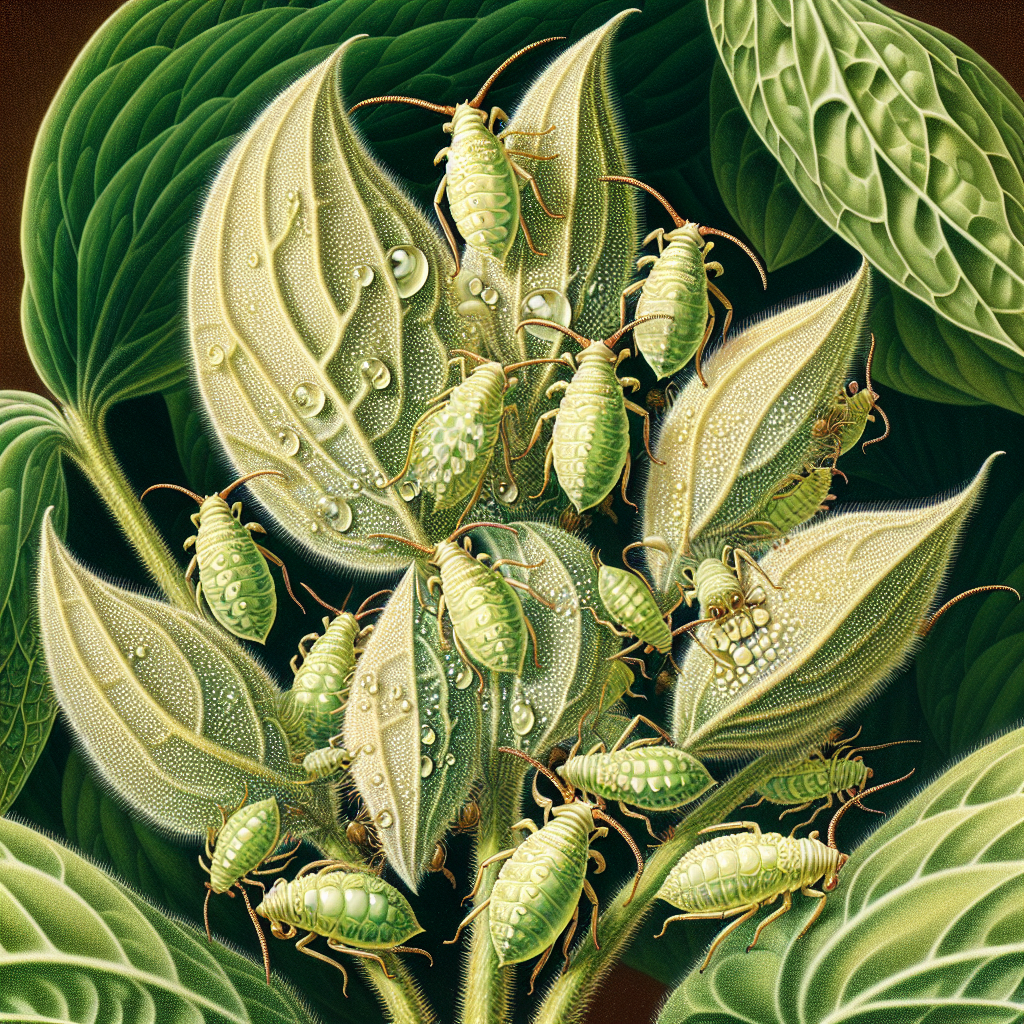
Introduction to soybean aphid
The soybean aphid, scientifically known as Aphis glycines, is one of the most economically damaging pests in soybean production, particularly in the Midwest United States, Canada, and parts of Asia. First detected in North America in Wisconsin in 2000, this tiny insect has rapidly spread, infesting millions of acres annually. Soybean aphids feed on plant sap using piercing-sucking mouthparts, extracting vital nutrients and stressing plants, which can lead to yield reductions of up to 40-50% in severe infestations. Beyond direct damage, they excrete honeydew, promoting sooty mold fungus, and transmit plant viruses, compounding losses.
As a professional botanist and entomologist, I've seen firsthand how soybean aphids can devastate fields, turning lush green canopies yellow and stunted. Early detection is critical because populations can explode from a few individuals to thousands per plant in just weeks under favorable conditions. This guide provides definitive diagnostic tools, lifecycle insights, and proven management strategies to protect your Soybeans (crop) crops. Understanding this pest's biology empowers farmers to implement integrated pest management (IPM) that minimizes chemical use while maximizing yields. For more on general aphid biology, see our detailed entry on Aphids (pest).
Identifying Symptoms & Damage
Soybean aphid infestations are relatively easy to spot once populations reach economic thresholds, but subtle early signs require vigilant scouting. Primary symptoms include leaf yellowing and curling, especially on upper leaves and terminals, where aphids congregate. Plants exhibit stunted growth, reduced pod set, and smaller seeds. In heavy infestations, entire fields appear chlorotic with leaves crinkled and cupped upward.
Visual Identification:
- Adults: Small (1/16 inch), pear-shaped, pale yellow to greenish insects with black cornicles (tailpipes) at the rear.
- Nymphs: Similar but smaller, wingless.
- Winged forms: Appear during peak stress, signaling migration.
Damage Indicators:
- Honeydew: Sticky residue on leaves leads to black sooty mold, reducing photosynthesis.
- Cast Skins: White exoskeletons from molting aphids litter foliage.
- Ant Attendance: Ants farm aphids for honeydew, a telltale sign.
- Yield Impact: Feeding removes plant sugars, causing up to 5-10 bu/acre loss per 250 aphids/plant.
To diagnose, use a hand lens or tap stems over white paper—aphids will fall like pepper grains. Differentiate from spider mites (speckled leaves, webbing) or whiteflies (cloud of adults on disturbance). Threshold: 250 aphids per plant with 80% winged or rising populations.
Lifecycle and Progression of soybean aphid
Soybean aphids complete their lifecycle in 7-10 days under optimal conditions (75-85°F), allowing 10-20 generations per season. Overwintering occurs as eggs on buckthorn (Rhamnus spp.), the primary host. In spring, fundatrices (stem mothers) hatch, producing nymphs that develop into wingless apterae.
Key Stages:
- Eggs: Laid on buckthorn in fall; black, shiny, 0.8mm.
- Nymphs: 4 instars, 2-6 days each; parthenogenetic (females only).
- Adults: Wingless females (viviparous) give live birth to 5-10 nymphs/day for 15-20 days.
- Winged Morphs: Alatae form mid-season on soybeans, migrate to new fields.
- Fall Migrants: Return to buckthorn for sexual reproduction.
Progression peaks in July-August during soybean reproductive stages (R1-R5), aligning with maximum yield sensitivity. Cold snaps (<45°F) or heavy rain disrupt populations. Monitoring lifecycle helps time interventions, as populations double every 2-3 days at peak.
Environmental Triggers & Risk Factors
Soybean aphid outbreaks are driven by weather, planting dates, and landscape factors. Warm, humid summers (70-90°F, 60-80% RH) favor rapid reproduction, while drought stresses plants, making them more susceptible. Early-planted fields (before June 10) face higher risk as aphids colonize from buckthorn by V2-V3 stages.
Key Triggers:
- Proximity to Buckthorn: Primary inoculum source; remove within 1/4 mile.
- Nitrogen-Rich Soils: Promote lush growth attractive to aphids.
- Refuge Crops: Nearby alfalfa or clover harbor overwinterers.
- Wind Currents: Spread winged aphids 100+ miles.
Risk is highest in continuous soybean rotations without resistant varieties. Scout fields weekly from VE to R5, using 10-20 plants per 10 acres. Models like the Soybean Aphid Prediction Tool integrate temperature and degree-days for outbreak forecasts.
Organic Control & Treatment Plans
Organic management emphasizes biological controls, cultural practices, and thresholds to avoid unnecessary interventions. Check out Spring Pest Patrol: Organic AI Strategies to Shield Your Crops from Common Invaders for tech-enhanced scouting tips.
1. Scouting & Thresholds: Weekly checks; treat at 250+ aphids/plant. 2. Biological Controls:
- Natural Enemies: Lady beetles, lacewings, parasitoids (Aphidius spp.)—80% control in outbreaks.
- Release Predators: Purchase Hippodamia convergens at 1,500/acre. 3. Organic Insecticides:
- Insecticidal Soaps/Neem Oil: Contact sprays; apply evenings, 3-5 gal/acre.
- Pyrethrins + Azadirachtin: Rotate to prevent resistance; 7-day PHI. 4. Cultural Practices: Reflective mulches, overhead irrigation to dislodge aphids.
Treatment Plan:
- Early (V2-R1): Monitor only.
- Mid-Season (R2-R4): Apply if threshold met, follow with predator releases.
- Late (R5+): Avoid sprays to protect beneficials. Integrated with resistant varieties like 'SD2032', organic yields match conventional.
Preventing soybean aphid in the Future
Prevention focuses on long-term IPM to break lifecycle and reduce inoculum.
Strategies:
- Resistant Varieties: Plant 'Warrior', 'Prosoy 5900'—reduce populations 90%.
- Crop Rotation: Alternate with corn or wheat; 2-year break cuts risk 70%.
- Buckthorn Eradication: Scout/ remove within 0.5 miles.
- Planting Date: Delay to mid-June; aphids peak after R1.
- Cover Crops: Clover or rye suppresses weeds hosting alates.
- Trap Crops: Perimeter peas lure migrants.
Annual scouting + records predict future outbreaks. Combine with natural enemies conservation (avoid broad-spectrum sprays) for sustainable suppression below thresholds.
Crops Most Affected by soybean aphid
Soybean aphids primarily target Soybeans (crop), causing $2-4 billion annual losses in the US. Secondary hosts include:
- Legumes: Edamame, forages like alfalfa, clover, vetch.
- Vegetables: Green beans, peas, snap beans.
- Others: Buckthorn (overwintering), some weeds.
While preferring Glycine max, they occasionally infest peanuts or chickpeas under high pressure. Focus prevention on soybean fields, but monitor rotations. Economic impact greatest on non-resistant varieties during pod fill.