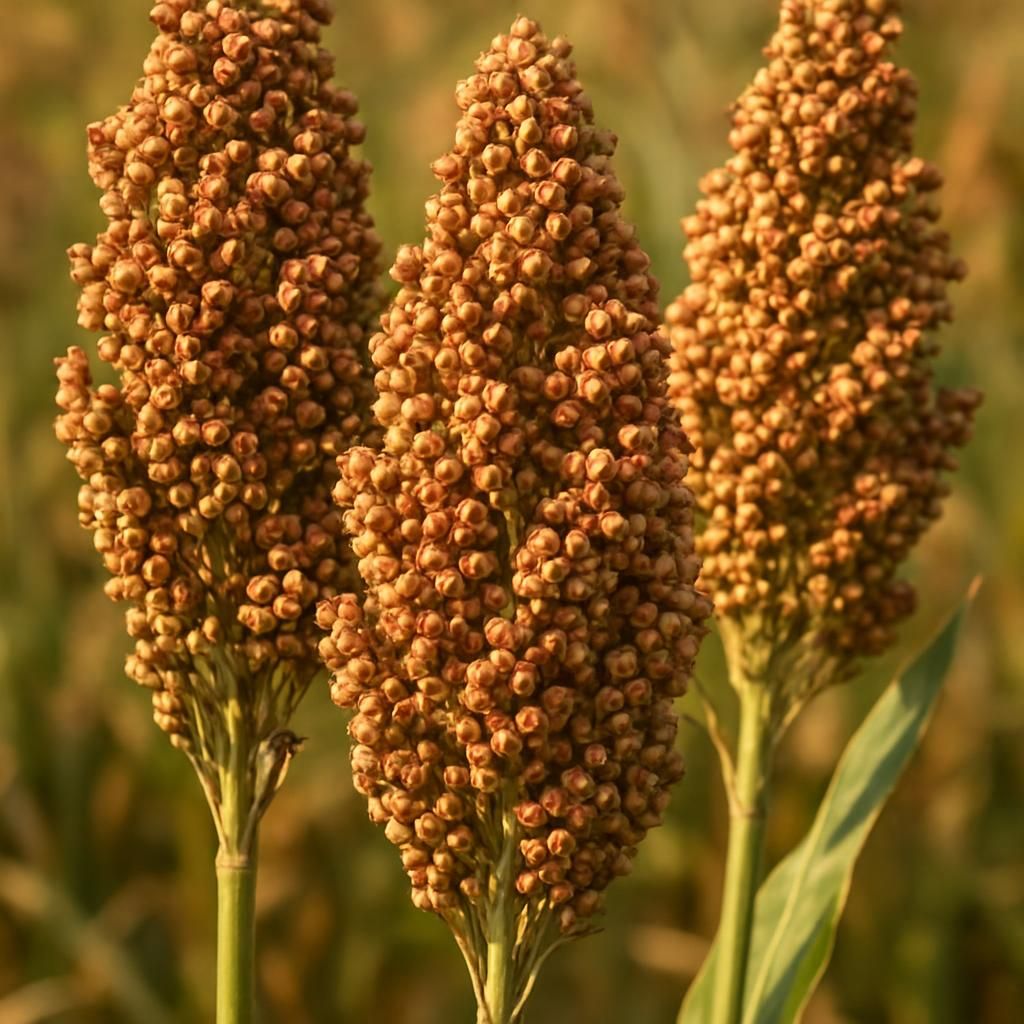
Introduction to Sorghum (Milo)
Sorghum, commonly known as Milo, is a versatile, drought-resistant grain that is cultivated predominantly in arid climates across the globe. Known for its use as an animal feed, food grain, and biofuel, Sorghum is the fifth most important cereal crop worldwide. It is particularly valued in regions with challenging growing conditions due to its remarkable ability to thrive in poor soils and adverse weather.
Botanical Profile of Sorghum (Milo)
The scientific name of Sorghum is Sorghum bicolor. It belongs to the Poaceae family, which includes other major grains like wheat, barley, and corn. Sorghum is a C4 plant, indicating a specialized photosynthetic process that makes it highly effective at conserving water while still achieving high productivity.
Soil, pH, and Climate Requirements for Sorghum (Milo)
The adaptability of Sorghum makes it ideal for various climatic conditions, although it thrives best under certain circumstances. Below is a detailed table of the ideal soil, pH, and climate conditions for Sorghum:
| Condition | Ideal Range |
|---|---|
| Soil Type | Loamy, Well-draining |
| Soil pH | 5.8 - 7.0 |
| Temperature | 25°C - 30°C (77°F - 86°F) |
| Rainfall | 400mm - 600mm annually |
| Sunlight | Full Sun |
Step-by-Step Planting & Propagation
- Site Selection: Choose a site with well-drained soil and full sunlight.
- Soil Preparation: Till the soil to a depth of 8-10 inches and amend with organic matter to enhance fertility.
- Planting: Sorghum seeds should be planted at a depth of 1-2 inches, spaced 10-12 inches apart in rows that are 30-40 inches apart.
- Watering: Provide a light irrigation after sowing to ensure good seed-to-soil contact.
- Germination: Seeds generally germinate within 5-10 days depending on temperature and moisture levels.
Care & Maintenance Regimes for Sorghum (Milo)
Regular care and appropriate maintenance are crucial to maximizing yield and preventing potential issues. The table below outlines the recommended care schedule:
| Task | Schedule |
|---|---|
| Watering | Weekly; more frequent during dry spells |
| Fertilization | Apply N-P-K (20-10-10) every 4-6 weeks |
| Weed Control | Monthly; manual or with approved herbicides |
Pests, Diseases & Organic Management
Despite its resilience, Sorghum can be affected by pests and diseases such as spider mites, shoot fly, and grain mold. To manage these organically:
- Use neem oil spray to combat spider mites and other insect pests.
- Encourage beneficial insects in the field for natural pest control.
- Rotate crops and promote healthy soil microbiomes using cover crops.
- Frequent inspections and removal of affected plant parts can also reduce disease spread.
Harvesting, Curing & Optimal Storage
Sorghum typically reaches maturity between 100-120 days post-planting. Harvesting is best done when grain moisture reaches about 20% to prevent head molds. Once harvested, allow the grains to dry completely and store in moisture-proof containers to ensure long-term viability.
Companion Planting for Sorghum (Milo)
Companion planting with crops like peas or beans can enhance soil nitrogen levels, aiding Sorghum growth. Implementing companion planting strategies is an effective organic farming technique to boost resilience and yield.
For further insights on companion planting strategies, explore the blog post Summer Companion Planting: 10 Organic Pairings to Boost Small Farm Resilience.