Introduction to Southern peas
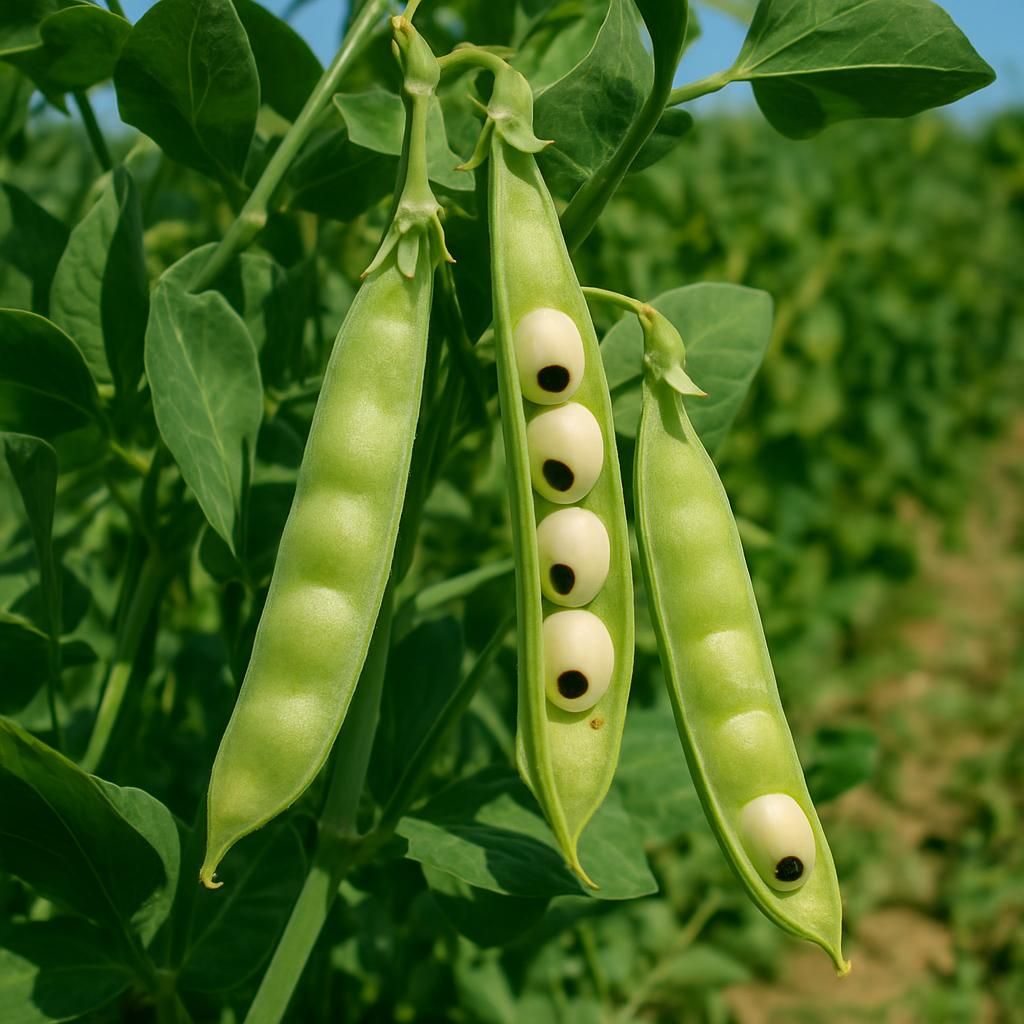
Southern peas (Vigna unguiculata) are warm-season annual legumes native to Africa that have become a cornerstone crop across the southern United States and subtropical regions worldwide. Valued for their drought tolerance, nitrogen-fixing ability, and dual-purpose use as both food and forage, they produce edible pods, fresh peas, and dry beans that store exceptionally well. Their deep taproots improve soil structure while supporting beneficial microbial activity, making them ideal for sustainable rotations.
These versatile legumes mature quickly in heat, often producing multiple flushes of pods over 60–90 days. Whether grown for fresh shelling peas, crowder peas, black-eyed peas, or as a cover crop, Southern peas deliver reliable yields with minimal inputs. Their resilience to poor soils and variable rainfall makes them a favorite among small-scale farmers seeking climate-adaptive options.
Botanical Profile of Southern peas
Southern peas belong to the Fabaceae family and exhibit an upright to semi-vining growth habit depending on the cultivar. Plants typically reach 18–36 inches in height with compound trifoliate leaves and produce racemes of white, purple, or yellow flowers. After pollination, long slender pods develop containing 10–20 seeds that vary in color from cream to black, often with distinctive "eyes."
The crop is classified into several market types including black-eyed peas, crowder peas, cream peas, and yard-long beans. Most varieties are indeterminate, continuing to flower and set pods as long as conditions remain favorable. Root nodules formed with Rhizobium bacteria enable atmospheric nitrogen fixation, reducing the need for synthetic fertilizers.
Soil, pH, and Climate Requirements for Southern peas
Southern peas perform best in well-drained sandy loam to loam soils with moderate fertility. They tolerate low fertility but respond positively to organic matter additions. Avoid heavy clay soils that retain excess moisture, as they increase risk of root diseases.
| Parameter | Ideal Range | Notes |
|---|---|---|
| Soil Type | Sandy loam to loam | Excellent drainage essential |
| Soil pH | 5.8–6.8 | Tolerates slightly acidic conditions |
| Temperature (Soil) | 65–85°F (18–29°C) | Minimum germination temp 60°F |
| Air Temperature | 70–95°F (21–35°C) | Heat-loving; frost sensitive |
| Rainfall/Irrigation | 20–30 inches per season | Consistent moisture during flowering |
| Organic Matter | 2–4% | Improves moisture retention and fertility |
Step-by-Step Planting & Propagation
Begin by inoculating seed with cowpea-specific Rhizobium if the field has no recent history of legumes. Sow seeds directly ½–1 inch deep when soil temperatures reach at least 65°F. Space rows 30–36 inches apart with in-row spacing of 2–4 inches for bush types and 4–6 inches for vining varieties.
Plant in successive sowings every 2–3 weeks through mid-summer for extended harvests. Ensure seed-to-soil contact by firming the seedbed after planting. Germination typically occurs in 5–10 days under warm conditions.
Care & Maintenance regimes for Southern peas
Southern peas require minimal intervention once established. Mulch to suppress weeds and conserve moisture. Provide support for vining types using trellises or stakes. Monitor for nutrient deficiencies, particularly phosphorus early in the season.
| Task | Frequency/Schedule | Details |
|---|---|---|
| Watering | 1 inch per week during flowering | Deep, infrequent watering preferred |
| Fertilizer | Pre-plant only if soil test low | Low-nitrogen, high-phosphorus organic blend |
| Pruning | As needed for airflow | Remove lower leaves if disease pressure high |
| Weeding | Weekly until canopy closes | Hand pull or shallow cultivate |
| Mulching | At planting | 2–3 inches organic mulch |
Pests, Diseases & Organic Management
Common insect pressures include cowpea curculio, stink bugs, and aphids. Practice crop rotation and use floating row covers during early growth. Beneficial insects such as lady beetles and parasitic wasps provide natural control.
Diseases such as Fusarium wilt, root rots, and powdery mildew can be managed through resistant varieties, proper spacing for airflow, and avoiding overhead irrigation. Solarization and compost tea applications further support plant health.
Harvesting, Curing & Optimal Storage
Harvest fresh shelling peas when pods are plump but still green, typically 60–70 days after planting. For dry peas, allow pods to mature and dry on the plant until seeds rattle inside. Pull entire plants or pick pods individually.
Cure dry peas by spreading pods in a single layer in a warm, ventilated area for 1–2 weeks. Thresh and winnow seeds, then store in airtight containers in a cool, dry location. Properly cured Southern peas maintain viability and flavor for 1–2 years.
Companion Planting for Southern peas
Pair Southern peas with corn and squash in the traditional Three Sisters method to maximize space and improve soil fertility. Okra and tomato also make compatible neighbors, providing vertical structure and attracting beneficial insects.
Avoid planting near onion or garlic as these may inhibit nodulation. Marigolds and nasturtium serve as trap crops for aphids while enhancing biodiversity.