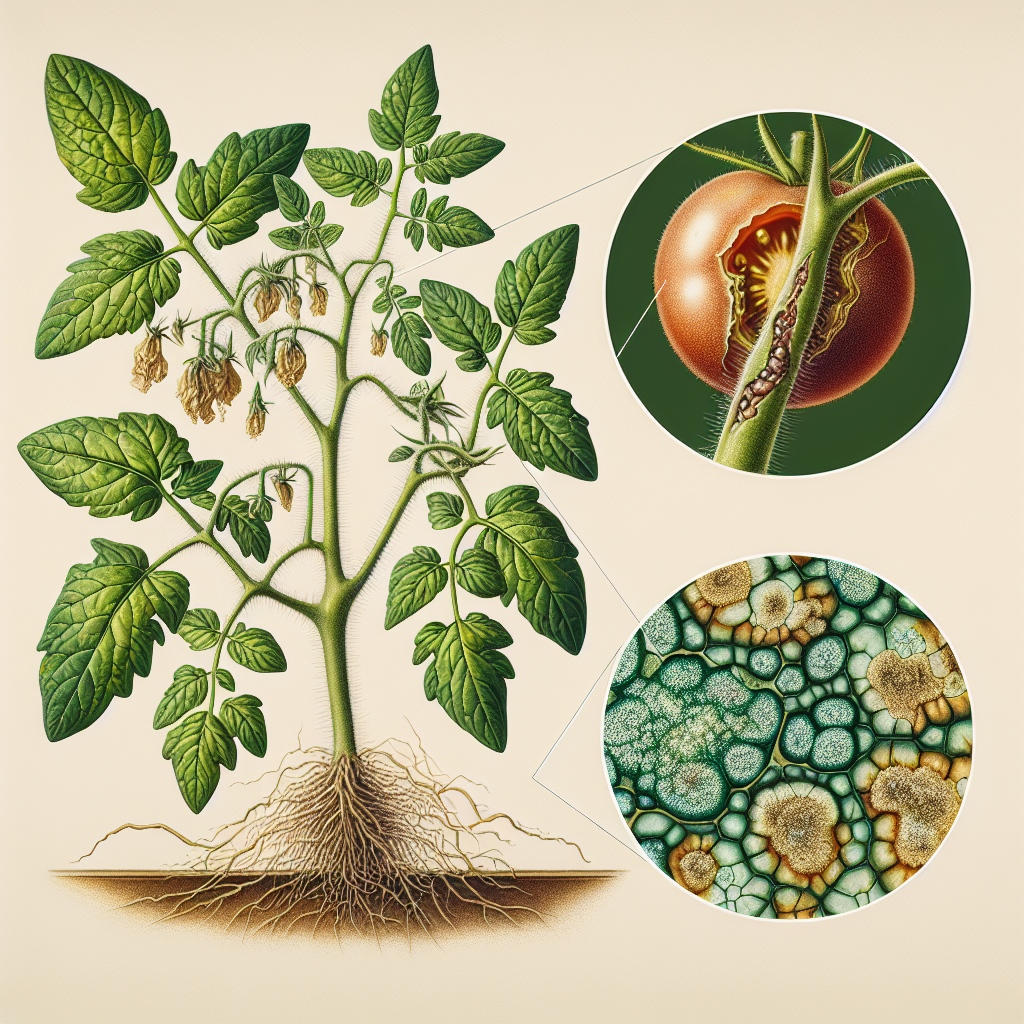
Introduction to Verticillium wilt
Verticillium wilt represents one of the most persistent and destructive soilborne diseases in agriculture, impacting countless crops worldwide. Caused by the fungal pathogens Verticillium dahliae and Verticillium albo-atrum, this disease invades the plant's vascular system, blocking water and nutrient transport, which leads to characteristic wilting and eventual plant death. Unlike many foliar diseases, Verticillium wilt is notoriously difficult to eradicate because the fungi produce long-lived microsclerotia that can survive in soil for up to 15 years, ready to infect new plantings.
First identified in the early 1900s, Verticillium wilt has become a global concern, particularly in temperate regions with cool, moist climates. It affects over 400 plant species, from high-value fruit trees like avocado and strawberry to field crops such as potato, tomato, and eggplant. Farmers often face sudden yield losses of 50-100% in susceptible varieties, making early diagnosis critical. This comprehensive guide equips growers with professional-grade diagnostic tools, organic management strategies, and long-term prevention plans to combat Verticillium wilt effectively. By understanding its biology and implementing integrated approaches, you can protect your crops and sustain productivity even in infested fields.
Identifying Symptoms & Damage
Recognizing Verticillium wilt early is essential for limiting spread and implementing timely interventions. Symptoms typically appear during warm weather (75-85°F or 24-29°C), starting with subtle yellowing of lower leaves, progressing to wilting that mimics drought stress. Unlike Fusarium wilt, which affects one side of the plant, Verticillium wilt often shows unilateral symptoms, with one branch or side yellowing while the rest remains green.
Key diagnostic signs include:
- Vascular discoloration: Cut stems reveal dark brown streaks in the xylem (vascular tissue), forming a characteristic "vertecil" pattern under magnification.
- Leaf symptoms: Older leaves yellow at edges (necrotic V-shape), curl, and drop prematurely. In tomato and potato, leaves turn bronze before abscising.
- Plant stunting: Affected plants grow poorly, with reduced fruit set and smaller yields. Trees show canopy thinning and dieback.
- Root symptoms: Roots remain intact but may show minor brown discoloration; no extensive rot like root rot.
To confirm diagnosis, submit samples to a plant pathology lab for culturing or PCR testing. Field tests involve peeling back bark on trees to reveal dark vascular staining. Differentiate from environmental stress or root-knot nematodes by checking for fungal microsclerotia (tiny, dark, irregular bodies) in infected tissue. Damage varies by host: in strawberries, entire beds collapse; in trees like Hass avocado, productivity drops 30-70% over years, leading to premature orchard removal.
Lifecycle and Progression of Verticillium wilt
Understanding the Verticillium lifecycle is crucial for timing interventions. The fungi overwinter as dormant microsclerotia in soil or plant debris, surviving harsh conditions for 10-15 years. These sclerotia germinate in response to root exudates from susceptible hosts, producing hyphae that penetrate roots through wounds or natural openings.
Once inside, mycelium colonizes the xylem vessels, producing toxins that induce wilting and block water flow. Conidia (spores) spread upward via sapstream, causing systemic infection. In cool, moist soils (60-75°F or 15-24°C), disease progresses rapidly. V. dahliae, the more common and virulent species, forms abundant microsclerotia in senesced tissues, perpetuating the cycle.
Disease progression spans weeks to months: initial root infection (invisible), followed by foliar symptoms 2-4 weeks later. Peak infection occurs mid-season; plants may recover partially in fall but harbor the fungus. In perennials like trees, chronic infection leads to gradual decline over 3-5 years. Unlike airborne pathogens, spread is primarily via infested soil, transplants, or irrigation water carrying microsclerotia. This soil persistence distinguishes it from foliar diseases like powdery mildew, demanding long-term soil management.
Environmental Triggers & Risk Factors
Verticillium wilt thrives under specific conditions, allowing proactive risk mitigation. Optimal infection occurs in soils with pH 6.0-7.0, moderate moisture, and temperatures 70-80°F (21-27°C) during the day. Cool nights exacerbate symptoms by slowing transpiration while fungal growth continues.
Key risk factors include:
- Soil type: Persists longest in fine-textured, high-organic soils; sandy soils dilute inoculum.
- Crop rotation: Continuous susceptible crops like tomato, potato, and eggplant build inoculum.
- Plant stress: Drought, nutrient imbalance (high nitrogen), or root-knot nematodes increase susceptibility.
- Weed hosts: Many weeds (e.g., nightshades) harbor the fungus, acting as reservoirs.
High-risk areas include former potato fields or regions with heavy solanaceous cropping. Poor drainage promotes infection, as does over-irrigation flooding microsclerotia to roots. Climate change may expand ranges, with warmer soils favoring V. dahliae. Monitor fields with histories of wilt complexes for compounded risks.
Organic Control & Treatment Plans
No chemical cure exists for Verticillium wilt, emphasizing organic, integrated management. For Why Companion Planting Feels Like Guesswork for Small Farms - And How AI Makes It Foolproof, strategic planting suppresses pathogens.
Immediate Actions:
- Remove infected plants: Uproot and destroy (burn or solarize), avoiding compost to prevent microsclerotia spread.
- Soil solarization: Cover moist soil with clear plastic for 4-6 weeks in summer (reaches 140°F/60°C, kills 50-90% sclerotia).
- Biofumigation: Plant mustard or Brassica cover crops; incorporate green manure to release isothiocyanates toxic to Verticillium.
Biological Controls:
- Apply Trichoderma spp. or Bacillus subtilis drenches to antagonize fungi.
- Use mycorrhizal inoculants to enhance root health and resistance.
Cultural Practices:
- Rotate with non-hosts like corn, wheat, or clover for 3-5 years.
- Optimize fertility: Balanced NPK, avoid excess nitrogen.
- Drip irrigation to maintain even moisture without waterlogging.
Resistant Varieties: Select tolerant cultivars, e.g., 'Mountain Merit' tomato, 'Defiant' potato. For trees, graft onto resistant rootstocks.
Integrated plans reduce inoculum 70-90% over time. Monitor with soil bioassays (bait plants) annually.
Preventing Verticillium wilt in the Future
Prevention focuses on excluding the pathogen from clean fields. Start with soil testing via bioassays or qPCR to detect microsclerotia before planting. Use certified, disease-free transplants and quarantine new stock.
Long-term strategies:
- Extended rotations: 4-7 years with grasses (corn, wheat) or onions to starve the fungus.
- Cover cropping: Brassicas, sudangrass for biofumigation; deep-rooted forages improve soil structure.
- Soil amendments: Add lime to raise pH >7.5 (suppresses germination); organic matter enhances suppression.
- Weed control: Eliminate nightshade family weeds.
For new orchards, avoid infested sites or fumigate pre-plant (organic alternatives like mustard amendments). Resistant varieties plus good practices prevent outbreaks in 80% of cases. Annual scouting and prompt removal keep clean fields clean. Learn more about Soil Health Mastery: 5 Proven Strategies for Small Farms to Build Fertile Ground Without Breaking the Bank for resilient soils.
Crops Most Affected by Verticillium wilt
Verticillium wilt strikes a broad host range, but certain crops suffer most severe losses:
- Solanaceae: Tomato (up to 100% loss), potato, eggplant, peppers.
- Strawberries: Bed-wide collapse in production fields.
- Tree crops: Avocado (Hass), stone fruits (peach, plum), raspberry.
- Others: Pepper, mint, hops, maple trees.
Susceptible crops build soil inoculum, risking rotations. Tolerant options exist for many, enabling production in infested soils.