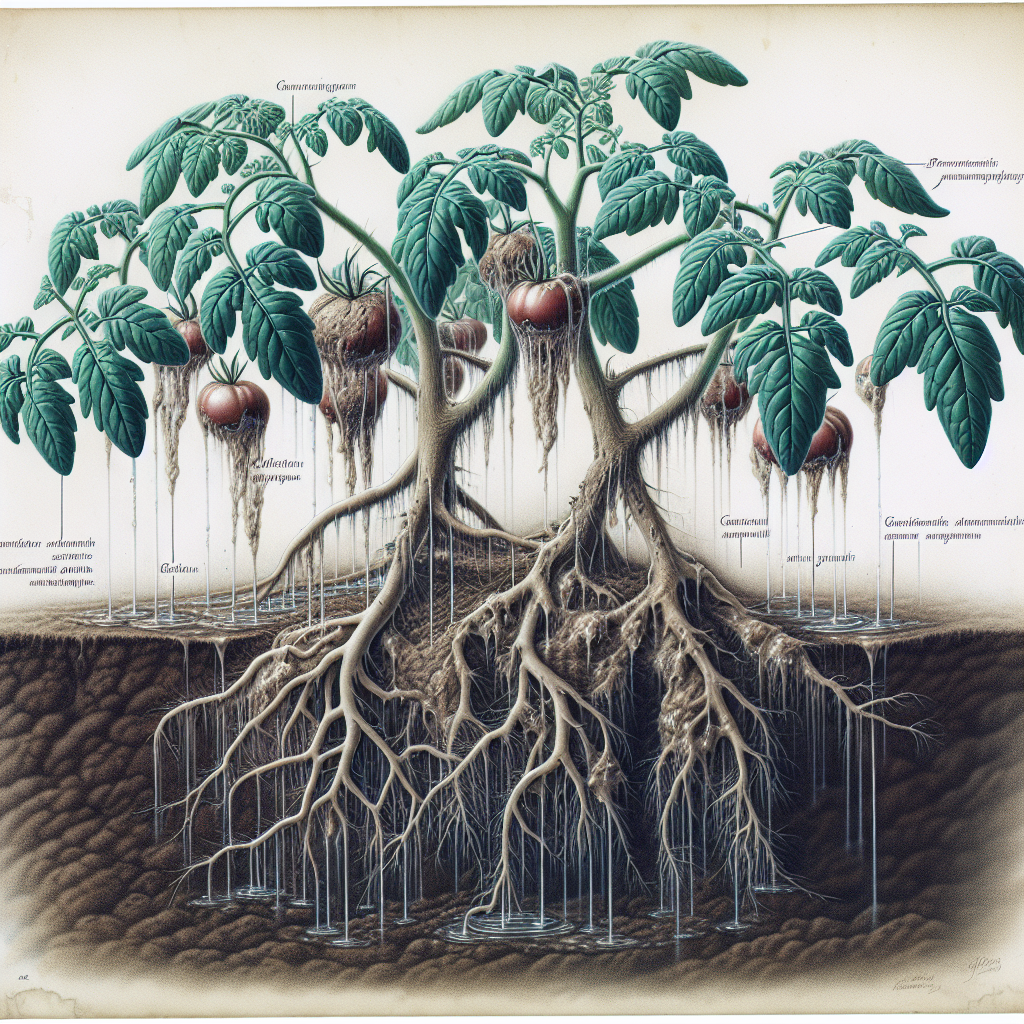
Introduction to Root and seedling diseases
Root and seedling diseases represent one of the most critical challenges in agriculture, particularly for small farms and nurseries where young plants are vulnerable. These soilborne pathogens, primarily caused by fungi like Pythium, Rhizoctonia, Fusarium, and oomycetes such as Phytophthora, target the underground parts of plants during their most fragile stages. Damping-off, a hallmark symptom, leads to the collapse of seedlings at the soil line, while root rots compromise established plants by decaying roots and restricting water and nutrient uptake.
These diseases are ubiquitous in agricultural soils worldwide, exacerbated by modern intensive farming practices like high-density seeding and monocropping. Annual global losses from root and seedling diseases exceed billions in revenue, with damping-off alone responsible for up to 90% seedling mortality in severe cases. Understanding their biology is essential for prevention, as chemical controls are often ineffective once infection occurs. This guide provides professional-grade diagnostic tools, organic management strategies, and prevention protocols tailored for sustainable agriculture. For small farms battling these invisible killers, early detection and cultural adjustments are key to maintaining yields. Why Misidentifying Plants Costs Small Farms Thousands - And How AI Camera Diagnosis Fixes It Fast
Identifying Symptoms & Damage
Accurate diagnosis begins with recognizing distinct symptoms across growth stages. Pre-emergence damping-off manifests as seeds rotting in soil, failing to sprout, often accompanied by fuzzy white mycelium on infected seeds. Post-emergence damping-off causes seedlings to wilt suddenly, with stems water-soaked and constricted at the soil line, leading to toppling like tiny trees snapped at the base.
For established plants, root diseases present subtler signs: stunted growth, yellowing lower leaves (chlorosis), and wilting during hot afternoons despite adequate watering. Digging up affected plants reveals the truth—roots appear dark, mushy, and foul-smelling, with outer layers sloughing off easily. Root rot from Phytophthora shows reddish-brown discoloration extending up the taproot, while Rhizoctonia causes sharp, sunken lesions with brown, brittle roots.
Advanced damage includes secondary infections by root-knot nematodes or fungus gnats, compounding issues. Differentiate from nutrient deficiencies by root inspection: healthy roots are white and fibrous; diseased ones are sparse and decayed. Use a hand lens to spot diagnostic structures like Pythium's oospores or Fusarium's pinkish sporulation. In greenhouses, monitor for uneven stands where patches of bare soil indicate epicenters. Professional tip: Conduct a soil assay for pathogen presence using selective media—essential for confirming root rots.
Lifecycle and Progression of Root and seedling diseases
These pathogens are soil inhabitants with complex lifecycles adapted to survive harsh conditions. Pythium and Phytophthora, water molds, produce zoospores that swim in saturated soils, infecting roots through wounds or natural openings. Resting structures like oospores and chlamydospores persist in soil for years, germinating when conditions favor infection.
Rhizoctonia solani spreads via sclerotia—hard, survival bodies that remain viable for decades. Infection progresses rapidly in cool, moist conditions: hyphae penetrate root tips, causing girdling and tissue necrosis. Fusarium species follow a similar pattern but thrive in warmer soils, producing toxins that block vascular tissues, mimicking Fusarium wilt.
Progression is temperature-dependent: Pythium peaks at 15-20°C, Rhizoctonia at 25-30°C. From initial infection, seedlings succumb in 24-48 hours; mature roots decline over weeks, leading to plant death. Airborne spores are rare; spread occurs via contaminated tools, water splash, or machinery. Crop debris harbors inoculum, perpetuating cycles in continuous planting. Breaking this requires sanitation and rotation.
Environmental Triggers & Risk Factors
Excess moisture is the primary trigger—waterlogged soils reduce oxygen, stressing roots and favoring pathogen activity. Compacted soils, poor drainage, and overwatering create anaerobic conditions ideal for oomycetes. Cool temperatures (below 20°C) slow seedling growth, prolonging susceptibility windows.
High soluble salts from over-fertilization burn roots, inviting secondary invasions. Acidic soils (pH <6.0) favor Rhizoctonia, while alkaline conditions suit Fusarium. Monocropping builds pathogen populations; lack of rotation with non-hosts like clover or marigold amplifies risks. Contaminated transplants or seeds introduce inoculum directly.
Climate change intensifies issues: erratic rains cause flash flooding, while greenhouses trap humidity. Risk soars in no-till fields without cover crops, as undecomposed residue shelters pathogens. Assess your farm: test soil drainage by digging post-rain—if water pools >24 hours, amend immediately.
Organic Control & Treatment Plans
Once established, curative options are limited—focus on suppression. Remove and destroy infected plants to curb spread. Improve drainage with raised beds or tiling. Apply organic biocontrols: Trichoderma viride or Bacillus subtilis drenches colonize roots, outcompeting pathogens. Compost teas rich in beneficial microbes enhance rhizosphere health.
Seed treatments with hydrogen peroxide or cornmeal (for Rhizoctonia) provide early protection. Mulch with coarse materials to aerate soil. For active outbreaks, solarization—covering moist soil with clear plastic for 4-6 weeks—kills surface inoculum via heat. Introduce predatory nematodes against fungus gnat vectors.
Integrated plan: 1) Treat seeds organically; 2) Use biofungicides at planting; 3) Monitor weekly; 4) Apply silicon amendments for root strength. In severe cases, fumigate with mustard seed meal. Success rates exceed 70% with consistent application. Pair with Soil Health Mastery: 5 Proven Strategies for Small Farms to Build Fertile Ground Without Breaking the Bank for long-term resilience.
Preventing Root and seedling diseases in the Future
Prevention trumps cure: Start with pathogen-free seeds and sterilized media (steam or solarize). Use raised beds or grow bags for superior drainage. Plant in warm soils (>20°C) to outpace pathogen growth. Rotate crops—avoid solanaceous families consecutively; interplant with suppressives like mustard.
Inoculate with mycorrhizal fungi at transplanting for natural resistance. Maintain soil pH 6.2-7.0 with lime or gypsum. Space seedlings widely to reduce humidity. Sanitize tools with 10% bleach. Employ cover crops like rye to suppress soil pathogens pre-planting. Scout weekly, using moisture meters to avoid overwatering.
Resistant varieties are game-changers—select for tolerance in tomato, potato, etc. Long-term: Build soil organic matter >4% via composts, fostering antagonistic microbes. Annual soil tests guide amendments. These practices cut incidence by 80-90%, ensuring robust stands.
Crops Most Affected by Root and seedling diseases
Seedling diseases devastate high-value crops: vegetables like tomato, cucumber, lettuce, and cabbage suffer massive losses in nurseries. Legumes including soybeans, peas, and chickpeas are prone to Fusarium and Rhizoctonia rots. Cereals like corn, wheat, and rice face seedling blights (seedling-blights).
Root crops such as potato, carrot, onion, and beet exhibit blackleg and soft rots. Perennials like strawberry and ornamentals are vulnerable to Phytophthora. Tropicals including avocado, banana, and mango battle crown rots (phytophthora-root-rot). Field crops like cotton and sorghum see stand reductions up to 50%. Prioritize prevention in these.
(Word count: 1452)