Introduction to bacterial problems
Bacterial problems represent one of the most challenging issues in modern agriculture, affecting a wide array of crops worldwide. Unlike fungal or viral pathogens, bacterial diseases spread rapidly through water films on plant surfaces, irrigation systems, and contaminated tools, making them particularly problematic in humid, high-density planting environments. Common culprits include genera like Xanthomonas, Pseudomonas, Erwinia, and Ralstonia, which enter plants through natural openings or wounds, multiplying quickly in the warm temperatures typical of growing seasons.
These diseases manifest as leaf spots, blights, wilts, cankers, and soft rots, often resulting in 20-100% yield losses if unchecked. For instance, bacterial spot on tomato plants can render fruits unmarketable, while bacterial wilt devastates cucurbits like cucumber. Farmers must prioritize prevention due to the lack of effective curative treatments, especially in organic systems. This guide provides professional-grade diagnostic tools, lifecycle insights, and management strategies to safeguard your crops. Learn more about Why Misidentifying Plants Costs Small Farms Thousands - And How AI Camera Diagnosis Fixes It Fast for tech-assisted early detection.
Understanding bacterial problems requires recognizing their dependence on free water on leaves—overhead irrigation and heavy dews create ideal conditions. Bacteria produce toxins and enzymes that disrupt plant tissues, leading to characteristic symptoms. Global warming exacerbates outbreaks by extending warm, wet periods, making vigilance essential for sustainable farming.
Identifying Symptoms & Damage
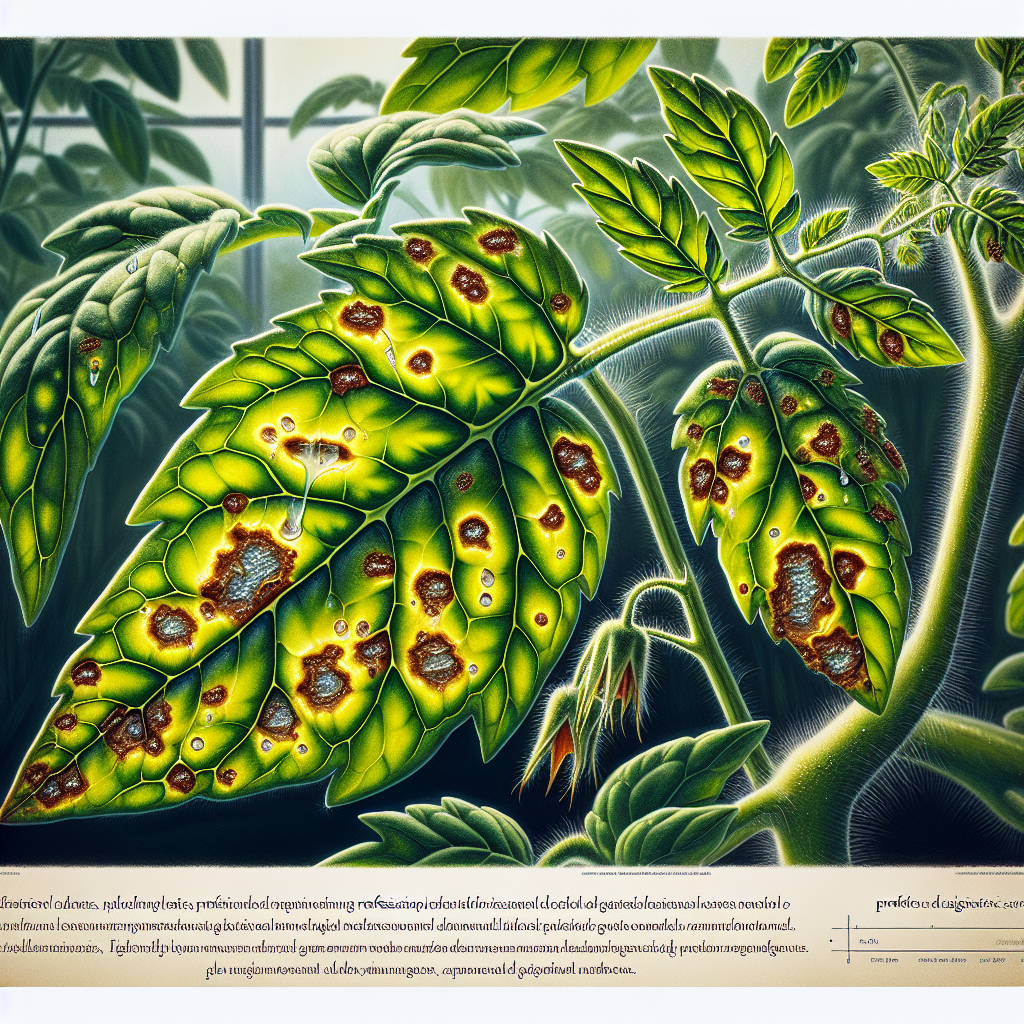
Accurate diagnosis is the cornerstone of managing bacterial problems, as symptoms often mimic fungal diseases or nutrient deficiencies. Key indicators include water-soaked lesions that turn dark brown or black, often with a yellow halo, as seen in bacterial leaf spots. Leaves may wilt during the day while recovering at night in vascular wilts like Stewart's Wilt on corn.
Leaf Symptoms: Small, angular spots bounded by veins, progressing to necrotic areas with oily sheen. In angular leaf spot on cucurbits, spots ooze bacterial slime when cut. Stem and Fruit Damage: Cankers with cracks and gum exudate on stone fruits; soft, mushy rots on tubers like potato. Systemic Signs: V-shaped yellowing from leaf tips in blights, stunting, and premature defoliation.
Damage severity varies: minor spotting reduces photosynthesis by 10-30%, while wilts can kill entire plants. Economic impact is huge—bacterial blight on rice causes up to 50% losses in Asia. Use a 10x hand lens to spot bacterial streaming in water mounts from lesions, distinguishing from fungi. Field tests like KOH string test confirm bacteria: viscous strands form in 2% KOH. Yield losses compound with secondary infections from pests like aphids, which vector bacteria.
Lifecycle and Progression of bacterial problems
Bacteria survive off-season in crop debris, seeds, weeds, and alternate hosts, reactivating in spring with warm rains. Infection starts when populations on leaf surfaces (epiphytes) exceed 10^6 CFU/cm², entering via stomata or hydathodes during wet periods (>6 hours leaf wetness at 25-30°C).
Progression Stages: 1) Incubation (24-72 hours): Invisible colonization. 2) Symptom expression: Water-soaking expands 1-2 cm/day. 3) Necrosis and spread: Enzymes like pectinases dissolve cell walls, releasing ooze that splashes to new sites. 4) Systemic invasion: Via xylem, causing wilts (e.g., Ralstonia solanacearum in eggplant). Polycyclic nature allows 5-10 infection cycles per season.
In Hass Avocado, bacterial canker progresses from twig lesions to branch dieback over months. High humidity (>80%) and temperatures (28-35°C) accelerate epidemics. Overwintering in soil persists for years, especially in root rots.
Environmental Triggers & Risk Factors
Bacterial problems explode under specific conditions: prolonged leaf wetness from overhead watering, poor air circulation in dense canopies, and temperatures above 25°C. High nitrogen fertilizers promote succulent growth, ideal for bacterial entry. Contaminated seeds transmit Xanthomonas at 0.1% infection rate, dooming fields.
Risk factors include wounding by thrips or hail, acidic soils (pH<6), and monocropping without rotation. In tropics, mango faces heightened risk during monsoons. Irrigation water harboring bacteria from rivers spreads via pivots. Climate change intensifies triggers with erratic rains. Mitigate by scheduling irrigations pre-sunrise, using drip systems, and monitoring weather via hyper-local forecasts—see Why 80% of Small Farms Battle Weather Disasters - And How Hyper-Local AI Forecasts Can Save Your Harvest.
Organic Control & Treatment Plans
Organic management emphasizes cultural, biological, and physical controls, as antibiotics are restricted. Immediate Actions: Remove and destroy infected plants (burn or deep bury). Apply copper-based bactericides (e.g., Bordeaux mix) at 2-4 kg/ha during early symptoms, rotating with streptomycin if allowed. Timing: Every 7-10 days in wet weather.
Biologicals: Bacillus subtilis or Pseudomonas fluorescens (10^9 CFU/ml) sprayed weekly suppress populations via competition. Serenade (QST 713) reduces lesions by 50%. Plant Extracts: Garlic or neem oil (1-2%) inhibit growth. For potato, biofumigation with mustard cover crops releases isothiocyanates.
Integrated Plan: 1) Seed treatment: Hot water (50°C, 25 min) or trisodium phosphate. 2) Foliar sprays: Alternate copper hydroxide + mancozeb. 3) Nutrition: Balanced K/Ca ratios strengthen cell walls. 4) Biocontrol: Introduce avirulent strains. In strawberry, aerated compost teas cut infections 40%. Monitor with disease models; prune for airflow. Success rates: 70-90% with vigilant IPM.
Preventing bacterial problems in the Future
Prevention trumps cure: Use certified disease-free seeds and resistant varieties like 'Mountain Merit' tomato. Crop rotation (3-4 years) starves soil survivors; avoid solanaceous sequences. Sanitation: Disinfect tools with 10% bleach, footbaths at field edges. Drip irrigation minimizes splash; space plants for 20 cmph winds.
Mulch suppresses splash; reflective mulches deter vectors. Boost immunity with silicon (50 ppm foliar) and micronutrients. Scout weekly, using apps for thresholds. Quarantine new plants. Long-term: Solarize soil (6 weeks summer) kills 90% bacteria. Companion planting with thyme provides natural antimicrobials. Annual planning prevents outbreaks—check Spring Pest Patrol: Organic AI Strategies to Shield Your Crops from Common Invaders for protocols.
Crops Most Affected by bacterial problems
Solanaceae dominate: Tomato, potato, eggplant, bell pepper suffer bacterial spot and wilt. Crucifers like cabbage face black rot (Xanthomonas campestris). Cucurbits (cucumber, squash) hit by angular leaf spot and bacterial wilt. Rice and wheat battle sheath and leaf blights. Tropicals: Banana (Moko disease), mango (canker). Field crops: Soybeans (blight), corn (Stewart's Wilt). Perennials like avocado and citrus endure cankers. Global losses exceed $2B annually.