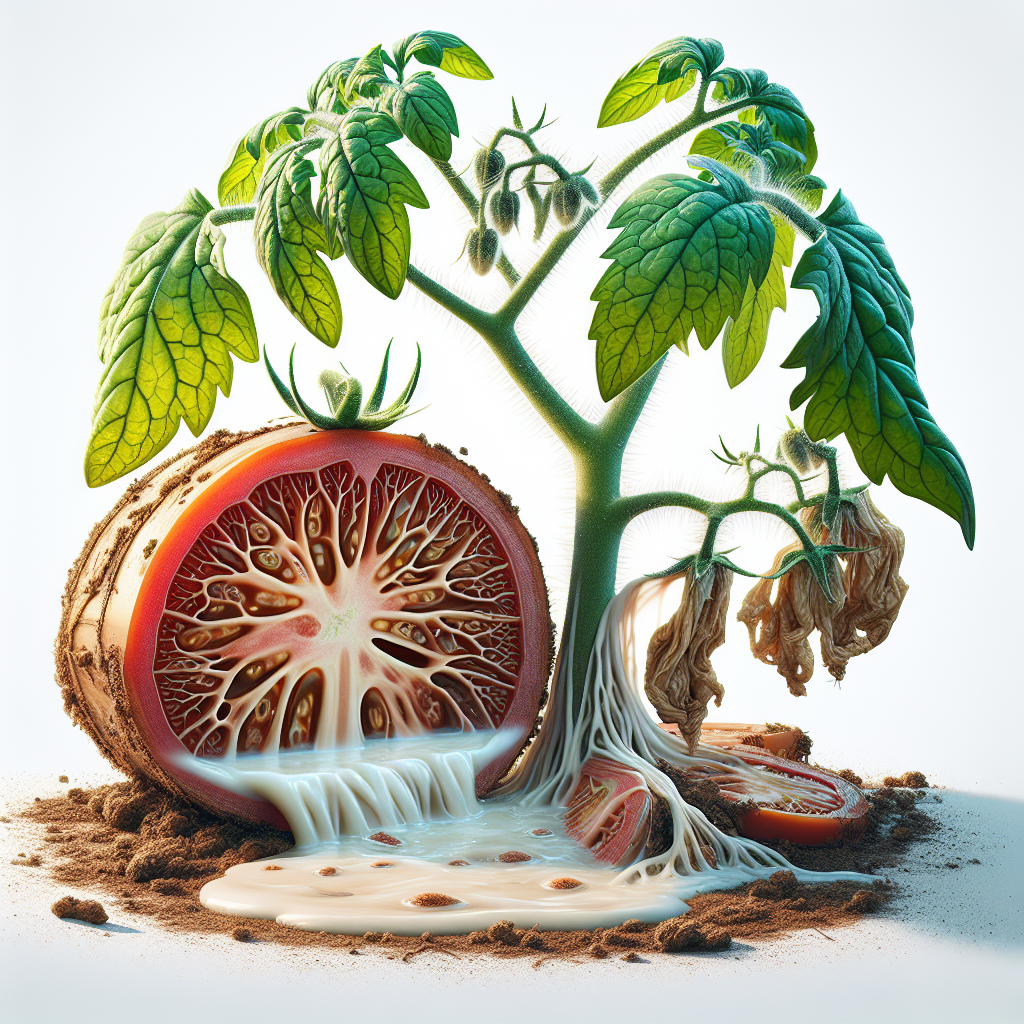
Introduction to Bacterial Wilt
Bacterial wilt, caused by the highly destructive pathogen Ralstonia solanacearum, represents one of the most serious threats to global agriculture, particularly in tropical and subtropical regions. This soilborne bacterium invades the vascular system of plants, blocking water flow and causing sudden, irreversible wilting. Unlike fungal wilts such as Fusarium wilt, bacterial wilt progresses rapidly, often killing plants within days of symptom onset. First identified in the early 20th century, it has since spread to over 200 plant species across 50+ countries, costing farmers billions in lost yields annually.
The disease's persistence in soil for years—sometimes decades—makes it notoriously difficult to eradicate. It survives as a dormant form in plant debris, weeds, and even potato tubers, ready to infect new crops. Warm temperatures (above 25°C/77°F) and high moisture accelerate its spread via contaminated irrigation water, tools, or splashing rain. For small-scale farmers and commercial growers alike, understanding bacterial wilt is crucial for protecting high-value crops like tomatoes, potatoes, and bananas. Early detection and strict cultural practices are the cornerstones of defense, as chemical controls offer limited efficacy. This guide provides professional-grade diagnostic tools, organic management strategies, and prevention protocols to safeguard your fields. Learn why timing kills small farm profits and how proactive measures can preserve yields.
Identifying Symptoms & Damage
Recognizing bacterial wilt early is challenging because initial signs mimic drought stress or nutrient deficiencies. The hallmark symptom is sudden wilting of individual branches or entire plants during the day, with partial recovery at night in early stages. Leaves remain green but limp, distinguishing it from fungal wilts where yellowing precedes collapse. As the disease advances, stems develop dark brown streaks in the vascular tissue—visible when cut lengthwise. A definitive diagnostic test involves slicing a stem and suspending it in water: milky bacterial ooze streams from the cut end, confirming infection.
In solanaceous crops like tomato and potato, lower leaves droop first, progressing upward. Roots appear healthy externally but harbor bacterial masses inside. In advanced cases, plants collapse into a heap, with foul-smelling, slimy internal rot. Damage is catastrophic: yields can drop 50-100% in affected fields. Secondary effects include increased susceptibility to root-knot nematodes and opportunistic pathogens like Pythium. Economic impact is severe; in eggplant fields, losses exceed 70% without intervention. Inspect transplants carefully—wilting seedlings with oozy roots signal contaminated stock. For precise identification, lab tests via ELISA or PCR detect R. solanacearum biovars 1-4, with race 3 biovar 2 posing quarantine risks in cooler climates.
Lifecycle and Progression of Bacterial Wilt
R. solanacearum enters plants through natural openings or wounds, multiplying rapidly in the xylem under optimal conditions (30°C/86°F, high humidity). It produces extracellular polysaccharides that clog vessels, inducing wilt. The bacterium spreads systemically, colonizing roots to stems. Infected plants release billions of cells into soil via root exudates, perpetuating the cycle.
The lifecycle includes three phases: entry (via soil splash, tools, or insects), colonization (vascular plugging within 24-48 hours), and dissemination (through water runoff or debris). Survival exceeds 2 years in moist soil, up to 10 years in dried form. In banana plantations, it persists via corm fragments. Progression varies by host: tomatoes succumb in 3-7 days, while peanuts resist longer. Overwintering occurs in weed hosts like nightshade or volunteer potatoes. Disease cycles amplify in monsoon seasons, with peaks 4-6 weeks post-planting. Understanding this timeline enables timely rogueing of infected plants to limit spread.
Environmental Triggers & Risk Factors
Bacterial wilt thrives in warm (25-35°C/77-95°F), wet soils with pH 5.5-7.0. Poor drainage and flooding are primary triggers, as the bacterium swims via flagella in saturated conditions. High nitrogen fertilizers exacerbate susceptibility by promoting lush growth. Acidic, compacted soils retain moisture, favoring persistence.
Risk factors include monocropping susceptible varieties, using unsterilized tools, and contaminated irrigation. Weeds like pigweed harbor the pathogen asymptomatically. Crop rotation failures—especially with solanaceous hosts—build inoculum. In cucumber fields, overhead watering splashes bacteria onto stems. Climate change extends risk periods, with warmer winters allowing survival in temperate zones. Soil solarization reduces populations by 90% in trials, but reinfestation occurs without follow-up. Assess your farm's microclimate: fields near rivers face higher exposure via runoff.
Organic Control & Treatment Plans
No curative treatments exist; management focuses on suppression. Remove and destroy infected plants immediately, burying deeply or burning to prevent soil recontamination. Solarize soil pre-planting: cover moist beds with clear plastic for 4-6 weeks in summer, heating to 50°C/122°F kills 95% of bacteria.
Plant resistant varieties like 'Hawaii 7996' tomato or 'Superior' potato. Crop rotation with non-hosts (cabbage, onions) for 3-5 years dilutes inoculum. Introduce biofumigants like mustard cover crops, releasing isothiocyanates toxic to R. solanacearum. Beneficial microbes—Pseudomonas fluorescens or Trichoderma—applied as seed dips suppress via competition (efficacy 40-60%). Avoid wounding roots during transplanting; use drip irrigation to minimize splash.
Organic amendments: compost teas with aerobic bacteria outcompete the pathogen. In peanut rotations, yields recover 30%. For greenhouses, steam soil to 70°C. Integrated plans combine sanitation, resistance, and biocontrols, reducing incidence by 80% in field trials. Monitor weekly, rogueing at first wilt.
Preventing Bacterial Wilt in the Future
Prevention trumps control. Start with pathogen-free seed and transplants—hot water treat at 50°C for 30 minutes. Implement 3-year rotations excluding solanaceous/gramineae crops. Use raised beds with well-drained media (add 30% compost). Disinfest tools with 10% bleach or 70% alcohol between plants.
Soil testing for R. solanacearum guides site selection. Grafted plants (resistant rootstock like 'Maxifort' for tomato) evade soil inoculum. Cover crops like marigold nematicides deter vectors. Mulch heavily to suppress weeds. In high-risk areas, fumigate with organic-approved metam sodium. Farm-wide biosecurity: footbaths, boot scrubs, and equipment washes. Long-term, breed region-specific resistances. Track via field maps to isolate outbreaks. With diligence, incidence drops below 5%.
Crops Most Affected by Bacterial Wilt
Solanaceae dominate: tomato (90% loss potential), potato, eggplant, peppers. Musaceae like banana suffer in tropics. Others: peanut, ginger, cassava, papaya. Grasses like rice host race 1. In Asia/Africa, it devastates potato yields; Americas hit tomato hardest. Select varieties wisely per crop.