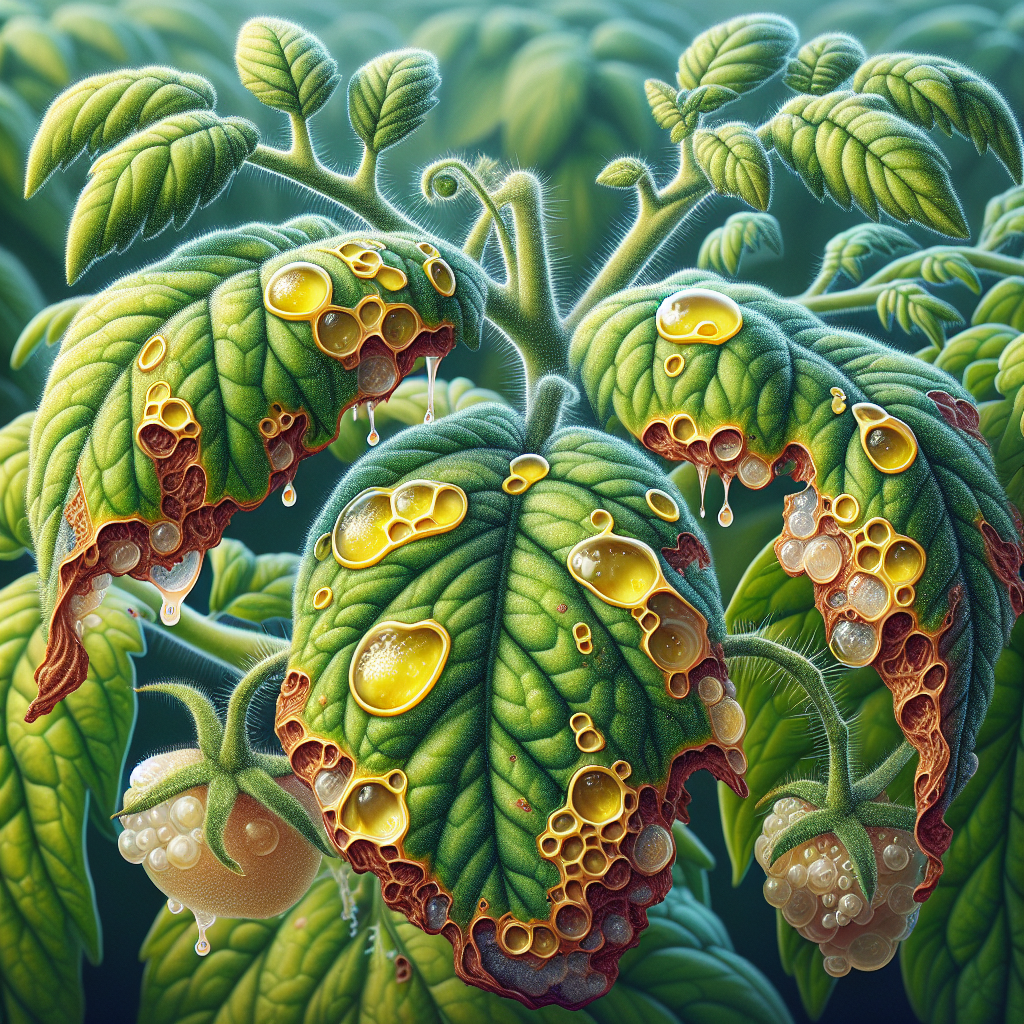
Introduction to Bacterial issues
Bacterial issues represent one of the most challenging categories of plant diseases in agriculture, affecting a wide array of crops from vegetables to fruits and ornamentals. Unlike fungal pathogens, bacterial diseases are caused by prokaryotic microorganisms—primarily genera like Xanthomonas, Pseudomonas, Erwinia, Ralstonia, and Clavibacter—that multiply rapidly inside plant tissues, leading to symptoms such as water-soaked lesions, wilts, blights, and soft rots. These pathogens enter plants through natural openings like stomata, hydathodes, or wounds created by mechanical injury, insects, or environmental stress.
Globally, bacterial issues cause billions in annual crop losses. For instance, bacterial blight devastates rice and tomato fields, while bacterial wilt cripples solanaceous crops like potatoes and peppers. In humid tropics and subtropics, outbreaks are particularly severe due to favorable conditions for bacterial proliferation. Early diagnosis is critical since most bactericides offer limited post-infection control; prevention through sanitation, crop rotation, and resistant cultivars forms the cornerstone of integrated management. This guide provides professional-grade diagnostic criteria, lifecycle insights, and organic strategies tailored for small farms and commercial operations alike. Learn more about Soil Health Mastery: 5 Proven Strategies for Small Farms to Build Fertile Ground Without Breaking the Bank to bolster plant defenses.
Identifying Symptoms & Damage
Accurate identification of bacterial issues hinges on distinguishing them from fungal or viral diseases. Key symptoms include:
- Water-soaked lesions: Initial spots appear dark green or translucent, often on lower leaves. Unlike fungal spots with defined margins, bacterial lesions expand rapidly and may ooze milky exudate when cut.
- Angular leaf spots: Lesions are irregular, delimited by veins, turning yellow then brown-black. Common in bacterial spot of peppers and tomatoes.
- Wilting and vascular discoloration: Plants wilt suddenly despite adequate moisture; stems show brown streaking when sliced longitudinally, as in bacterial wilt caused by Ralstonia solanacearum.
- Blights and rots: Shoot tips blacken (fire blight-like in some hosts), fruits develop soft, mushy rots with foul odors from Erwinia spp., or cankers form on woody tissues.
- Halos and marginal burn: Chlorotic halos surround spots in cool, wet conditions; leaf margins necrotize in bacterial streak.
Damage manifests as defoliation (20-80% leaf loss), reduced photosynthesis, fruit drop, and yield declines up to 100% in severe epidemics. Differentiate via lab tests: bacteria stream from lesion edges in water mounts under microscope, or use PCR for species ID. Field tests include KOH string test for xanthomonads (viscous strands form). Confuse with early blight or Septoria leaf spot? Bacterial lesions lack fungal spores and progress faster in wet weather.
Lifecycle and Progression of Bacterial issues
Bacteria lack complex lifecycles like fungi; they survive as epiphytes on plant surfaces, in soil, seeds, or debris, and within xylem/phloem. Infection cycle:
- Survival: Overwinter in infected plant refuse, weed hosts, or soil for 1-2 years. Seedborne transmission perpetuates via contaminated planting material.
- Dispersal: Rain splash, overhead irrigation, wind-driven rain, tools, insects (aphids), and workers spread bacteria short (meters) to long (fields) distances.
- Infection: Enter via wounds or openings at 25-35°C (77-95°F) with leaf wetness >6-12 hours. Multiplies exponentially (doubles every 20-60 min), producing enzymes that dissolve cell walls.
- Colonization: Systemic spread via vascular tissues causes wilting; localized infections form spots. Latency 2-7 days.
- Symptom expression: Peaks in warm, humid conditions; secondary spread from ooze.
- Senescence: Bacteria exit with plant exudates, ready for new hosts.
Progression accelerates under stress: from spot (day 1-3) to blight (week 1), wilt/death (2-4 weeks). Polycyclic nature enables multiple generations per season, overwhelming susceptible crops.
Environmental Triggers & Risk Factors
Bacterial issues thrive under specific conditions:
- Temperature: Optimal 28-32°C; cool-tolerant strains (Pseudomonas) active at 15-25°C.
- Humidity: Free moisture essential; relative humidity >85% prolongs leaf wetness.
- Irrigation: Overhead systems splash inoculum; drip reduces risk by 70%.
- Plant stress: High N fertilizers, drought, or root-knot nematodes weaken defenses.
- Monoculture: Continuous susceptible crops build inoculum.
Risk factors include planting infected seeds (up to 50% transmission), poor sanitation (tools harbor 10^6 CFU/cm²), and dense canopies trapping moisture. Tropical regions see year-round issues; temperate areas peak post-rainy periods. Climate change exacerbates via warmer, wetter conditions.
Organic Control & Treatment Plans
No true cures exist; focus on suppression:
Cultural Controls (Primary, 60-80% efficacy):
- Crop rotation: 2-3 years away from host families.
- Sanitation: Remove/destroy debris; disinfect tools with 10% bleach or 70% alcohol.
- Resistant varieties: e.g., bacterial wilt-resistant tomatoes.
- Spacing: Improve airflow (reduce humidity by 20-30%).
Biological Controls:
- Antagonistic bacteria: Bacillus subtilis, Pseudomonas fluorescens (apply preventively, 10^9 CFU/ml).
- Composts teas with Trichoderma suppress via competition.
Organic Treatments:
- Copper-based (fixed copper like Bordeaux mix): 2-4 lbs/acre weekly pre-symptom; avoid phytotoxicity in heat.
- Streptomycin (where allowed): Limited resistance issues.
- Plant extracts: Garlic/chili sprays deter epiphytes.
Integrated Plan: Scout weekly; apply copper at first water-soak; rogue infected plants immediately. For potato, combine hilling with copper. Monitor via threshold: 1-5% incidence triggers action. Yields recover 30-50% with timely intervention.
Preventing Bacterial issues in the Future
Prevention outperforms cure:
- Seed/Planting Material: Hot water treat seeds (50°C/25 min); buy certified disease-free.
- Site Selection: Well-drained soils; avoid low spots.
- Irrigation Management: Drip or furrow; irrigate early AM.
- Fertility: Balanced N (excess promotes succulent tissue); K/Ca boost resistance.
- Weed Control: Eliminate alternate hosts.
- Monitoring: Use sticky traps for vectors; apps for weather-based alerts.
- Quarantine: Inspect transplants; isolate new fields.
Long-term: Solarize soil (kills 90% surface bacteria); biofumigants like mustard cover crops. Build soil microbiome with cover crops (clover) for natural suppression. Annual audits reduce incidence 70%.
Crops Most Affected by Bacterial issues
Susceptible crops span families:
| Crop Family | Examples | Key Bacterial Issues |
|---|---|---|
| Solanaceae | Tomato, Potato, Pepper | Bacterial spot, wilt |
| Cruciferae | Cabbage, Broccoli | Black rot (Xanthomonas campestris) |
| Gramineae | Rice, Corn | Blight, Stewart's wilt |
| Cucurbitaceae | Cucumber, Squash | Angular leaf spot |
| Leguminosae | Soybeans, Beans | Halo blight |
| Others | Onion (center rot), Banana (soft rot) |
High-value crops like strawberry suffer angular leaf spot; tree crops (avocado) face cankers. Global hotspots: Asia (rice blight), Americas (tomato spot).