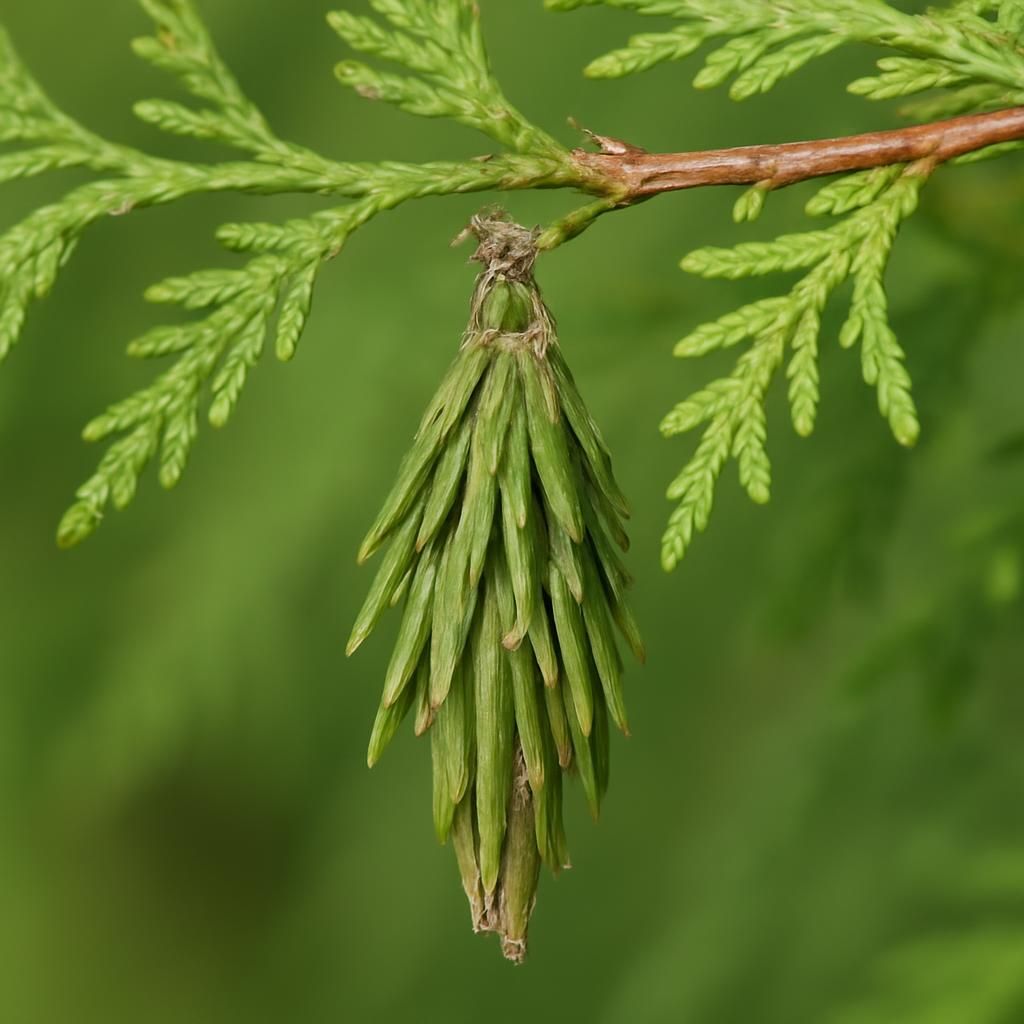
Introduction to bagworms
Bagworms (Thyridopteryx ephemeraeformis) are caterpillar pests belonging to the family Psychidae. The larvae construct distinctive spindle-shaped bags from silk and bits of host foliage, which serve as both shelter and camouflage. These portable cases allow the caterpillars to feed while remaining protected from predators and many insecticides. Bagworms are particularly problematic in ornamental nurseries, Christmas tree plantations, and commercial orchards where dense plantings facilitate rapid spread.
Infestations can reduce photosynthetic capacity, weaken structural integrity of branches, and lead to plant mortality in severe cases. Early detection and timely intervention are critical because the protective bags become increasingly resistant to chemical penetration as larvae mature. This guide synthesizes current entomological knowledge and field-tested agricultural practices for reliable identification and sustainable control.
Identifying Symptoms & Damage
The most obvious sign of bagworm presence is the presence of 1–2 inch spindle-shaped bags hanging from twigs and branches. Early instars produce smaller bags that may be overlooked until defoliation becomes noticeable. Heavy infestations produce a characteristic “Christmas tree” appearance with numerous bags suspended from branches.
Feeding damage begins as skeletonization of needles or leaves and progresses to complete consumption of foliage. On conifers such as Spruce and Pine, entire branches may turn brown and die. On deciduous hosts, repeated defoliation weakens trees, reduces fruit set, and predisposes plants to secondary pathogens including Botryosphaeria cankers. Frass pellets may accumulate beneath heavily infested plants.
Lifecycle and Progression of bagworms (MUST INCLUDE A MARKDOWN TABLE OF LIFECYCLE STAGES)
Bagworms undergo complete metamorphosis with four distinct life stages. Understanding the timing of each stage is essential for effective management windows.
| Stage | Duration | Key Characteristics | Management Window |
|---|---|---|---|
| Egg | 4–6 weeks (overwinter) | 500–1000 eggs inside female bag; protected by silk | Dormant oil or mechanical removal |
| Larva | 6–10 weeks | Builds and enlarges bag while feeding; most destructive stage | Targeted sprays or biologicals |
| Pupa | 2–3 weeks | Occurs inside bag; males emerge as winged moths | Limited; pheromone disruption |
| Adult | 3–5 days | Wingless females remain in bag; males fly to mate | Pheromone traps for monitoring |
Environmental Triggers & Risk Factors
Bagworm outbreaks are favored by warm, dry summers that accelerate larval development and reduce natural enemy populations. Dense monocultures of susceptible hosts increase dispersal success because wind-blown neonates can easily colonize adjacent plants. Over-fertilization with high-nitrogen formulations produces succulent foliage that supports faster larval growth.
Urban and suburban landscapes with limited plant diversity experience higher pressure because natural predators such as parasitoid wasps have fewer alternative hosts. Drought stress further weakens plant defenses, making recovery from defoliation slower. Monitoring should intensify during June and July when first-instar larvae are most vulnerable.
Organic Control & Treatment Plans (MUST INCLUDE A MARKDOWN TABLE OF TREATMENT OPTIONS AND FREQUENCIES)
Integrated pest management begins with cultural practices and escalates to biological and mechanical controls when thresholds are exceeded. Always confirm active larval feeding before applying treatments.
| Treatment Option | Active Ingredient / Method | Application Frequency | Notes |
|---|---|---|---|
| Hand removal | Physical removal of bags | Once in late winter/early spring | Most effective on small plantings |
| Bacillus thuringiensis (Bt) | Bt kurstaki | Every 7–10 days while larvae are small | Target early instars; UV degrades quickly |
| Spinosad | Spinosad | 2–3 applications at 7–10 day intervals | Effective on later instars; low bee toxicity |
| Horticultural oil | 2% dormant or summer oil | Once at bud break and once post-bloom | Suffocates eggs and young larvae |
| Neem oil | Azadirachtin | Every 7–14 days | Repellent and growth regulator |
| Beneficial nematodes | Steinernema carpocapsae | Soil drench in early spring | Targets pupae and overwintering larvae |
Preventing bagworms in the Future
Long-term prevention relies on maintaining plant diversity and monitoring. Avoid planting large blocks of preferred hosts such as Arborvitae or Juniper without interspersing resistant species. Regular scouting from May through August allows early detection before populations reach damaging levels.
Sanitation is critical: remove and destroy bags during the dormant season to reduce next year’s egg load. Encourage natural enemies by planting nectar sources for parasitoid wasps and avoiding broad-spectrum insecticides that kill beneficial insects. Proper irrigation and balanced fertility reduce plant stress and improve tolerance to light infestations.
Crops Most Affected by bagworms
While bagworms are primarily pests of woody ornamentals, they also attack several fruit and nut crops. The following crops experience the highest economic impact when planted near infested hedgerows or shelterbelts:
Coniferous Christmas tree species including Douglas Fir and true firs are also highly susceptible in commercial production settings.