Introduction to Aromatic herbs
Aromatic herbs encompass a diverse group of plants primarily from the Lamiaceae family, including Thai Basil, rosemary, and thyme. These crops are valued for their essential oils and flavor compounds but are susceptible to a range of pests that target foliage, stems, and roots. Effective management begins with accurate diagnosis and understanding of the pest dynamics affecting herb production. Professional growers rely on integrated approaches combining monitoring, cultural practices, and targeted interventions to maintain healthy stands.
Identifying Symptoms & Damage
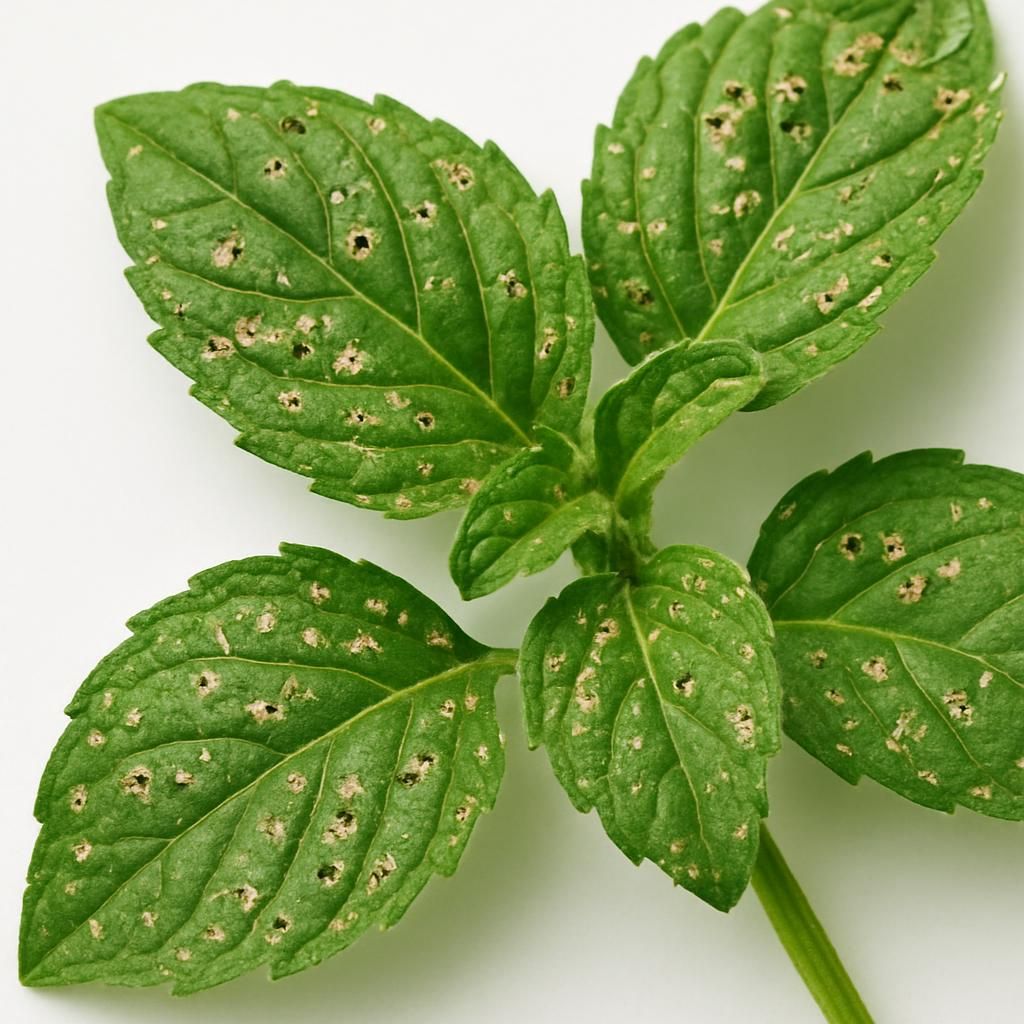
Common symptoms of pest activity on aromatic herbs include stippling, curling, and yellowing of leaves caused by sap-feeding insects. Chewing damage appears as irregular holes or skeletonized foliage, while stem and root pests may cause wilting or stunted growth. Presence of honeydew, sooty mold, or frass provides additional diagnostic clues. Early detection through regular scouting is essential to prevent widespread infestation.
Lifecycle and Progression of Aromatic herbs
The lifecycle of pests affecting aromatic herbs varies by species but generally follows egg, nymph/larva, pupa, and adult stages. Environmental conditions such as temperature and humidity influence development speed and population growth.
| Stage | Description | Duration | Key Characteristics |
|---|---|---|---|
| Egg | Laid on leaf undersides or stems | 3-7 days | Small, oval, often in clusters |
| Nymph/Larva | Feeding stage causing visible damage | 7-21 days | Wingless or caterpillar form, rapid growth |
| Pupa | Non-feeding transformation stage | 4-10 days | Inactive, often in soil or leaf folds |
| Adult | Reproductive and dispersal phase | 14-30 days | Flying or crawling forms, egg-laying begins |
Environmental Triggers & Risk Factors
High humidity combined with warm temperatures accelerates pest reproduction on aromatic herbs. Overcrowded plantings and poor air circulation increase disease pressure and favor insect outbreaks. Nutrient imbalances, especially excess nitrogen, promote succulent growth attractive to herbivores. Water stress weakens plant defenses, making herbs more vulnerable to attack.
| Factor | Optimal Range | Risk Threshold |
|---|---|---|
| Soil pH | 6.0-7.0 | Below 5.5 or above 7.5 |
| Temperature | 18-28°C | Above 32°C or below 10°C |
| Relative Humidity | 40-60% | Above 75% |
| Plant Spacing | 30-45 cm | Less than 20 cm |
Organic Control & Treatment Plans
Integrated pest management for aromatic herbs prioritizes prevention and non-chemical methods. Beneficial insects, neem-based sprays, and cultural sanitation form the foundation of organic programs. Regular monitoring allows timely intervention before populations reach damaging levels.
| Treatment Option | Frequency | Application Notes |
|---|---|---|
| Neem oil spray | Every 7-10 days | Apply to leaf undersides at dusk |
| Insecticidal soap | Every 5-7 days | Target early instars and soft-bodied pests |
| Beneficial nematodes | At planting and monthly | Soil drench for root pests |
| Companion planting with Marigold | Seasonal | Repels nematodes and attracts beneficials |
| Yellow sticky traps | Weekly replacement | Monitor and reduce adult populations |
Preventing Aromatic herbs in the Future
Crop rotation with non-host plants disrupts pest cycles and reduces soil-borne pathogen buildup. Maintaining optimal plant spacing improves airflow and reduces humidity microclimates. Use of certified clean planting material and regular removal of crop debris minimizes overwintering sites. Mulching and drip irrigation help maintain plant vigor without excess moisture.
Crops Most Affected by Aromatic herbs
Aromatic herbs frequently impact production of Thai Basil, Rosemary, and Thyme through direct feeding and disease transmission. Secondary effects occur on nearby Coriander and Parsley plantings when pest populations spill over. Monitoring these high-value crops alongside herbs ensures early detection and coordinated management across the herb garden.