Introduction to alfalfa
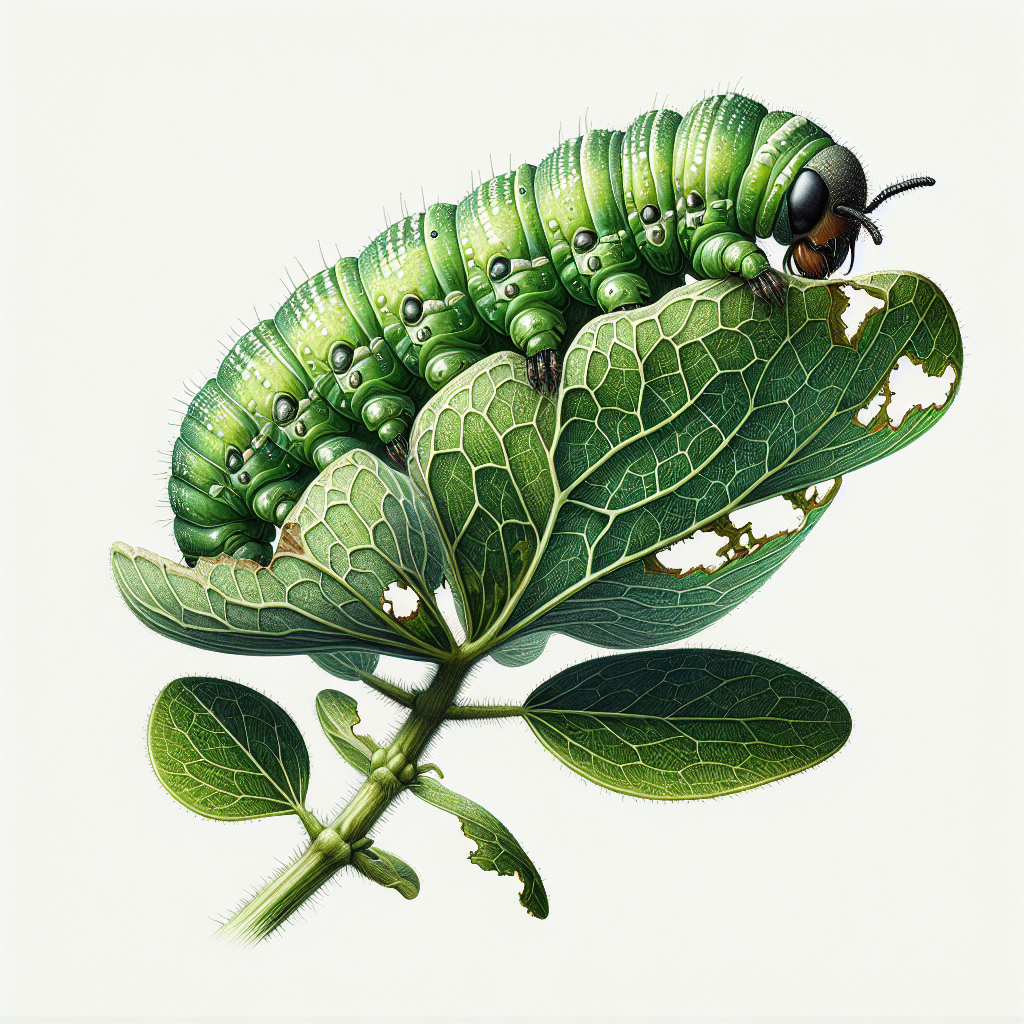
Alfalfa weevil, scientifically known as Hypera postica, stands as one of the most notorious pests in forage crop production worldwide, particularly devastating to alfalfa fields. Native to Europe and Asia, this beetle was accidentally introduced to North America in the early 1900s and has since spread across the United States, Canada, and other alfalfa-growing regions. Adult weevils are small, 3-5 mm long, olive-green beetles with a distinctive V-shaped white mark behind the head, while larvae are small, green, legless grubs with a white stripe down the back and a black head.
This pest targets alfalfa (Medicago sativa), a vital perennial legume used for hay, silage, pasture, and soil improvement due to its high protein content and nitrogen-fixing abilities. Damage occurs primarily from larval feeding, which skeletonizes leaves, reducing photosynthesis and forage quality. Economic thresholds vary by region, but infestations can cause 20-100% yield losses if unmanaged. Understanding its biology and implementing timely interventions is essential for growers. For more on alfalfa-related crops, see clover, a common companion.
Successful management hinges on integrated pest management (IPM), combining scouting, cultural practices, biological agents, and judicious organic treatments. This guide provides diagnostic tools, lifecycle insights, and proven strategies to protect yields. With proactive measures, farmers can minimize losses while preserving beneficial insects and soil health. Recent studies from university extensions emphasize early-season scouting as the cornerstone of control, potentially saving thousands in lost production.
Identifying Symptoms & Damage
Accurate identification of alfalfa weevil damage is critical for timely intervention. Larvae cause the most harm during spring, feeding on tender leaflets from the base of plants upward. Initial symptoms include pinhole feeding on unfolded leaves, progressing to skeletonization where only leaf veins remain, giving foliage a lacy appearance. Severely damaged leaves turn grayish-brown and drop prematurely.
Look for small, green larvae (up to 9 mm long) curled in a C-shape when disturbed, often accompanied by black fecal pellets (frass). Adult feeding produces characteristic notching along leaf margins, visible in late spring and fall. Plants may appear yellowed or stunted, with reduced regrowth after cutting. In heavy infestations, fields show patchy dieback, and forage quality plummets due to lower protein and higher fiber content.
To diagnose, use a beat sheet or sweep net: shake 10-20 stems over a white cloth and count larvae. Economic thresholds are 1.5-2 larvae per stem or 30% leaf defoliation in the top 4 inches. Differentiate from armyworms (larger, nocturnal) or aphids (sucking damage, honeydew). Secondary signs include sooty mold on honeydew if aphids are present alongside weevils. Photograph samples for expert verification via local extension services.
Yield impacts are profound: larvae consume up to 86% of available foliage in peak periods. First-cutting hay can lose 50% quality, affecting dairy and livestock nutrition. Scouting weekly from green-up until 300 heat units (base 9°C) ensures early detection.
Lifecycle and Progression of alfalfa
The alfalfa weevil completes one to four generations annually, depending on climate. Overwintering adults emerge in early spring (March-April in temperate zones), feeding minimally before laying 600-900 eggs in clusters of 20-30 within leaf sheaths or stems. Eggs hatch in 3-7 days into tiny larvae that feed for 3-5 weeks through four instars.
Larvae mature to 10 mm, pupate in soil cocoons for 5-14 days, emerging as new adults by May-June. Summer adults aestivate (enter dormancy) in soil or field edges, resuming activity in fall for a partial second generation in warmer areas. Full development requires 400-500 heat units per generation.
Progression aligns with alfalfa growth: eggs in early bud stage (V1-V3), peak larval damage at 50% bloom (R1), adults at full bloom (R2). Monitoring degree-days predicts outbreaks—scout when 250-400 heat units accumulate post-green-up. In northern regions, one generation predominates; southern areas see 3-4, exacerbating pressure.
Parasitoids like Bathyplectes wasps and fungi (Zoophthora) regulate populations naturally, peaking mid-season. Understanding this cycle enables precise timing: destroy first-cut hay at 300 heat units to kill 90% larvae.
Environmental Triggers & Risk Factors
Alfalfa weevil thrives in cool, moist springs (10-20°C), with optimal larval development at 15°C. Mild winters reduce mortality, triggering early adult emergence. Fields south-facing or with early green-up face higher risk due to advanced heat unit accumulation.
Poor stand density (<40 plants/sq ft), excessive nitrogen, or delayed cutting favor outbreaks by providing lush, susceptible growth. Continuous alfalfa monocultures without rotation amplify infestations, as do weedy field margins harboring adults. Irrigation timing matters—overhead watering boosts humidity, aiding egg hatch.
Climate change extends active periods, with warmer falls supporting extra generations. Proximity to infested fields or volunteer alfalfa spreads pests via adult flight (up to 1 km). Soil types influence pupation success; heavy clays retain moisture for higher survival.
Risk assessment: High if >475 heat units by May 1st or prior damage observed. Mitigate by fall harvest before frost kills adults. See Why 90% of Small Farms Fail at Pest Management - And 8 Organic Fixes That Actually Work for broader insights.
Organic Control & Treatment Plans
Organic management emphasizes IPM to avoid synthetic insecticides, preserving pollinators and predators. Primary strategy: early harvest at 10-20% bloom or 300 heat units, killing 80-95% larvae via desiccation. Follow with short residuals (25-30 days) to target survivors.
Biological Controls: Encourage native parasitoids (Microctonus aethiopoides, Bathyplectes curculionis) by minimizing tillage. Release 100-200 Drosophila wasps/acre if populations lag. Fungal biopesticides like Beauveria bassiana or Metarhizium anisopliae (applied at 1-2 qts/acre) infect 70% larvae in humid conditions.
Cultural Practices: Graze or clip uninfested regrowth to 4-6 inches, destroying larvae. Rotate with corn or wheat every 3-4 years, breaking the cycle. Plant resistant varieties like '52LS74' or 'Bulldog 505' reducing damage 40-60%.
Organic Treatments: Neem oil (0.5-2% azadirachtin) or spinosad (0.2-0.4 oz/gal) at threshold application, evening hours to spare bees. Insecticidal soaps disrupt larvae but require frequent reapplication. Border sprays target adults entering fields.
Integrated Plan: Scout weekly, harvest early, apply BTK (Bacillus thuringiensis) for young larvae (<3 mm), monitor predators. Thresholds: 0.2-0.4 larvae/stem pre-bud, 1.5/stem early bud. Yields recover 20-50% with these steps.
Preventing alfalfa in the Future
Prevention starts with certified weevil-free seed and border sanitation—mow/disk field edges pre-planting. Maintain dense stands (45+ plants/sq ft) via fall fertilization and weed control. Time first cut before peak larval numbers, allowing 35-day regrowth.
Crop rotation every 4 years with non-hosts like soybeans or grains disrupts lifecycles. Avoid fall planting in high-risk areas; dormant seeding reduces early infestations. Enhance biodiversity with flowering borders attracting parasitoids.
Monitor heat units via apps or stations, targeting cuts at 250-350 DD. Fall mowing to 4 inches pre-frost kills 70% adults. Resistant varieties and IPM scouting prevent economic damage long-term. Annual field history tracking identifies hotspots.
Crops Most Affected by alfalfa
Alfalfa weevils primarily target alfalfa but occasionally damage related legumes. Sweetclover and red clover suffer minor feeding. True clovers (clover) show tolerance due to pubescence. Non-legumes like peas or chickpeas rarely affected. Focus protection on alfalfa-dominated rotations.