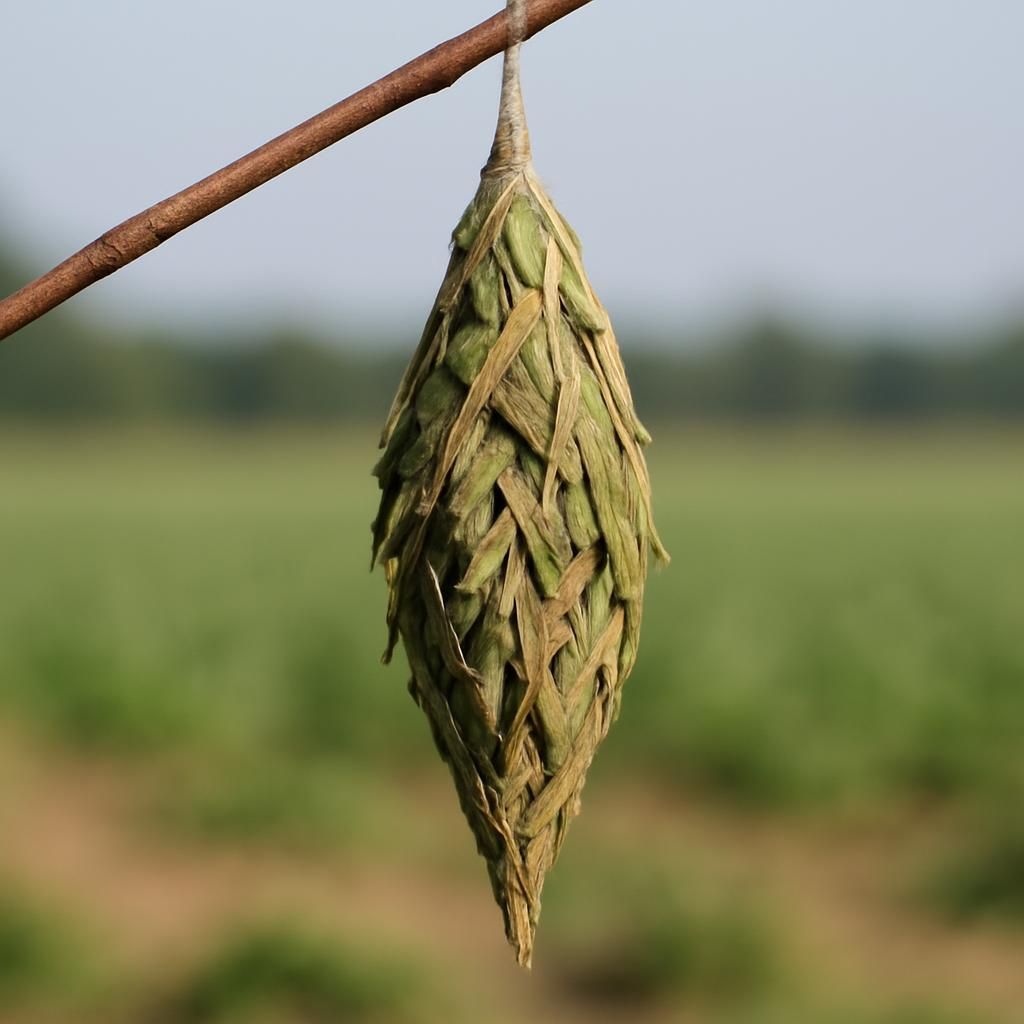
Introduction to Bagworm lifecycle
Bagworms (Thyridopteryx ephemeraeformis) are lepidopteran pests notorious for defoliating a wide range of woody plants and ornamentals. Larvae construct spindle-shaped bags from silk and host foliage, providing camouflage and protection while feeding. The pest completes one generation annually in temperate climates, with eggs overwintering inside female bags. Early detection and timed interventions are essential because larvae become increasingly difficult to control once bags enlarge. Integrated management combining scouting, mechanical removal, biological agents, and targeted sprays delivers the highest efficacy while minimizing environmental impact.
Identifying Symptoms & Damage
Initial infestations are often noticed by the presence of 1–2 inch spindle-shaped bags hanging from twigs and branches. Heavy feeding produces skeletonized leaves, browned branch tips, and progressive defoliation that can kill young trees within one or two seasons. On conifers such as arborvitae and juniper, bags appear needle-covered; on deciduous hosts like maple or oak, they incorporate broader leaf fragments. Frass pellets may accumulate beneath infested plants. Close inspection reveals the silken attachment point at the anterior end of each bag. Distinguishing bagworm damage from leaf-feeding caterpillars or webworms requires noting the portable, individual bags rather than webbed masses.
Lifecycle and Progression of Bagworm lifecycle (MUST INCLUDE A MARKDOWN TABLE OF LIFECYCLE STAGES)
Bagworms exhibit complete metamorphosis with four distinct life stages. Understanding seasonal timing guides scouting and treatment windows.
| Stage | Duration | Key Characteristics | Management Window |
|---|---|---|---|
| Egg | 6–9 months | Overwinter inside maternal bag; 500–1,000 eggs per female | Late fall through early spring |
| Larva | 8–10 weeks | Hatch in late spring; build protective bags while feeding | Late spring to mid-summer |
| Pupa | 2–3 weeks | Occurs inside bag; males pupate and emerge as moths | Mid to late summer |
| Adult | 3–7 days | Winged males fly to mate; wingless females remain in bag | Late summer |
Larval bags enlarge rapidly during the feeding period; once pupation begins, chemical control efficacy declines sharply.
Environmental Triggers & Risk Factors
Warm, dry springs accelerate egg hatch and larval establishment. Dense plantings and monocultures increase spread because wind and birds disperse young larvae. Evergreen hosts such as Leyland cypress and arborvitae suffer higher mortality due to limited refoliation capacity. Proximity to previously infested landscapes or nurseries raises introduction risk. Over-fertilization producing lush foliage can attract ovipositing females. Mild winters reduce overwintering mortality, leading to larger spring populations.
Organic Control & Treatment Plans (MUST INCLUDE A MARKDOWN TABLE OF TREATMENT OPTIONS AND FREQUENCIES)
Organic programs emphasize scouting, mechanical removal, and biological agents timed to larval vulnerability.
| Treatment Option | Active Ingredient / Method | Application Frequency | Notes |
|---|---|---|---|
| Hand removal | Manual picking of bags | Weekly during larval stage | Dispose of bags in sealed bags |
| Bacillus thuringiensis | Bt kurstaki (Dipel, Thuricide) | Every 7–10 days while larvae are small | Target early instars; reapply after rain |
| Spinosad | Entrust or Success | Every 7–14 days | Effective on mid-sized larvae |
| Horticultural oil | 1–2% dormant or summer rate | Early spring before bud break | Smothers overwintering eggs |
| Neem oil | Azadirachtin 0.5–1% | Every 7–10 days | Antifeedant and growth disruptor |
| Predatory insects | Release Trichogramma wasps | Spring, 2–3 releases | Parasitizes eggs inside bags |
Combine mechanical and biological tactics for best results on high-value plantings.
Preventing Bagworm lifecycle in the Future
Maintain plant diversity to reduce host concentration and limit spread. Remove and destroy bags in late winter before egg hatch. Avoid excessive nitrogen fertilization that produces succulent growth attractive to females. Monitor new nursery stock for bags prior to planting. Encourage natural enemies by providing flowering insectary plants and avoiding broad-spectrum insecticides. Regular fall and spring scouting of susceptible hosts allows early intervention before populations explode.
Crops Most Affected by Bagworm lifecycle
Bagworms primarily attack woody ornamentals and fruit trees. Commonly impacted species include Apple, Pear, Peach, Maple, Oak, arborvitae, juniper, and pine. On fruit crops such as Cherry and Plum, defoliation reduces photosynthesis and next season’s fruit set. Nursery production of evergreens experiences the greatest economic losses because aesthetic damage renders plants unsaleable.