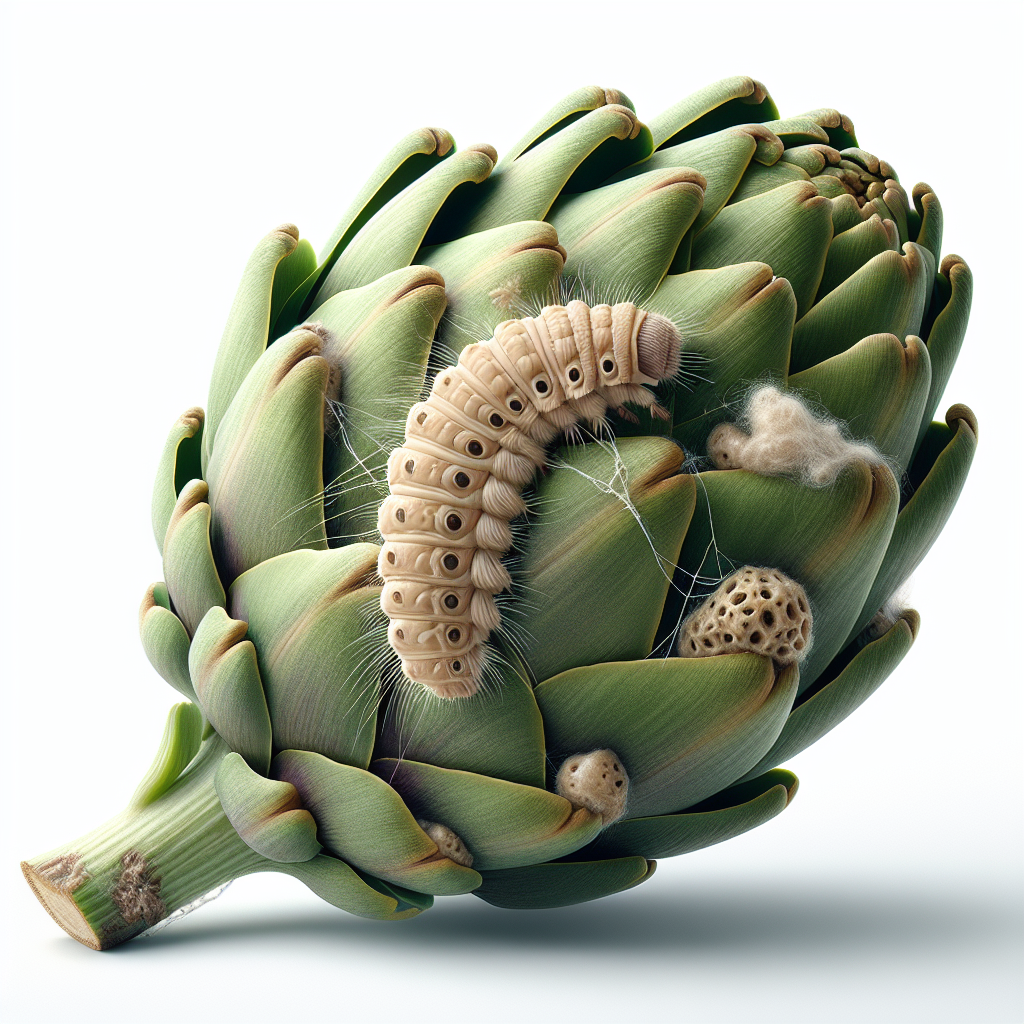
Introduction to Artichoke plume moth larvae
Artichoke plume moth larvae, scientifically known as Platyptilia carduidactyla, represent a significant threat to artichoke production worldwide, particularly in Mediterranean climates and coastal regions where Green Globe Artichoke is commonly grown. These small, cream-colored caterpillars emerge from distinctive plume-shaped moths and inflict damage by tunneling into the tender buds, bracts, and hearts of artichoke plants. First identified in Europe, the pest has spread to North America, affecting commercial fields and home gardens alike. Infestations can reduce marketable yields by up to 50% if left unchecked, making timely identification and management crucial for sustainable artichoke farming.
As a specialist in entomology and agriculture, understanding this pest's behavior is key to protection. The larvae's unique feathery-winged adult stage and silk-spinning habits distinguish it from other caterpillar pests. For detailed insights on organic strategies tailored to small farms, check this Spring Pest Patrol: Organic AI Strategies to Shield Your Crops from Common Invaders. This guide equips growers with professional-grade diagnostics, lifecycle knowledge, and proven organic controls to safeguard harvests.
Identifying Symptoms & Damage
Detecting artichoke plume moth larvae early is essential for effective control. Initial signs include small entry holes on outer bracts, often less than 1mm in diameter, surrounded by silk webbing and frass (insect droppings). As larvae burrow deeper, affected buds become deformed, with browning or discoloration of inner tissues. Severely infested heads fail to develop properly, resulting in hollowed-out centers that are unmarketable.
Inspect plants weekly during peak activity, focusing on the crown and developing buds. Larvae themselves are tiny (up to 1 cm long), pale green to cream-colored, with a brownish head and divided into segments that give them a spiny appearance. Unlike leafminers, they create mines within bracts rather than leaves. Secondary symptoms include wilting of young shoots and increased susceptibility to secondary pathogens like Botrytis.
Damage patterns vary by infestation stage: early larvae skeletonize bracts, while mature ones bore into the heart. Yield impacts are most severe in young plants or second-crop buds. Differentiate from other pests like aphids by the presence of silken tunnels and absence of honeydew. Use a hand lens for confirmation, and monitor for plume moth adults fluttering near plants at dusk.
Lifecycle and Progression of Artichoke plume moth larvae
The artichoke plume moth completes 3-5 generations per year, depending on climate, with a lifecycle spanning 4-6 weeks. Adults are small (12-18 mm wingspan) with unique divided, feather-like hindwings in grayish-brown hues. Moths are nocturnal, laying 40-60 eggs singly or in clusters on lower leaf surfaces or bracts.
Eggs hatch in 5-10 days into first-instar larvae, which immediately mine into plant tissue. Larvae progress through five instars over 2-3 weeks, feeding voraciously and producing silk galleries for protection. Mature larvae pupate within silken cocoons on leaves or debris, emerging as adults in 7-14 days. Overwintering occurs as pupae in plant debris or soil.
Peak activity aligns with artichoke bud formation, typically spring through fall in mild climates. Temperature thresholds: eggs hatch above 10°C (50°F), optimal development at 20-25°C (68-77°F). Understanding this progression allows for targeted interventions, such as BT applications during early larval stages. For more on Artichoke plume moth, refer to comprehensive pest profiles.
Environmental Triggers & Risk Factors
Artichoke plume moth thrives in warm, dry conditions with temperatures between 15-28°C (59-82°F) and low humidity, common in coastal California and Mediterranean artichoke belts. Overly dense plantings (>30 cm spacing) create humid microclimates favoring egg-laying. Poor sanitation, such as leaving infested debris in fields, serves as overwintering reservoirs.
Risk escalates with continuous artichoke cropping without rotation, as moths prefer monocultures. Nearby cabbage or asparagus fields can act as alternate hosts, amplifying populations. Drought-stressed plants are more vulnerable due to weakened defenses. Windless evenings promote adult flight and oviposition.
Soil type has minimal direct impact, but heavy clay soils retaining moisture post-irrigation heighten risks when combined with overhead watering. Monitor weather data for moth flight windows, as sudden warm spells trigger emergences. Integrated farm management, including trap crops like mustard, reduces regional pressures.
Organic Control & Treatment Plans
Organic management of artichoke plume moth larvae emphasizes prevention and biological controls. Start with cultural practices: hand-pick and destroy infested buds weekly, dropping them into soapy water. Bacillus thuringiensis (Bt) var. kurstaki is highly effective against young larvae; apply evenings at 1-2 g/L water, covering all bud surfaces, with 7-10 day intervals for 3 applications.
Encourage natural enemies like Trichogramma wasps (egg parasitoids) via releases of 50,000-100,000/ha weekly during egg-laying peaks. Neem oil (azadirachtin 0.03%) disrupts larval molting; mix 5 ml/L with 1 ml/L insecticidal soap, reapply after rain. Spinosad (organic-approved) targets larvae at 0.5 ml/L, safe for beneficials.
Physical barriers like fine mesh netting (0.5 mm) over young plants prevent adult access. Pheromone traps monitor and disrupt mating: place 4-6 delta traps/ha baited with commercial lures. For heavy infestations, vacuum larvae from plants early morning. Rotate with non-hosts like lettuce or carrot to break cycles. Always scout 20% of plants weekly, using economic thresholds of 5% bud infestation.
Treatment timeline: Scout → Bt/neem at egg hatch → Parasitoids mid-larval → Sanitation harvest. Combine methods for IPM success, achieving 80-95% control without synthetics.
Preventing Artichoke plume moth larvae in the Future
Long-term prevention hinges on cultural and biological strategies. Destroy volunteer artichokes and deep-plow post-harvest to expose pupae to predators. Plant certified clean seed or transplants from reputable sources. Time planting to avoid peak moth flights, using degree-day models (base 10°C).
Intercrop with repellent plants like thyme or yarrow to deter oviposition. Mulch with straw (10 cm) suppresses soil pupation. Introduce predatory beetles (Carabidae) and birds via habitat strips. Reflective mulches disorient adults.
Monitor with pheromone traps from planting; remove at 10 moths/trap/week to cue actions. Crop rotation (2-3 years) with potato or grains starves populations. Soil solarization in summer kills pupae. Annual field sanitation reduces carryover by 90%. Educate neighbors for area-wide management.
Crops Most Affected by Artichoke plume moth larvae
Primarily targeting artichoke, plume moth larvae occasionally infest related Asteraceae like endive, chicory, and safflower. Green Globe Artichoke and Imperial Star Artichoke suffer most due to bud architecture. Minor damage reported on cardoon and wild thistles. Non-hosts include solanaceous crops like eggplant or tomato. Focus protection on primary artichoke plantings.