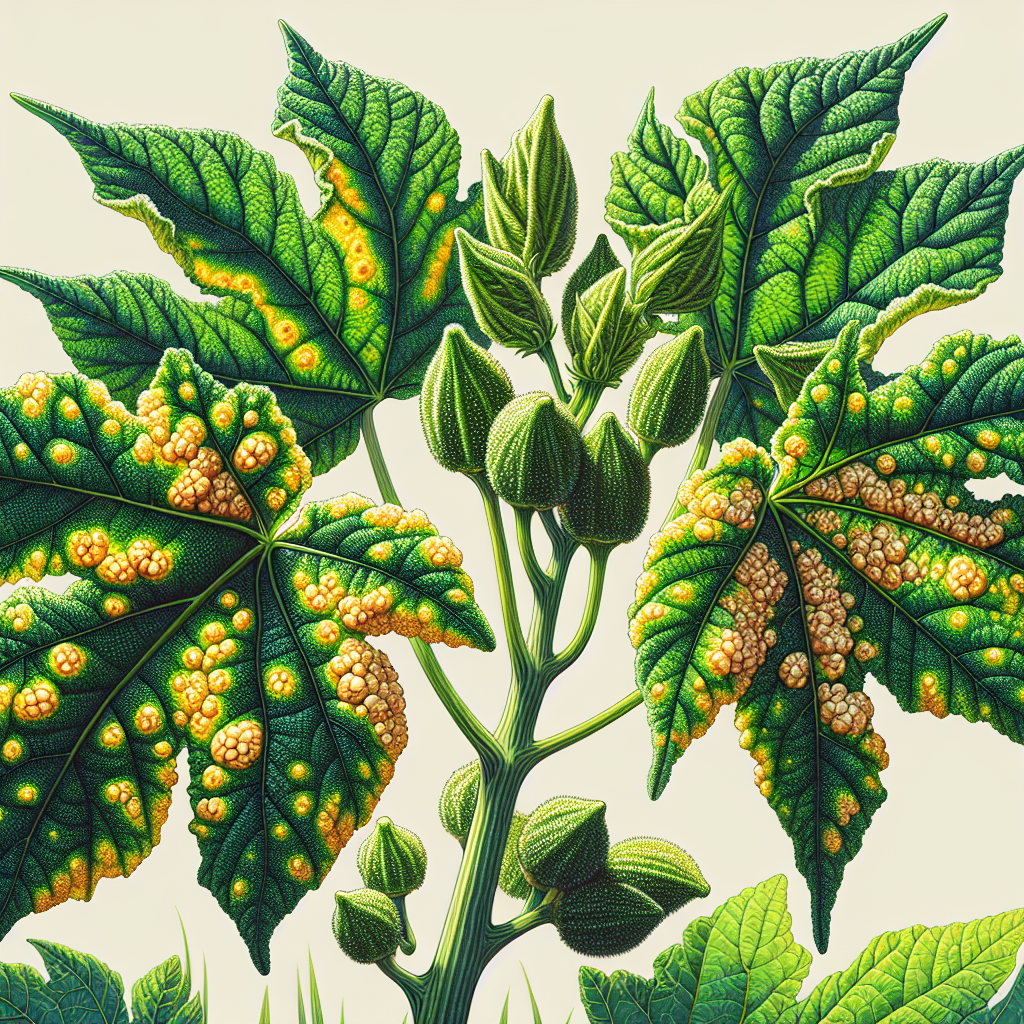
Introduction to okra mosaic
Okra mosaic, caused by the Okra (crop) mosaic virus (OMV), is one of the most destructive viral diseases affecting okra cultivation worldwide, particularly in tropical and subtropical regions. First identified in West Africa, this potyvirus spreads rapidly through aphid vectors like Aphids (pest), leading to mottled leaves, plant stunting, and up to 100% yield reduction in severe cases. As a persistent challenge for small-scale farmers and commercial growers alike, understanding okra mosaic is essential for maintaining healthy Clemson Spineless Okra (crop) and other varieties. This definitive guide covers symptoms, lifecycle, risk factors, organic treatments, and prevention, drawing from botanical and entomological expertise to empower growers with actionable strategies. For small farms battling identification issues, check out Why Misidentifying Plants Costs Small Farms Thousands - And How AI Camera Diagnosis Fixes It Fast.
The virus infects all growth stages, from seedlings to mature pods, disrupting photosynthesis and pod development. Infected plants exhibit chlorotic mosaics—irregular yellow and green patches on leaves—often accompanied by blistering and necrosis. Economic impacts are profound: in Africa and Asia, where okra is a staple, outbreaks can wipe out entire fields, costing farmers thousands in lost revenue. Climate change exacerbates spread by favoring aphid populations. Effective management hinges on integrated approaches, including cultural practices, biological controls, and vigilant scouting. This guide equips you with professional-grade advice to diagnose, treat, and prevent okra mosaic, ensuring robust harvests.
Identifying Symptoms & Damage
Accurate diagnosis begins with recognizing hallmark symptoms of okra mosaic. Early signs appear 7-14 days post-infection: young leaves show light green to yellow mottling, resembling a mosaic pattern of irregular patches. As the disease progresses, leaves develop dark green blisters, crinkling, and upward cupping, reducing photosynthetic area by 50-70%. Vein clearing—transparent veins against chlorotic backgrounds—is common, distinguishing it from nutrient deficiencies or powdery mildew (disease).
Stunting is pronounced; infected plants grow 30-50% shorter, with shortened internodes and brittle stems. Flowers may abort, and pods become malformed, short, thin-walled, and bitter, unfit for market. Severe cases lead to plant death. Damage assessment: yield losses range from 20% in mild infections to total crop failure. Differentiate from Cucumber Mosaic Virus (disease) by OMV's blistering and pod-specific necrosis. Use a 10x hand lens to inspect for aphid honeydew or sooty mold, confirming vector presence. Scout weekly, noting incidence: >5% signals epidemic risk. Photosynthetic efficiency drops 40%, per studies in Nigeria, underscoring urgency.
Lifecycle and Progression of okra mosaic
Okra mosaic virus (OMV) is a single-stranded RNA potyvirus with a lifecycle tied to its aphid vectors and host plants. Non-persistent transmission occurs when aphids (Aphids (pest)) probe infected leaves, acquiring virus particles on mouthparts; they transmit within minutes to healthy plants. No seed transmission, but perennial weeds like Clover (crop) serve as reservoirs. Viral particles multiply in phloem, moving systemically via plasmodesmata.
Progression phases: Incubation (7-10 days)—subtle mottling. Acute (2-4 weeks)—blistering, distortion. Chronic (>4 weeks)—stunting, pod deformity. In cool weather (20-25°C), symptoms intensify; heat (>35°C) masks them temporarily. Aphid lifecycle amplifies: winged alates colonize in spring, peaking transmission during flowering. Overwintering occurs in volunteer okra or wild hosts. Epidemics follow aphid flights, with secondary spread within fields. Lifecycle completes in 3-4 weeks per generation, enabling multiple cycles per season. Understanding this informs timely interventions, like rogueing at 5% incidence.
Environmental Triggers & Risk Factors
Okra mosaic thrives in warm, humid conditions (25-32°C, 70-90% RH), aligning with okra's growing season. High aphid populations surge with nitrogen-rich soils, dense planting (>30cm spacing), and nearby tomato (crop) or cucurbit fields. Risk factors include: volunteer plants harboring virus; overhead irrigation splashing inoculum; poor weed control allowing reservoirs like eggplant (crop); and susceptible varieties like local landraces. Drought stress weakens plants, enhancing susceptibility. Monoculture exceeds 50% risk; intercropping reduces it by 30%. Global warming extends aphid seasons, per IPM studies. Soil pH >7 favors aphids; test and amend to 6.0-6.5. Windbreaks limit alate dispersal. Assess farm risk: high if >10% weeds, low if certified clean seed used.
Organic Control & Treatment Plans
No cure exists for viral infections, so focus on vector suppression and phytosanitary measures. Immediate Actions: Rogue infected plants weekly, burying >50m from fields. Control aphids organically: Introduce ladybugs (Hippodamia convergens) at 1:10 aphid ratio; apply neem oil (2-5ml/L) weekly, targeting undersides—reduces populations 70%. Insecticidal soaps (potassium salts) smother nymphs without residues.
Cultural Controls: Plant resistant varieties like 'Park's Winner' or F1 hybrids. Space 45-60cm for airflow. Mulch with straw to deter weeds/aphids. Reflective mulches (aluminum) repel alates by 50%. Biologicals: Plant marigold (crop) borders as trap crops; release parasitoids (Aphidius colemani). Foliar sprays of garlic-chili extract (1:1:10) deter feeding. Nutrient Boost: Apply compost tea (1:10) biweekly to enhance vigor, aiding tolerance. Monitor with sticky traps (yellow, 10/acre). Integrated plan: 60% cultural, 30% bio, 10% extracts. Yields recover 40% with early action. Avoid broad-spectrum sprays preserving predators.
Preventing okra mosaic in the Future
Prevention is paramount for okra mosaic-free crops. Source virus-indexed seeds from certified growers; hot-water treat (50°C, 20min). Use 3-year rotation with non-hosts like onion (crop) or grains. Eradicate volunteers and weeds pre-planting. Erect 1.5m insect netting or row covers until flowering. Companion plant with thai-basil (crop)—repels aphids 40%. Scout biweekly; act at 1 aphid/leaf. Soil solarization (6 weeks summer) kills reservoirs. Boost immunity via silicon drenches (1g/L potassium silicate). Farm hygiene: Clean tools in 10% bleach. For small farms, optimize with Spring Pest Patrol: Organic AI Strategies to Shield Your Crops from Common Invaders. Long-term: Breed/grow resistant lines, monitor regional aphid forecasts.
Crops Most Affected by okra mosaic
Primarily devastating to okra (Okra (crop)), OMV impacts Clemson Spineless Okra (crop), Okra (Burgundy) (crop), and Emerald varieties, causing 50-90% losses. Minor hosts include eggplant (crop), bell-pepper (crop), and weeds, serving as reservoirs. Not systemic in tomato (crop) or cucurbits, but aphid vectors bridge to squash (crop). Global hotspots: Africa (Nigeria, 70% incidence), India, Southeast Asia. Susceptible: All Abelmoschus spp.; tolerant: Hibiscus hybrids. Diversify with non-hosts like corn (crop) in rotations.