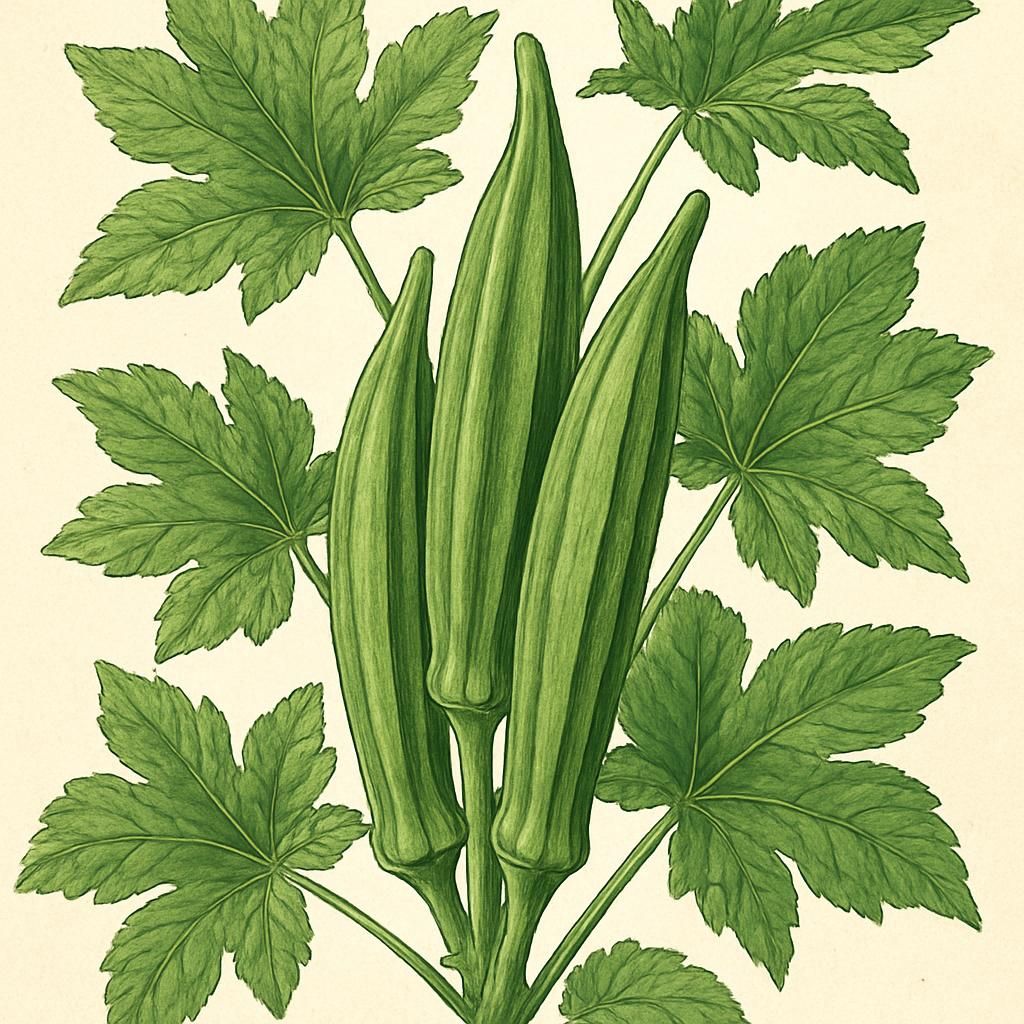
Introduction to Okra (Cow Horn)
Okra, scientifically known as Abelmoschus esculentus, is a versatile crop that thrives in warm climates. The 'Cow Horn' variety is particularly renowned for its long pods, which can reach up to 14 inches, offering a unique culinary experience with their tender-crisp texture. Popular in various cuisines, Okra is a vital crop that supports sustainable farming due to its hardy nature and ability to withstand challenging conditions.
Botanical Profile of Okra (Cow Horn)
Okra (Cow Horn) belongs to the Malvaceae family, which includes other botanically-related plants like cotton and hibiscus. It is an annual flowering plant with a towering presence, typically reaching up to 2 meters in height. The plant bears green, tapering pods along with heart-shaped bright green leaves and yellow hibiscus-like flowers.
Soil, pH, and Climate Requirements for Okra (Cow Horn)
To cultivate Okra (Cow Horn) successfully, understanding its soil and climate needs is crucial. Here’s a quick glance at the optimal growing conditions:
| Aspect | Ideal Conditions |
|---|---|
| Soil Type | Loamy, well-drained, organic-rich soils |
| pH Level | 6.0 to 6.8 |
| Temperature | 75°F to 95°F (Optimal daytime temperature) |
| Sunlight | Full sunlight (6-8 hours daily) |
Step-by-Step Planting & Propagation
- Seed Selection: Opt for high-quality seeds from a trusted source, focusing on pest-free and disease-resistant varieties.
- Pre-Planting Preparation: Soak seeds in water overnight to promote germination. Prepare the garden bed by loosening the soil and incorporating organic compost.
- Sowing: Plant seeds 1 inch deep and maintain a spacing of 12-18 inches between plants. This ensures adequate room for the plants to grow and spread.
- Watering Schedule: Water the seeds immediately after planting and consistently maintain moist soil without waterlogging.
- Thinning: Once seedlings emerge, thin them to the desirable spacing, removing weaker specimens.
Care & Maintenance Regimes for Okra (Cow Horn)
Caring for Okra (Cow Horn) involves specific regimes for watering, fertilization, and pruning, ensuring robust plant health and high yield.
| Care Element | Schedule and Description |
|---|---|
| Watering | 1-2 inches per week, more during hot spells |
| Fertilization | Every 4-6 weeks with a balanced fertilizer |
| Pruning | Remove spent pods to encourage growth |
Pests, Diseases & Organic Management
Despite its resilience, Okra (Cow Horn) can be vulnerable to certain pests like Spider Mites and diseases such as Powdery Mildew. Implementing organic pest management techniques like neem oil applications can reduce pest population. Crop rotation and companion planting, with plants like Basil or Marigold, can help deter pest infestations naturally.
Harvesting, Curing & Optimal Storage
Harvest Okra (Cow Horn) when pods are 3-4 inches long for tender results. Frequent harvesting, approximately every 2-3 days, encourages continued pod production. After harvesting, store pods unwashed in a perforated plastic bag in the refrigerator, maintaining freshness for up to 7 days.
Companion Planting for Okra (Cow Horn)
Incorporating companion planting with crops like Cucumber or Beans can enhance soil health and pest control in an okra garden. Avoid planting near Nightshade family crops to minimize competition for resources.
Explore in-depth pest management strategies in our latest article: 7 Summer Pest Traps That Sabotage Small Farm Harvests. Enhance your Okra (Cow Horn) crops by preventing common agricultural pest invasions.